
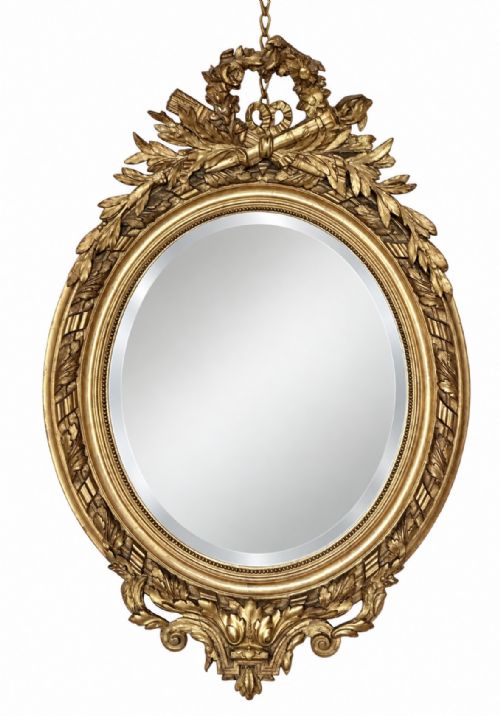
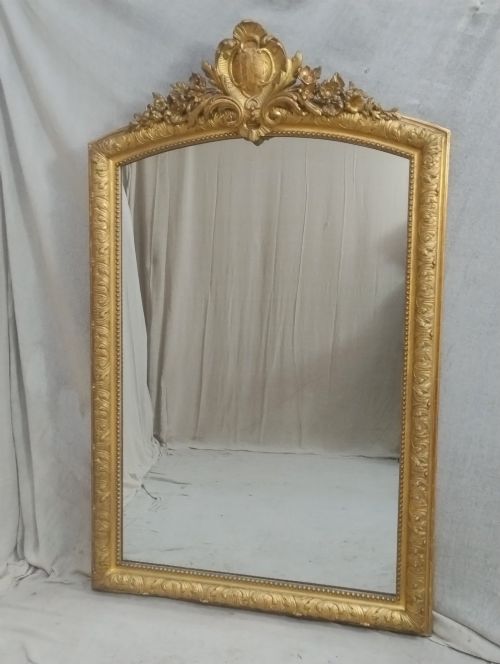


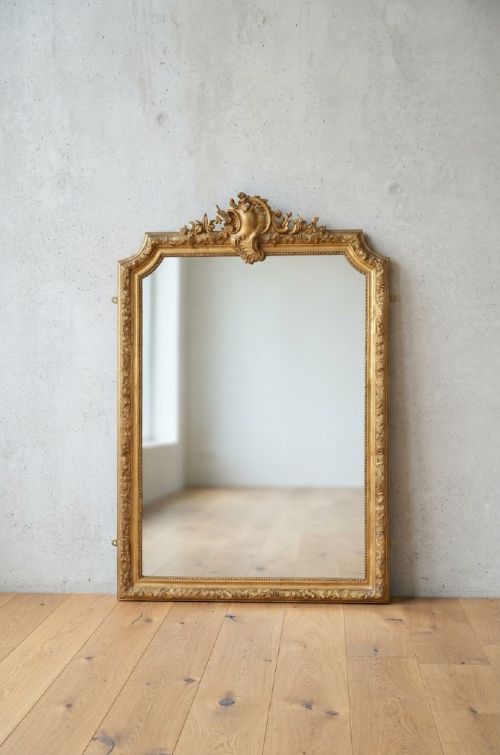
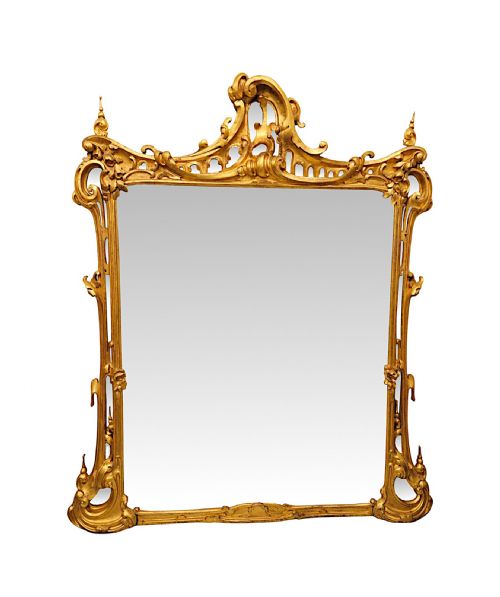
Rococo Style Overmantel
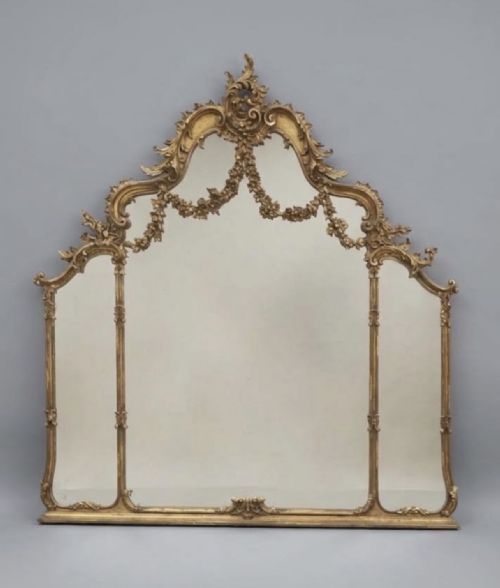
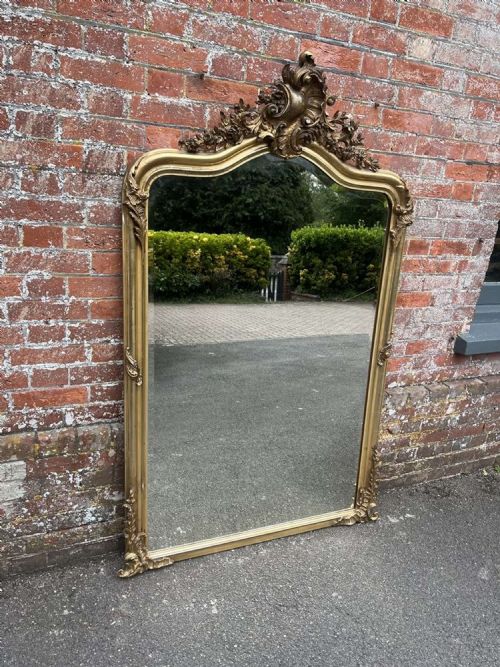
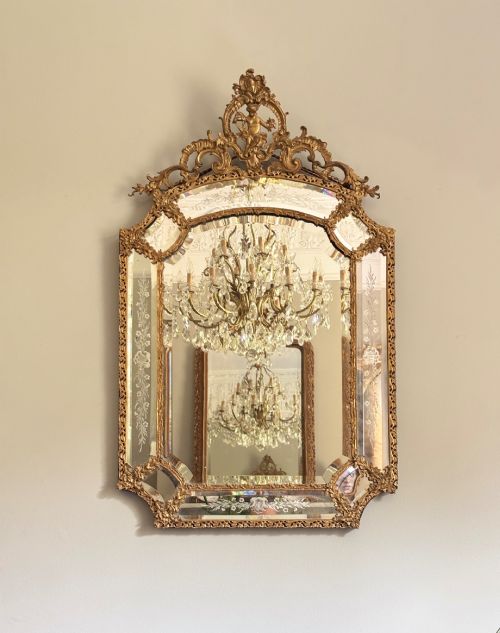
A rococo style overmantel brings dramatic asymmetrical curves and opulent gilding to a room, functioning as a commanding architectural anchor above a fireplace.
Rococo Style Overmantel
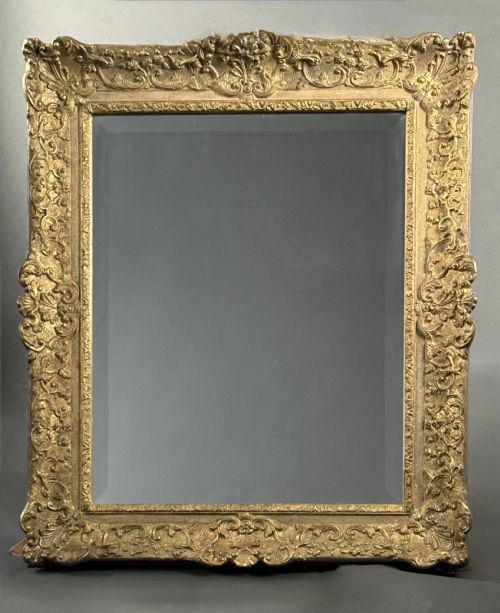
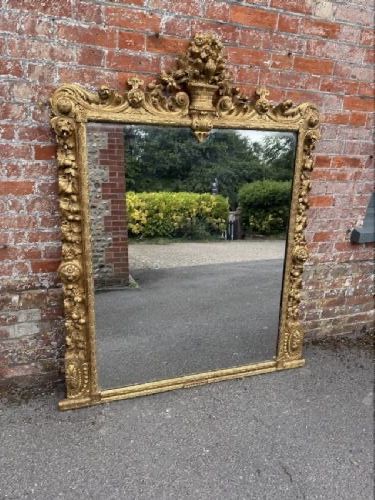
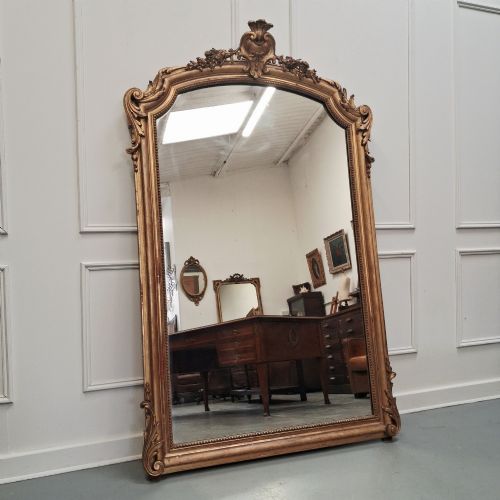
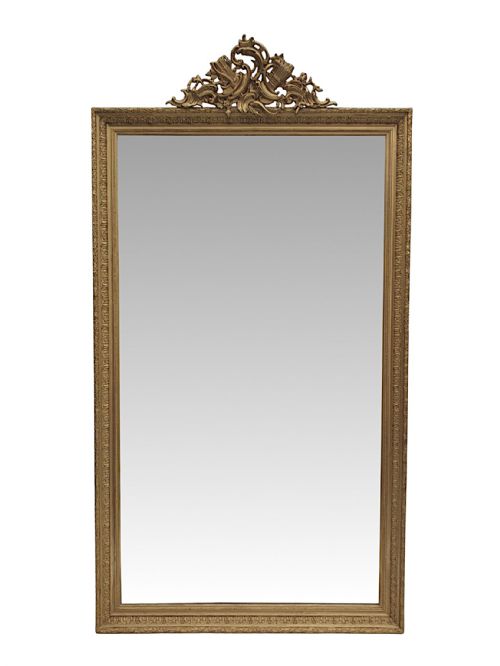
A rococo style overmantel is a large, ornate mirror designed to sit directly above a mantelpiece, reflecting light and amplifying the sense of space in a reception room. The pieces found here predominantly span the nineteenth century, including Victorian interpretations and French chateau influences alongside earlier eighteenth-century origins.
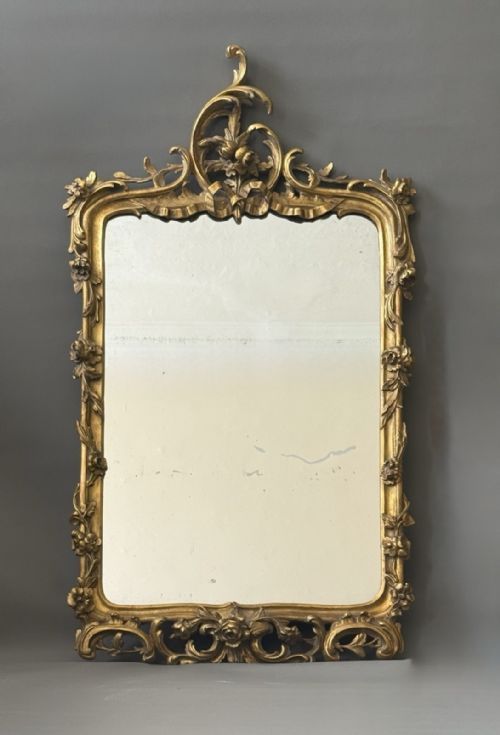
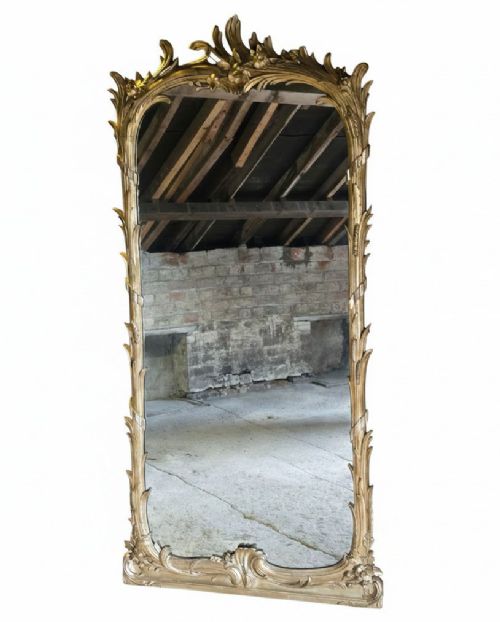
Makers and artisans of the period constructed these architectural mirrors in varied forms, ranging from tall carved wood and gesso frames to triple-plate formats and grand French trumeau styles incorporating pastoral oil paintings. The dominant aesthetic draws heavily on Louis XV designs, featuring scrolling foliage, shell motifs, and sweeping cartouches.
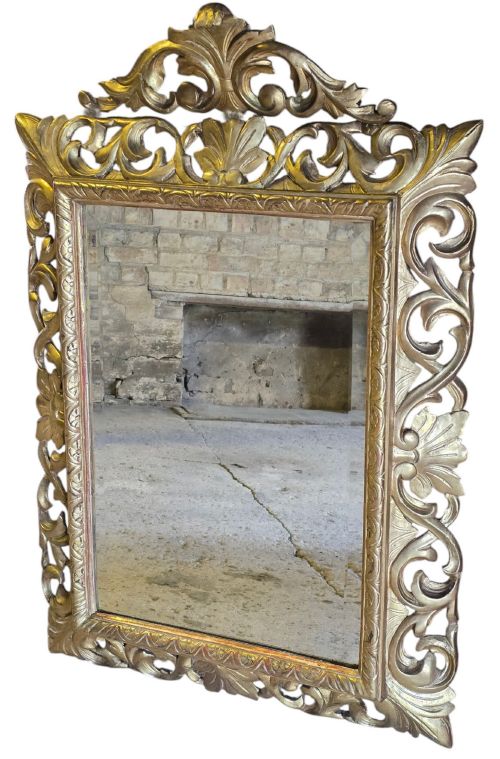
Buyers will encounter items ranging from restrained nineteenth-century parcel gilt examples to monumental giltwood pieces carrying heavy crestings and intricate pierced work. While many present clean modern glass, others retain original antique plates or foxed mercury glass that signals deep historical character.
How they were made
Wood serves as the foundational substrate for these frames, often carved from oak, pine, or general hardwoods before receiving decorative enrichment. Artisans applied layers of gesso - a mixture of plaster and glue - onto the timber base to build up the high-relief C-scrolls, floral garlands, and asymmetry characteristic of the style.
Gilding techniques defined the surface finish, utilising gold leaf or liquid gold applied over bole to achieve a rich, luminous sheen. Many nineteenth-century workshops also incorporated composition ornamentation, pressing moulded fibrous paste into intricate scrolls to expedite the production of elaborate crests.
Some nineteenth-century mirrors hide secret wooden backing panels lined with old newspaper fragments from the original workshop.
What varies in quality
The depth and crispness of the hand-carving separate standard production pieces from exceptional works, as skilled artisans achieved fluid, undercut foliage while lesser examples rely on heavy, uniform composition moulding. The articulation of the gesso ground beneath the gilding dictates how sharply the light catches the intricate asymmetrical motifs.
The preservation of the original mirror plate contributes significantly to an item's status, with antique mercury glass or bevelled plates holding distinct visual weight compared to modern replacements. Structural integrity of the heavy wooden carcass and the stability of large crested pediments also govern the overall execution of the piece.
The Rococo Style Overmantel Glossary
- Giltwood
- Wood that has been coated with thin sheets of gold leaf. This finish gives the frame a warm, reflective metallic lustre.
- Gesso
- A plaster-like material applied to wooden frames as a smooth base for gilding. Artisans carved directly into this layer to create fine relief details.
- Overmantel
- A large mirror or painting specifically proportioned to hang above a fireplace mantel. These pieces traditionally draw the eye upward and anchor the chimney breast.
- Trumeau
- A decorative wall mirror often paired with an oil painting set into the upper section of the wooden frame. This French architectural form dates back to classical interior design.
- Mercury glass
- A double-walled glass blown object or flat mirror plate silvered with a liquid mercury amalgam between the layers. It produces a distinctive speckled, foxed reflection.
Rococo Style Overmantel: Frequently Asked Questions
Where should I hang a rococo overmantel?
These large mirrors are traditionally mounted directly above a fireplace mantelpiece, where their generous proportions reflect light across the room. Ensure the wall structure can support the substantial weight of carved wood and glass.
Alternatively, they function effectively as leaner mirrors placed directly on the floor against a principal wall, creating a dramatic architectural statement in a hallway or bedroom.
How do I clean a antique giltwood frame?
Dust the intricate carved surfaces gently using a soft, dry ostrich feather duster or a clean artist paint brush to dislodge particles from deep within the gesso scrolls. Avoid applying water, chemical sprays, or modern polishes, as moisture damages fragile gold leaf and historical finishes.
Professional conservators should handle any significant restoration or deep cleaning required on nineteenth-century gilded surfaces to prevent flaking.
What is the difference between an overmantel and a pier mirror?
An overmantel mirror is specifically designed in a horizontal or large vertical format to sit above a fireplace opening, often echoing the architectural lines of the mantel below. Pier mirrors were historically manufactured to hang on the narrow wall space between two windows, known as the pier.
While both share nineteenth-century revival styles and heavy gilding, pier mirrors are generally taller and narrower to fit their designated architectural niche.
How can I tell a nineteenth-century piece from a modern reproduction?
Examine the backboards, fixings, and the construction of the wooden frame, as older pieces utilise hand-cut joinery, old screws, and dense timber substrates like oak or pine. The glass plate often displays minor imperfections, foxing, or hand-bevelling consistent with historical manufacturing techniques.
Modern reproductions typically feature uniform machine-moulded composition ornament without the hand-tooled crispness found in nineteenth-century artisan workshops.