
Gold Overmantel
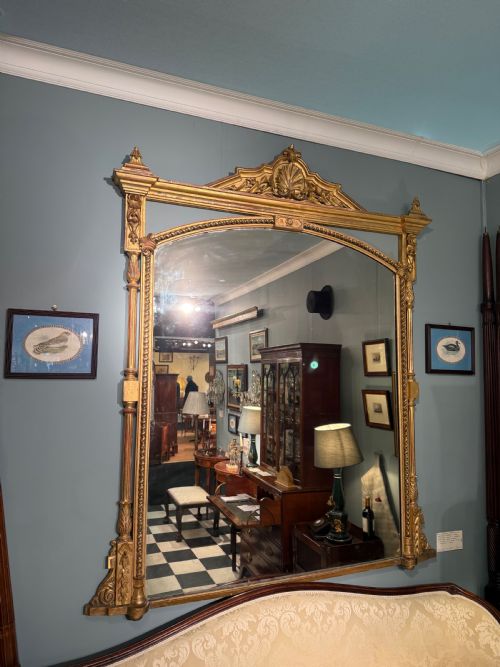
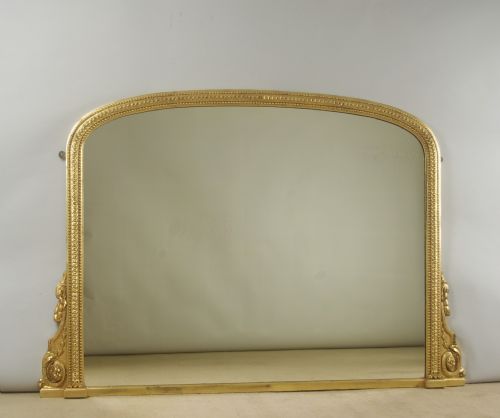
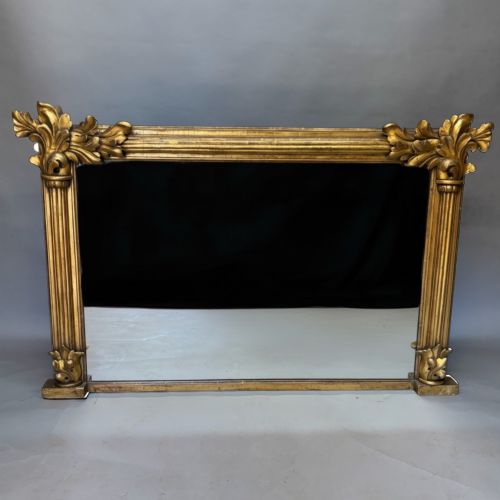
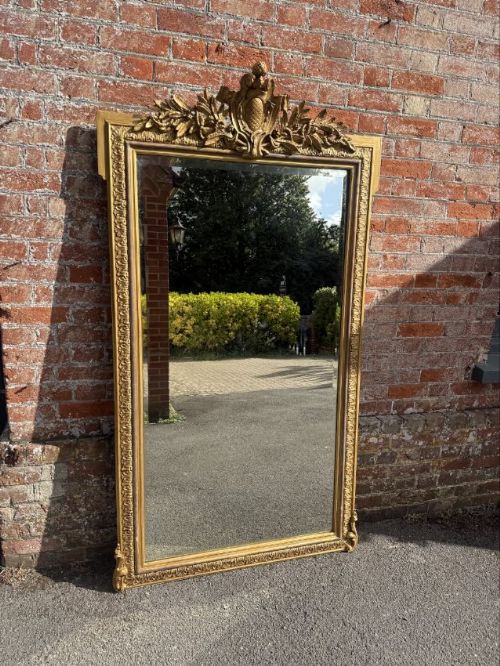
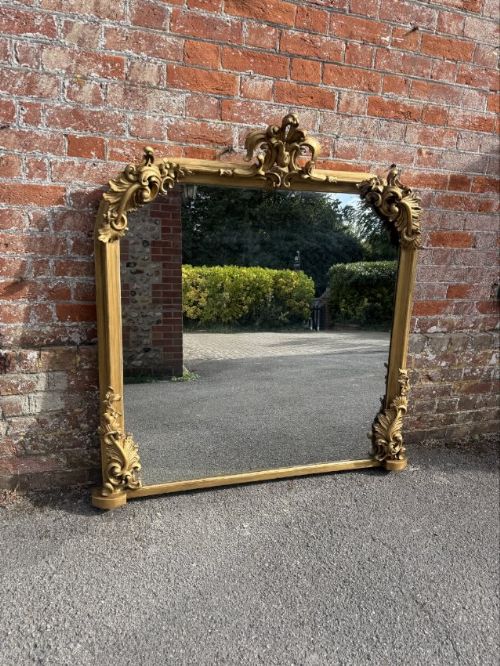
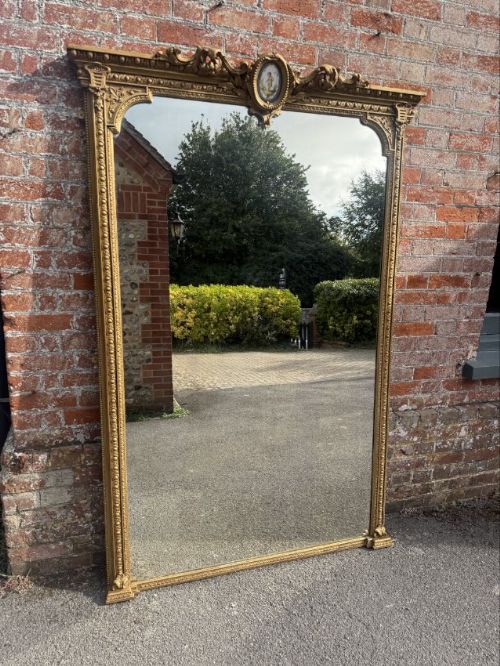
A gold overmantel sits above the fireplace, drawing light into the room through broad sheets of glass.
Gold Overmantel
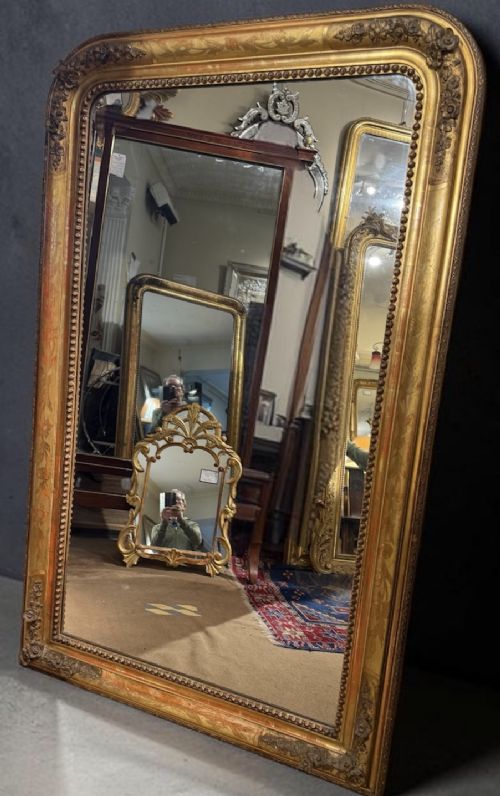
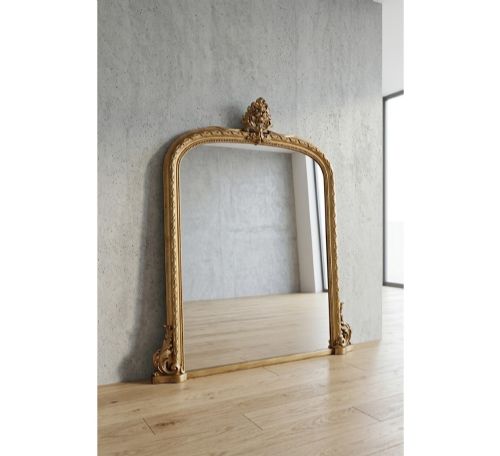
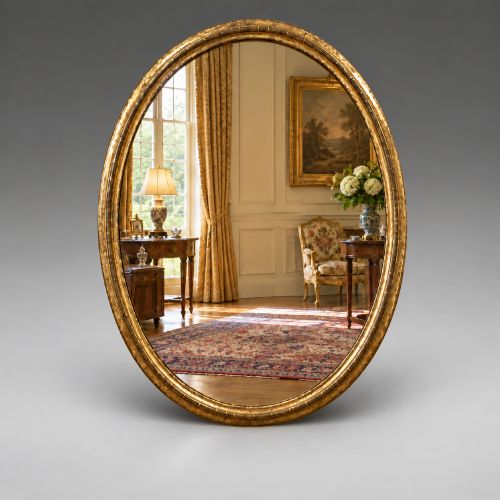
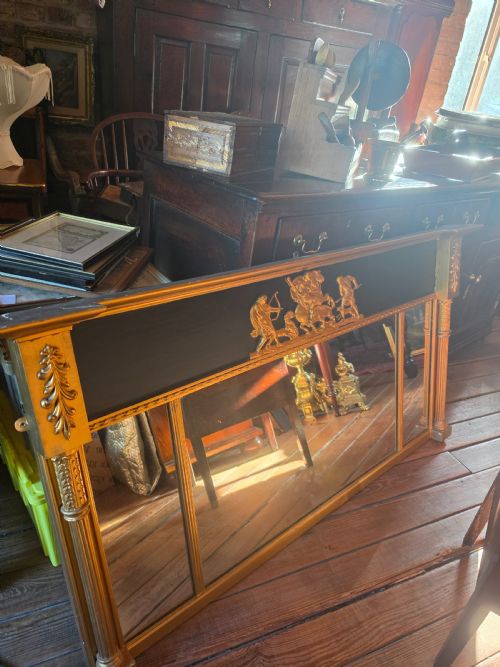
A gold overmantel is a large mirror designed to hang above a mantelpiece, often spanning significant proportions. The pieces seen here stretch from the eighteenth century through the nineteenth century, encompassing Georgian, Regency, and Victorian periods.
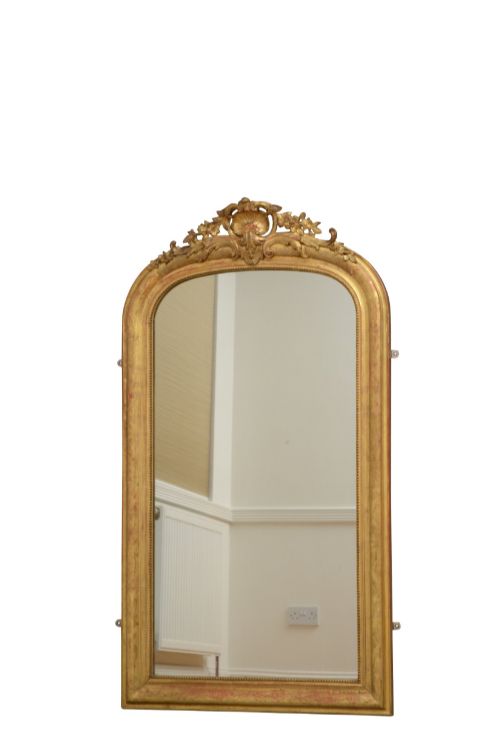
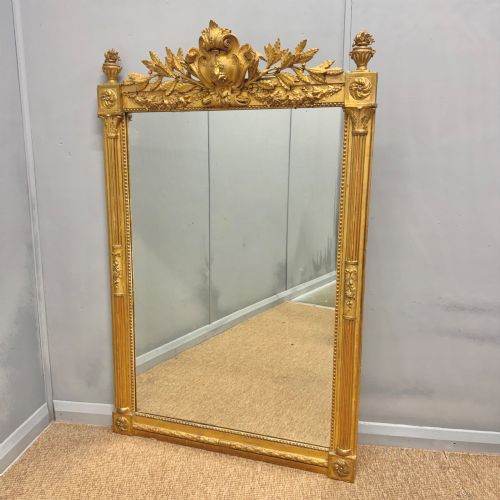
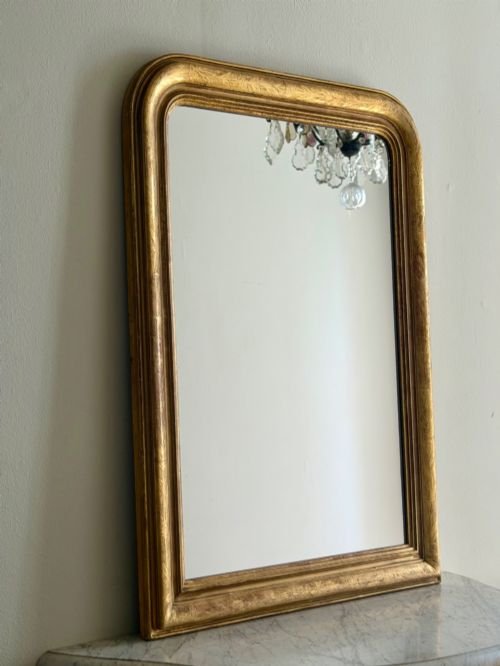
French designs such as the Louis Philippe and Napoléon III styles appear alongside English country house pieces. Makers constructed these mirrors to reflect hearth fire and amplify daylight in principal rooms.
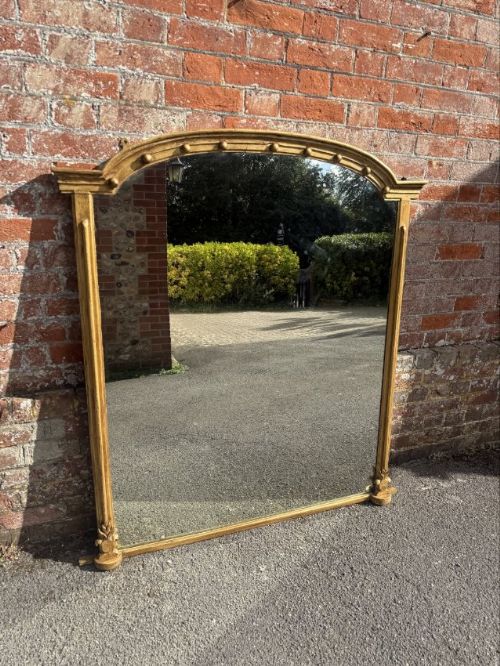
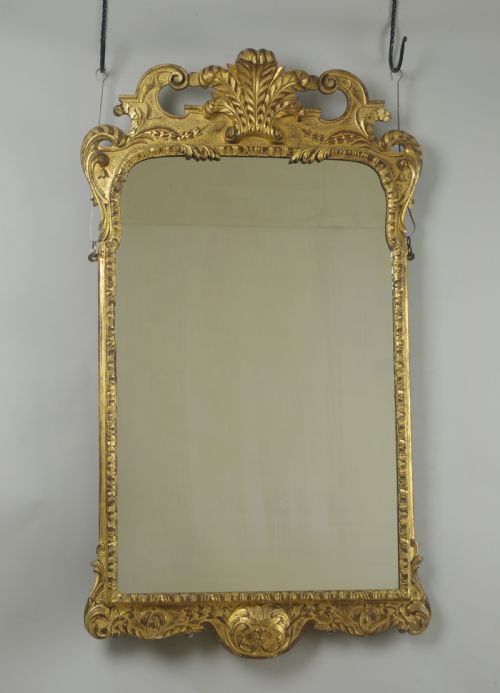
Formats range from simple rectangular frames to arched tops, shaped crests, and large leaner mirrors. Many examples display the substantial scale typical of nineteenth-century reception rooms.
Materials and construction
Makers carved wooden foundations from timbers such as pine or hardwood, then applied layers of gesso to build up decorative moulding and relief ornament. Craftsmen applied gold leaf or water gilding over the prepared surface to achieve a bright metallic finish.
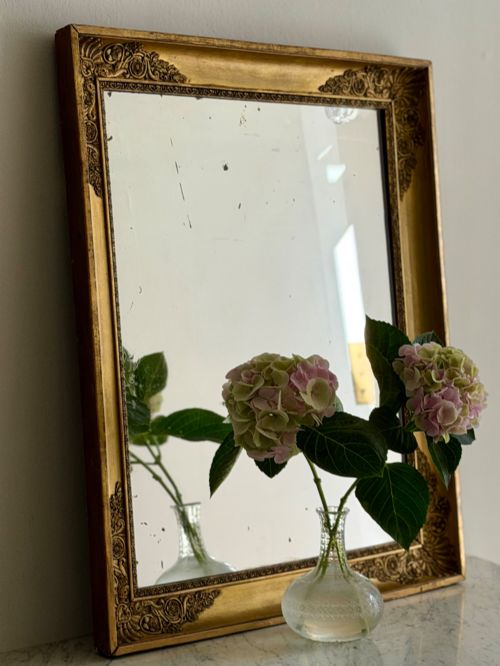
Many French examples retain original mercury glass plates, frequently showing foxing and age spots. English pieces incorporate carved wood and gesso frames with arched or rope-twist details.
Listings span the eighteenth and nineteenth centuries, featuring styles from Regency to French Louis Philippe.
Judging quality in a gold overmantel
The crispness of the carved wood and gesso ornamentation dictates visual success. Hand-carved detail displays sharp undercut relief, whereas mass-produced or heavily restored mouldings appear softer and less defined.
Original mirror plates retain historic character, particularly mercury glass with natural foxing. The integrity of the original gilding, whether water gilt or leaf, determines the overall presence of the piece on the wall.
Arsène Rochette of Versailles
The Gold Overmantel Glossary
- Gesso
- A plaster-like mixture applied to wood frames to create a smooth surface for gilding. Artisans carved intricate decorative motifs directly into this dried layer.
- Mercury glass
- A type of mirror plate produced by coating the back with a silver and mercury amalgam. It creates a deep, dark reflection with characteristic foxing over time.
- Giltwood
- Timber coated with gold leaf or metallic powder. This finish protects the wood while providing a luminous reflective surface.
- Overmantel
- A mirror or painting specifically scaled to hang on the wall directly above a fireplace mantel. These pieces anchor the chimney breast within the room scheme.
- Water gilding
- A traditional technique using liquid size to adhere gold leaf to gesso. The finish accepts burnishing to produce a bright shine.
Gold Overmantel: Frequently Asked Questions
How do I hang a heavy overmantel mirror safely?
These large mirrors require secure attachment directly into structural wall studs or masonry. Professional mirror fixings distribute the considerable weight of the wood and glass frame evenly.
Position the frame centrally above the fireplace shelf, leaving a modest clearance gap between the mantel and the bottom edge of the mirror.
Why do some mirror plates look spotted?
Foxing and dark spots occur as the backing material behind the glass degrades over decades. This ageing process is typical of mercury glass plates found in nineteenth-century mirrors.
Collectors prize original plates with authentic foxing because the marks confirm historic age rather than modern reproduction.
Can I place an overmantel on a mantelpiece?
Leaner mirrors rest directly on the wooden or stone shelf of the fireplace, secured to the wall with discreet brackets for safety. This placement follows historical practice in nineteenth-century drawing rooms.
Hanging the frame slightly higher allows the glass to capture reflections from across the entire floor space.
How do I clean an antique gilded frame?
Dust the carved gesso surface gently with a soft dry brush to remove particles without disturbing the gold leaf. Avoid liquid cleaners and chemical sprays, which strip historic finishes.
Old gilding is delicate and responds best to minimal handling and stable indoor humidity levels.