


Rococo Side Table
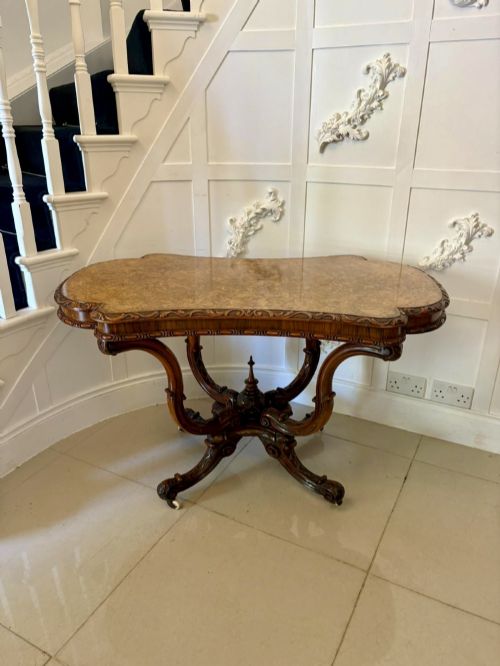
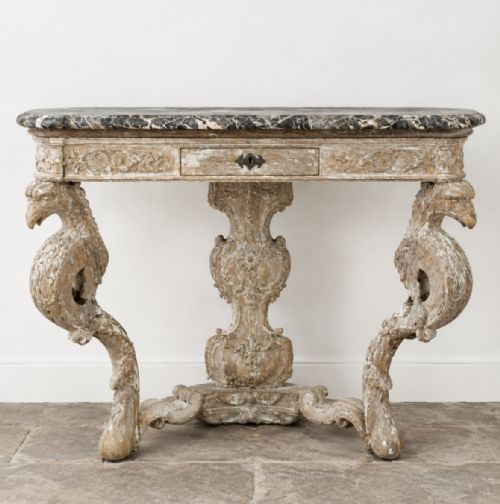
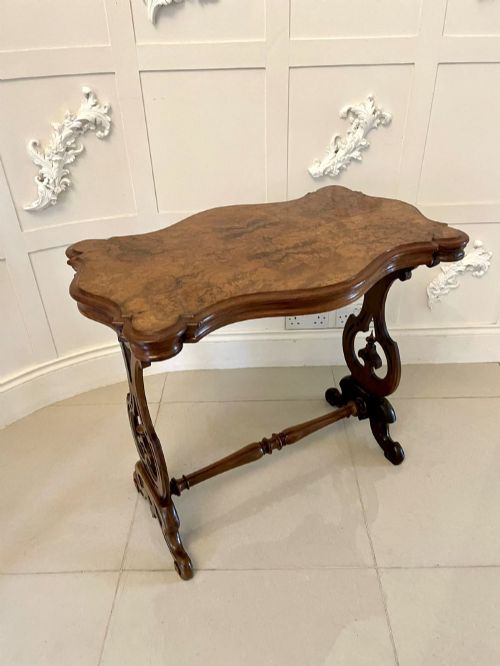
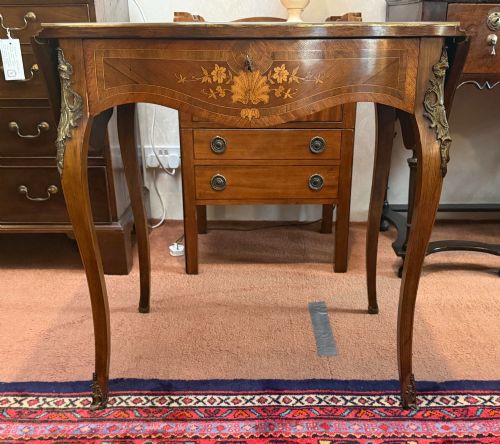
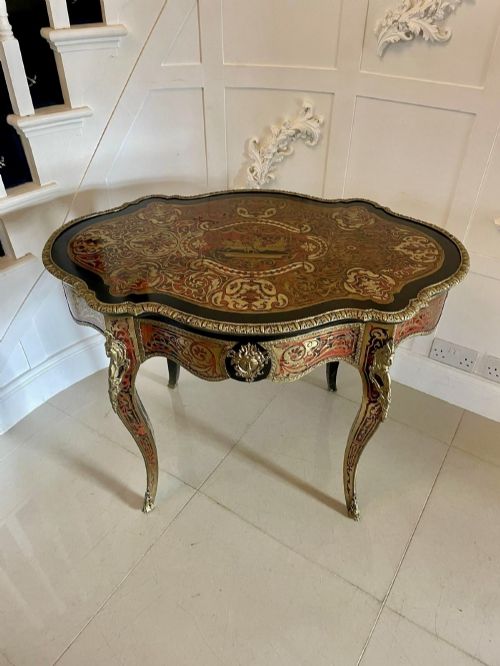
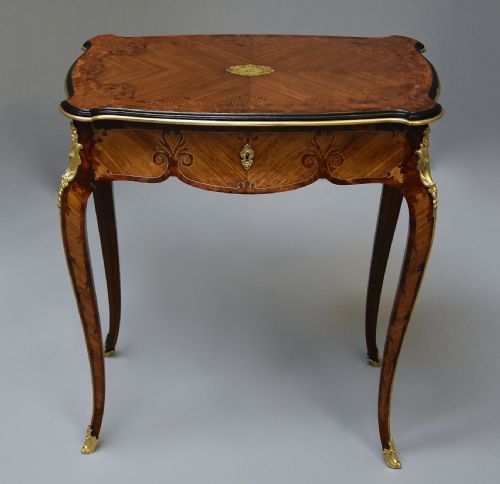
A rococo side table brings sweeping curves, floral marquetry and gilt mounts into a room, offering both surface space and a decorative focal point.
Rococo Side Table
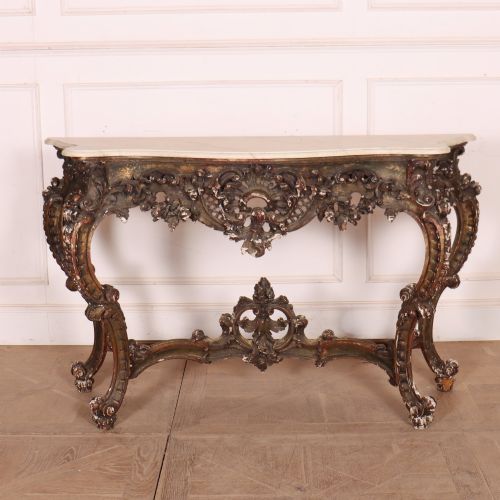
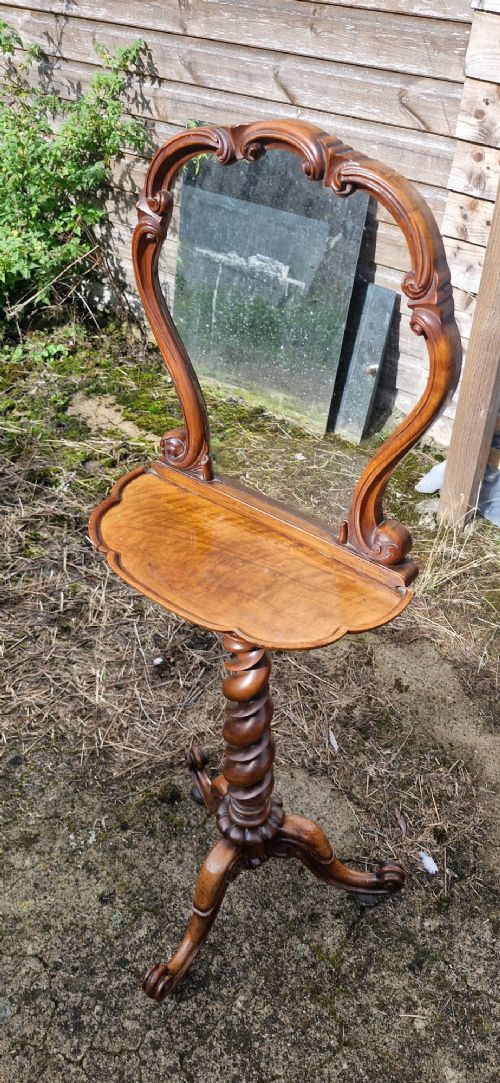
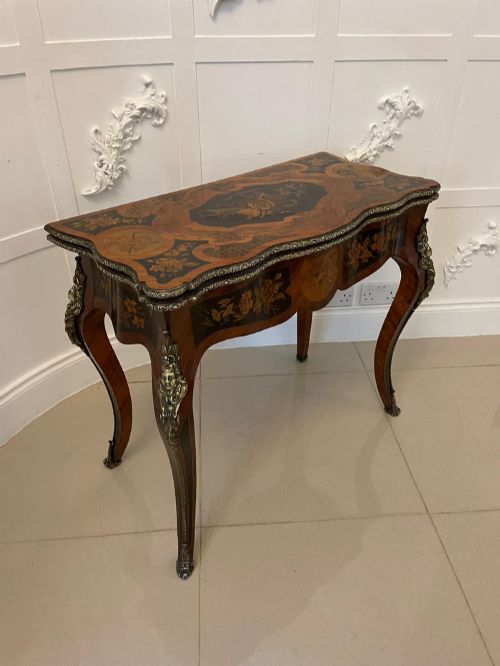
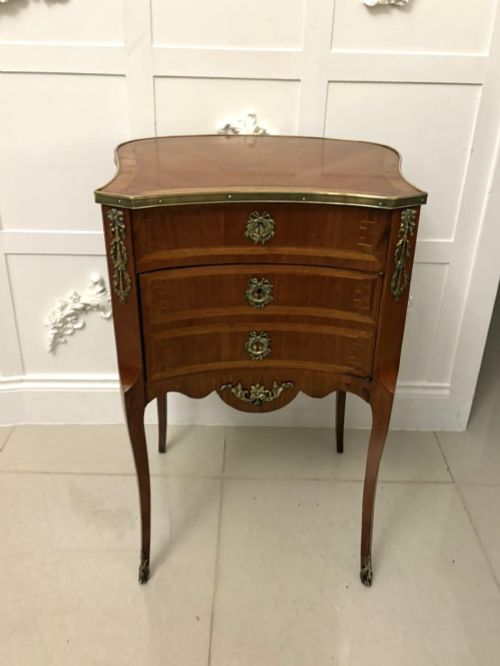
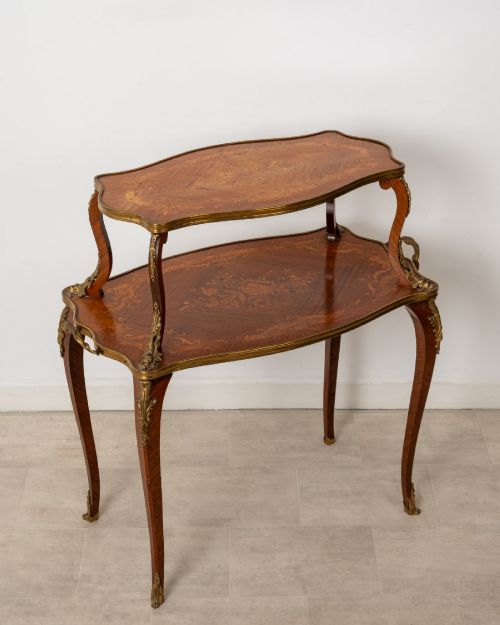
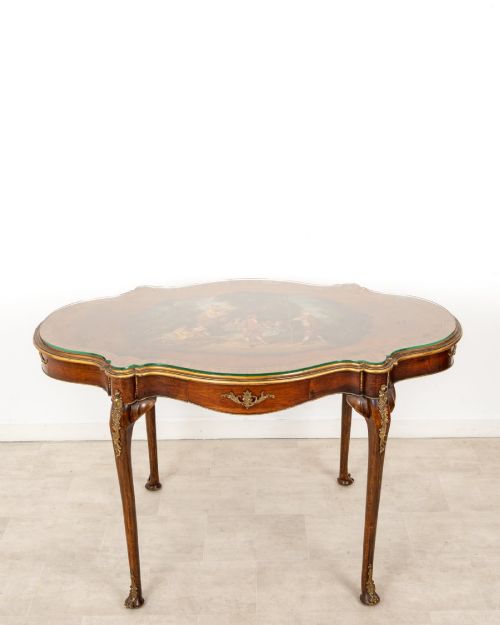
When you search for a rococo side table, you encounter pieces that span from the eighteenth century into the twentieth century, with nineteenth-century revivals forming a large portion of the selections. These include serpentine console tables, occasional tables, centre tables, and two-tier étagères designed for display and everyday use.
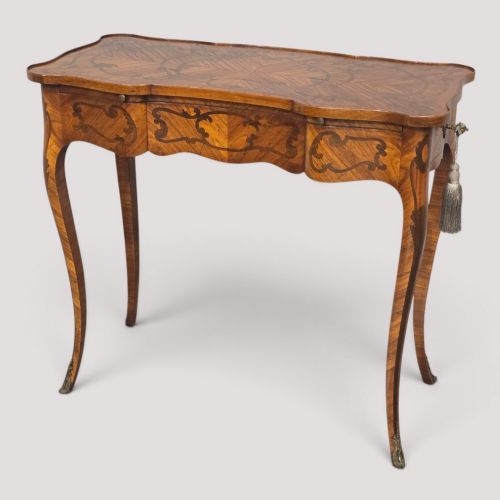
Origins stretch across French, English, and Continental workshops, showing diverse expressions of asymmetric scrolls and naturalistic motifs. Whether configured as a card table, a writing desk, or a compact bedside cabinet, each shares the characteristic fluidity of line.
Materials and Construction
Cabinet makers utilised dense hardwood foundations of walnut, mahogany, and kingwood, often enhanced by intricate marquetry and parquetry geometric patterns using satinwood and various exotic veneers. These wooden elements provide the structural core beneath decorative surfaces.
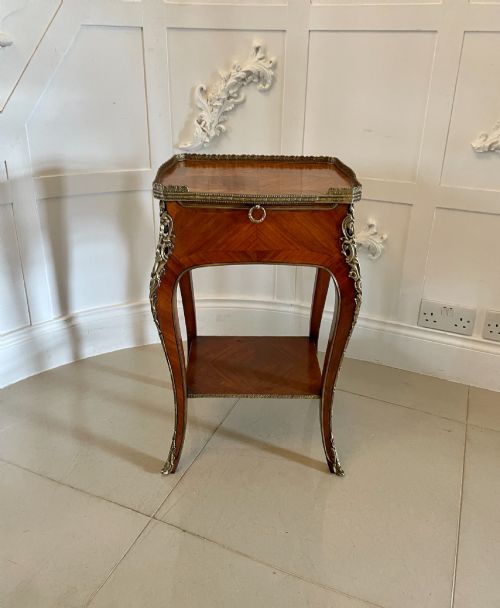
Metal ornamentation played a central role, featuring cast and chased ormolu, gilt bronze, and brass mounts fixed to corners, aprons, and legs to accentuate the organic contours. Tabletops frequently incorporate slabs of shaped marble, such as rouge or figured varieties, resting within wooden frames.
Giltwood and gesso techniques appear on carved frames and console tables, providing a bright reflective finish that highlights the deep relief work. Construction methods include sophisticated folding mechanisms for games tables and precise joinery to support serpentine fronts.
Rococo Side Table Retail Price Guide 2026
Typical asking prices for rococo side table among the pieces listed under this phrase on Sellingantiques today, from the lower quarter to the upper quarter. They describe what is for sale here now, not the wider market.
Card tables hide clever folding mechanisms beneath their felt-lined tops, ready to transform a side surface into a gaming arena.
Assessing Craftsmanship
The refinement of the carving and the crispness of the gilt bronze or ormolu mounts dictate the upper tier of execution. Hand-chased metalwork and deeply undercut wood carving demonstrate an investment of artisan time that separates standard production from superior pieces.
Veneer selection and the precision of the marquetry layout reveal the maker's skill, particularly where intricate floral sprays wrap around serpentine curves. Superior examples maintain structural integrity alongside delicate proportions, ensuring that decorative mounts and inlaid panels remain flush and secure over centuries.
Joseph Emmanuel Zwiener
The Rococo Side Table Glossary
- Ormolu
- Gilt bronze mounted onto furniture and decorative objects through a mercury amalgamation process or modern electroplating. This technique gives metallic highlights a rich golden lustre.
- Marquetry
- Inlaid wood veneers assembled to form pictorial or decorative patterns across a tabletop or drawer front. Craftsmen cut contrasting timbers to fit precisely within the background veneer.
- Serpentine
- A furniture front or tabletop shaped with a central concave curve flanked by two convex sweeps. This contour defines many refined case pieces and tables.
- Console table
- A table designed to stand against a wall, traditionally supported by two front legs or wall brackets. Eighteenth-century versions frequently featured heavy carved giltwood frames beneath marble surfaces.
- Étagère
- An open tiered piece of furniture used for displaying small objects and lamps. Multiple platforms are connected by slender uprights or supports.
Rococo Side Table: Frequently Asked Questions
How do I clean a marble top?
Wipe the surface gently using a soft cloth dampened with warm water and a neutral, non-abrasive soap. Avoid acidic cleaners, vinegar, or citrus solutions that etch the stone.
Dry the marble thoroughly with a clean microfibre cloth to prevent water spots and maintain the natural sheen of the polished mineral.
Where should I place a console table?
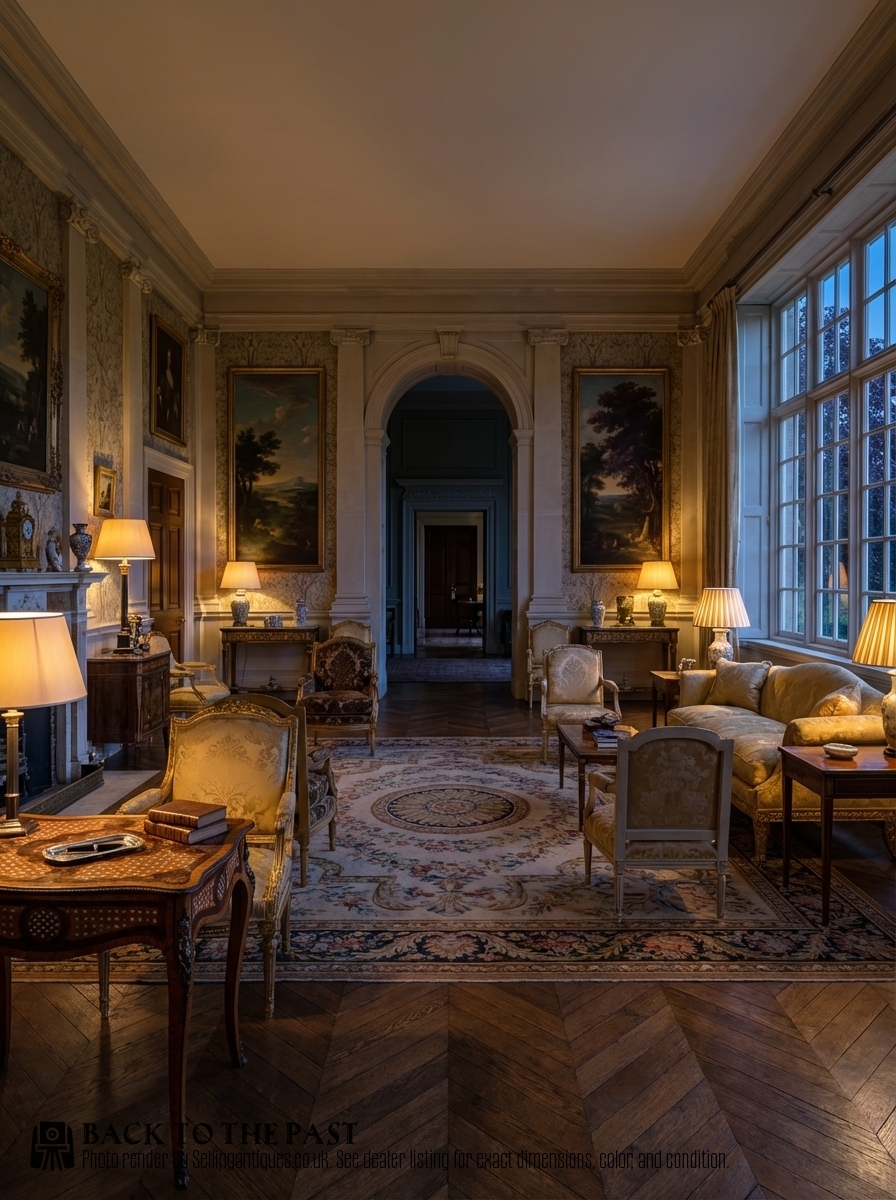
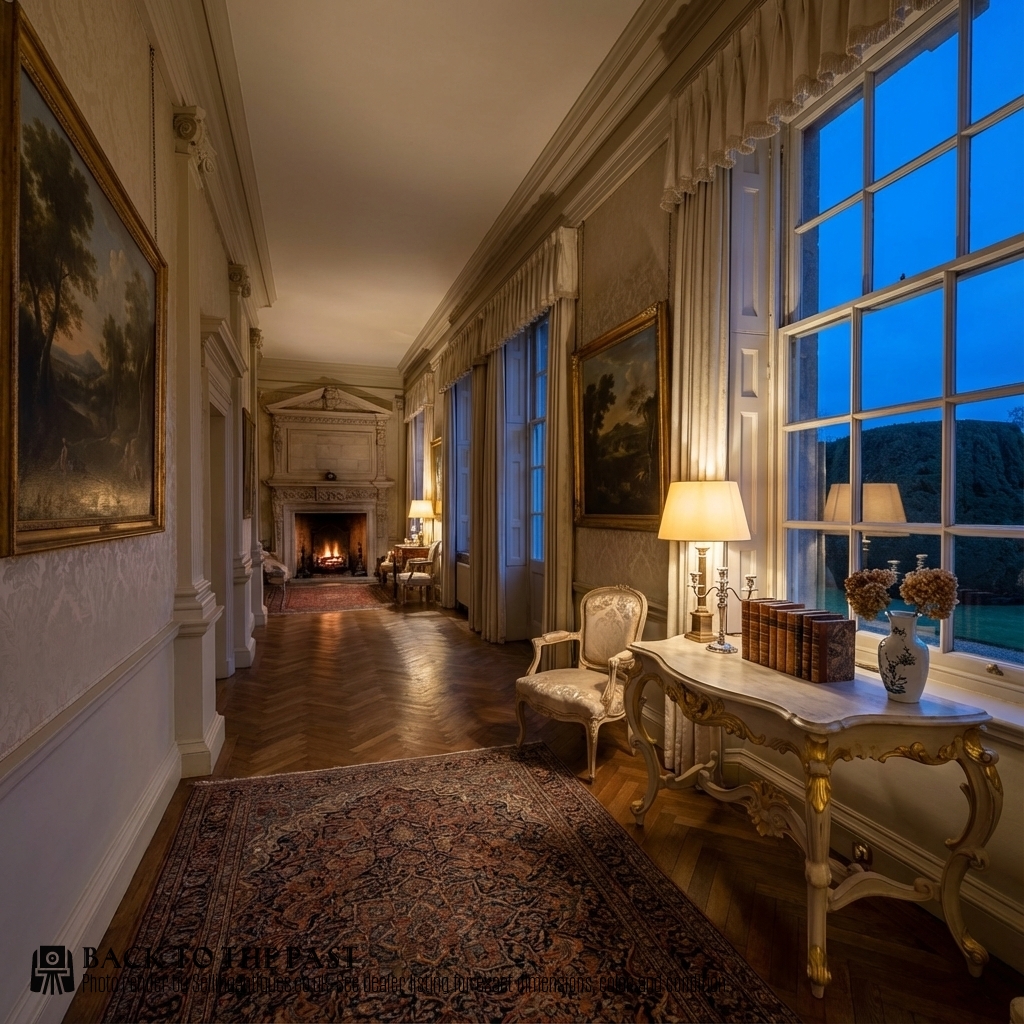
Position a console table against a primary wall in an entryway, hallway, or living room to create an immediate visual anchor. Many pieces include wall fixings or brackets for stability due to their narrow footprints.
Ensure the height complements nearby seating or mirrors, allowing space for lamps, books, or decorative objects without obstructing pathways.
How do I care for ormolu mounts?
Dust the metal mounts regularly with a dry, soft artist's brush to remove particles from recessed crevices. Avoid harsh chemical polishes that strip the original gilding.
Apply microcrystalline wax sparingly if protection against tarnishing is necessary, buffing gently with a clean cloth after application.
How do I distinguish revival pieces?
Nineteenth-century revival pieces often display machine-sawn timber marks, standardised screw heads, and modern adhesive traces beneath the veneer. Examining the secondary woods inside drawers and internal framing reveals the true era of construction.
Stylistic proportions also offer clues, as Victorian and Edwardian makers frequently combined Louis XV motifs with heavier structural proportions suited to contemporary domestic spaces.