



Rococo Porcelain Ornament
A rococo porcelain ornament captures the theatrical flair and graceful asymmetry of the mid-eighteenth century through delicate figurative sculpture.
Rococo Porcelain Ornament
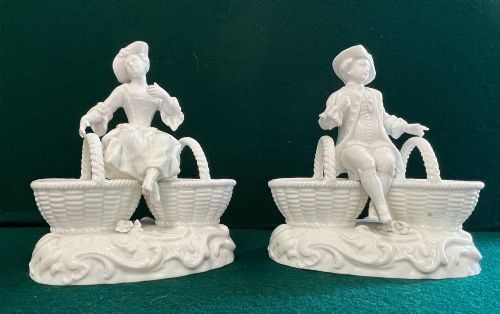
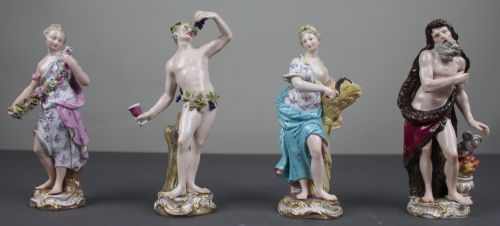
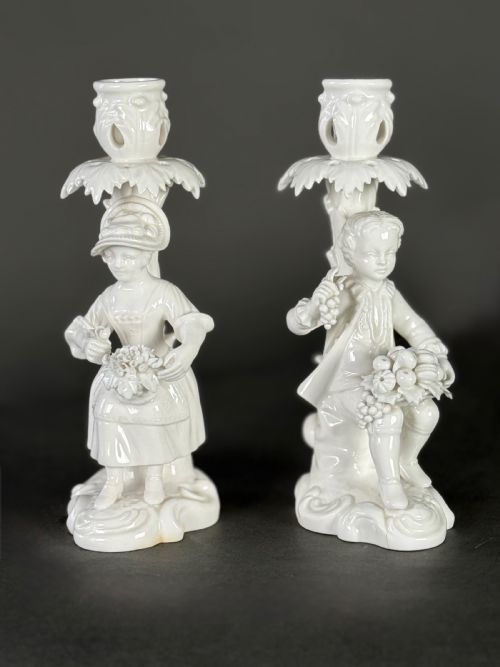
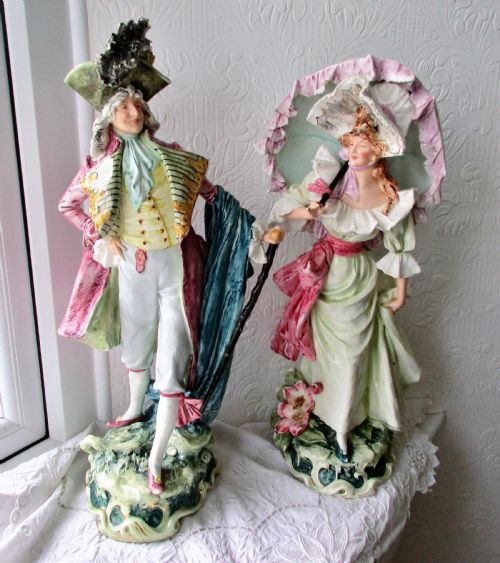
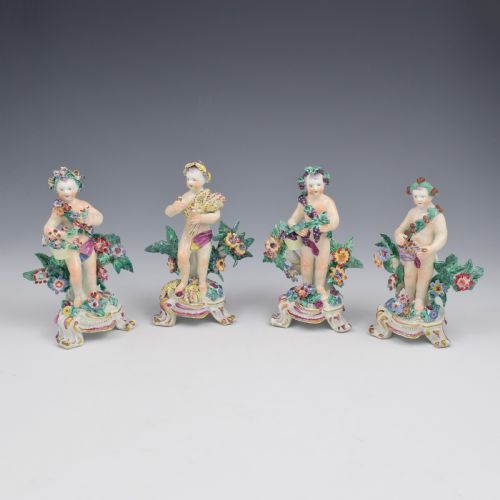
A rococo porcelain ornament encompasses sculptural tableaus, individual figures, and candlesticks originating from major European factories during the eighteenth and nineteenth centuries. These pieces typically depict pastoral characters, allegorical figures representing seasons or elements, and romantic couples framed by scrolling foliage.
The objects derive from the aesthetic movements of the Georgian and Victorian eras, drawing heavily upon French Chateau designs and Rococo Revival styles. Buyers frequently encounter detailed figurines and pairs of figures modelled as musicians, street traders, and mythological subjects.
Manufactured across English and continental workshops, these ornaments serve as decorative centrepieces that reflect historical tastes for elaborate interior ornamentation. The selection includes both soft-paste and hard-paste porcelain creations spanning multiple periods from the seventeen-fifties onward.
How They Were Made
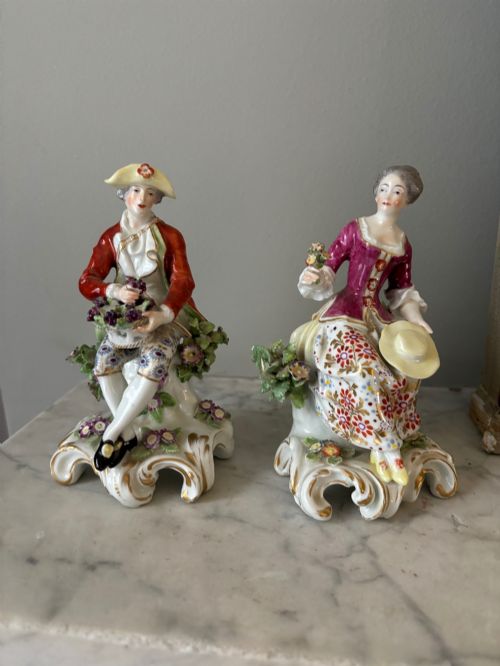
Craftsmen shaped these ornaments using soft-paste or hard-paste porcelain bodies moulded in sections and assembled by hand before kiln firing. Artisans applied liquid clay details, such as applied floral foliage known as bocage, directly to the damp porcelain surface.
Makers finished the pieces with intricate hand-painted enamels, gilding, and gold leaf accents to highlight the sculptural contours. Subsequent low-temperature firings fixed the polychrome colours and metallic highlights onto the glazed ceramic body.
Listings feature hard-paste and soft-paste porcelain pieces decorated with enamel, gold leaf, and gilding across the eighteenth, nineteenth, and twentieth centuries.
What Varies in Quality
Quality rests upon the crispness of the modelling and the precision of the hand-painted enamels across the figure's face and drapery. Superior examples maintain sharp relief in delicate extremities and foliage, whereas inferior items display blurred surface details.
The sophistication of the factory mark and the fluidity of the asymmetrical rococo scrollwork separate standard production pieces from masterworks. Better proportioned compositions retain structural stability without excessive kiln distortion.
Meissen·Edme Samson·Bow Porcelain·Longton Hall·Chelsea·Volkstedt·Derby·Samson Paris·La Coutille Factory·Letu and Mauger·Vion and Baury
The Rococo Porcelain Ornament Glossary
- Bocage
- An ornamental background of applied porcelain leaves and flowers that frames eighteenth-century figures. This foliage technique creates a leafy arbour effect behind the central subject.
- Hard-paste porcelain
- A durable ceramic composition fired at very high temperatures using kaolin and petuntse. This material produces a dense, bright white body that resists scratching.
- Soft-paste porcelain
- An early ceramic mixture containing glass frit and white clay that requires lower firing temperatures. This formula yields a warmer tone and a softer glaze texture.
- Gilding
- The application of gold leaf or powdered gold onto the porcelain surface for decorative enrichment. Artisans burnish this metallic layer to achieve a bright reflective finish.
- Enamel
- Coloured vitreous paint fused to the glazed ceramic surface during a secondary firing. These mineral pigments provide the polychrome palette found on robes and naturalistic bases.
Rococo Porcelain Ornament: Frequently Asked Questions
How were porcelain ornaments used?
Owners displayed these decorative objects upon mantelpieces, side tables, and dining room centrepieces to signal cultural refinement during formal gatherings.
Some specialised forms, such as candlesticks and ewers, combined functional utility with sculptural ornamentation in wealthy households.
What subjects do these figures represent?
The compositions frequently portray pastoral shepherds, travelling musicians, allegorical representations of the seasons, and romantic couples in theatrical poses.
Mythological figures and allegories of natural elements also appear regularly among the modelled groups.
How do I distinguish eighteenth-century pieces from nineteenth-century revivals?
Examinations of paste composition, underglaze factory marks, and the subtlety of the enamel painting help differentiate period output from later copies.
Revival pieces often utilise brighter chemical pigments and heavier porcelain bodies compared to earlier manufacturing standards.
Where were most rococo porcelain figures made?
Production centred around renowned European ceramic factories located in Germany, France, and England during successive historical eras.
Major hubs included Meissen in Saxony, Derby and Bow in England, and various porcelain workshops operating in Paris.