



Antique Porcelain Carriage
These antique porcelain carriage pieces are striking clocks, figural flower carts, and vases made during the nineteenth century.
Antique Porcelain Carriage
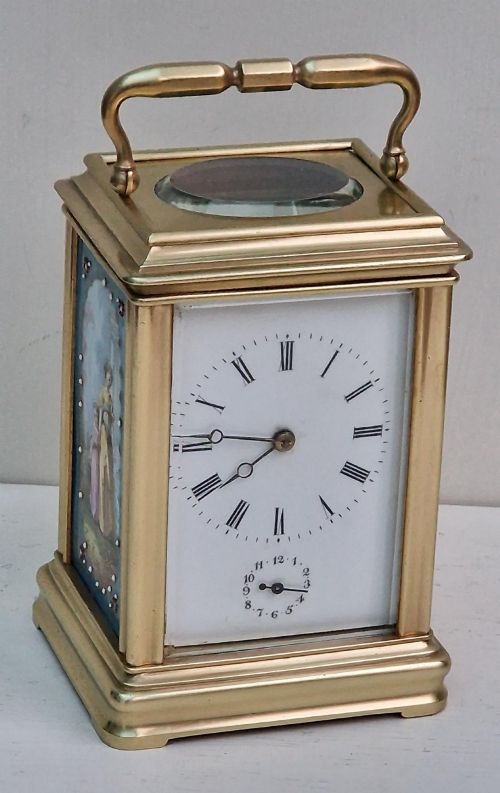
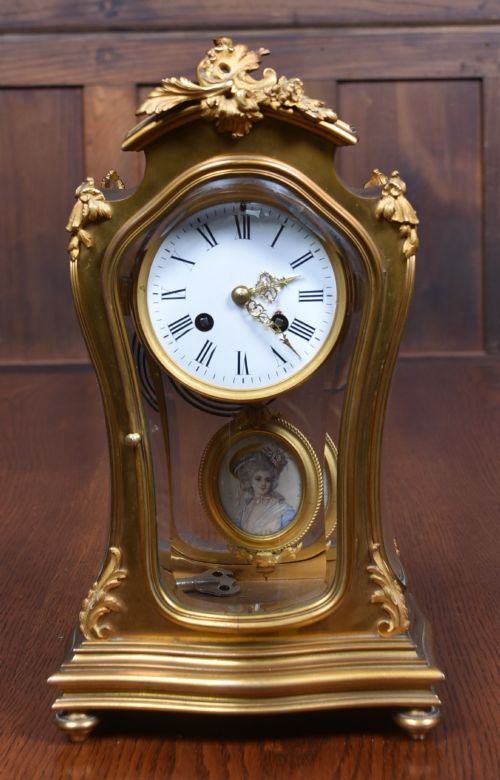
An antique porcelain carriage piece encompasses carriage clocks, carriage timepieces, mantel clocks, and crystal regulators featuring porcelain panels or dials. The Victorian and French nineteenth-century periods dominate these gatherings, bringing elaborate timekeepers and decorative items into view.
Beyond horology, the selection extends to porcelain figurines, figural flower carts, and chariot vases. These sculptural objects combine ceramic modelling with nineteenth-century decorative styles.
French rococo revival and second empire influences shape the decorative carriage clocks and vases seen here. Buyers encounter pieces equipped with enamel panels, frets, columns, and hand-painted miniatures.
Materials and construction
Maker workshops built the clock housings using brass, gilt brass, and gilt bronze, often incorporating glass panels or crystal regulator cases. Gilding adds surface reflection to the metal mounts that frame the ceramic components.
Porcelain and enamel provide the media for painted dials, miniature scenes, and decorative panels set into the metal frameworks. Ceramic sections undergo high-temperature firing before receiving hand-painted details.
Antique Porcelain Carriage Retail Price Guide 2026
Typical asking prices for porcelain carriage among the pieces listed under this phrase on Sellingantiques today, from the lower quarter to the upper quarter. They describe what is for sale here now, not the wider market.
One listed clock includes a signed miniature by Rodier, proving that even travellers needed a tiny portrait to keep them company.
Judging quality in these items
The refinement of the porcelain painting dictates the visual success of a panel or figurine. Hand-painted miniatures and carefully rendered floral scenes demonstrate greater artistic investment than simpler plain dials.
Metalwork execution separates standard production from finer examples. Cast brass frames with detailed frets, columns, and consistent gilding provide a robust architectural housing for the internal clockwork and ceramic inserts.
Rodier·Kister·Scheibe-Alsbach·Drocourt
The Antique Porcelain Carriage Glossary
- Carriage clock
- A portable spring-driven clock originally designed for travel during the nineteenth century. These timepieces typically feature a rectangular brass case with glass or porcelain panels.
- Crystal regulator
- A clock housed in a glass-panelled case that reveals the internal movement from multiple sides. Enamelled or porcelain dials frequently accompany these brass-framed structures.
- Repeater
- A clock mechanism that chimes the hours and quarters upon pressing a button. This complicated feature appears in select nineteenth-century carriage clocks.
- Gilt bronze
- Copper alloy coated with a layer of gold. This material provides durable decorative mounts for clock cases and ornamental objects.
- Figurines and ornaments
- Sculpted ceramic figures and decorative carts produced in European potteries. These pieces employ moulded porcelain finished with detailed painting.
Antique Porcelain Carriage: Frequently Asked Questions
What is an antique carriage clock?
A carriage clock is a portable timepiece developed in the nineteenth century for travellers, housed in a brass case with glazed or porcelain panels.
Many examples include carrying handles on top and visible escapements through the dial glass.
How do crystal regulators differ?
Crystal regulators feature glass panels on all sides of the brass frame, allowing light to pass through and illuminate the movement.
These clocks often incorporate coloured porcelain dials or decorative painted panels.
What are porcelain figural flower carts?
Figural flower carts are sculptural ceramic objects depicting wheeled carriages or carts laden with flowers.
Produced by nineteenth-century European potteries, they serve as decorative ornaments rather than timekeepers.
How are these clocks dated?
Dating relies on mechanical styles, case construction, and maker signatures recorded during the nineteenth century.
Victorian and French second empire design cues help narrow the period of manufacture.