



Rococo Hanging Lantern
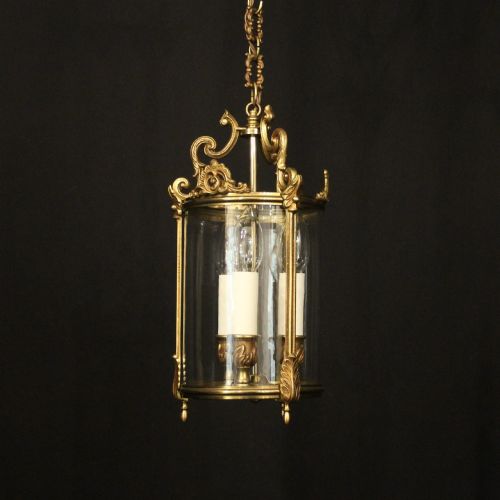
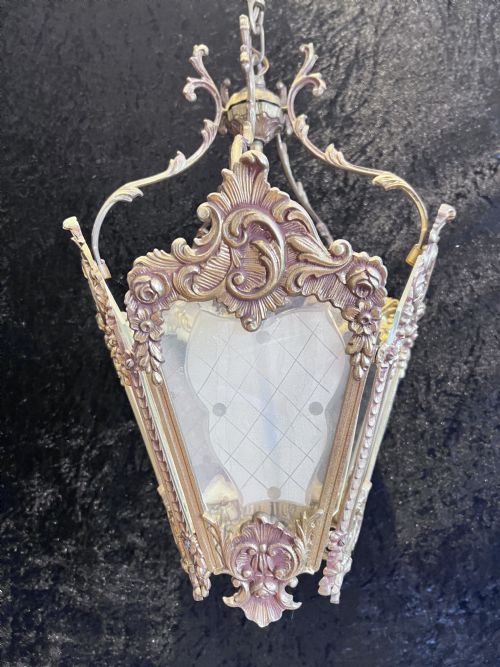
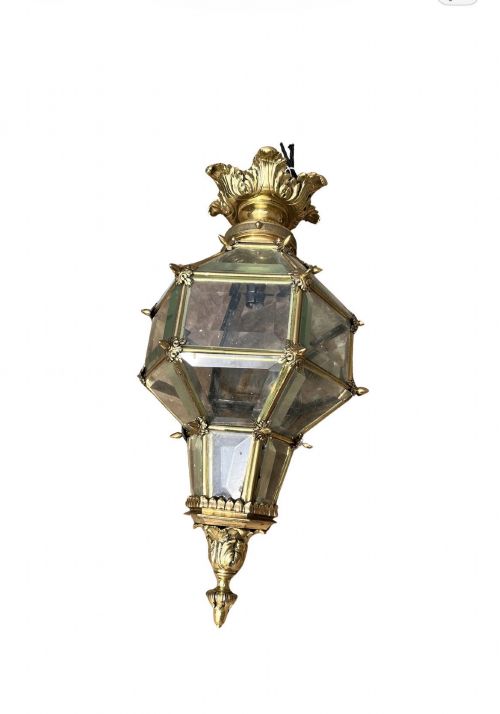
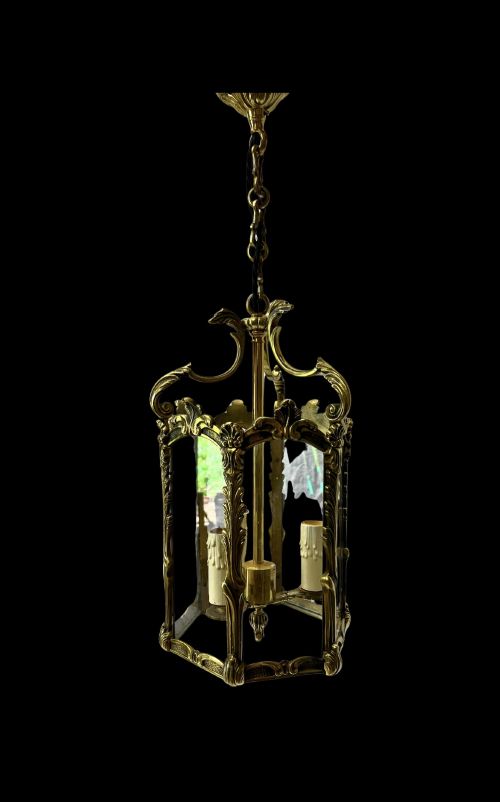
These rococo hanging lantern examples combine fluid asymmetry and luminous brass or bronze, bringing dramatic antique illumination to any hallway.
Rococo Hanging Lantern
A rococo hanging lantern provides overhead illumination through intricate metalwork and glass panes, taking forms such as hall lanterns, ceiling lights, and pendant lights. When you search for rococo hanging lantern, you are looking at fixtures designed to catch the eye in entranceways and principal rooms.
The pieces available span from the nineteenth century into the twentieth century, with notable representation from the nineteen-twenties and nineteen-thirties. You will frequently encounter French and Italian interpretations, often drawing on earlier eighteenth-century designs.
Makers and designers channel styles including French Rococo, Rococo Revival, and Edwardian aesthetics. These pieces serve as functional ceiling lighting while retaining the ornamental flourishes typical of the movement.
How They Were Made
Makers constructed these lanterns using cast metals such as brass, bronze, gilded bronze, and silvered bronze, frequently pairing them with transparent or bevelled glass panes. Some examples incorporate toleware and giltwood elements, adding painted polychrome or gilded surface decoration.
The production relies on traditional foundry and metalworking techniques, involving detailed chasing and casting to achieve the characteristic scrollwork and organic motifs. Structural frames hold multiple glass panels together, enclosing single, twin, triple, or four-light configurations.
Rococo Hanging Lantern Retail Price Guide 2026
Typical asking prices for rococo hanging lantern among the pieces listed under this phrase on Sellingantiques today, from the lower quarter to the upper quarter. They describe what is for sale here now, not the wider market.
Listings feature periods spanning from the late nineteenth century through to nineteen-thirty, with brass, bronze, and glass dominating the material palette.
What Varies in Quality
The refinement of the casting and chasing work distinguishes the finer examples, where sculptural details appear crisp and deep rather than soft or shallow. Weight and substance in the brass or bronze framework also indicate a higher grade of manufacture.
The treatment of surfaces - whether through fire gilding, silver gilding, or polychrome paint application - dictates the visual depth of the piece. Additionally, the inclusion of bevelled glass panes instead of plain flat glass elevates the overall execution.
The Rococo Hanging Lantern Glossary
- Rococo Revival
- A nineteenth-century design movement that resurrected the ornate, asymmetrical scrollwork and shell motifs of the original eighteenth-century French movement. This style dominates the decorative vocabulary of these lanterns.
- Gilded Bronze
- Bronze metal that has been coated with a thin layer of gold or gold-coloured alloy to give a rich, reflective metallic finish. It is also known by the French term ormolu.
- Bevelled Glass
- Glass panes featuring an angled edge cut and polished around the perimeter. This treatment catches and refracts light as it passes through the lantern.
- Toleware
- Enamelled or lacquered metalware, typically sheet steel or iron, painted in various colours. It appears on specific regional variations alongside giltwood elements.
- Hall Lantern
- A ceiling-hung lighting fixture specifically scaled and proportioned for entrance halls, corridors, and vestibules. They provide both direct downward light and ambient illumination through their glass sides.
Rococo Hanging Lantern: Frequently Asked Questions
Where should I hang a rococo lantern?
These fixtures suit entrance halls, high-ceilinged landings, and principal reception rooms where overhead clearance allows them to hang freely. Their decorative metalwork and glass panels make them a natural focal point upon entering a space.
Ensure the scale matches the room dimensions so the piece commands attention without obstructing movement underneath.
How are these lanterns electrified?
Many examples have been adapted for modern electrical supplies, housing one or more internal lamp holders concealed within the metal framework. Wiring runs through the suspension chain or rod up to the ceiling rose.
Consult a qualified electrician to check the internal wiring and ensure compatibility with current safety standards before installation.
What is the difference between French and Italian styles?
French interpretations often lean towards refined bronze and gilded brass castings with sophisticated scrollwork and symmetrical or balanced asymmetry. Italian variants frequently integrate giltwood and painted toleware elements for a different decorative texture.
Both draw heavily on historical design precedents from the eighteenth century.
How do I clean the glass panels?
Carefully wipe the glass panes using a soft, lint-free cloth and a mild glass cleaning solution applied to the cloth rather than sprayed directly onto the metal. This prevents moisture from seeping into delicate gilding or antique metal surfaces.
Support fragile glass panels from behind if applying pressure during cleaning.