




French Cast Bronze Light
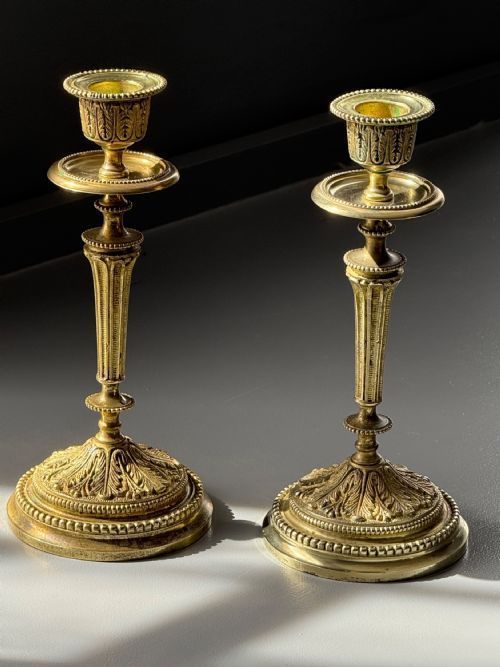
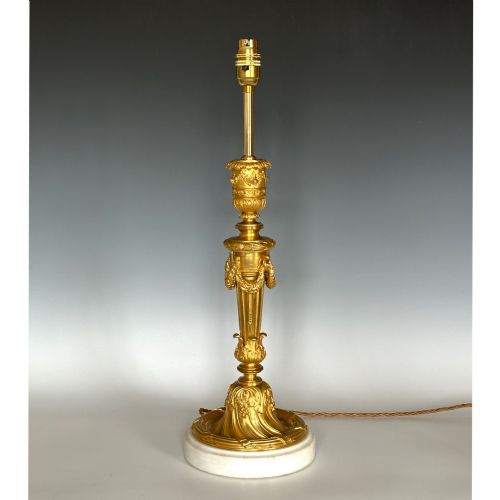
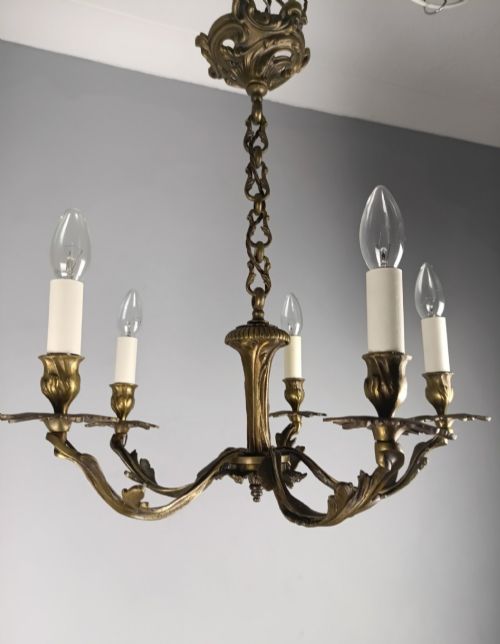
French cast bronze light fixtures bring substantial weight and intricate metalwork to a room, ranging from grand chandeliers to delicate candlesticks.
French Cast Bronze Light
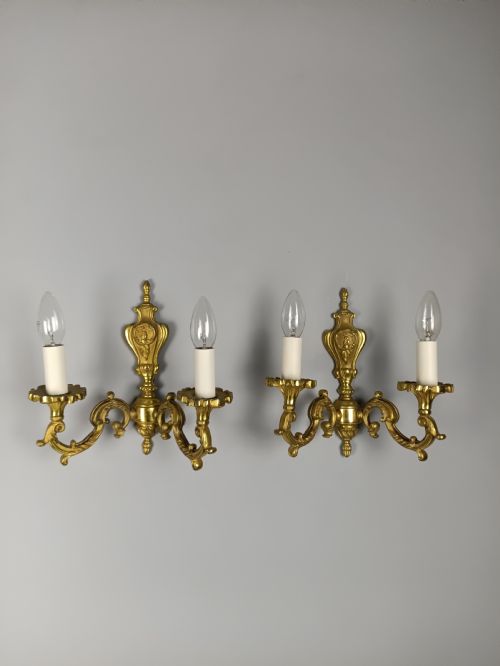
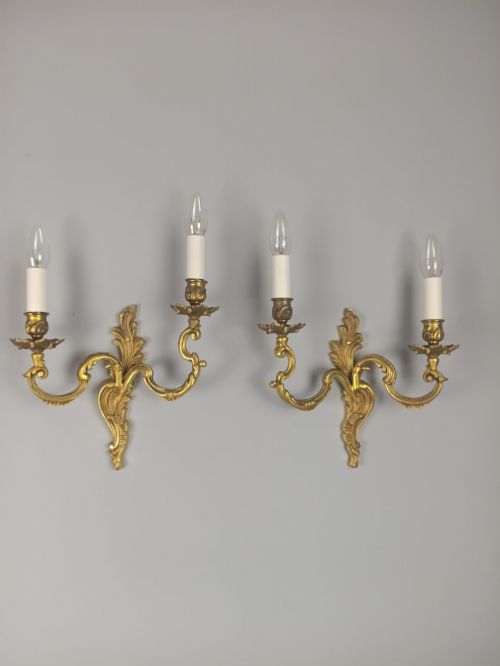
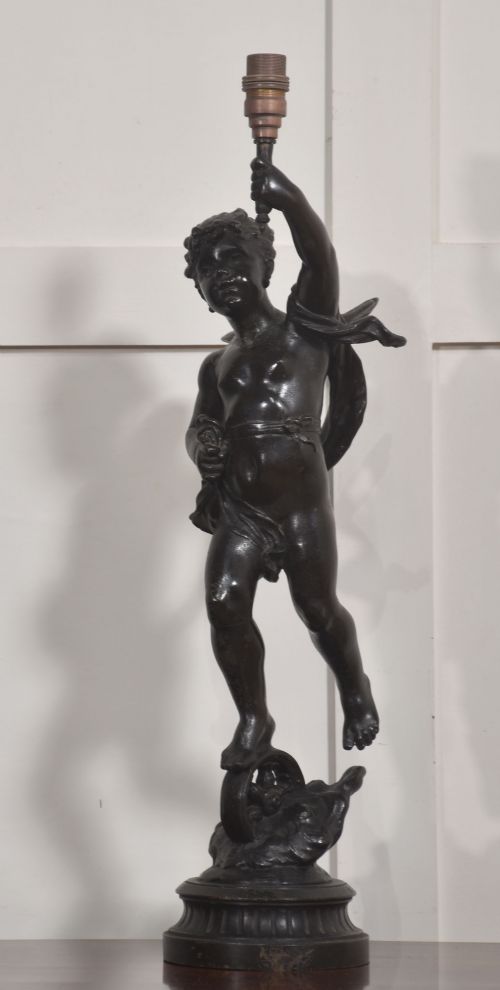
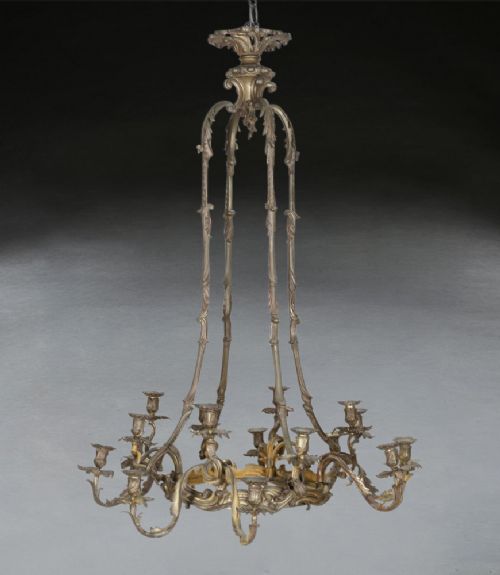
When you search for french cast bronze light, you encounter a diverse range of historic illumination including chandeliers, wall lights, and table lamps. These pieces span the nineteenth and early twentieth centuries, incorporating periods such as Victorian, Art Nouveau, and Art Deco. Table lamps and wall sconces dominate the selection, often taking the form of figural designs or ornate architectural brackets.
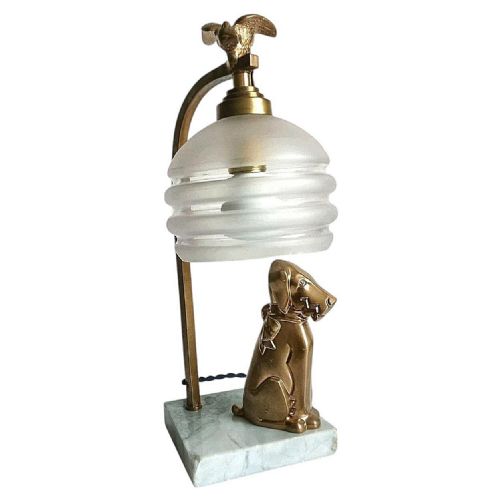
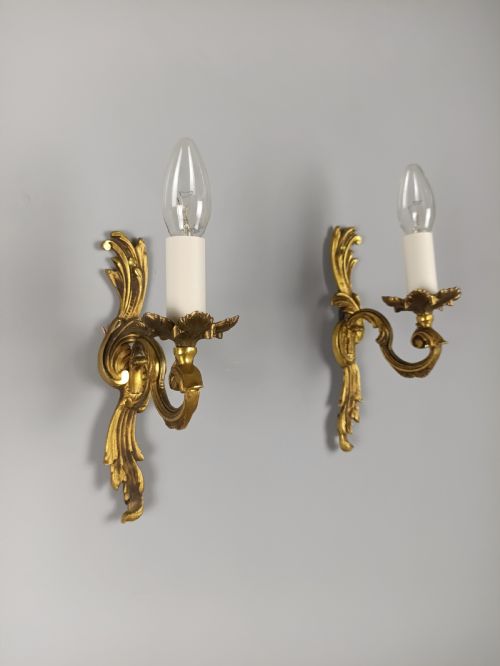
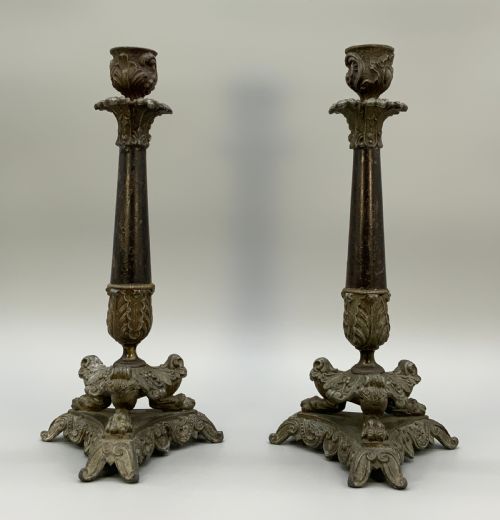
Makers and designers from the late nineteenth century occasionally signed their work, bringing sculptural figures of cherubs, animals, or human forms into domestic lighting. You also meet numerous pairs of wall lights and candlesticks cast in styles that emulate earlier royal French aesthetics like Louis XVI and Rococo Revival.
How They Were Made
Foundries produced these items using traditional metal casting techniques, working primarily with bronze, brass, and spelter. Artisans frequently applied gilding, ormolu, or silver plating to the metal surfaces to create rich metallic finishes.
Many designs integrate secondary materials such as marble bases, cut glass pendants, and fabric shades. The combination of patinated bronze with gilt highlights allowed makers to achieve strong textural contrast.
Listings feature items spanning the nineteenth century up to the 1930s, utilising bronze, brass, spelter, marble, and glass.
What Varies in Quality
Heavier gauge metal and complete, matching sets indicate superior original manufacture. The integration of structural elements, such as multi-tiered chandelier frames and solid marble plinths, dictates the overall architectural presence.
L & F Moreau·Aug. Moreau
The French Cast Bronze Light Glossary
- Ormolu
- A technique of applying finely ground high-carat gold to a bronze object using a mercury amalgam. This process produces a rich, durable golden finish found on decorative mounts.
- Girandole
- A branched wall sconce featuring reflective mirrored glass or polished metal backplates. These fixtures were designed to multiply the flickering illumination of candles.
- Spelter
- An alloy of zinc and lead often used as a less expensive substitute for bronze. It frequently appears in figural table lamps from the early twentieth century.
- Patination
- The natural or chemically induced surface coloration that develops on metal over time. A desirable patina adds depth and character to cast bronze.
- Ewer
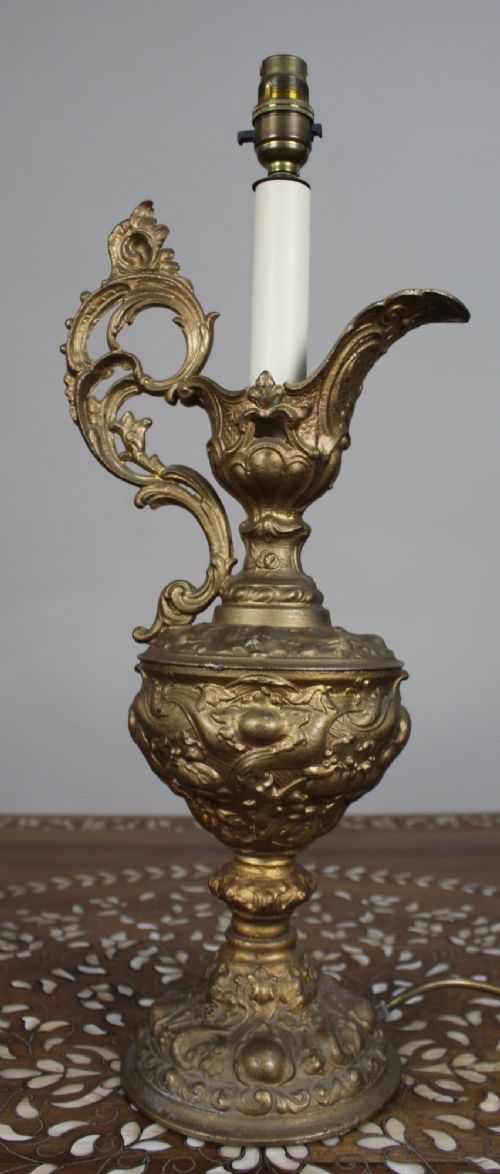
- A large jug with a wide spout and arched handle, occasionally converted into a table lamp. Antique examples mimic historic vessel forms in metal.
French Cast Bronze Light: Frequently Asked Questions
What styles are common?
French cast bronze light fixtures frequently adopt historical or decorative movements such as Louis XVI, Rococo, Art Nouveau, and Art Deco. These styles dictate the ornamentation, from scrolling floral tendrils to geometric lines.
Designers also drew inspiration from the Chinese taste and Baroque aesthetics, resulting in diverse decorative vocabulary across different decades.
How do I identify periods?
Dating relies on stylistic clues, mounting techniques, and material combinations typical of specific eras. Nineteenth-century pieces often display heavy patinated bronze and classical motifs.
Later pieces from the 1920s and 1930s lean into Art Deco novelty shapes or streamlined electrical conversions, occasionally incorporating marble bases.
Were these electrified originally?
Many older pieces started life as candle holders, gasoliers, or oil lamps before undergoing conversion to electricity during the twentieth century. Table lamps and chandeliers frequently show evidence of rewiring and adapted internal components.
Wall sconces and lanterns similarly adapted to take modern bulb fittings while retaining their original cast frames.
Where should I place them?
Wall lights and sconces suit hallways, living rooms, and dining areas where layered illumination enhances architectural details. Candlesticks and table lamps function effectively on sideboards, desks, and occasional tables.
Larger chandeliers and ceiling lanterns require adequate ceiling height and structural support due to the substantial weight of cast bronze.