


French Bronze Hall Lantern
A French bronze hall lantern commands an entryway with enduring metalwork and glass, casting light downwards to welcome visitors.
French Bronze Hall Lantern
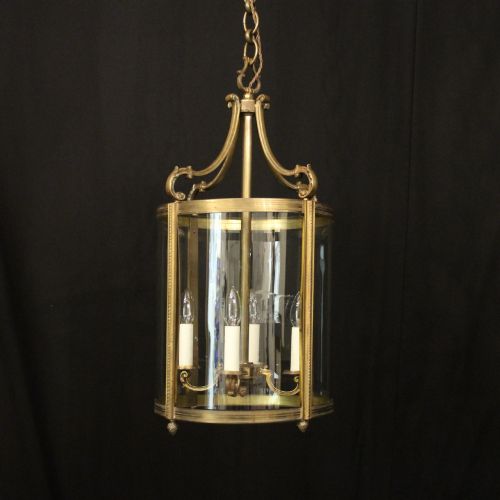
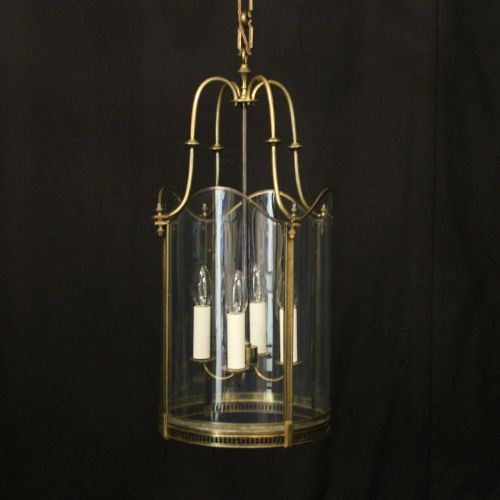
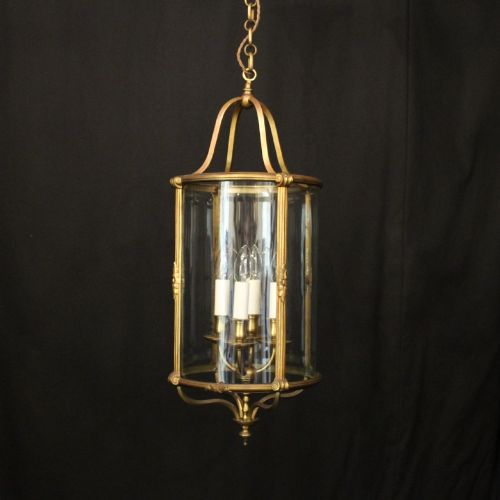
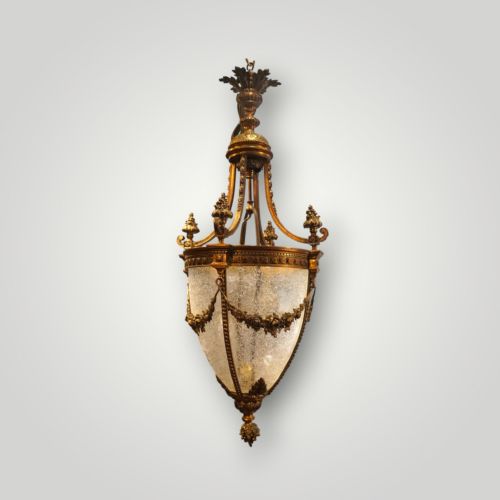
A French bronze hall lantern serves as an impressive ceiling-hung light fixture designed principally for corridors, vestibules and entrance halls. These pieces combine metal frames with glass panels to illuminate transitional spaces while offering decorative presence from above.
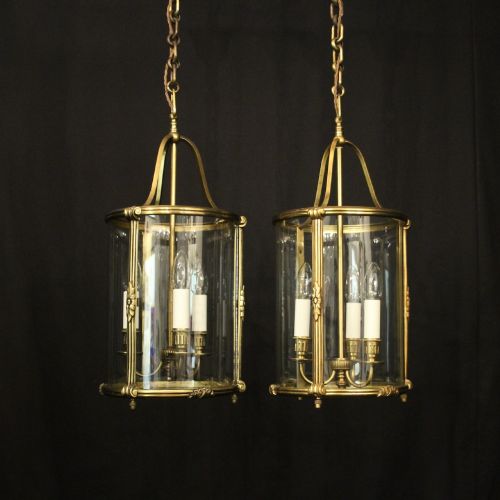
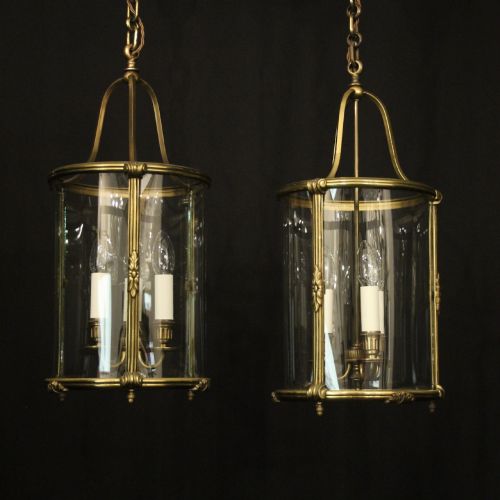
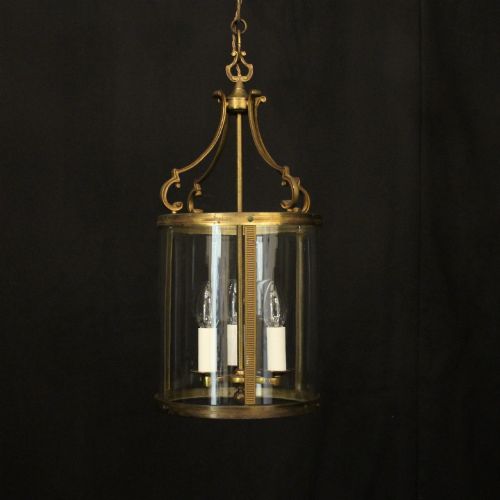
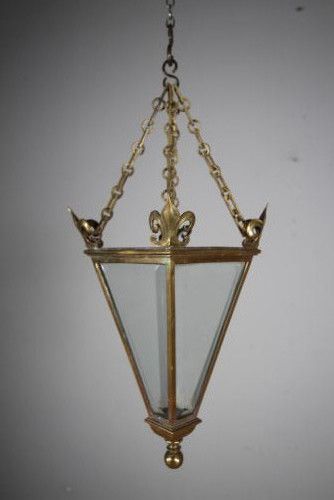
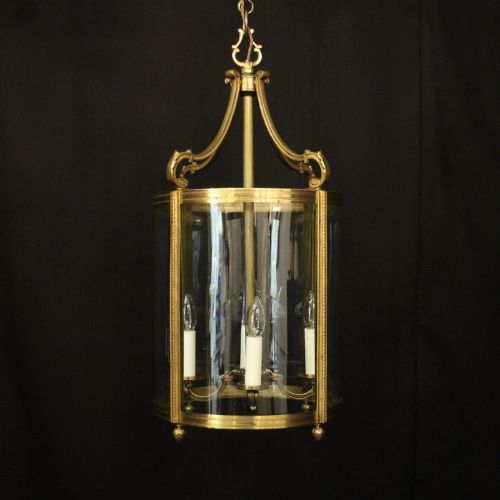
Buyers will encounter single-light fixtures alongside multi-light configurations holding two, three, or four bulbs inside the glazed housing. Convex glass panes and faceted shapes frequently appear, diffusing the internal illumination across entranceways.
Materials and construction methods
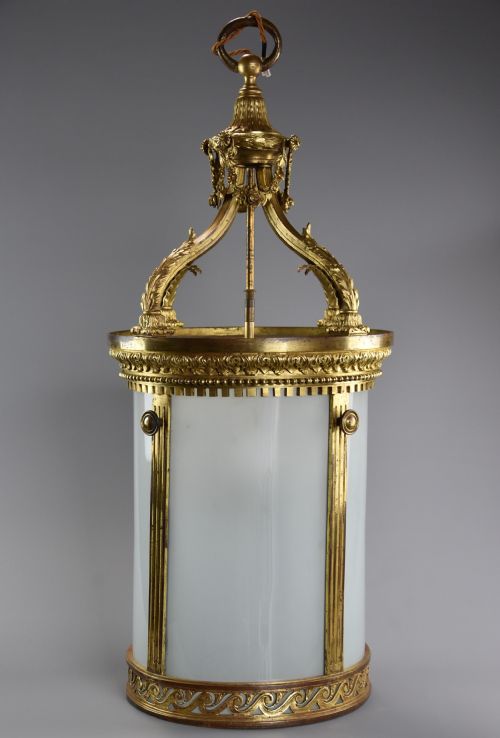
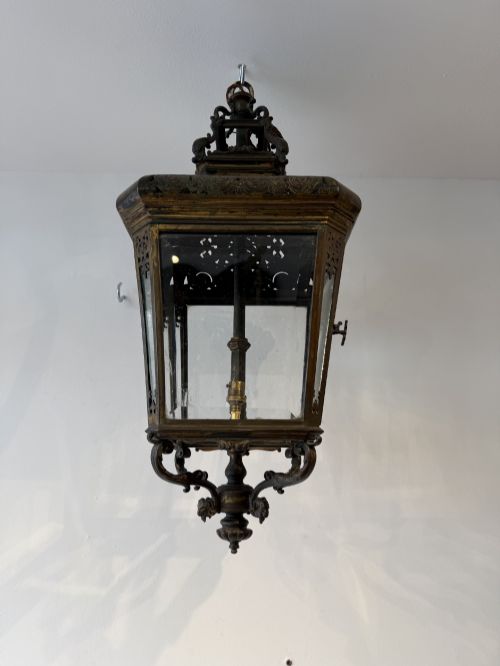
The primary construction relies upon bronze, brass or ormolu frames, often finished with gilt or silver gilding to enhance decorative lustre. These metallic elements are cast and chased to form structural ribs, crests and mounts following classical architectural motifs.
Glazing is integral to the construction, utilising clear, bevelled, etched or opaline glass panels secured tightly within the metal armature. Metalwork and glass are joined with traditional fixings designed to support hanging pendant loads safely from ceilings.
Several lanterns carry direct design echoes of Versailles, bringing palatial corridor glamour right down to ordinary ceiling heights.
What separates fine examples from ordinary ones
The sophistication of the cast metal ornamentation largely dictates the quality tier of a French bronze hall lantern. Finer pieces exhibit crisp chasing, detailed relief work and heavy-gauge bronze or gilt bronze rather than simpler, lighter pressings.
Glass selection also marks distinction, where thick bevelled panes or complex convex curves demonstrate higher manufacturing ambition than flat, plain glass. The integration of robust multi-light internal clusters further elevates the status of the hanging fixture.
Perry And Co
The French Bronze Hall Lantern Glossary
- Ormolu
- Gilded bronze, where a fine layer of gold is applied to a bronze base object. This technique produces a rich metallic surface often seen on decorative French light fittings.
- Convex glass
- Curved panes that bulge outward from the lantern frame. This shape disperses light more widely and adds visual depth to the hanging fixture.
- Bevelled glass
- Glass panes featuring an angled edge ground down along the perimeter. This treatment catches and refracts light as it passes through the lantern housing.
- Gilt bronze
- Bronze metal treated with a gold finish or gold leaf application. It provides a warm, reflective surface suited to formal interior lighting.
French Bronze Hall Lantern: Frequently Asked Questions
How were French bronze hall lanterns used?
These hanging fixtures were traditionally suspended in entrance halls, stairwells and grand corridors to provide welcoming illumination for arriving guests.
Positioned overhead, their glass and metal construction protected the flame or bulb while diffusing light effectively across transitional spaces.
How do I choose the right size lantern?
Consider the scale of your hallway, paying attention to ceiling height and floor area rather than just the width of the doorway. Larger multi-light versions require substantial vertical clearance to hang properly without dominating the passage.
Compact single or twin light models suit narrower vestibules where massive fixtures would obstruct movement.
Are these lanterns wired for modern electricity?
Many surviving examples have been adapted over time to accept modern electrical components while retaining their historic exterior metalwork and glass panels.
Buyers should inspect individual listings to confirm whether internal wiring has been updated or if professional rewiring is recommended for installation.
How do I date a French bronze hall lantern?
Dating relies upon stylistic cues, such as Louis XVI revival motifs, heavy nineteenth-century casting techniques, or early twentieth-century proportions.
Comparing the specific glass treatment, metal patina and structural assembly against documented periods helps establish the likely era of manufacture.