

Brass Hanging Lantern Light
A brass hanging lantern light brings focused illumination and period character to hallways and vestibules.
Brass Hanging Lantern Light
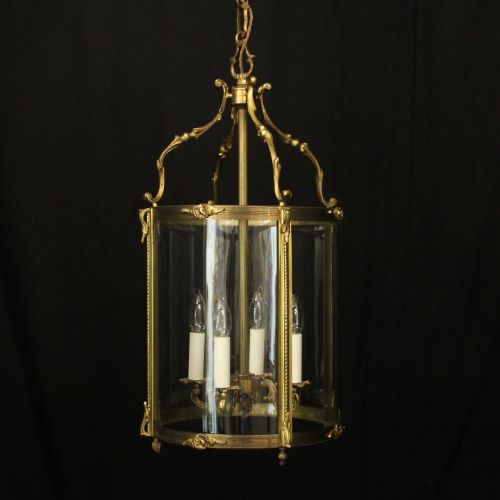
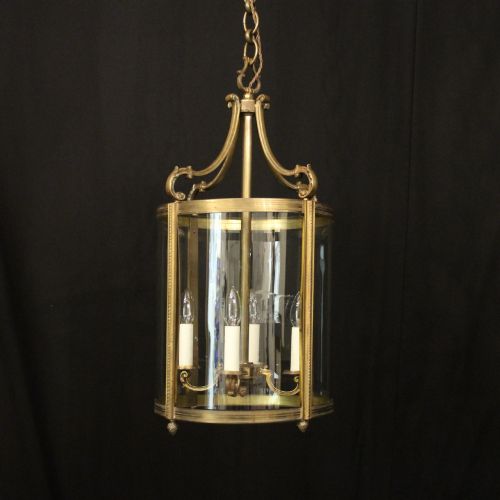
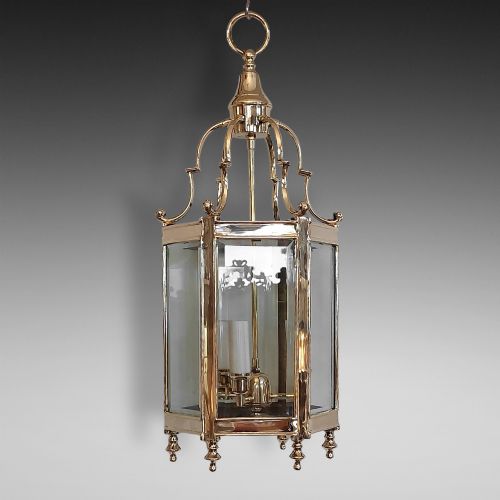
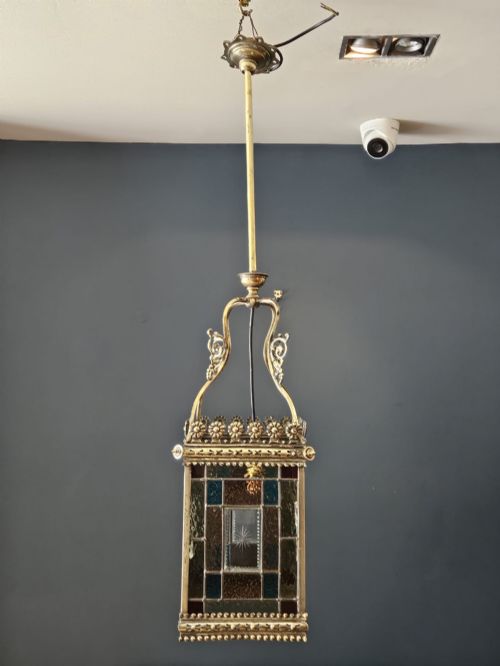
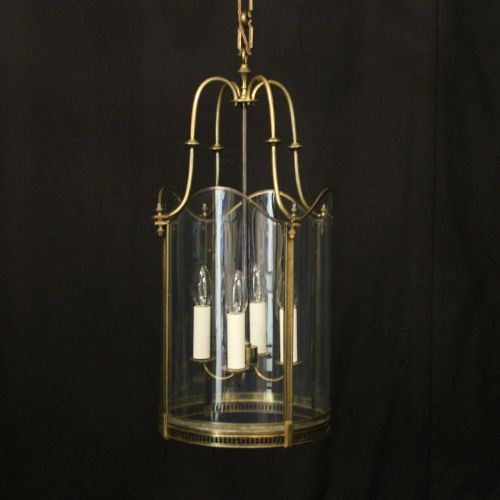
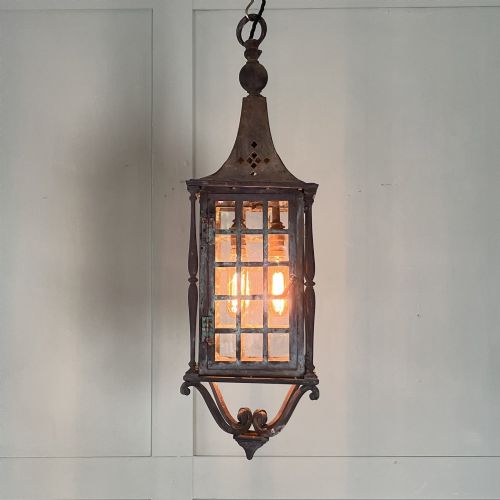
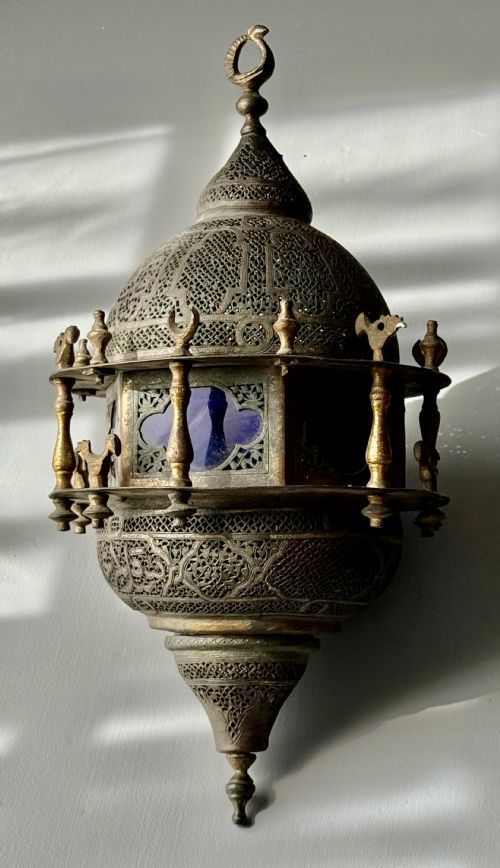
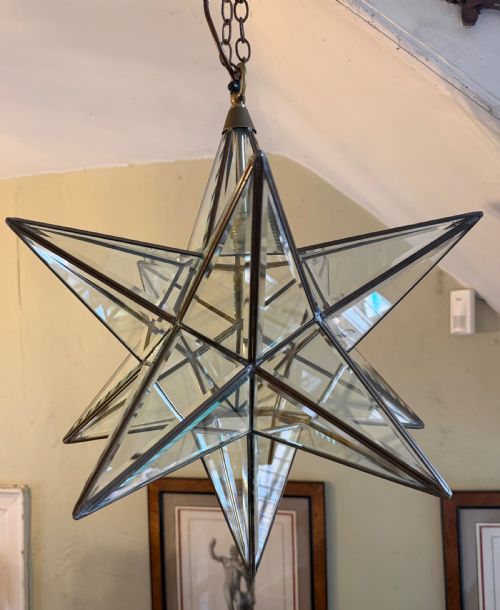
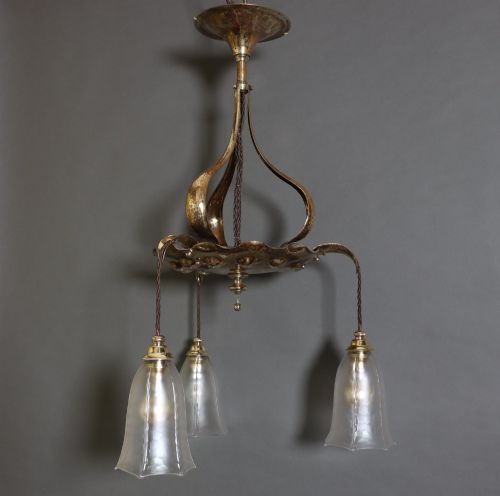
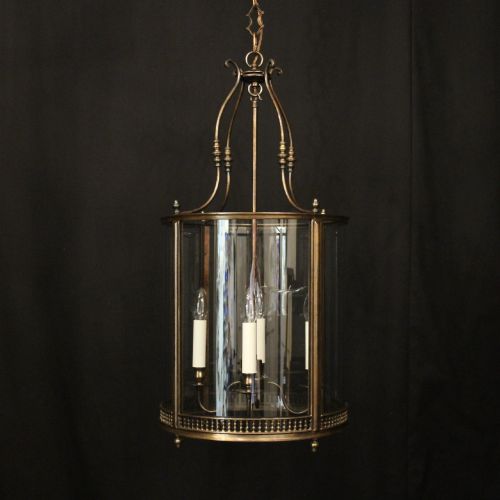
A brass hanging lantern light illuminates entries and corridors, originating primarily from the Victorian and Edwardian eras through to the Art Deco period. Buyers encounter hexagonal and square frames suspended from ceilings, designed to cast clear or patterned light across an entrance.
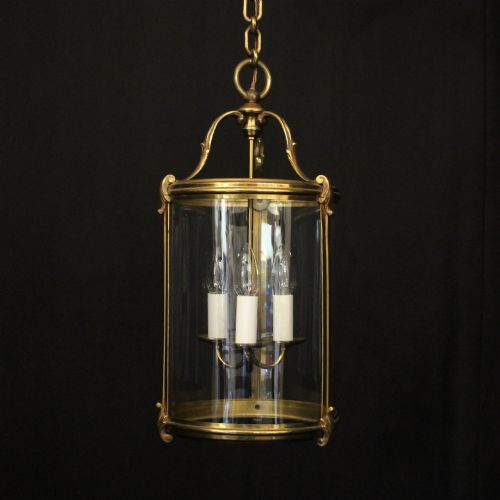
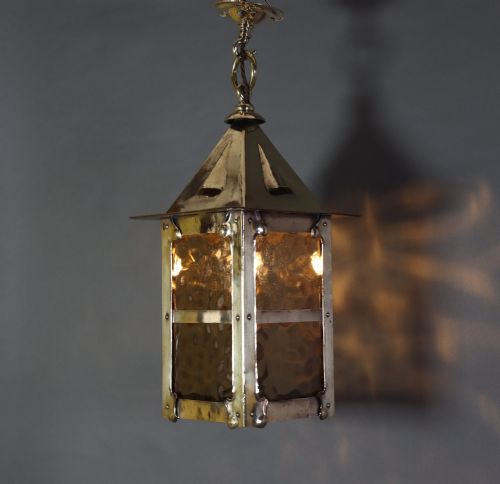
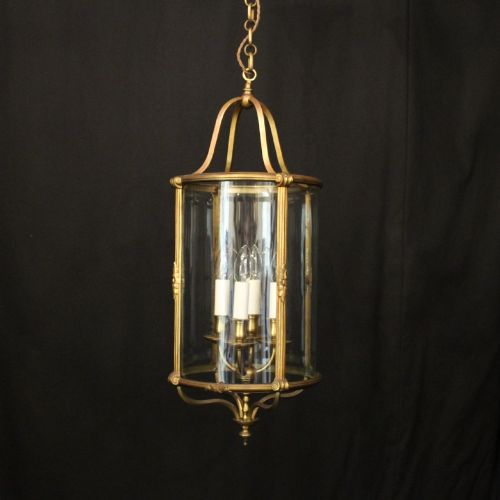
French examples frequently feature gilded bronze or brass mounts with convex glass panels, while English designs lean towards utilitarian railway pieces or simpler Arts and Crafts interpretations. These fixtures serve both functional illumination and decorative presence in domestic spaces.
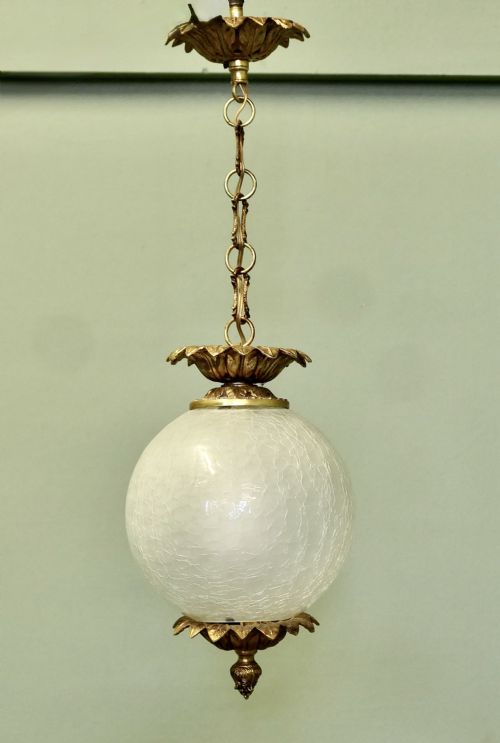
The selection spans substantial multi-light hall fixtures and compact single-bulb pendants, reflecting the diverse domestic architecture of the nineteenth and early twentieth centuries. Each piece demonstrates how period lighting balanced structural metalwork with transparent or frosted panes.
Materials and construction
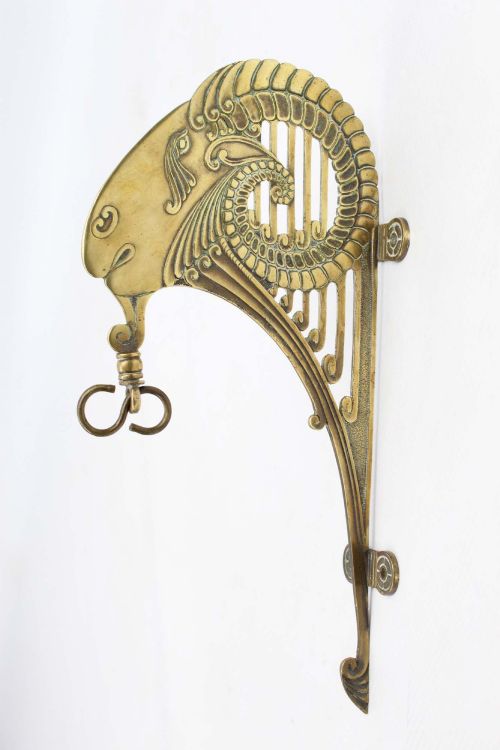
Workshops built these fixtures using cast or sheet brass, often combined with gilt bronze, copper, and lead framing. Artisans soldered or riveted metal sections together to support glass panels, creating rigid enclosures for internal burners or electrical fittings.
Glazing techniques included leaded joints, hand-blown bulls-eye roundels, and bevelled or etched panes. Makers secured these glass elements within metal rebates, using traditional glazing methods to weather-proof exterior porch fixtures and secure interior hall fittings.
Several lanterns feature integrated access doors, designed originally for reaching inside with a spill to light the internal wick by hand.
Evaluating the standard of manufacture
The weight of the metal framework and the crispness of any applied chasing or casting distinguish finer examples from standard production pieces. Heavier gauge brass and substantial bronze mounts retain their structural integrity and alignment over decades of use.
Glazing quality dictates visual depth, where hand-blown or bevelled glass refracts light cleanly without distortion. Superior lanterns display meticulous attention to joint construction and decorative metalwork rather than hurried assembly.
GEC
The Brass Hanging Lantern Light Glossary
- Convex glass
- Curved glass panels that project outward to diffuse light more widely across a room. This technique appeared frequently on French hall fittings of the early twentieth century.
- Leaded glass
- Individual pieces of glass held together by lead cames, forming geometric or decorative patterns. This method is common in Victorian and Edwardian exterior and porch fixtures.
- Gilt bronze
- Bronze metal treated with a gold-coloured finish or mercury gilding to impart a rich metallic sheen. It frequently appears on formal French fixtures from the nineteenth century onward.
- Bulls-eye glass
- Thick, circular glass panes featuring a central knob or concentric rings left over from the hand-blowing process. These panels create distorted, warm light reflections in older lantern designs.
Brass Hanging Lantern Light: Frequently Asked Questions
Where should I hang a brass lantern light?
These fixtures suit high-ceilinged entrance halls, stairwells, and covered porches where their downward illumination and decorative metalwork can be appreciated from multiple angles.
Their enclosed forms direct light purposefully downward and outward, making them practical for narrow transitional spaces that require both ambience and clear visibility.
How do I date a brass hanging lantern?
Stylistic clues such as the heavy geometric framing of Arts and Crafts pieces or the streamlined curves of Art Deco design help determine the period of manufacture.
Examination of the metal composition, fastening techniques, and glass production methods further separates Victorian work from later twentieth-century interpretations.
Are these lanterns wired for modern electricity?
Many examples arrive with modern electrical wiring or lamp holders fitted inside the historical frame, allowing straightforward installation in contemporary homes.
Unconverted or older pieces may require rewiring by a qualified electrician to meet current safety standards while preserving the original brass housing.
How do I clean an antique brass lantern?
Dusting with a dry microfiber cloth prevents the accumulation of grime on both the metal frame and the glass panels without disturbing the aged surface.
Harsh chemical polishes should be avoided to preserve the natural patina that accumulates on older brass and bronze surfaces over generations.