

Glazed Ceiling Lantern
A glazed ceiling lantern brings architectural gravity and clear illumination to hallways, porches and high-ceilinged rooms alike.
Glazed Ceiling Lantern
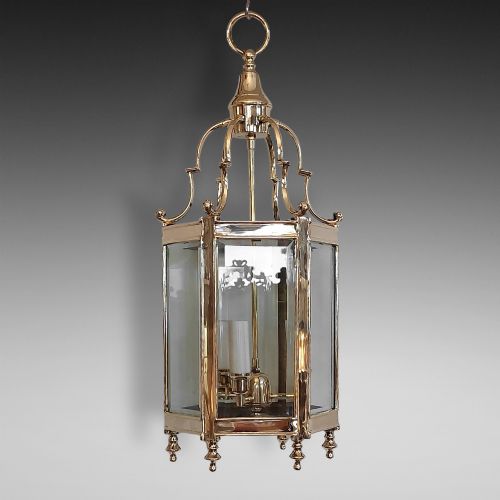
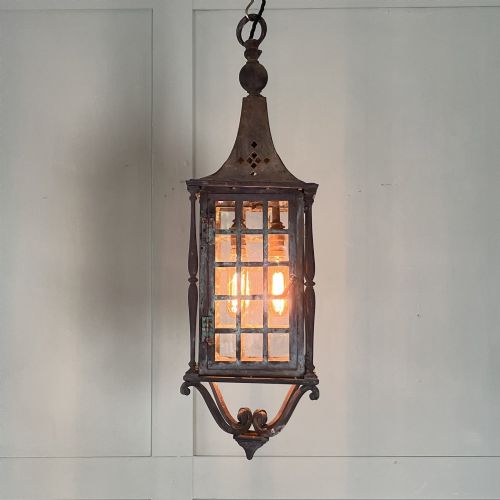
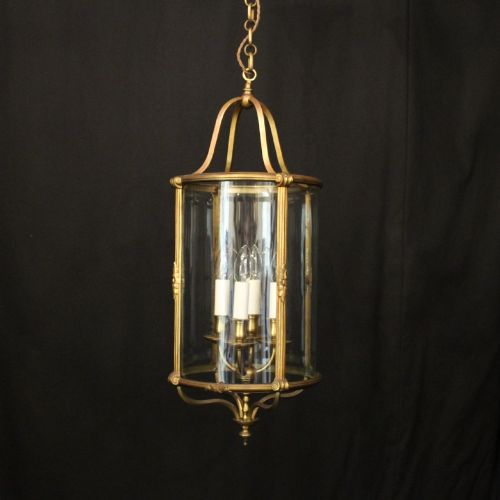
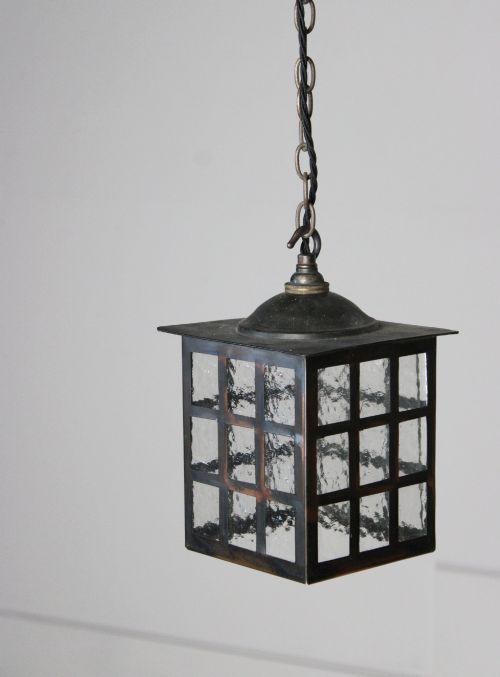
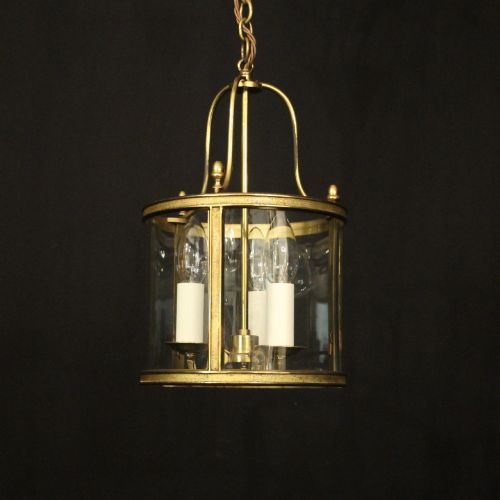
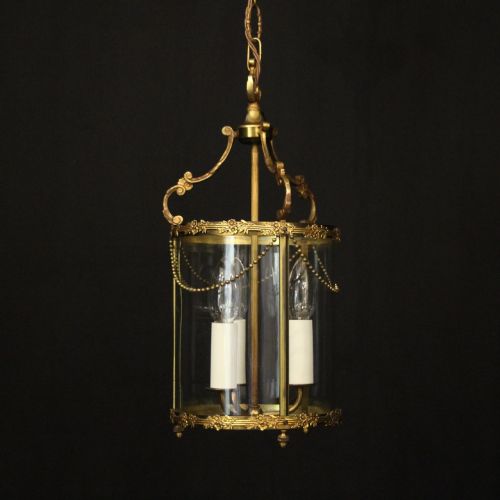
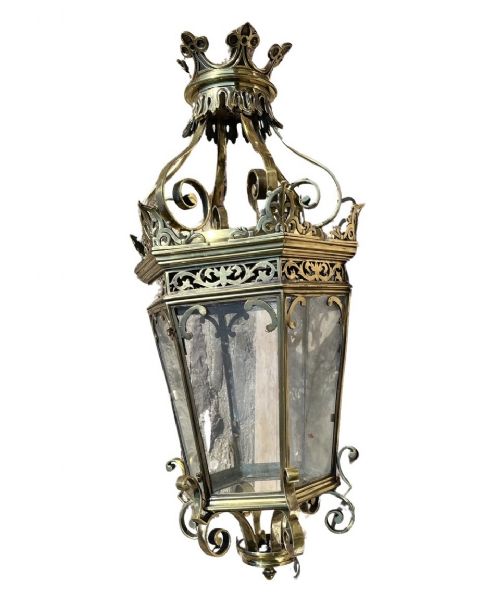
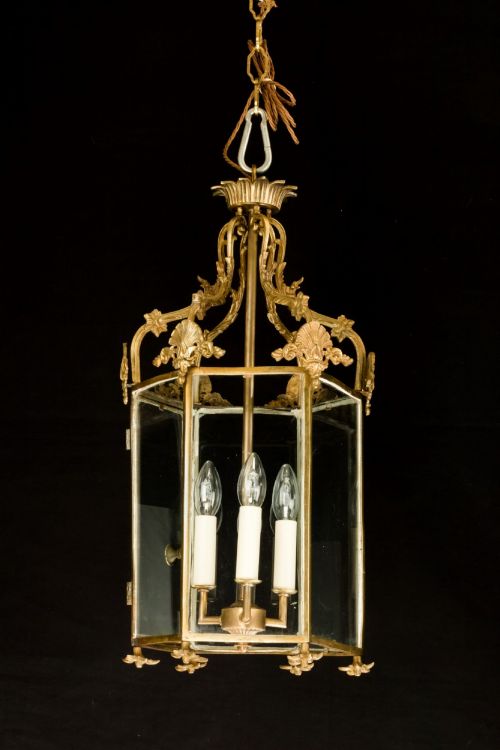
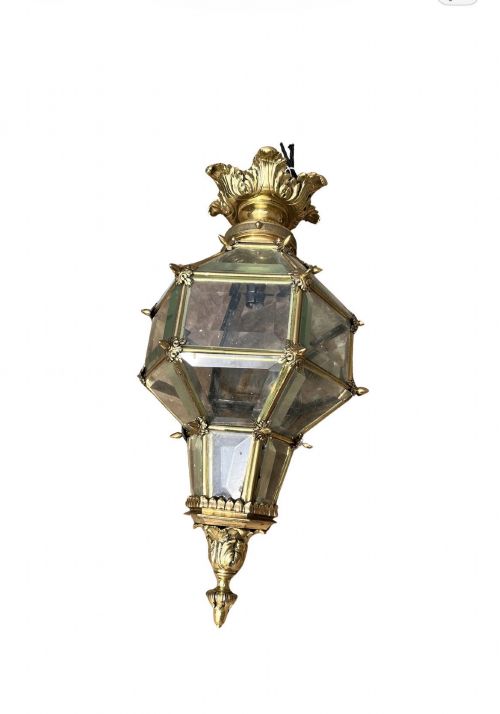
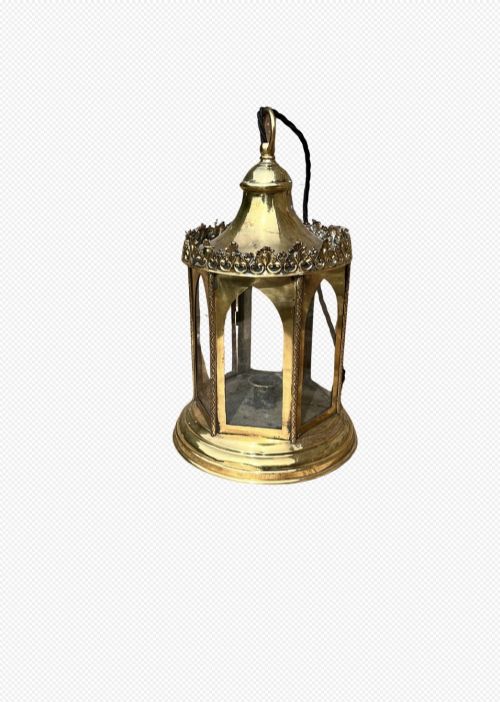
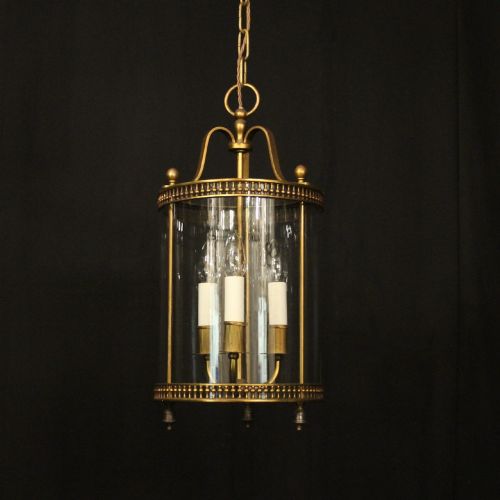
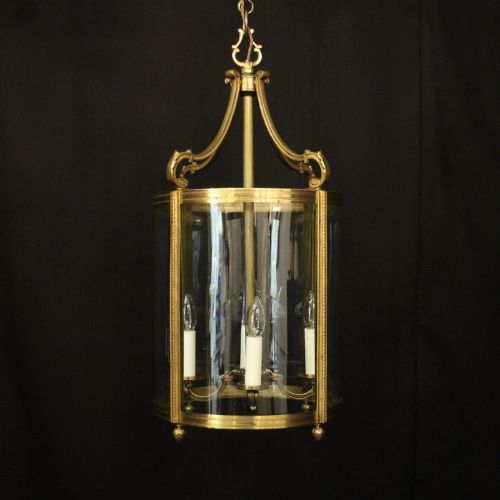
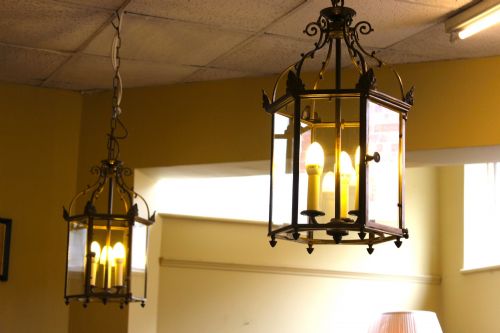
A glazed ceiling lantern takes many forms in brass, bronze and copper, functioning primarily as a hall or porch light. These hanging fixtures distribute light downward through glass panels while protecting the internal bulbs or candles from drafts.
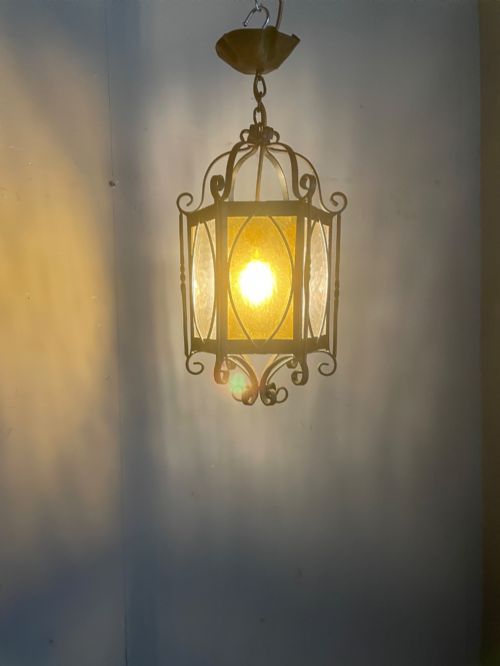
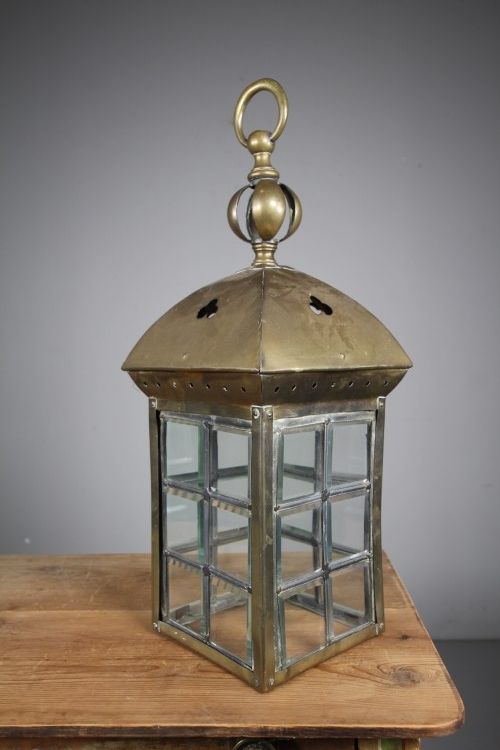
The selection ranges from compact Edwardian examples to grand French chandelier-style lanterns with multiple lights. Hexagonal and square forms appear frequently, often suspended by chains from a ceiling canopy.
Makers drew on various historical idioms, producing pieces that span Gothic Revival, Neoclassical and French Chateau styles. The inventory here leans heavily toward early twentieth-century French production alongside English Edwardian and Victorian specimens.
Materials and construction
Metals form the structural skeleton, with brass, copper, bronze and steel providing rigid housing for glass panes. Many surfaces receive a gilt or silvered finish to enhance reflection and decorative presence.
Glass panels are cut to fit individual frames, occasionally featuring bevelled edges that refract the internal light. Door access panels allow for maintenance and globe replacement within the enclosed metal cage.
Glazed Ceiling Lantern Retail Price Guide 2026
Typical asking prices for glazed ceiling lantern among the pieces listed under this phrase on Sellingantiques today, from the lower quarter to the upper quarter. They describe what is for sale here now, not the wider market.
One unexpected nineteenth-century copper lantern incorporates a decorative green man mask into its metalwork.
Assessing quality in construction
Subtlety of metalwork and the weight of the casting distinguish finer examples from standard production. Heavier gauges of brass or bronze maintain structural integrity over large glazed surfaces without sagging.
The precision of the glazing and the complexity of decorative mounts dictate the tier of craftsmanship. Finer French and English lanterns utilise detailed chasing and substantial glass bevels rather than simple flat panes.
The Glazed Ceiling Lantern Glossary
- Bevelled glass
- Glass with an angled edge cut around the perimeter, designed to refract light and add visual depth. This treatment appears frequently on better quality Edwardian and twentieth-century lanterns.
- Hall lantern
- A suspended light fixture designed specifically for corridors, vestibules and entrance spaces. These pieces often feature glass panels held within a metal framework.
- Gilt bronze
- Bronze metal treated with a thin layer of gold or gold-coloured alloy, also known as ormolu. It provides a rich surface finish seen on many French examples.
- Hexagonal form
- A six-sided geometric shape common in the bodies of hanging lanterns. This configuration allows multiple glass panels to distribute light evenly across a space.
- Pendant light
- A lighting fixture that hangs downward from the ceiling by a cord, chain or metal rod. Most ceiling lanterns employ this method of suspension.
Glazed Ceiling Lantern: Frequently Asked Questions
Where should I hang a glazed ceiling lantern?
These fixtures suit entrance halls, stairwells and high-ceilinged landings where their vertical proportions command the space.
Ensure adequate ceiling height for clearance beneath the hanging chain or drop.
How do I clean the glass panels?
Open the access door where fitted, or remove panels carefully if the frame allows, and use standard glass cleaner with a soft cloth.
Avoid harsh abrasives on gilt or patinated metal surrounds.
Are these lanterns electrified for modern use?
Many examples arrive ready for standard electrical installation, whilst older pieces may require rewiring by a qualified professional.
Check individual listings for details regarding internal bulb holders and wiring status.
How do I distinguish Edwardian from Victorian examples?
Victorian lanterns often display heavier proportions and robust Gothic or classical revival detailing.
Edwardian pieces tend toward lighter brass framing and refined neoclassical proportions.