
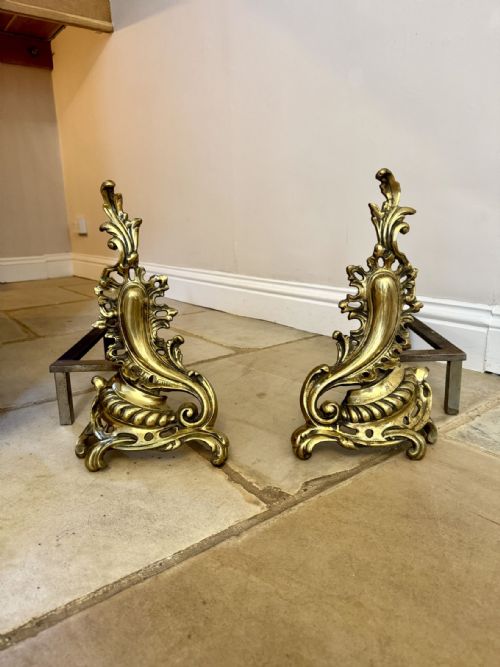
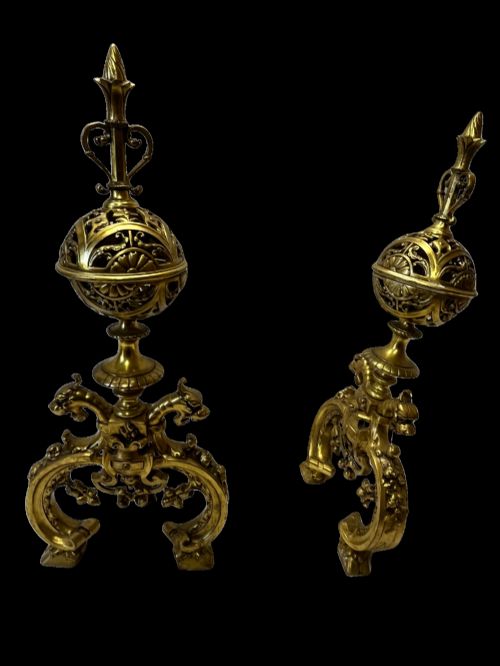
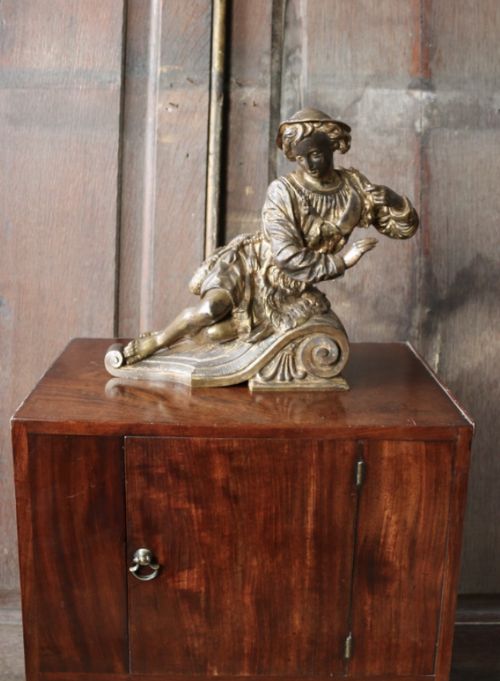


Rococo Fireplace Chenets
Rococo fireplace chenets bring asymmetric scrolls and asymmetrical bronze curves to the hearth, offering practical support for logs alongside sculptural presence.
Rococo Fireplace Chenets
When you search for rococo fireplace chenets, you look at pairs of metal firedogs and andirons designed to hold logs within a hearth. These heavy accessories stand at the front of the fireplace, often accompanied by fender forms or tool rests.
The versions most common here stem predominantly from the nineteenth century, including revival pieces and eighteenth-century originals. They take the form of French Rococo, Louis XV style, and Italian baroque designs, appearing as figural statuettes or scrollwork mounts.
Objects range from simple cast brass dogs to elaborate ormolu and patinated bronze compositions featuring cherubs and adjustable widths. They serve both a structural role in fire management and a decorative function within the room.
Assessing quality and execution
The distinction between standard production and exceptional work lies in the crispness of the chasing and the depth of the casting. Finer pieces display sharply defined scrollwork, subtle facial expressions on figural statuettes, and careful hand-chasing across the gilt surfaces.
Weight and material composition also separate grades, with heavier ormolu and multi-patinated bronze combinations indicating superior manufacture. The integration of adjustable mechanisms and well-fitted mounting components points to higher workshop standards.
The Rococo Fireplace Chenets Glossary
- Chenet
- A French term for an andiron or firedog placed on the hearth to support logs. These decorative metal supports sit at the front of the fireplace.
- Ormolu
- Finely ground high-carat gold applied to a bronze base using a mercury amalgam technique. This gilded surface gives the metal a rich, enduring yellow lustre.
- Andiron
- A horizontal metal support raised on legs used for holding wood in an open fireplace. They typically feature an ornate vertical front plate.
- Patinated bronze
- Bronze that has been treated chemically or naturally aged to produce a specific surface colour. This dark finish contrasts effectively with gilt highlights.
- Rococo revival
- A nineteenth-century design movement that reinterpreted the curving, asymmetric ornamentation of the mid-eighteenth century. It dominates many nineteenth-century hearth accessories.
Rococo Fireplace Chenets: Frequently Asked Questions
What are fireplace chenets used for?
Chenets hold wood logs off the hearth floor to improve air circulation and burning efficiency. They stand at the front of the fireplace as decorative barriers and log supports.
Many examples also incorporate rests for fire tools or support adjustable fender surrounds. Their primary role shifted from purely functional ironwork to elaborate bronze display pieces.
How do you style chenets in a modern room?
These metal fire dogs sit directly on the hearth inside the fireplace opening or directly on the floor in front of a non-working grate. They pair well with matching fenders and fire tools.
Because they feature detailed casting and gilt or patinated finishes, they function as sculptural objects even when the fireplace is unlit.
What is the difference between chenets and andirons?
The terms are often used interchangeably, though chenet is the French term for fire dogs. Both serve to support logs and decorate the hearth opening.
Italian and French nineteenth-century pieces frequently use chenet to describe lighter, highly decorative ornamental front supports rather than deep log-bearing bars.
How do I identify nineteenth-century revival pieces?
Nineteenth-century revival works draw heavily on Louis XV and Rococo vocabulary, often utilising brighter ormolu and heavier cast brass. They frequently include adjustable width bars and mechanical elements suited to later hearth designs.
Examining the underside and fixing nuts helps distinguish nineteenth-century manufacturing methods from eighteenth-century originals.