


Louis XV Chenets
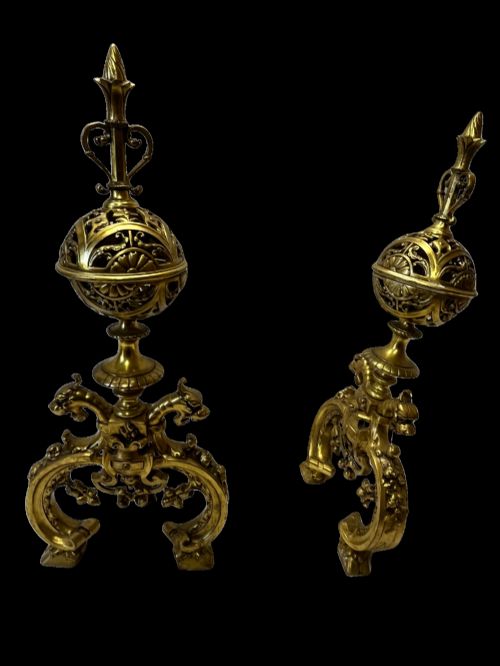
These louis xv chenets are functional hearth furniture that bring asymmetrical curves and classical French character to a fireplace.
Louis XV Chenets
When you search for louis xv chenets, you are looking at ornamental firedogs designed to support logs within a fireplace opening. These hearth accessories anchor the grate and protect the hearth floor while adding decorative presence to the room.
The versions you meet most frequently on this page date from the nineteenth century, reflecting nineteenth-century revivals of earlier eighteenth-century designs. They emerge primarily as pairs shaped in the French Rococo style, featuring characteristic scrollwork and asymmetrical forms.
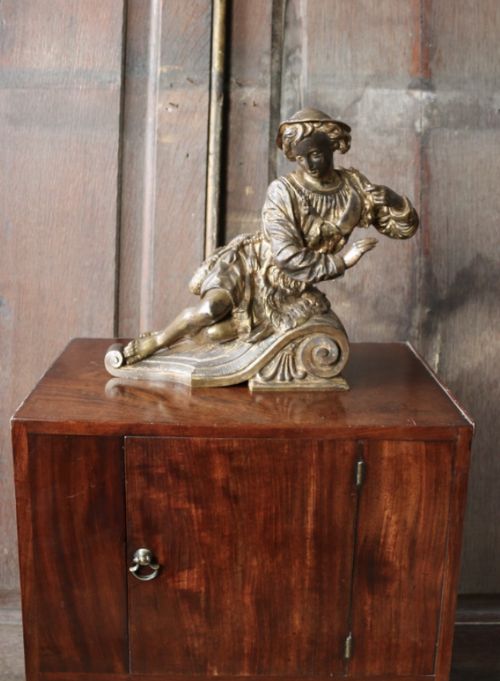
Makers and founders produced these objects using bronze, gilt bronze, ormolu, and patinated bronze, often pairing them with fire grates or tool rests. Certain examples incorporate figural elements such as cherubs or statuettes alongside traditional scrolling mounts.
Materials and Construction
Foundries manufactured these pieces predominantly through metal casting, utilising bronze, brass, iron, and cast iron for the structural bodies and fire bars. Artisans then applied surface treatments including fire gilding, ormolu mounting, and dark patination to create contrasting tones between polished highlights and matte shadows.
The decorative mounts and figures required skilled chasing and chiselling after casting to sharpen the scrolling foliage and organic motifs typical of the Rococo aesthetic. Iron components provided durability against intense hearth heat, while bronze and gilt brass carried the ornamental display.
Certain nineteenth-century pairs secretly conceal adjustable widths, letting cherubs expand their stance to suit the grandest of hearths.
Assessing Quality and Execution
Quality rests heavily on the crispness of the metal chasing and the depth of the original gilding or ormolu. Finer examples display sharp definition in the acanthus leaves and scrolls, whereas lesser pieces show softer contours resulting from worn moulds or hurried finishing.
The weight of the casting and the integration of any figural statuettes distinguish the standard of production. Heavier, more substantial bronze foundations combined with meticulous hand-finishing separate workshop interpretations from mass-produced hearth hardware.
The Louis XV Chenets Glossary
- Chenet
- An alternative term for an andiron or fire dog used to support wood inside a fireplace. They sit at the front of the hearth to hold logs in place.
- Ormolu
- Finely ground high-carat gold applied to a bronze object through a mercury amalgamation process. This technique produces a durable, rich golden surface finish.
- Patinated Bronze
- Bronze treated with chemicals to alter its surface colour, usually yielding dark brown or greenish tones. This treatment highlights untreated gilt highlights.
- Rococo
- An artistic style characterised by asymmetry, scrollwork, and organic motifs inspired by natural forms. It dominates French decorative arts of the mid-eighteenth century.
- Andiron
- A metal support used in pairs to elevate firewood for better air circulation and combustion. They often feature decorative front standards facing into the room.
Louis XV Chenets: Frequently Asked Questions
How do I use chenets in a modern fireplace?
Chenets sit at the front opening of a hearth either independently or alongside a matching fire basket. They serve a primarily decorative function today, framing the hearth space.
Ensure your fireplace opening accommodates the physical dimensions and depth of the pair before placement.
What is the difference between chenets and andirons?
The terms are frequently used interchangeably to describe hearth supports for firewood. Chenets specifically denotes the continental European, particularly French, decorative style.
Traditional English andirons often feature heavy horizontal log bars attached directly to the front standard.
How do I date nineteenth-century revival chenets?
Nineteenth-century revival pieces often display machine finishing marks, heavier iron components, or different assembly screws underneath the base. Stylistic cues often blend eighteenth-century motifs with Victorian manufacturing techniques.
Examining the underside and fastening methods helps distinguish nineteenth-century reproductions from period originals.
Do these pieces require special cleaning?
Gilt bronze and ormolu surfaces need gentle dusting with a soft dry cloth to prevent accumulation of soot and grime. Avoid abrasive polishes that strip historical gilding.
Patinated iron or bronze components benefit from occasional light application of microcrystalline wax to protect against rust.