





Rococo Carved Standing Mirror
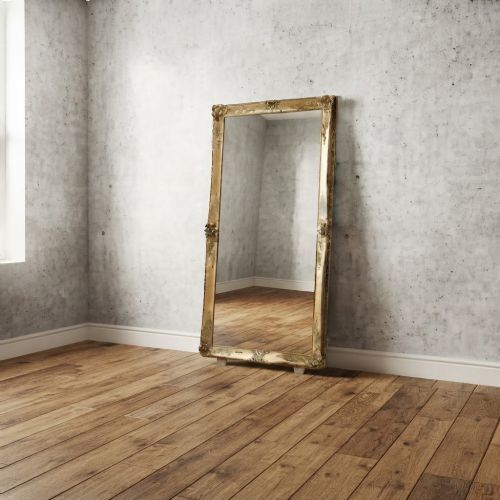
A rococo carved standing mirror brings fluid, asymmetric movement and dramatic curves to a room.
Rococo Carved Standing Mirror
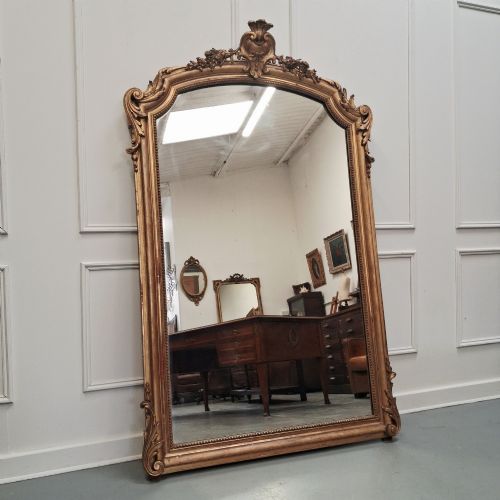
A rococo carved standing mirror represents a distinct category of furnishings designed to reflect light and capture the ornamental exuberance of the eighteenth-century revival. Buyers searching for a rococo carved standing mirror will encounter cheval mirrors, vanity mirrors, and floor-standing leaner mirrors produced across the nineteenth and early twentieth centuries. These objects combine large glass plates with elaborate wooden frames, drawing on French, Italian, and Venetian design traditions.
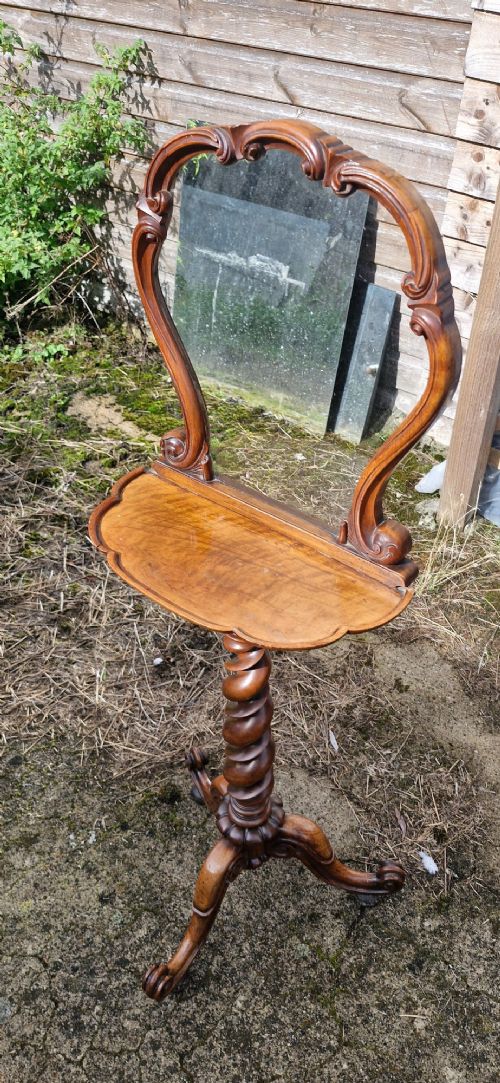
The versions most commonly met on this page date from the Victorian period through to nineteen-ten, frequently exhibiting revival styles such as French Rococo Revival or Victorian Rococo Revival. Forms range from large cheval mirrors designed for dressing rooms to smaller toilet and vanity mirrors intended for tabletops. The stylistic vocabulary relies on C-scrolls, S-scrolls, floral motifs, and asymmetrical cartouches.
Materials and construction methods
Frames are constructed from solid timbers such as mahogany, walnut, oak, and kingwood, providing a stable structural base for heavy ornamentation. Carvers applied layers of gesso directly onto the timber to build up the intricate relief work characteristic of the style. This gesso layer was then meticulously sculpted and sanded before receiving finishes of gold leaf, paint, or parcel gilt.
Giltwood and gold leaf application required skilled artisans to lay delicate metal leaf over bole, which was subsequently burnished to achieve a brilliant metallic sheen. Glass plates were typically bevelled and set into the carved wooden rabbets, secured from behind with wooden panel backing. Painted and shabby chic surfaces utilise traditional pigment applications that reflect the domestic tastes of their respective periods.
Rococo Carved Standing Mirror Retail Price Guide 2026
Typical asking prices for rococo carved standing mirror among the pieces listed under this phrase on Sellingantiques today, from the lower quarter to the upper quarter. They describe what is for sale here now, not the wider market.
Some Victorian dressing mirrors include secret compartments hidden behind the pivoting frame for storing small keepsakes.
Determining quality in craftsmanship
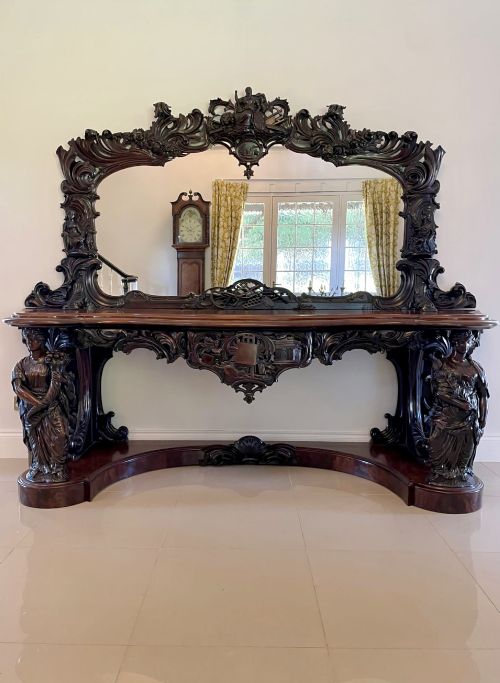
The depth and crispness of the hand-carved ornament distinguish finer examples from mass-produced or later copies. Superior pieces exhibit undercut foliage and scrollwork where the carving stands completely free from the background substrate, rather than appearing flat or moulded. The quality of the gesso preparation dictates how well the surface details retain their sharpness over centuries.
The integrity of the gilding and the clarity of the original mirror plate further separate high-end examples from standard decorative items. Exhibition-quality pieces often feature substantial mahogany or walnut frameworks with sophisticated joinery supporting heavy pivoting mechanisms. The weight and stability of the standing feet or console bases indicate the structural ambition behind the individual workshop.
The Rococo Carved Standing Mirror Glossary
- Giltwood
- Wood that has been coated with thin sheets of gold leaf over a prepared gesso base. This finish provides a luminous and durable surface characteristic of high-status mirrors.
- Cheval mirror
- A full-length mirror suspended on a vertical frame with pivoting side pins. This design allows the glass to tilt to various angles for dressing.
- Gesso
- A plaster mixture applied to wood frames to create a smooth surface for carving and gilding. It allows for intricate three-dimensional ornamentation.
- Rococo Revival
- A nineteenth-century design movement that imitated the flamboyant, asymmetrical style of the French mid-eighteenth century. It is defined by organic curves and shell motifs.
Rococo Carved Standing Mirror: Frequently Asked Questions
How do I date a mirror?
Dating relies on examining the timber species, the backing boards, and the construction methods used to secure the glass plate.
Earlier pieces often feature hand-bevelled glass and old pine or mahogany backs fixed with handmade headless nails.
Where should I place a standing mirror?
These mirrors suit dressing rooms, hallways, and living spaces where they can reflect natural light and create a sense of depth.
Ensure the floor surface is level to maintain the stability of the standing frame or cheval pivots.
Are these mirrors original or reproduction?
The listings on this page consist of antique pieces spanning the nineteenth and early twentieth centuries.
Examine the wear patterns on the gilding and the silvering degradation behind the glass to confirm period authenticity.
How do I care for giltwood frames?
Dust the carved surfaces gently with a soft, dry brush to prevent accumulation in the intricate recesses of the gesso.
Avoid using liquid cleaners or polishing agents, which can strip the delicate gold leaf and historical finish.