



Freestanding Carved Table Mirror
A freestanding carved table mirror brings instant depth and utility to a room, offering period charm through rich timber and ornate framing.
Freestanding Carved Table Mirror
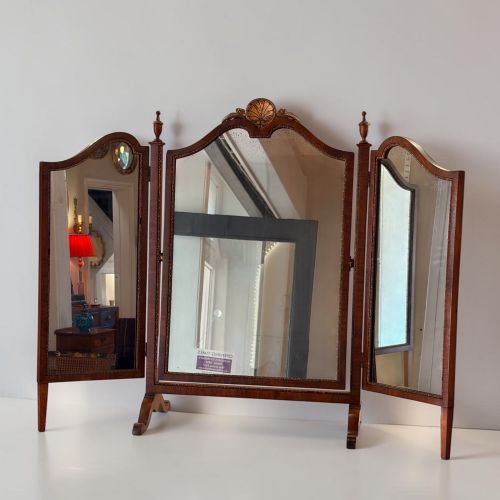
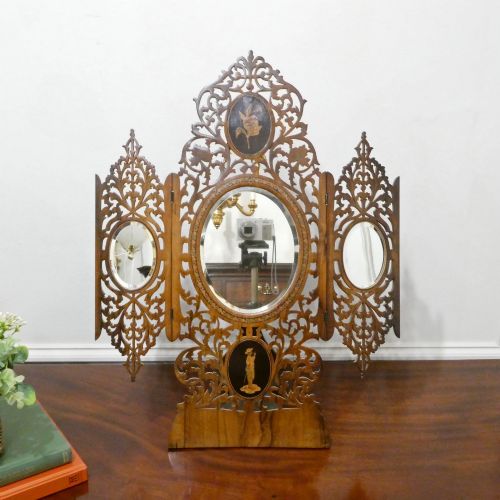
When searching for a freestanding carved table mirror, you encounter pieces designed to sit upon dressing tables, chests, and washstands for grooming and reflection. The selection spans the Victorian era, bringing together functional mirrors and decorative pivoting glass.
Most examples date from the nineteenth century, ranging from the middle decades to the closing years of the Victorian period. You will find styles drawing on Renaissance, Rococo, and Arts and Crafts vocabularies, executed in both solid and veneered timbers.
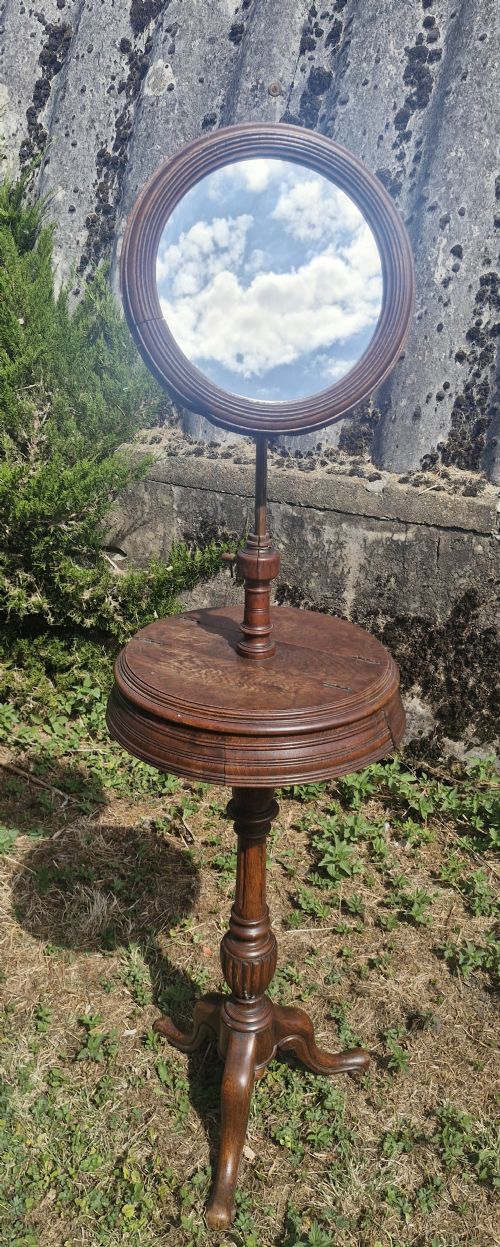
Common formats include swing mirrors mounted on upright supports, tripod shaving stands, and adjustable easel designs. These objects served utilitarian purposes in bedrooms and dressing rooms while displaying the cabinetmaker's skill through carved details.
How they were made
Cabinetmakers utilised dense hardwoods such as mahogany, walnut, and oak to build the structural frames and stands. These timbers were selected for their durability and capacity to take fine carved ornament and polish.
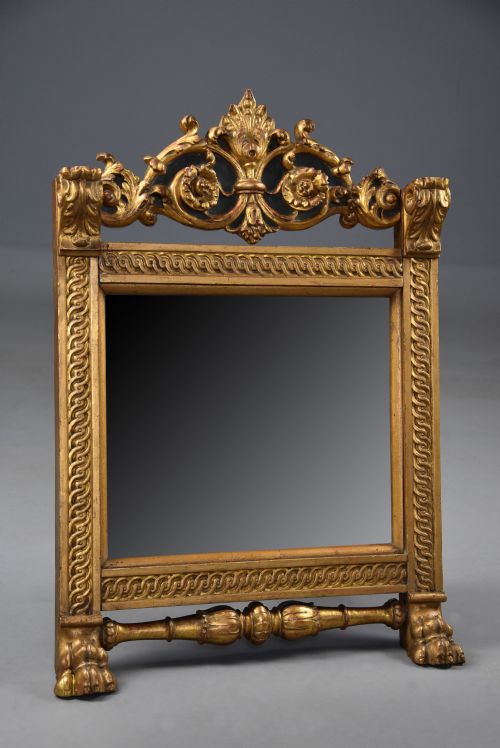
Giltwood and gesso were frequently employed to achieve elaborate surface decoration, particularly in pieces influenced by French Rococo tastes. Glass plates were bevelled or flat-set, held securely within pivoting frames attached to sturdy uprights or pedestals.
Freestanding Carved Table Mirror Retail Price Guide 2026
Typical asking prices for freestanding carved table mirror among the pieces listed under this phrase on Sellingantiques today, from the lower quarter to the upper quarter. They describe what is for sale here now, not the wider market.
The listings span the Victorian period, utilising materials like mahogany, oak, walnut, and giltwood across various dressing and shaving mirror forms.
What varies in quality
The distinction between ordinary and exceptional work lies in the depth and crispness of the carving. Superior pieces exhibit hand-carved details with sharp relief, whereas lesser examples rely on shallower moulding or applied composition ornaments.
Proportion and structural integrity also dictate worth. The finest mirrors maintain balance across their swing frames and support stands, using quality brass hardware and well-seasoned timber that resists warping over time.
The Freestanding Carved Table Mirror Glossary
- Swing mirror
- A mirror plate hung on pivots between two upright posts, allowing the glass to tilt at various angles. This mechanism relies on secure side screws or pins.
- Gesso
- A plaster-based material applied to wood frames as a smooth base for gilding or painting. It accepts intricate relief moulding before metallic leaf is laid down.
- Easel mirror
- A table mirror supported by a hinged leg at the rear, resembling the standing frame of an artist's easel. It typically rests at a fixed or slightly adjustable angle.
- Cheval mirror
- A full-length dressing mirror suspended in a standing frame, though smaller tabletop versions also appear in period inventories. The name derives from the French word for horse.
- Toilet mirror
- A smaller mirror designed specifically to sit on a dressing table or low chest during the nineteenth century. These often incorporate small drawers in the base plinth.
Freestanding Carved Table Mirror: Frequently Asked Questions
Where should I place a table mirror?
These mirrors suit the top of a chest of drawers, a dedicated dressing table, or a sideboard where they catch and reflect natural light. Ensure the surface is stable and level to support the weight of the pivoting frame.
Position the glass to bounce light from a nearby window deeper into the interior. This placement enhances room brightness while keeping the carved frame visible as a decorative object.
How do I adjust the swing mirror?
Most period swing mirrors utilise brass side screws or pivot pins that pass through the upright supports into the frame. Tightening or loosening these fixings controls the tension of the tilt.
Handle the wooden horns or side posts with care when adjusting the angle to avoid placing undue strain on the joint. Support the glass plate with one hand while altering the position.
Are these mirrors easy to maintain?
Routine care involves dusting the timber and carved surfaces with a dry, soft cloth. Avoid using harsh chemical sprays that can damage historic polish or gilt finishes.
Clean the glass using a minimal amount of neutral cleaner applied to a cloth rather than sprayed directly onto the surface. This prevents moisture from seeping behind the mirror plate and staining the backing.
How can I tell a Victorian mirror?
Victorian pieces often display characteristic timber choices such as heavy mahogany, walnut, or oak, combined with revival styles like Rococo or Renaissance. Construction details include hand-cut joinery and traditional screw fixings.
Look for the quality of the timber grain and the patination accumulated over decades of use. The weight and solidity of the framing timber also point toward nineteenth-century craftsmanship.