



Dark Oak Vanity Mirror
A dark oak vanity mirror brings rich grain and deep colour to a dressing space, offering a practical glass set within a sturdy wooden frame.
Dark Oak Vanity Mirror
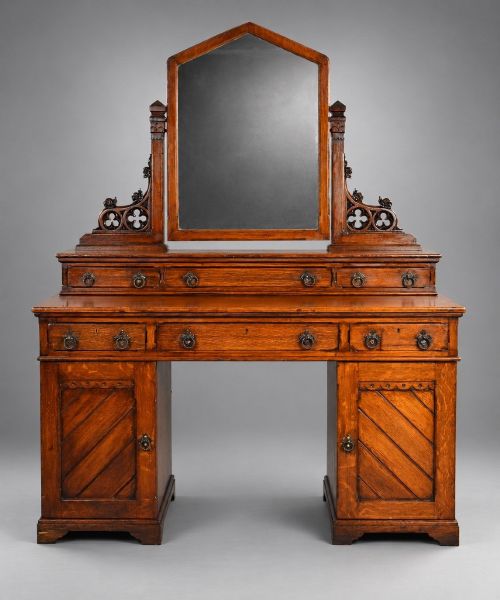
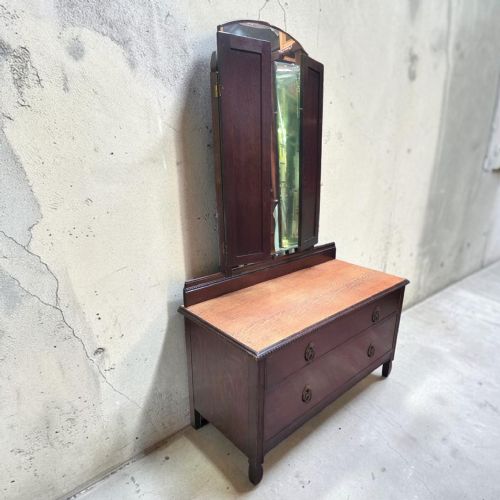
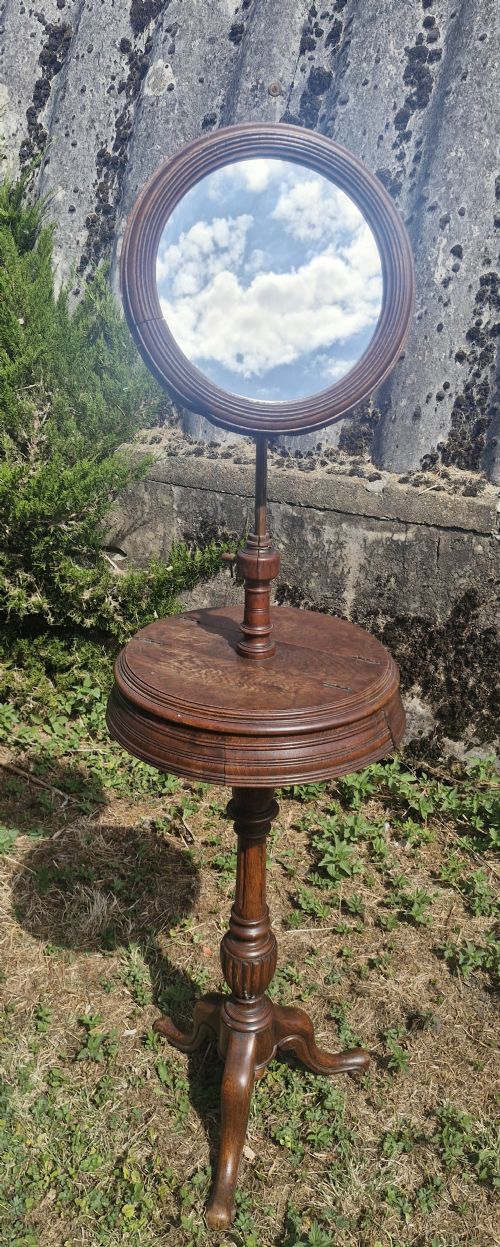
A dark oak vanity mirror comprises freestanding table models, dressing table attachments, and wall-hanging pieces designed for personal grooming. These items emerge from periods including the Victorian era, Edwardian period, and the 1920s and 1930s, reflecting diverse revivals from Carolean to Arts and Crafts styles.
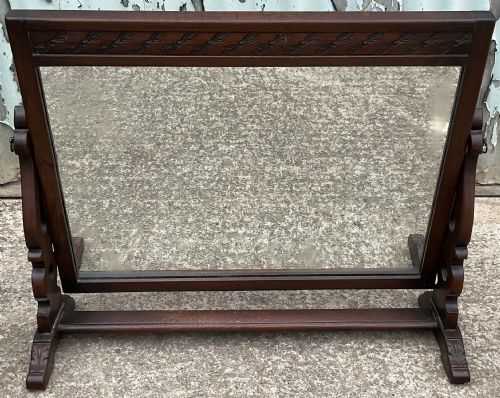
The most common versions met on this page are adjustable dressing mirrors and table mirrors constructed from solid oak, often featuring swing mechanisms. Buyers also encounter dressing chests with integrated mirrors and specialised shaving stands utilising the same heavy timber.
Materials and construction methods
These pieces are built primarily from oak, utilising solid timber alongside wood inlay to create robust frames and supports. Glass forms the reflective surface, frequently finished with a bevel edge.
Metal and brass components appear in the adjustable hinges, screws, and hanging fixings that allow the glass to tilt. Fabric occasionally lines associated dressing elements, while hand-carved details define revival styles.
Dark Oak Vanity Mirror Retail Price Guide 2026
Typical asking prices for dark oak vanity mirror among the pieces listed under this phrase on Sellingantiques today, from the lower quarter to the upper quarter. They describe what is for sale here now, not the wider market.
Listings feature oak as the primary timber, complemented by brass fittings and glass across Victorian, Edwardian, and 1930s periods.
Distinctions in quality
Quality in a dark oak vanity mirror rests on the depth of the timber carving and the integrity of the joinery rather than mere ornamentation. Heavier solid oak frames with well-executed hand carving display greater craftsmanship than simpler production pieces.
The condition and clarity of the glass, alongside the mechanical smoothness of the adjustable swing pivots, separate superior examples from standard ones. Finer items integrate brass fittings and wood inlay with precision.
The Dark Oak Vanity Mirror Glossary
- Vanity mirror
- A glass mirror designed for personal grooming, typically placed on a dressing table, chest, or wall. These items pivot or hang at eye level.
- Shaving stand
- A specialised piece incorporating a mirror, often adjustable, designed originally for the morning shave. They frequently feature timber stands or small support shelves.
- Bevel edge
- An angled, sloping edge cut around the perimeter of the glass plate. This traditional finish catches the light and adds depth to the reflection.
- Swing mirror
- A mirror plate hung on horizontal pivots between two upright arms, allowing the user to tilt the glass angle. This mechanism is common on table top and dressing chest models.
- Carolean Revival
- A style drawing inspiration from the late seventeenth century, characterised by rich carving and scrolling woodwork. Pieces from this revival utilise dark oak to emulate earlier craftsmanship.
Dark Oak Vanity Mirror: Frequently Asked Questions
How do I date a dark oak mirror?
Dating relies on stylistic clues such as carving motifs, hardware types, and the method of mirror silvering. Victorian and Edwardian examples often feature distinct revival details that separate them from 1930s pieces.
Examining the construction of the frame and the type of screws or brackets used also helps determine the exact period of manufacture.
Where should I place a vanity mirror?
These pieces suit dressing tables, chests of drawers, or console tables where personal grooming takes place. Wall mirrors mount securely in hallways, bedrooms, or bathrooms.
Ensure the supporting surface is deep enough to balance the weight of a heavy oak frame and its swinging glass.
What is Arts and Crafts oak?
Arts and Crafts pieces emphasise honest construction, visible joinery, and natural wood grain without excessive ornamentation. This style values sturdy utility and hand-worked details.
Mirrors from this movement display solid oak construction and simple, functional forms rather than heavy revival carving.