
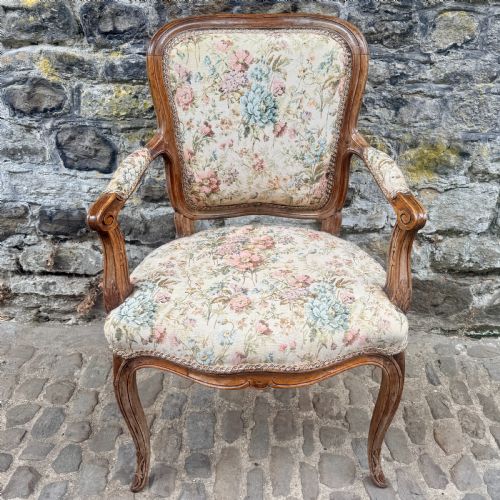
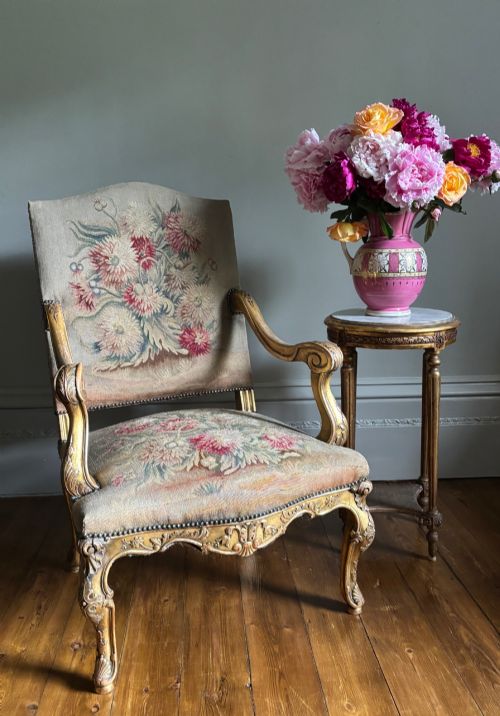
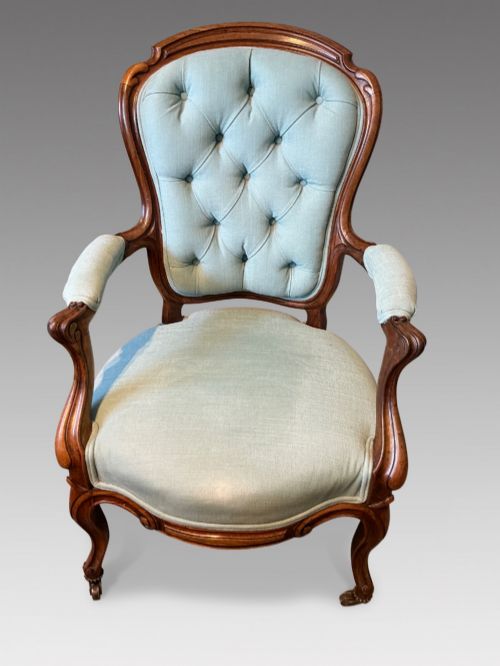
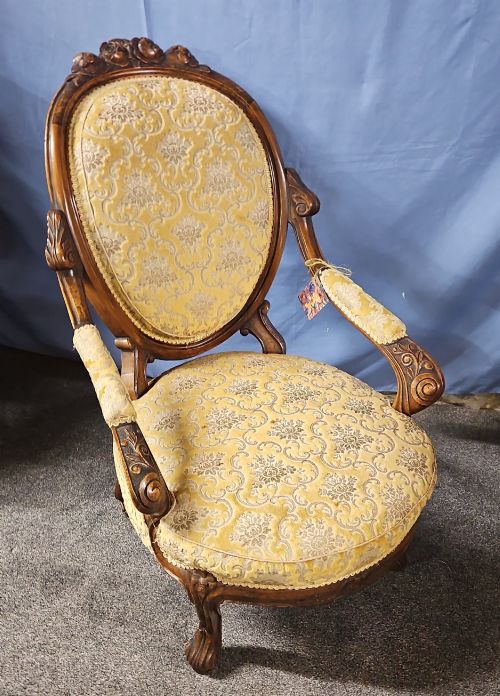
Rococo Carved Armchair
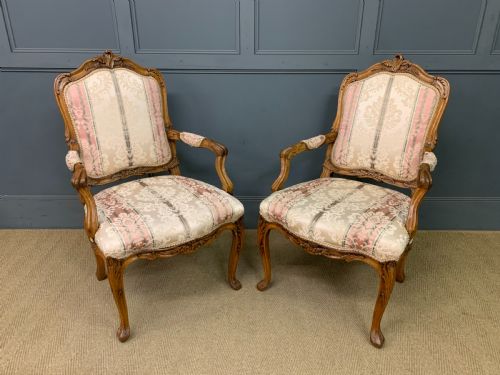
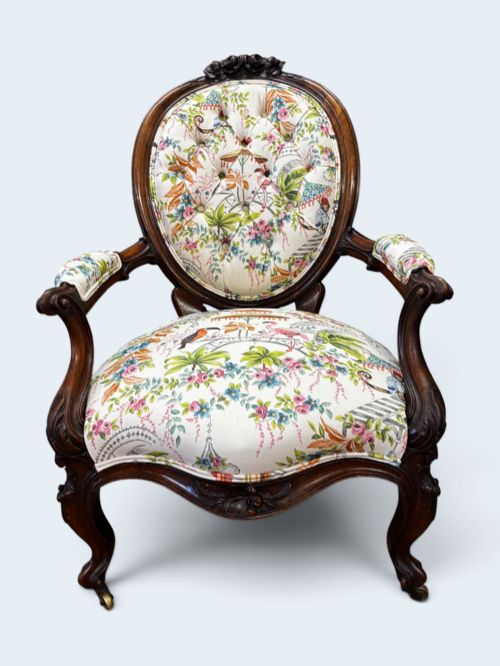
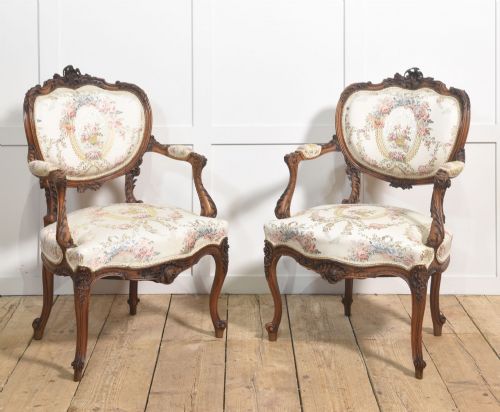
A rococo carved armchair brings swirling, asymmetrical ornamentation and fluid lines into a room, offering both dramatic focal points and comfortable seating.
Rococo Carved Armchair
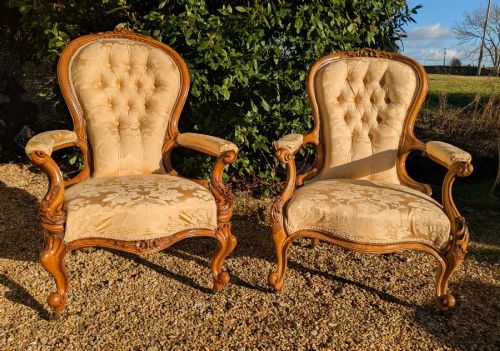
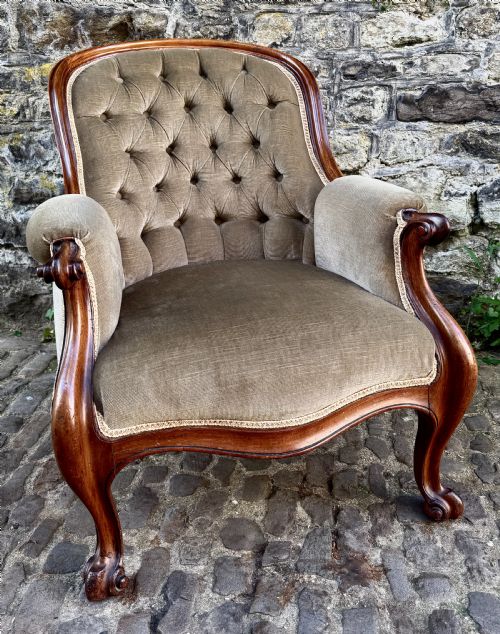
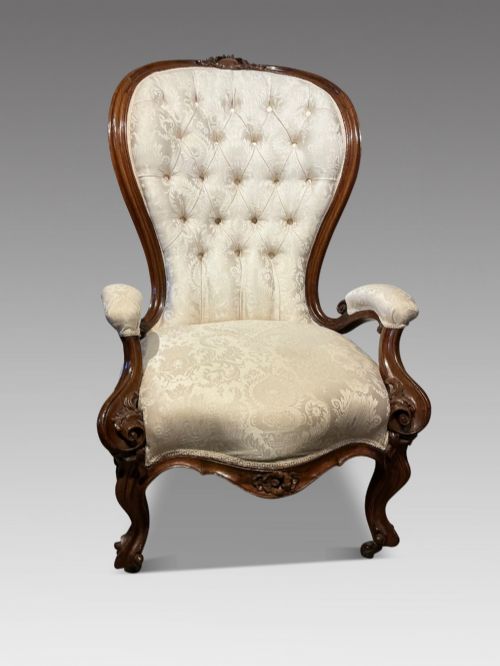
When buyers search for a rococo carved armchair, they encounter seating defined by exuberant, organic curves and intricate shell or scroll motifs. These chairs span genuine eighteenth-century continental pieces to later nineteenth-century revivals produced during the Victorian era and the early decades of the twentieth century.
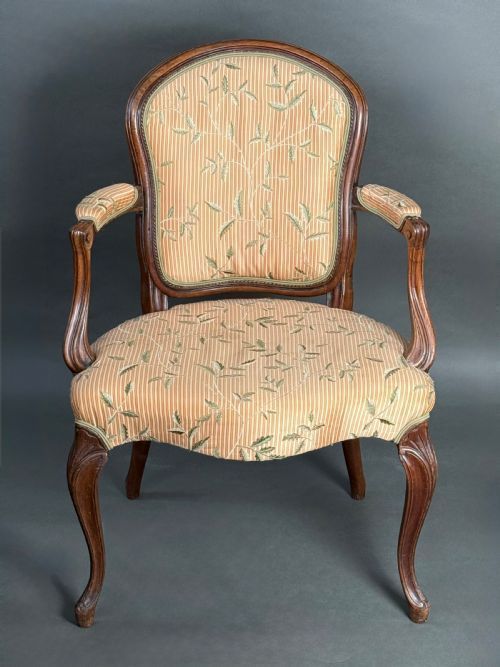
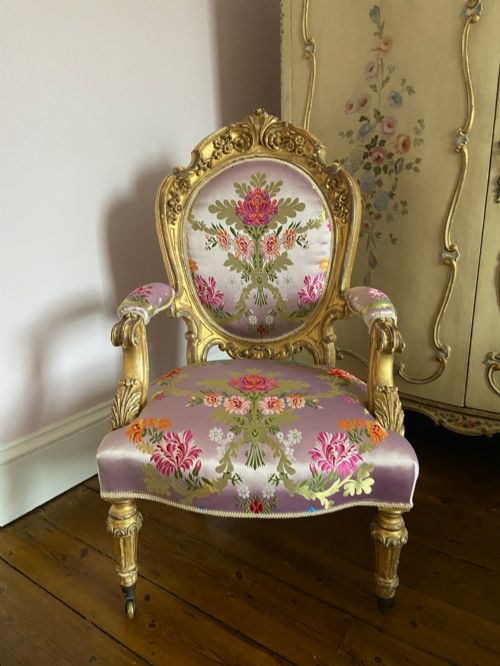
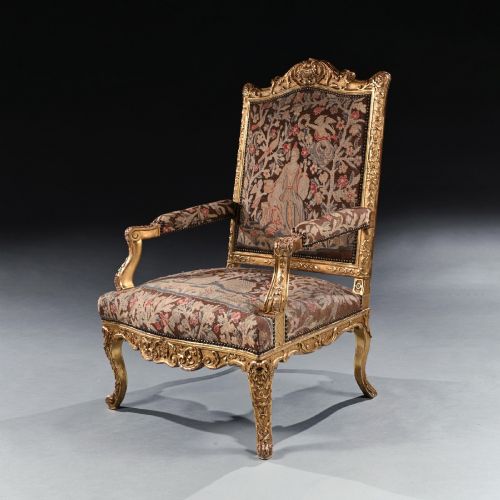
The selection ranges from French fauteuils and Italian giltwood examples to English walnut and mahogany salon seating. Buyers will frequently meet nineteenth-century revival interpretations alongside genuine eighteenth-century frames originating from France and Italy.
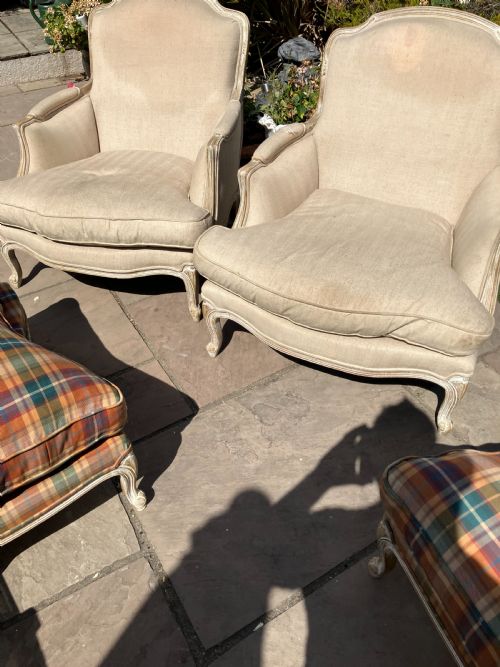
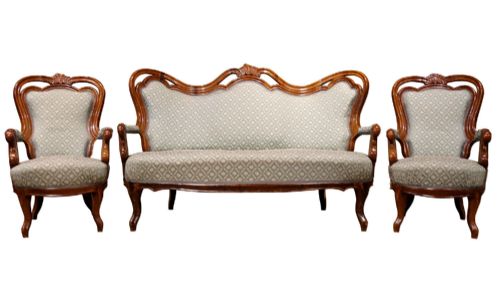
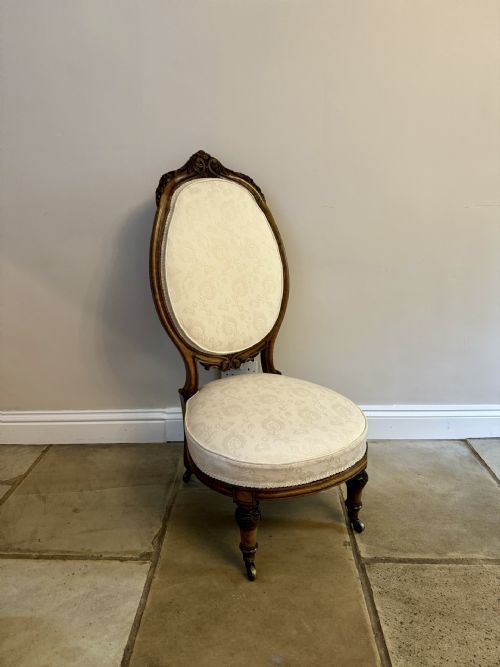
Forms vary from open armchairs and closed bergères to larger salon suites and ladies chairs. Each piece reflects the enduring appeal of Louis XV and rococo revival aesthetics across different European traditions.
Evaluating Quality and Craftsmanship
Quality in these chairs rests upon the crispness, depth, and fluidity of the hand carving on the frame. Superior examples demonstrate a confident, organic flow where the ornamental motifs appear as natural extensions of the timber rather than superficial additions.
The integrity of the structural joinery and the selection of fine cabinet woods distinguish the higher tier of pieces. Proportion, balance, and the harmonious integration of the curved framework also dictate the relative standing of individual items.
Rococo Carved Armchair Retail Price Guide 2026
Typical asking prices for rococo carved armchair among the pieces listed under this phrase on Sellingantiques today, from the lower quarter to the upper quarter. They describe what is for sale here now, not the wider market.
Some nineteenth-century makers evidently decided that standard armrests simply lacked drama and added extra scrolls just to be polite.
Colefax and Fowler·Blaise Maucuy
The Rococo Carved Armchair Glossary
- Fauteuil
- An open-arm armchair with upholstered back and seat, typically featuring exposed wooden framing. This French seating form became prominent during the eighteenth century.
- Cabriole leg
- A furniture leg that bends outward in a convex curve and then tapers inward in a concave arc, ending in a pad, scroll, or foot. It is a defining characteristic of rococo and revival designs.
- Giltwood
- Timber that has been coated with gold leaf or a gold-coloured metallic finish. This treatment highlights the carved scrollwork and ornamental details on formal chairs.
- Bergère
- An enclosed armchair with upholstered sides and a padded back, offering a more substantial seating profile. These chairs often incorporate exposed wood frames alongside newly applied upholstery.
- Regence
- A transitional stylistic period preceding full rococo, noted for early asymmetric ornamentation and sweeping scrollwork. Pieces from this era display sophisticated carved head rails and gilt surfaces.
Rococo Carved Armchair: Frequently Asked Questions
How do I spot a reproduction?
Examine the carving technique under natural light to determine if the details show the tool marks and slight irregularities associated with hand work. Machine-made reproductions often display uniform, shallow ornamentation without the depth found in older pieces.
Check the timber beneath any finish to assess wood maturity, shrinkage patterns, and the construction methods used in the joinery. Older frames exhibit wear and assembly traits consistent with historical cabinetmaking standards.
Are these chairs comfortable for daily use?
Many of these seating forms were originally designed for formal salons rather than relaxed lounging, featuring upright backs and firm proportions. The level of comfort depends significantly on the internal padding and the type of upholstery currently fitted to the frame.
Buyers intending regular use often select models with generous seat dimensions or those that have received recent professional reupholstery. Consulting the specific descriptions helps clarify the scale and seating depth of each individual armchair.
What is the difference between original and revival pieces?
Original eighteenth-century pieces carry the authentic wear, construction techniques, and material patination of their period of origin. They reflect the primary stylistic developments occurring in workshops across France and Italy during that era.
Revival pieces, produced predominantly during the nineteenth and early twentieth centuries, reinterpret those earlier aesthetic templates using contemporary Victorian or Edwardian manufacturing methods. Both categories hold distinct appeal for collectors depending on their preferred historical focus.
How should I care for gilded wood?
Giltwood surfaces require gentle maintenance using a soft, dry duster to remove surface dust without disturbing the delicate metallic leaf. Avoid using liquid cleaners, polishes, or abrasive cloths that can strip or dull the historic finish.
Keep these chairs away from direct sunlight and sources of heat to prevent the underlying gesso and wood from cracking or drying out. Stable indoor environmental conditions preserve the structural integrity and decorative brilliance of the frame.