
Rich Mahogany Cabinet
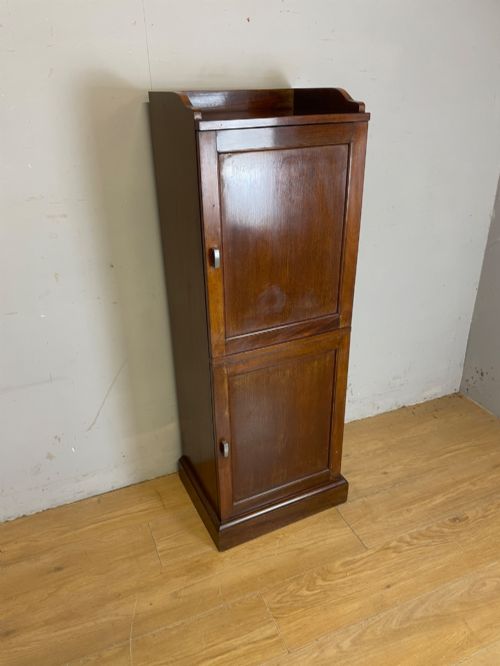
A rich mahogany cabinet brings deep timber tones and stately presence to a room, offering practical storage disguised in classic period form.
Rich Mahogany Cabinet
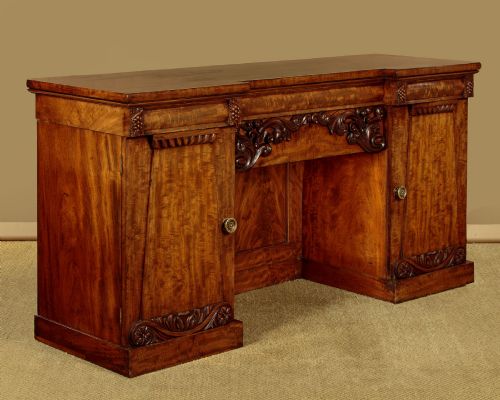
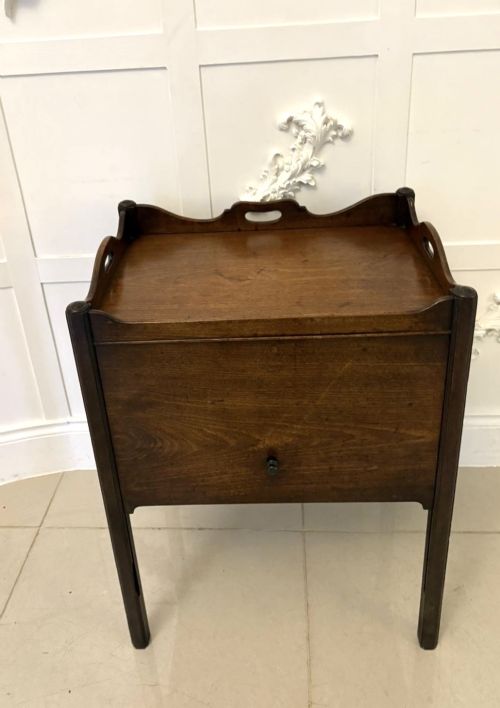
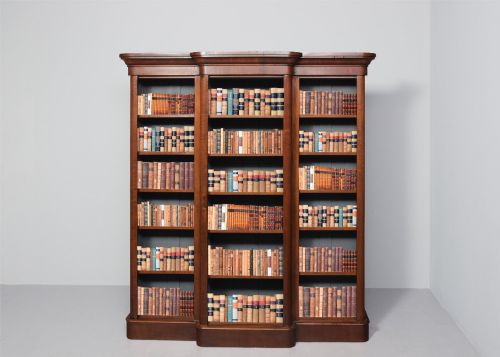
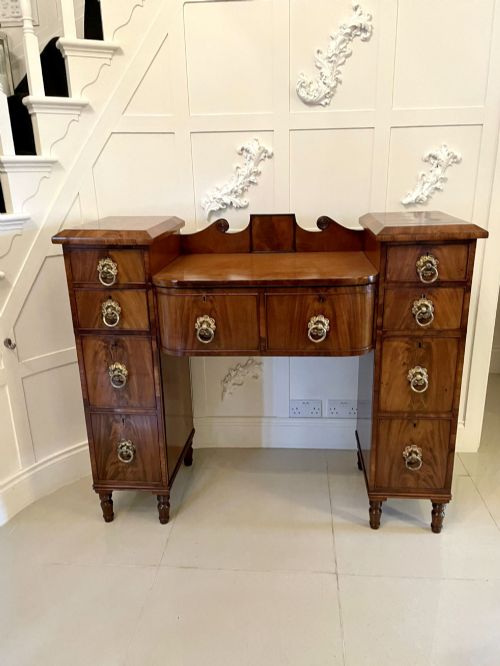
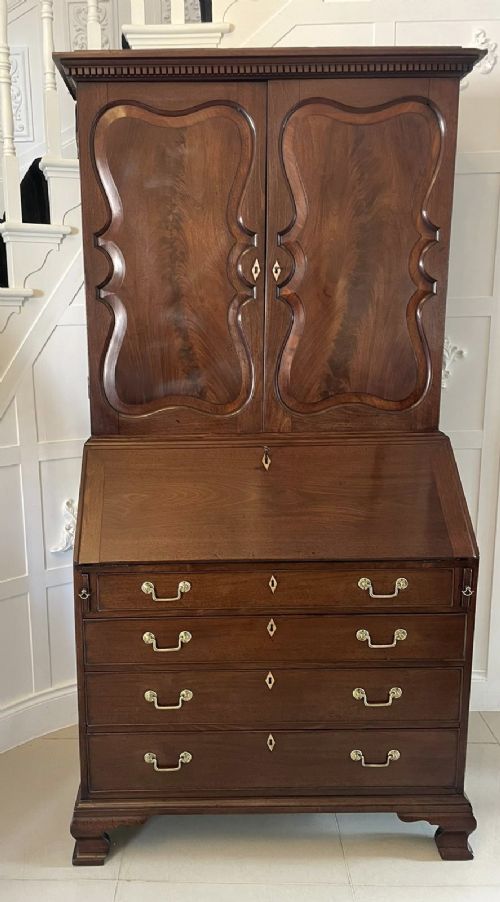
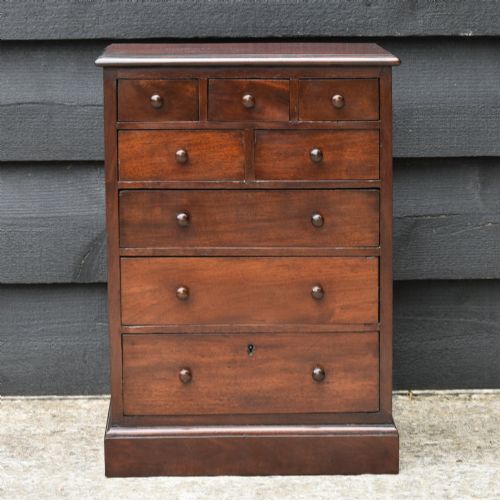
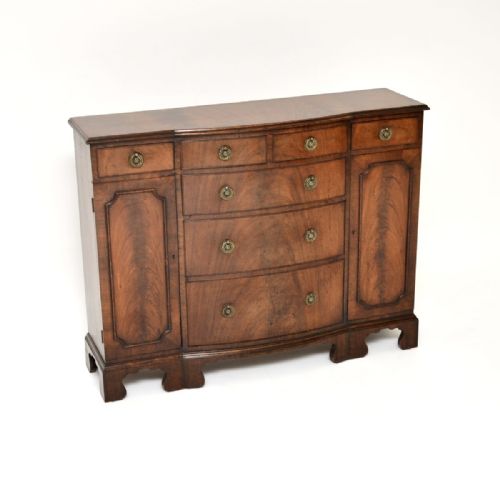
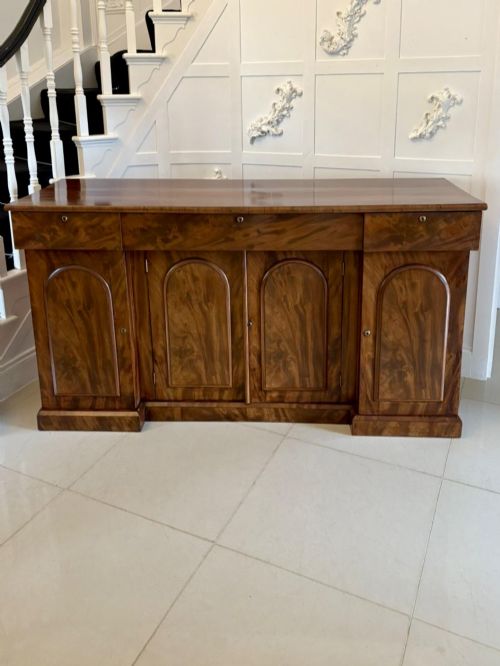
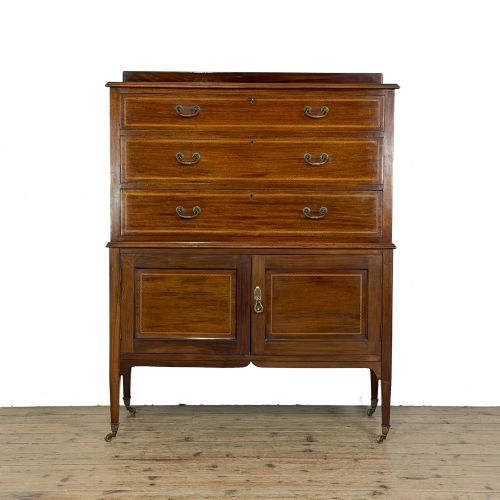
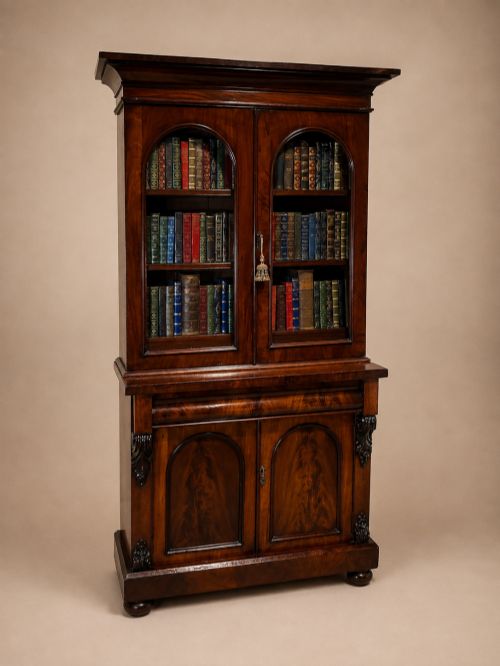
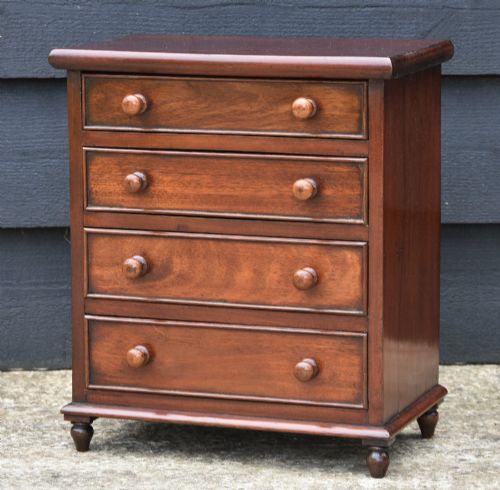
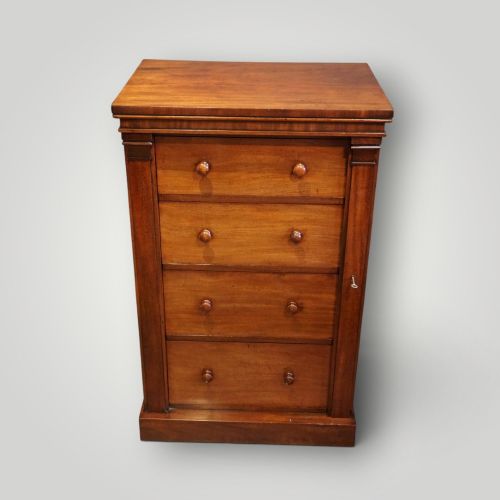
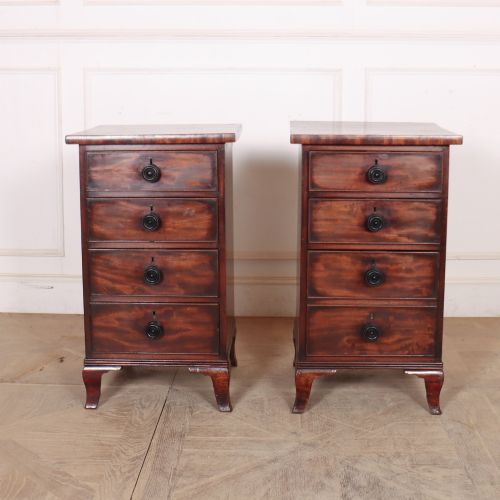
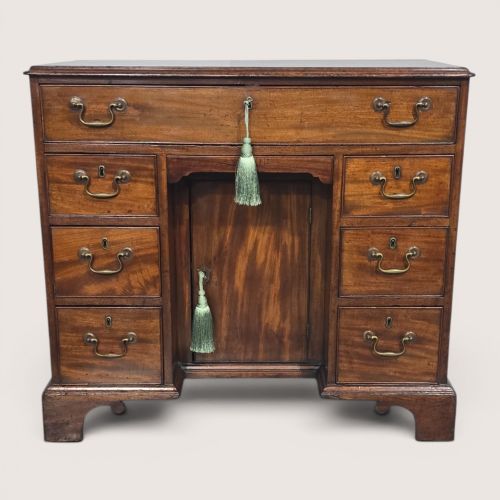
The version you are most likely to meet on this page is a Victorian or Edwardian creation, often featuring rich figuring, brass hardware, and glazed or panelled doors. They range from small tabletop jewellery chests and bedside tables to large pedestal sideboards and tall bureau bookcases.
Originating largely from British workshops and heritage makers, these cabinets serve both practical storage and decorative display. Their enduring appeal lies in the warmth of the timber and the clean proportions handed down through successive design movements.
How they were made
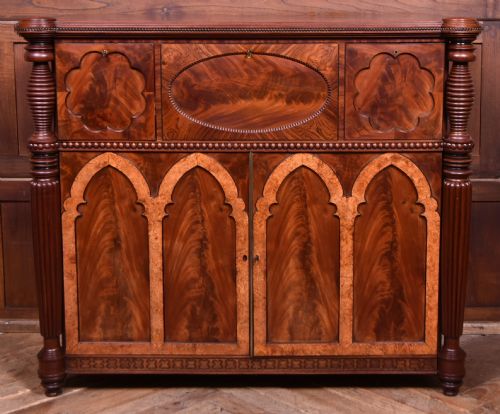
Cabinet makers utilised solid mahogany and applied mahogany veneer over secondary timbers to achieve deep, reflective surfaces and striking flame patterns. Timber selection dictated the character of the piece, allowing craftsmen to highlight natural grain movement across large flat panels and drawer fronts.
Construction relied on traditional joinery techniques such as dovetailing for drawers and mortise and tenon frames for structural stability. Brass handles, escutcheons, and glass panes were integrated to complete functional storage units, secretaires, and display cabinets.
Listings feature mahogany, brass, glass, and satinwood across Victorian, Georgian, and Edwardian periods.
What varies in quality
The distinction between standard utility furniture and the finest examples rests in the selection of the timber and the nuance of the carving. Cabinets featuring highly figured flame mahogany veneer display a depth and optical movement that elevates them far beyond plain straight-grained stock.
Execution of detail also separates the tiers, from crisp hand-cut mouldings and dovetails to the integration of secondary woods like satinwood for contrast. The refinement of original brass mounts and the integrity of fitted interiors in desks and secretaires mark out the superior workshop.
Edwards and Roberts·Gillows
The Rich Mahogany Cabinet Glossary
- Flame mahogany
- A veneer cut from the fork of the mahogany tree where the branch meets the trunk, producing a distinctive flame-like pattern. This figured timber was favoured for high-status drawer fronts and cabinet doors.
- Secretaire
- A desk or cabinet featuring a pull-out drawer with a drop-front writing surface that conceals small drawers and pigeonholes. It combines the storage capacity of a chest with the writing function of a bureau.
- Apprentice piece
- A small-scale item of furniture made by a trainee craftsman to demonstrate mastery of joinery techniques to a guild. These miniature chests and cabinets mirror the full-sized versions in every structural detail.
- Pedestal sideboard
- A heavy dining room cabinet consisting of two side pedestals flanking a central serving surface or drawers. Georgian and Victorian iterations often display carved brackets and substantial mahogany panels.
Rich Mahogany Cabinet: Frequently Asked Questions
How do I date a mahogany cabinet?
Dating relies on observing construction methods, timber thickness, and stylistic cues specific to Georgian, Victorian, or Edwardian cabinet making. Hand-cut dovetails, secondary woods, and original hardware provide reliable clues to the decade of manufacture.
Design movements like Chippendale influence or Sheraton inlay also anchor a piece in its historical period. Comparing the proportions and secondary timbers against documented examples helps confirm the era.
How do I care for rich mahogany?
Mahogany thrives in stable indoor environments away from direct sunlight and sudden temperature shifts. Keeping the timber away from heat sources prevents the wood from drying out and the veneer from lifting.
Routine dusting with a soft, dry cloth maintains the finish without building up heavy wax residues. Occasional application of quality beeswax helps nourish the grain and preserve the natural depth of the timber.
Where should I place a bedside cabinet?
A mahogany bedside cabinet suits traditional and eclectic bedrooms alike, offering enclosed storage for nighttime essentials. Their compact footprints allow them to sit neatly beside standard bed frames while introducing rich timber tones.
Pairing a cupboard or drawer unit with appropriate lighting enhances the warm reddish-brown hues of the wood. They also function well as small accent tables in studies or hallways.