
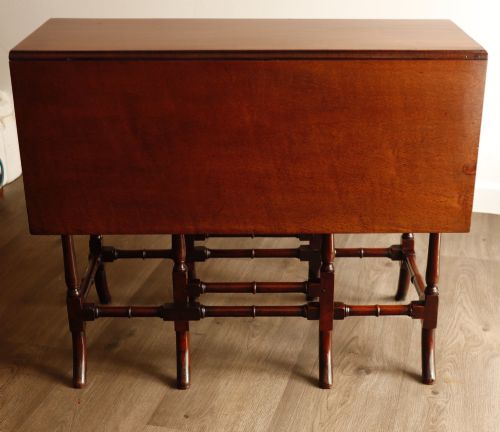
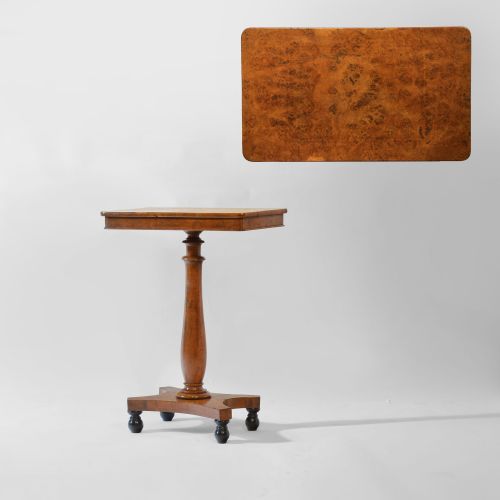


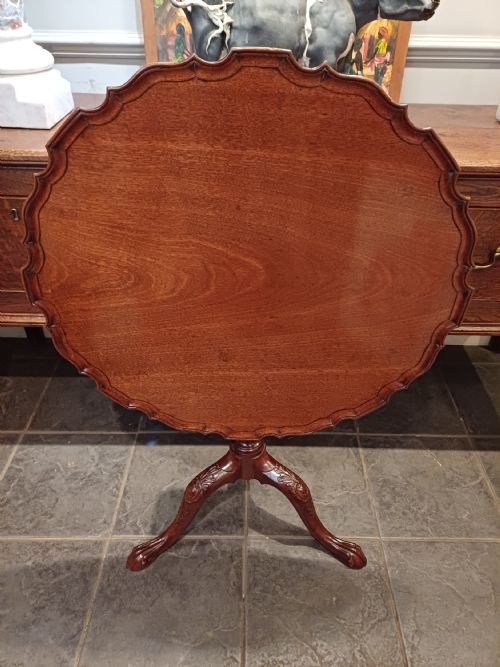
Rich Brown Tea Table
A rich brown tea table brings the warmth of figured timber and centuries of social ritual straight into your sitting room.
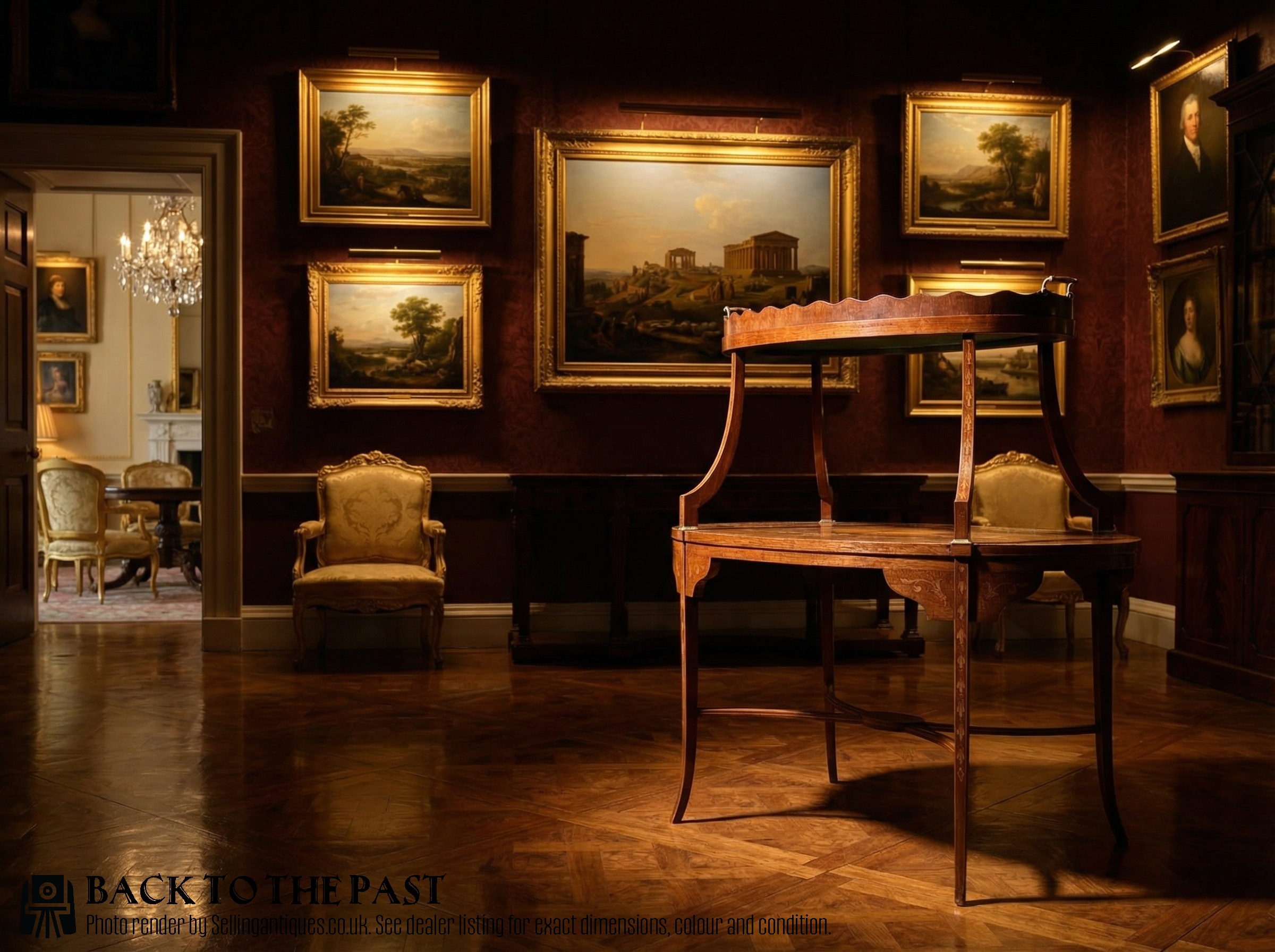
Rich Brown Tea Table
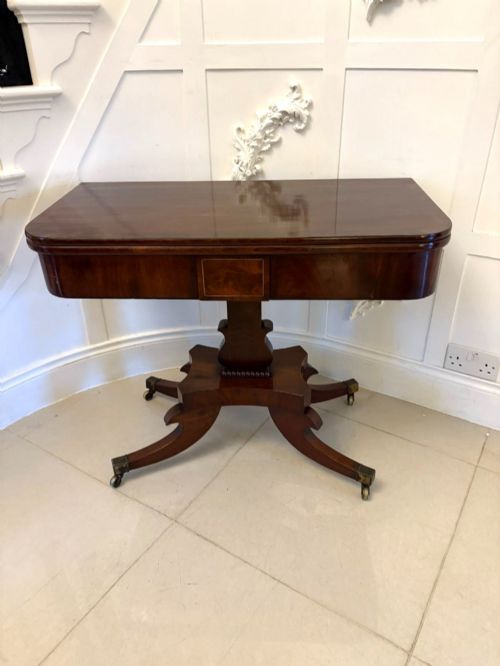
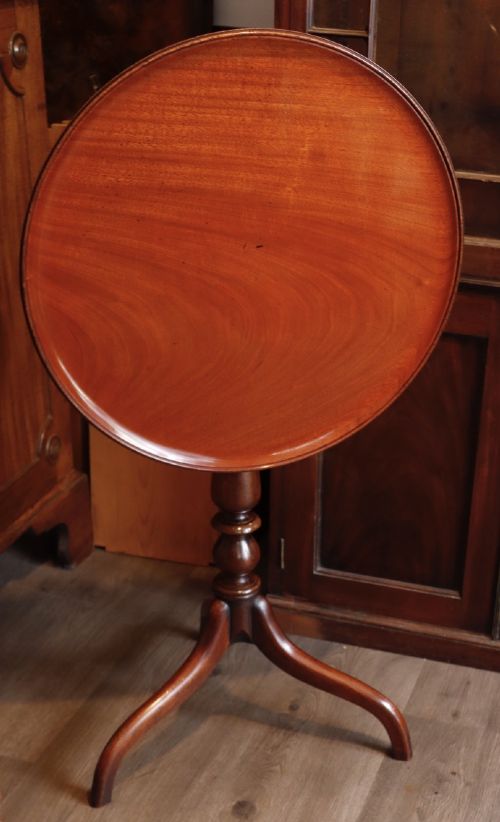
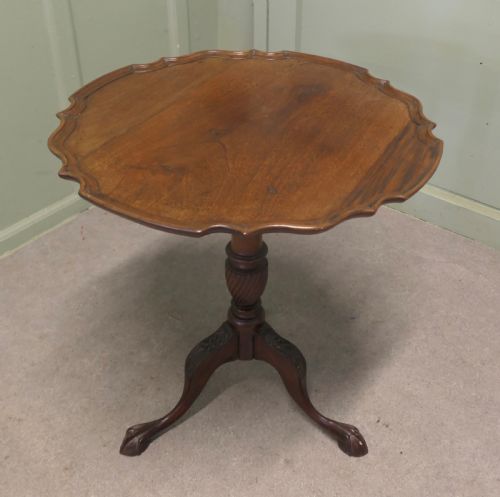
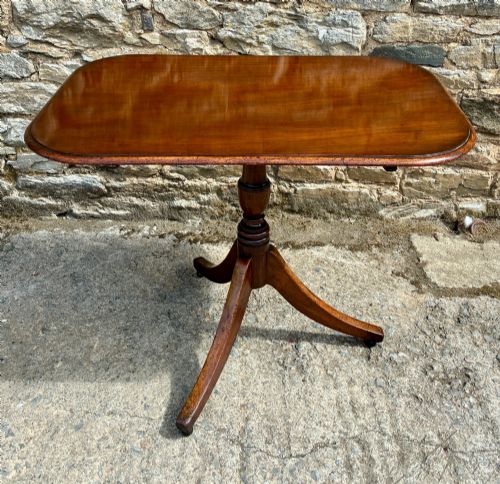
A rich brown tea table is essentially a piece designed to host evening tea or social gatherings, spanning eras from the Georgian epoch through the Victorian period and into Edwardian times. You will frequently encounter forms such as fold-over card tables, tilt-top occasional tables, and drop-leaf designs.
The materials recorded across these pieces rely heavily on rich timbers like mahogany, walnut, and pollard oak, often accented with boxwood and satinwood inlay. These variations demonstrate how cabinetmakers adapted standard tea furniture into games tables, console tables, and centre tables.
Originating predominantly from 18th-century workshops and continuing through 19th-century revivals, these tables offer versatile surfaces for modern interiors. The selection ranges from spider-leg frames to sturdy birdcage tripods and two-tier stands.
Materials and construction
Makers constructed these tables primarily using solid and figured mahogany, walnut, and pollard oak to achieve deep, rich brown tones. Cabinetmakers integrated satinwood and boxwood inlay for decorative contrast on tabletops and borders.
Techniques such as tilt-top birdcage mechanisms, spider legs, and fold-over hinges allowed surfaces to adapt for compact storage or social use. Turnery, brass fittings, and drop-leaf joints completed the structural framework of these timber pieces.
Some tilt-top tables include a hidden birdcage pivot, letting the surface spin around while you ponder your afternoon tea.
Assessing quality in period tables
Quality rests upon the depth of the timber's grain and the crispness of any inlay work, such as satinwood or boxwood details set into figured mahogany. Superior examples display careful timber selection where the grain patterns flow naturally across the folding leaves or top surfaces.
Construction methods also distinguish finer pieces, visible in the smooth operation of tilt-top mechanisms, birdcage supports, and stable tripod or spider-leg joints. A well-made table maintains structural integrity without losing the rich coloration developed across the centuries.
The Rich Brown Tea Table Glossary
- Tilt top
- A tabletop mounted on a pivot mechanism that allows the surface to tilt vertically when not in use. This design saved space in period rooms.
- Birdcage
- A revolving wooden framework beneath a tabletop that permits the surface to both rotate and tilt. It is typically found on 18th-century tripod tables.
- Spider leg
- A slender, delicate leg structure braced with numerous thin stretchers, common on small occasional and tea tables from the Georgian period.
- Teapoy
- A small stand or chest originally designed to hold tea caddies, sugar, and mixing bowls during the 18th and 19th centuries.
- Demi-lune
- A half-moon shape characteristic of console and card tables designed to sit flush against a wall.
Rich Brown Tea Table: Frequently Asked Questions
What is a rich brown tea table used for today?
These tables function well as occasional surfaces for lamps, books, or drinks in modern reception rooms. Their compact proportions and drop-leaf or fold-over mechanisms allow them to fit into smaller spaces.
Historically designed for serving tea or playing cards, they now add period character and rich timber tones to contemporary interiors.
How should I care for a mahogany tea table?
Keep the timber away from direct sunlight and heat sources to prevent the wood from drying out or splitting. Dust the surface regularly with a soft cloth.
Apply occasional appropriate wax polish to maintain the rich brown lustre of the mahogany and protect the grain.
What does fold-over mean on a table?
A fold-over top consists of a hinged double surface that opens out to double the available table area. This design was particularly popular for card and tea tables.
When closed, the table occupies half the floor space, functioning as a console or side table against a wall.