
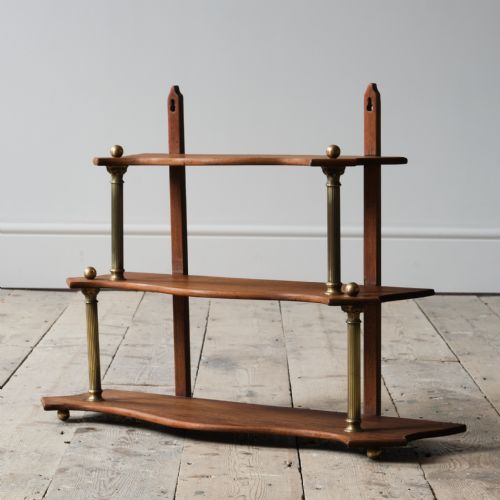
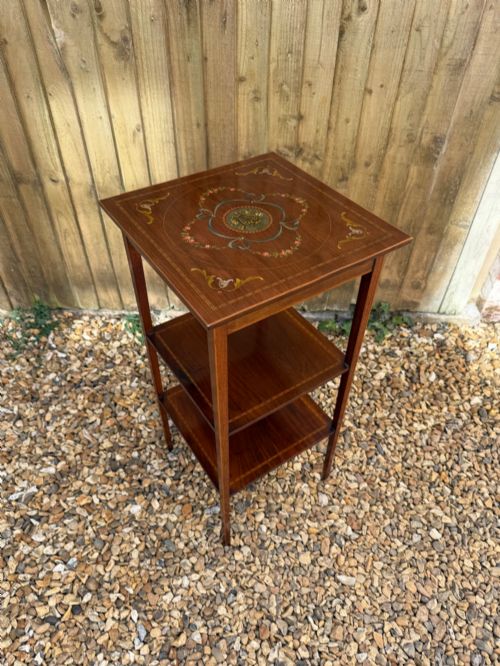
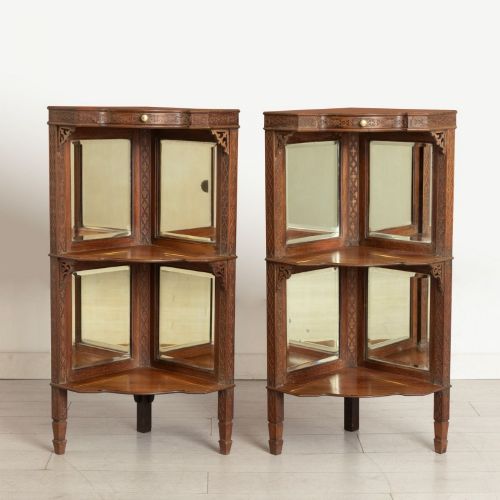
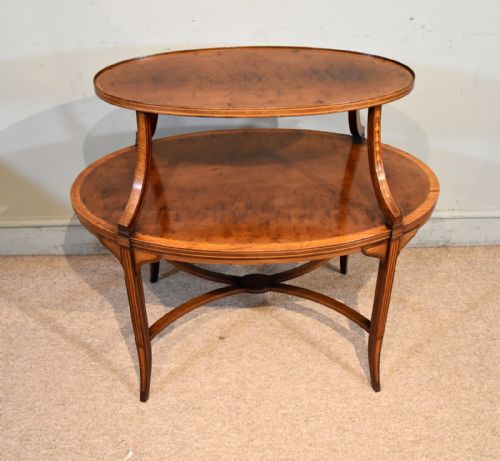


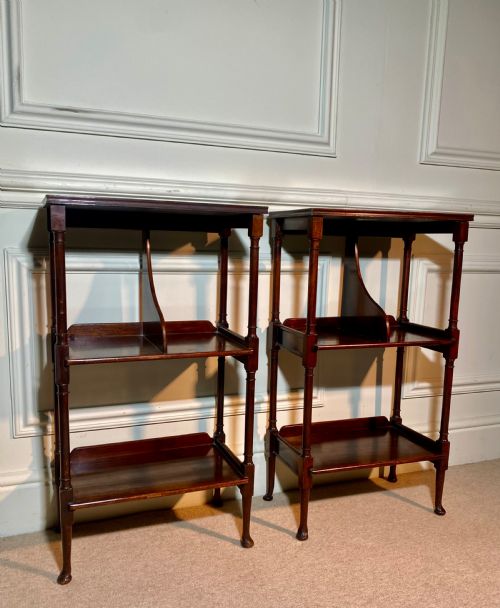


Edwardian Mahogany Etagere
An Edwardian mahogany etagere brings tiered display space and refined joinery into a room, offering a versatile surface for plants, books or drinks.
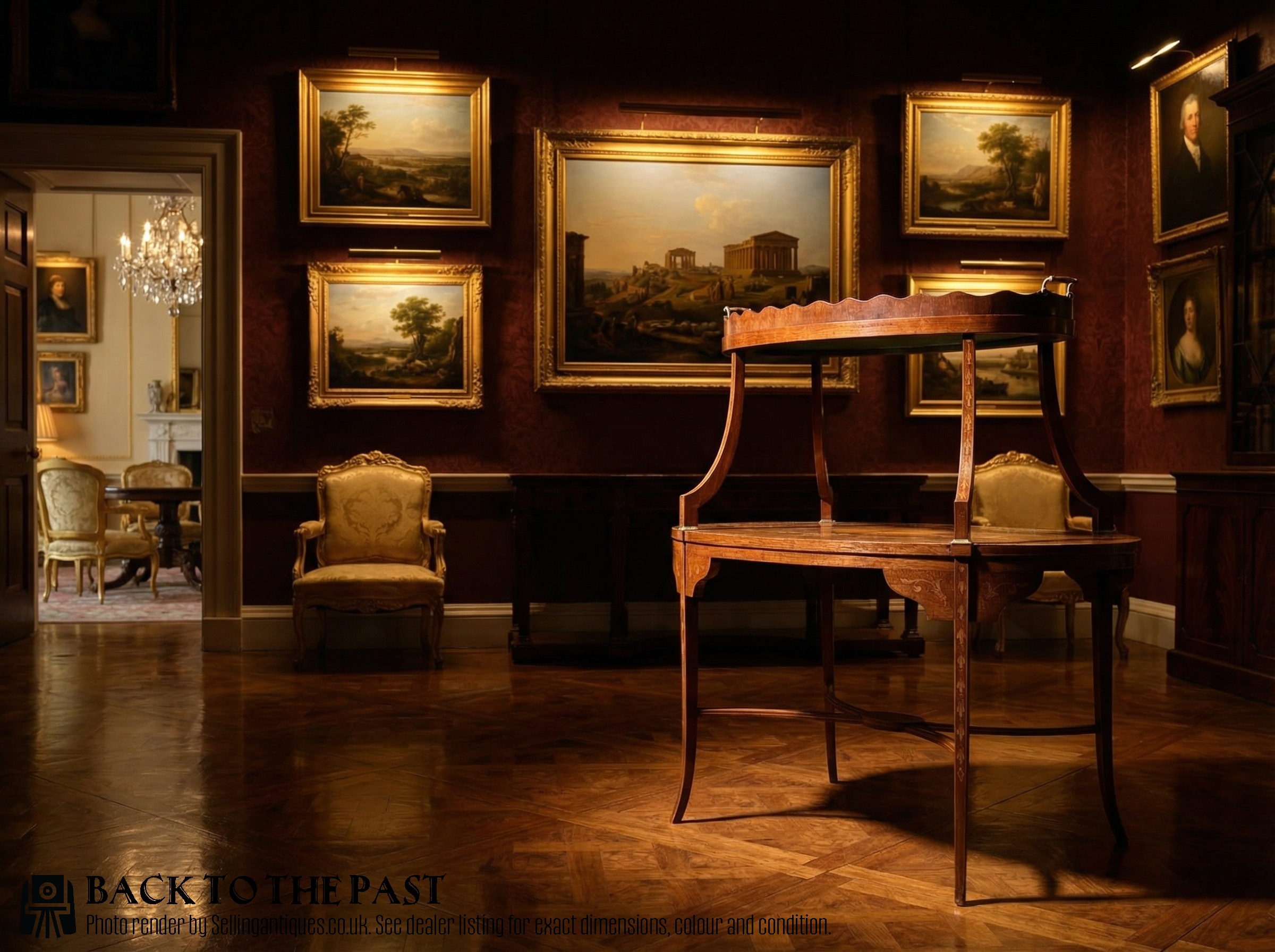
Edwardian Mahogany Etagere
When searching for an edwardian mahogany etagere, buyers encounter multi-tiered open furniture designed for display and occasional service. These pieces typically take the form of two or three tiered tables, tray-top stands or freestanding shelving units.
The selections span the Edwardian period and the late nineteenth century, alongside revival styles that imitate Georgian and Regency designs. Makers constructed these units in rectangular, circular and oval formats, often incorporating removable trays or corner cabinets.
Most examples rely on solid mahogany and mahogany veneers, frequently paired with lighter contrasting timbers to form decorative surfaces. Their tiered structure allows for practical utility in domestic spaces without dominating a room.
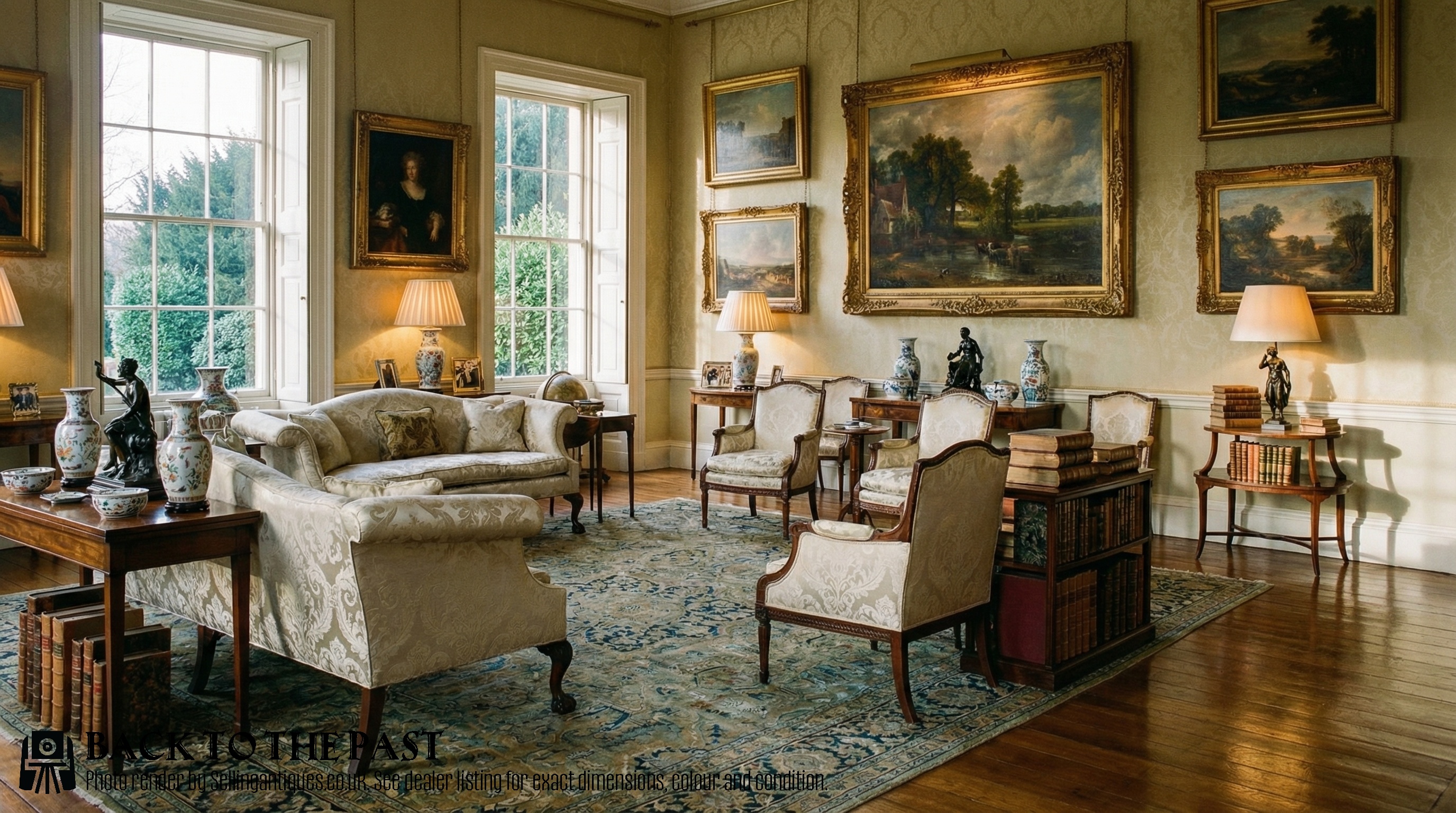
How they were made
Cabinetmakers built these pieces using solid mahogany and mahogany veneers applied to secondary timbers, shaping upright supports, turned legs and tiered platforms. The structural framework frequently incorporates brass castors, handles or hinges.
Decoration relied on contrasting timber inlays, utilising satinwood, boxwood and marquetry motifs to trace borders and central panels. Glass inserts, mirror glass panels and marble tops also appear in specific variants.
Joinery techniques included mortise and tenon joints for frames alongside delicate edge mouldings on tray tops and shelves. Surfaces received polish finishes that highlighted the deep grain patterns of the primary wood.
Edwardian Mahogany Etagere Retail Price Guide 2026
Typical asking prices for edwardian mahogany etagere among the pieces listed under this phrase on Sellingantiques today, from the lower quarter to the upper quarter. They describe what is for sale here now, not the wider market.
Current listings feature mahogany paired with satinwood inlay, brass hardware, mirror glass and marble across multiple tiers.
What varies in quality
The standard of an edwardian mahogany etagere depends upon the precision of its timber selection and the crispness of its inlay work. Finer examples display carefully matched veneer grains and intricately cut satinwood or boxwood details rather than stamped transfers.
Structural integrity separates basic utility pieces from superior workshop output, visible in the rigidity of tiered uprights and the secure fit of removable trays. The inclusion of original brass hardware and castors further distinguishes higher grade manufacturing.
Proportion and balance dictate the aesthetic success of each unit, with better examples maintaining refined profiles across multiple tiers. The delicacy of turned elements and the cleanliness of edge mouldings reflect the skill invested by the maker.
Edwards & Roberts
The Edwardian Mahogany Etagere Glossary
- Etagere
- A piece of furniture consisting of several open shelves or tiers for displaying small objects. These freestanding stands were popular for ornaments and occasional service.
- Marquetry
- Decorative veneer work forming pictures or patterns by using different woods, shells or ivory. Craftsmen inlaid these designs into the primary mahogany surfaces.
- Tray top
- A raised rim around the edge of a table or shelf designed to prevent items from sliding off. Some versions feature removable glass-bottomed trays.
- Satinwood
- A durable, yellowish-blonde timber utilised for contrasting stringing and inlay details on dark mahogany furniture. It provided bright visual borders.
- Whatnot
- A nineteenth-century multi-tiered shelving unit used for books or ornaments. The term frequently overlaps with etagere and open display stands.
Edwardian Mahogany Etagere: Frequently Asked Questions
What is an edwardian mahogany etagere used for?
These tiered stands served historically for displaying decorative ornaments, holding tea service items or placing bedside books within a home. Their open multiple levels provided convenient surface space without blocking light or views across a room.
Today, they function well as lamp tables, plant stands or auxiliary display surfaces in sitting rooms and hallways. The removable tray variants offer practical utility for serving drinks or moving items between rooms.
How do I distinguish Edwardian pieces from earlier styles?
Edwardian furniture often reinterprets earlier Georgian and Sheraton Revival aesthetics through lighter proportions and brighter mahogany finishes. Cabinetmakers of this era combined traditional joinery with machine-assisted veneer preparation, producing refined decorative surfaces.
Examining the secondary timbers, interior drawer construction and hardware fixings helps separate original late nineteenth-century manufacture from later revivals. Stylistic cues like satinwood banding and marquetry details provide further chronological clues.
Are these tables sturdy enough for daily use?
The multi-tiered construction relies on slender upright supports and corner posts, meaning they are designed for lighter decorative objects rather than heavy storage. While stable on flat floors, they require careful placement to avoid tipping from lateral pressure.
Checking the tightness of joints where shelves meet the vertical supports ensures structural reliability. Retaining original castors or steady feet keeps the base level during everyday placement.
How should I care for mahogany and satinwood surfaces?
Maintenance involves dusting regularly with a dry, soft cloth to prevent particulate accumulation on polished wood and veneer edges. Avoid placing furniture in direct sunlight or near heat sources to prevent timber shrinkage and veneer lifting.
Applying occasional appropriate furniture wax helps preserve the sheen of the polish without building up greasy residue. Protecting surfaces from moisture rings requires coasters beneath glasses or damp objects.