


Rich Brown Credenza
A rich brown credenza brings deep timber tones and stately storage to a dining room or hallway.
Rich Brown Credenza
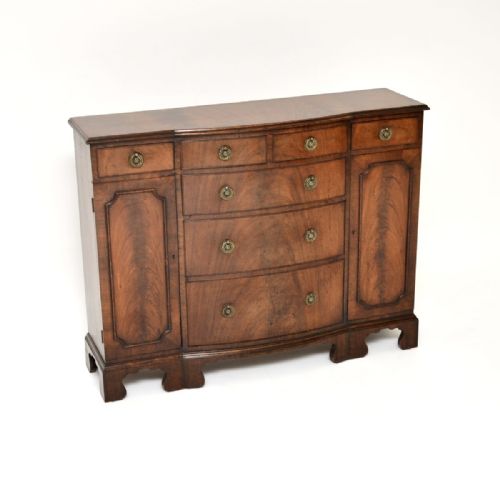
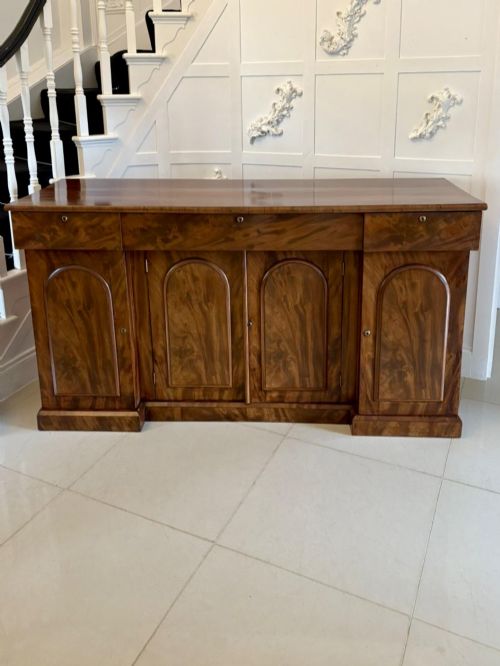
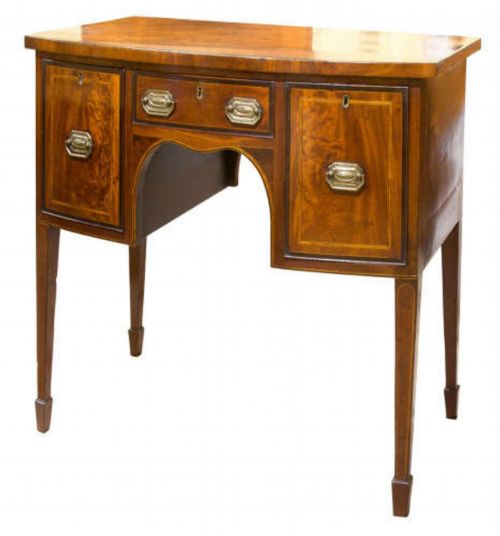
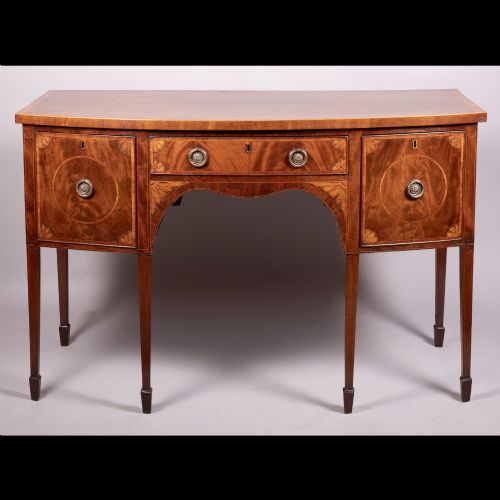
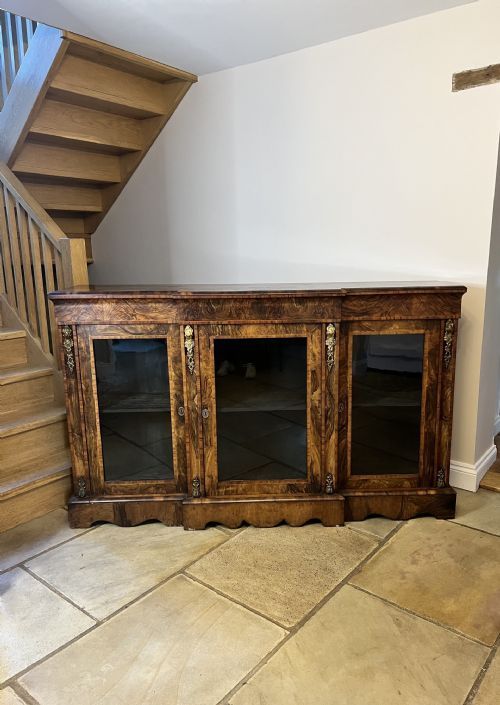
When you search for a rich brown credenza, you encounter a variety of large storage furniture, most frequently appearing as Victorian or Georgian mahogany and walnut sideboards, servers, and chiffoniers. These timber pieces offer deep colouration and substantial presence, serving as functional storage for dining rooms and hallways.
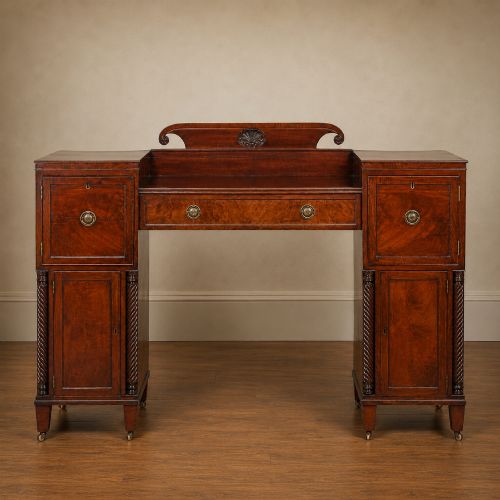
The selections span centuries of cabinet-making, encompassing 18th-century George III bow-front designs, Regency pedestal models, and mid-Victorian breakfront cabinets. Mahogany and walnut dominate the offerings, often displaying rich grain patterns like flame veneer or burr walnut.
Object forms range widely from traditional serving tables and dresser bases to four-door cabinets and bookcases. Buyers select these items to anchor a room with period character while providing enclosed storage for tableware and household items.
Materials and construction
Cabinet-makers relied heavily on solid timber and choice veneers, utilising mahogany, walnut, oak, and exotic woods like purpleheart and goncalo alves. Surfaces often featured applied veneers such as flame mahogany or burr walnut to highlight natural figuring.
Construction techniques included dovetailed drawer construction and mortise and tenon joinery. Brass hardware, including handles, gallery rails, and occasionally ormolu mounts, added functional and decorative contrast to the dark timber surfaces.
Rich Brown Credenza Retail Price Guide 2026
Typical asking prices for rich brown credenza among the pieces listed under this phrase on Sellingantiques today, from the lower quarter to the upper quarter. They describe what is for sale here now, not the wider market.
Pedestal sideboards and breakfront bookcases form the majority of large case furniture offerings seen across these historical styles.
What separates quality pieces
Quality rests in the selection of the timber and the subtlety of its figuring, with carefully matched flame mahogany or burr walnut elevating a piece above plain boards. Superior examples display refined proportions, whether in miniature scale or grand breakfront formats.
Execution of carved details and the integration of secondary woods indicate the level of craftsmanship involved. Well-executed banding, stringing, and original brass fittings further distinguish the finest examples from standard production.
The Rich Brown Credenza Glossary
- Breakfront
- A piece of furniture where the central section projects forward from the flanking outer sections. This architectural arrangement creates depth and visual interest on large sideboards and cabinets.
- Pedestal sideboard
- A form featuring two distinct pedestal cupboards flanking a central serving surface or drawer section. This layout became popular during the Regency and Victorian periods.
- Chiffonier
- A compact sideboard or cabinet, typically featuring a shelf or back above a low enclosed cupboard. These pieces were common in Victorian interiors for serving and display.
- Bow-front
- A curved front convex in shape, often found on 18th and 19th-century sideboards. This curved silhouette softens the rectangular lines of dining room furniture.
- Burr walnut
- A wood harvested from walnut tree growths that produces highly swirled, complex grain patterns. Cabinet-makers used these prized veneers on prominent door and drawer surfaces.
Rich Brown Credenza: Frequently Asked Questions
Where should I place a sideboard?
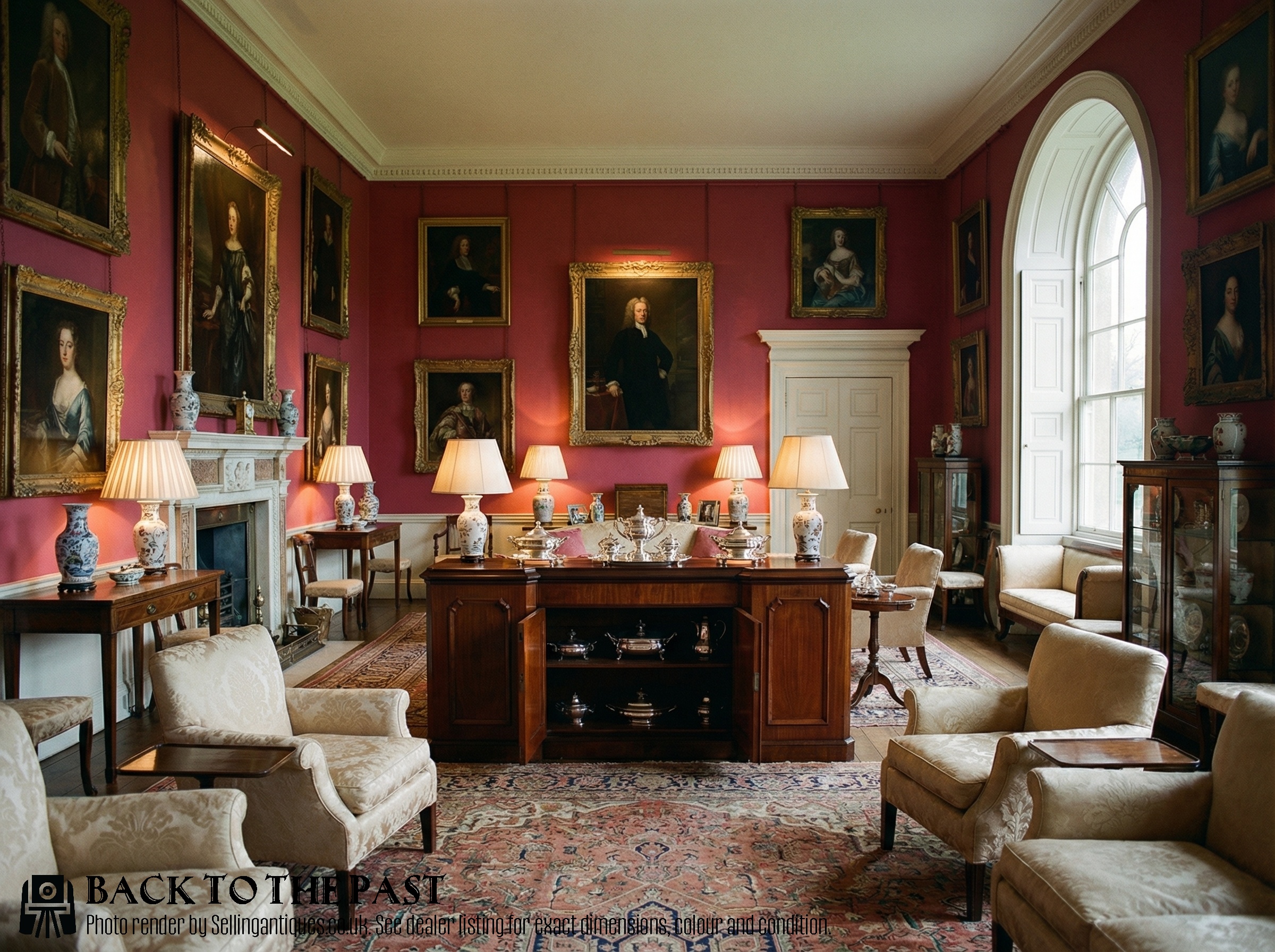
These large timber pieces find a natural home in dining rooms, where they store tableware, linens, and serving dishes.
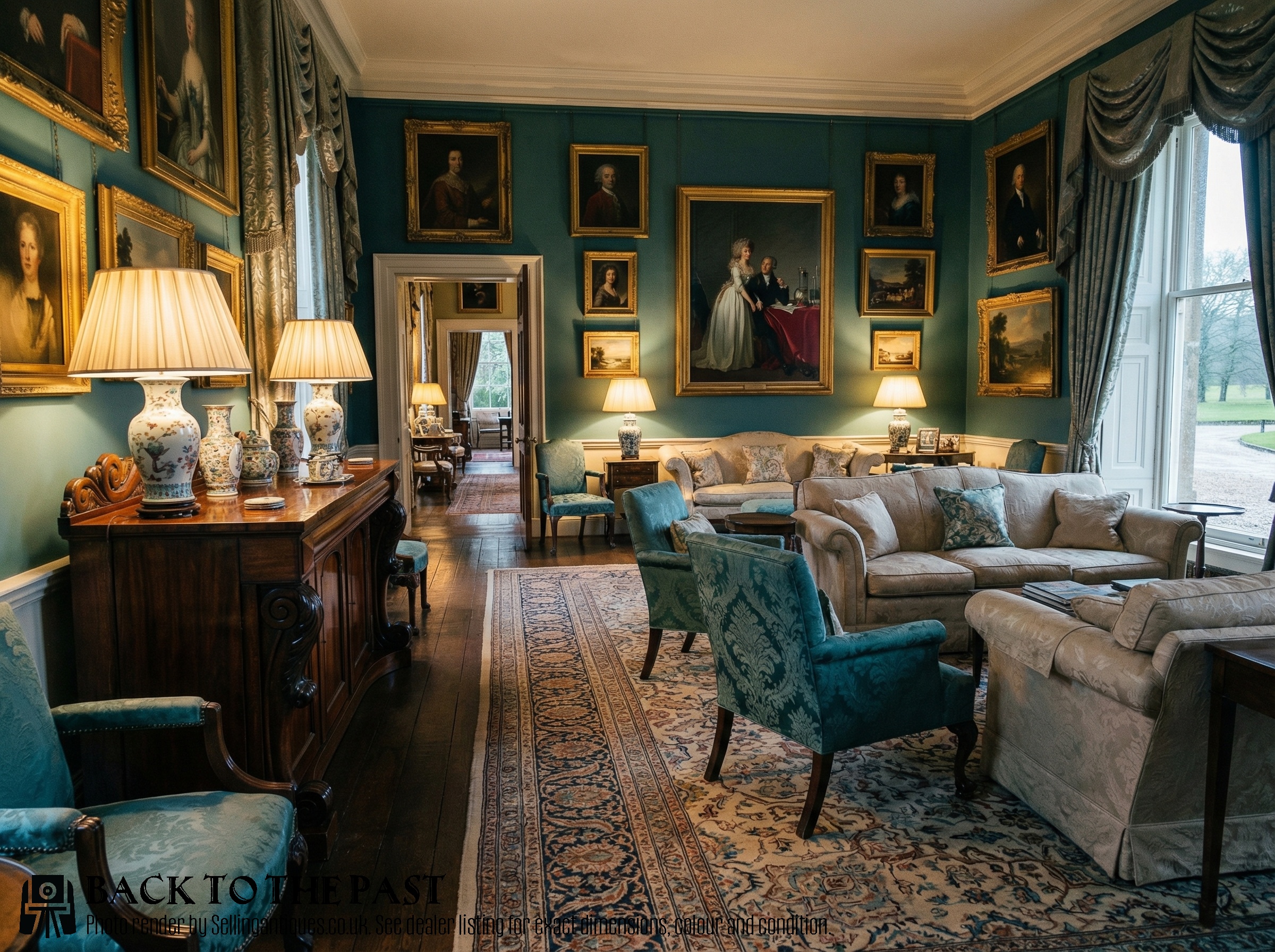
They also suit spacious hallways and living areas, offering a solid surface for lamps and decorative objects while concealing clutter.
How do I clean mahogany?
Dust timber surfaces regularly with a soft, dry cloth to prevent the buildup of particles that can scratch the polish.
Apply a quality beeswax periodically to nourish the wood and maintain a soft, protective sheen without using harsh chemical sprays.
How do I identify Regency style?
Regency furniture draws inspiration from classical antiquity, featuring clean architectural lines and exotic wood veneers.
Pieces often incorporate brass inlay, lion paw feet, or pedestal supports, reflecting taste from the early 19th century.
What is a chiffonier?
A chiffonier is a small sideboard or cabinet that typically includes enclosed lower cupboards and sometimes a raised shelf.
Popular in the Victorian era, these compact units provided convenient storage and display space in smaller rooms.