
Victorian Dining Room Server
These Victorian dining room server pieces bring robust nineteenth-century timber and practical service space directly to the modern interior.
Identifying the Victorian dining room server
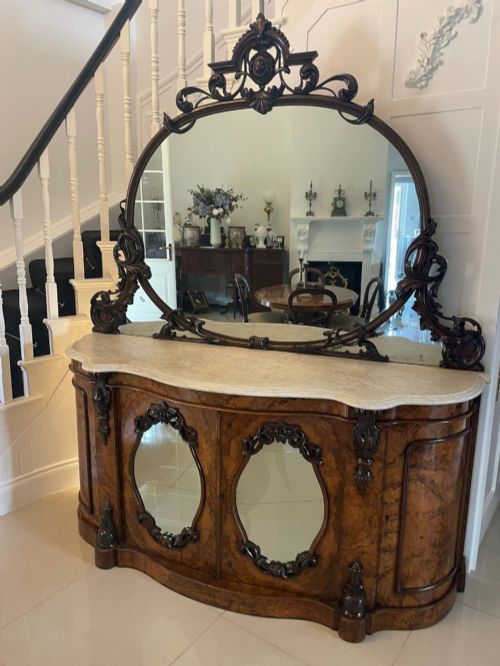
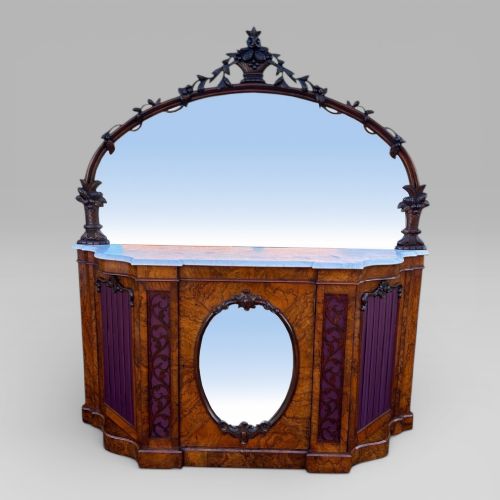
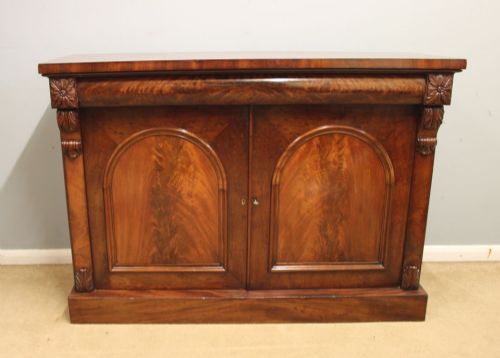
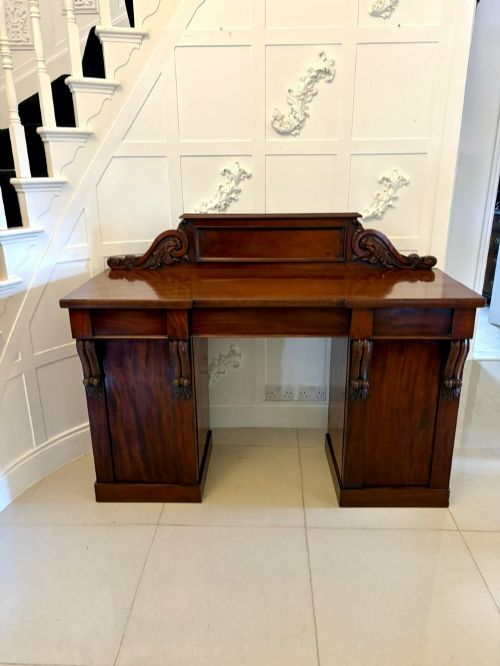
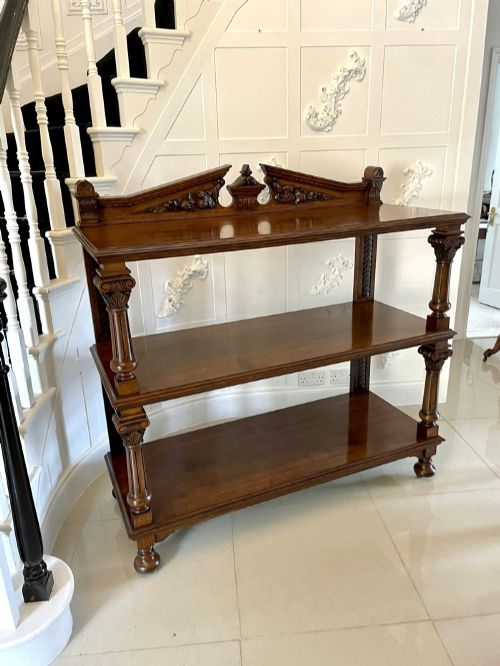
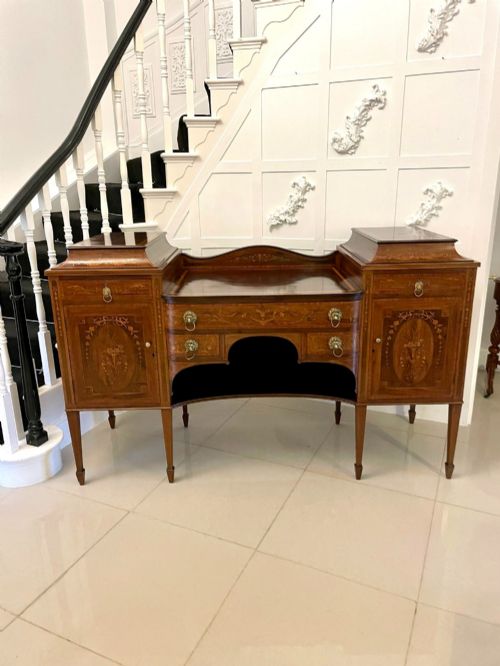
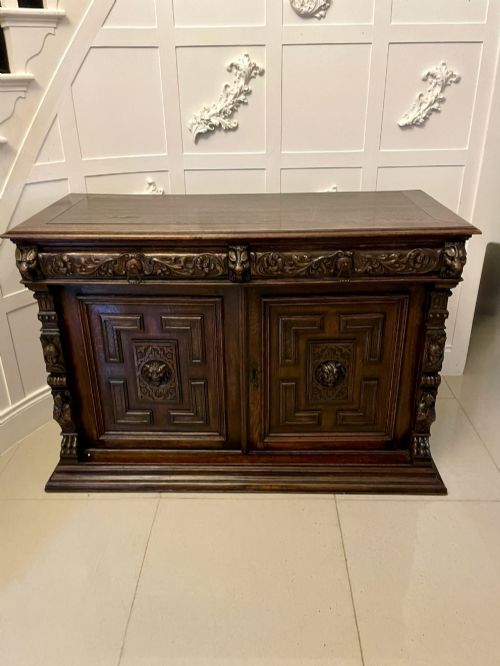
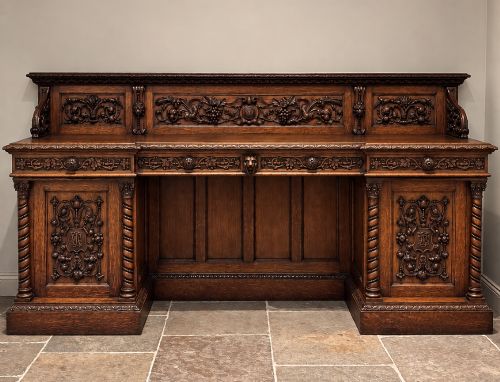
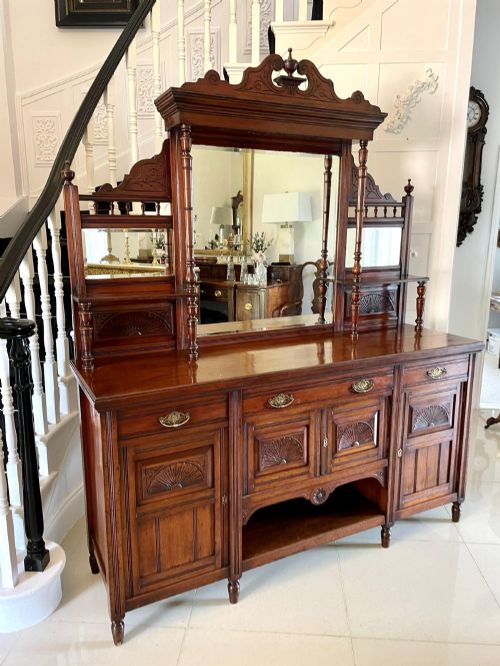
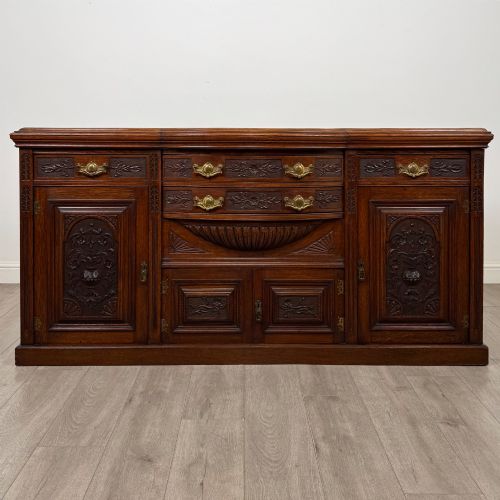
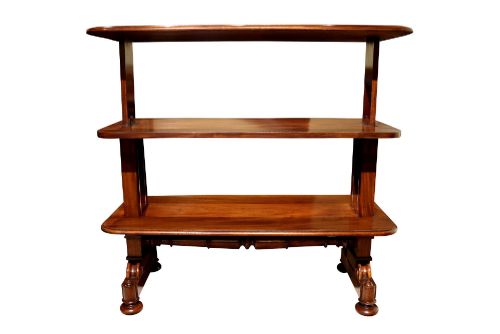
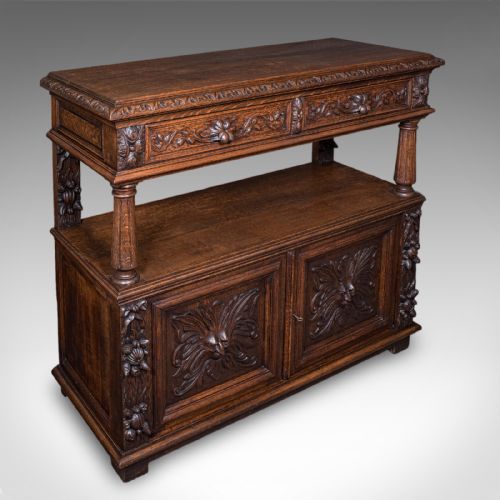
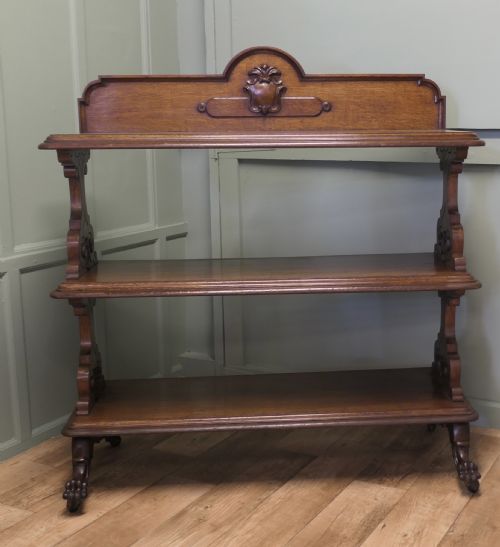
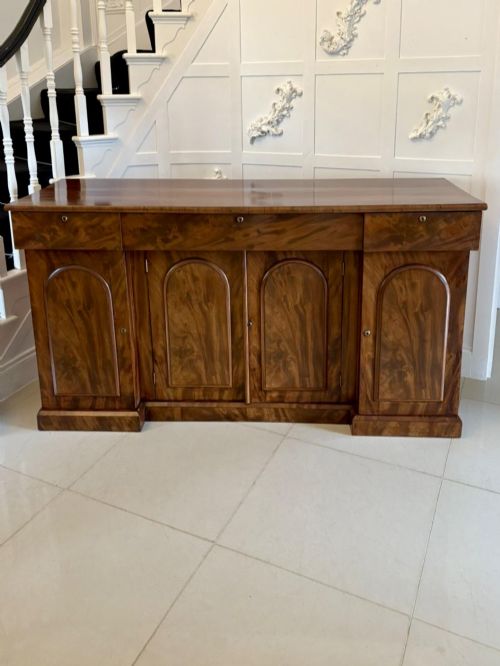
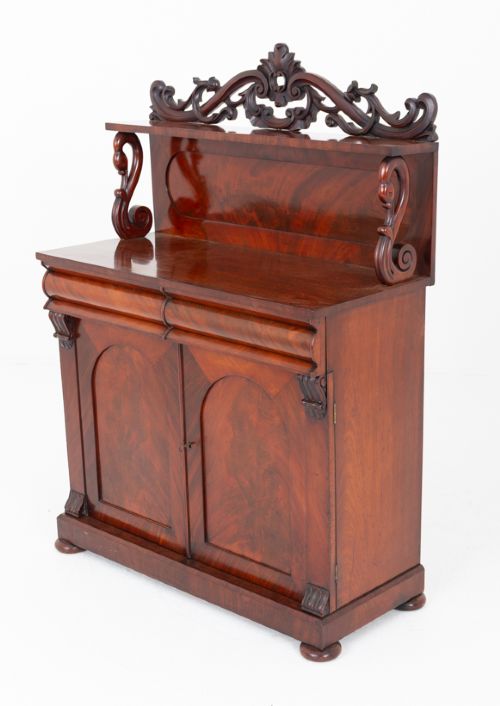
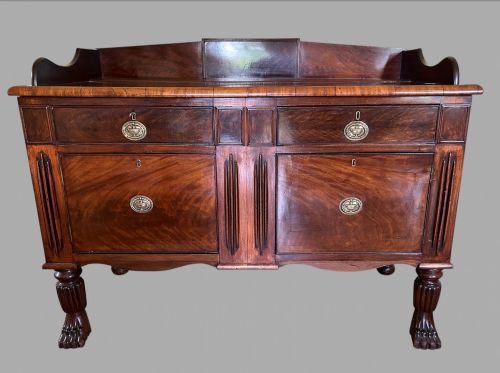
A Victorian dining room server encompasses a variety of substantial nineteenth-century storage and display furniture designed specifically for the formal dining space. The selections on this page range from architectural oak pieces in the Gothic taste to tiered mahogany buffets and rosewood chiffoniers.
Buyers frequently encounter pieces dating from the 1850s to the 1880s, alongside earlier transitional William IV designs. These take the form of sideboards, dumb waiters, and side cabinets intended for holding service ware during meals.
Materials and construction methods
Cabinetmakers of this period relied heavily on solid timber and rich veneers, constructing carcases primarily from mahogany, flame mahogany, oak, and rosewood. These dense woods provided the necessary structural integrity for heavy sideboards and multi-tiered servers.
Metal components such as brass frequently appear in operational hardware and fittings, particularly on mechanical pieces like rise and fall tier systems. Joinery techniques were robust to support heavy service vessels and tableware.
Retail Price Guide 2026
Typical UK retail prices for victorian dining room server, calculated from the Sellingantiques database of over a million retail prices indexed since 2003. This retail price guide relies exclusively on Sellingantiques data; no external sources or auction records are used, so the figures do not describe the wider market.
The listings span the nineteenth century, including specific dates from 1830, 1850, 1860, and 1880 alongside general Victorian periods.
Assessing quality and craftsmanship
Superior examples distinguish themselves through the selection of highly figured timber, such as flame mahogany or richly grained rosewood, matched across large door panels and tier surfaces. The depth of the carved detailing, particularly in Gothic Revival pieces, separates standard production from exceptional workshop output.
The sophistication of the mechanical elements also dictates the tier of quality. Smooth operation in rise and fall mechanisms or well-fitted drawer construction reflects the greater investment of time by nineteenth-century makers.
The Victorian Dining Room Server Glossary
- Chiffonier
- A low sideboard or cabinet featuring shelves or a raised back, commonly used in nineteenth-century dining rooms for displaying glass and china. The form evolved from simpler side tables to include enclosed cupboards beneath.
- Dumb waiter
- A tiered serving table or stand fitted with multiple shelves designed to hold dishes without requiring constant attendance by servants. Examples from this era often incorporate mechanical rise and fall actions.
- Gothic Revival
- An architectural and decorative style drawing inspiration from medieval design, featuring pointed arches, heavy tracery, and robust proportions. This aesthetic proved particularly popular for large oak dining furniture.
- Flame mahogany
- A decorative veneer cut from wood where the branch meets the trunk, producing a distinctive flickering flame pattern. Cabinetmakers reserved this prized material for the most prominent display surfaces.
- William IV
- A transitional design period spanning the early nineteenth century that bridges late Regency and early Victorian styles. Pieces from this era often display bold classical proportions and heavy scrollwork.
Frequently Asked Questions
What is a victorian dining room server used for?
These pieces functioned primarily as auxiliary surfaces and storage units during formal nineteenth-century meals. They held heavy dishes, silverware, and glassware close to the dining table.
Today, they serve similar practical functions in modern homes while providing substantial surface area for display and storage in a dining room or hallway.
How do I date a sideboard?
Dating relies on observing stylistic markers, timber choices, and construction methods associated with specific decades of the nineteenth century. William IV pieces show heavier classical influences, while Gothic Revival items display distinct medieval motifs.
Examining the secondary woods inside drawers and the type of fixings used also helps narrow down the manufacturing period between 1830 and 1880.
What is the difference between a chiffonier and a sideboard?
A chiffonier is typically a more compact piece featuring enclosed lower cupboards and often a raised shelf or back panel for display. Sideboards are generally larger, longer pieces built specifically for extensive dining room storage.
Both forms appear frequently within nineteenth-century dining furniture categories, though chiffoniers offer a slightly lighter footprint.
How do I care for mahogany furniture?
Maintenance involves keeping the timber away from direct heat sources and strong sunlight to prevent the rich colour from fading or drying out. Regular dusting with a soft, dry cloth preserves the polished finish.
Applying a traditional beeswax periodically helps nourish the wood and maintains the natural lustre of nineteenth-century surfaces without building up heavy chemical residues.