


Reticulated Porcelain Dish
A reticulated porcelain dish brings openwork piercing and glazed ceramic form together, offering a decorative surface that collectors seek for display.
Reticulated Porcelain Dish
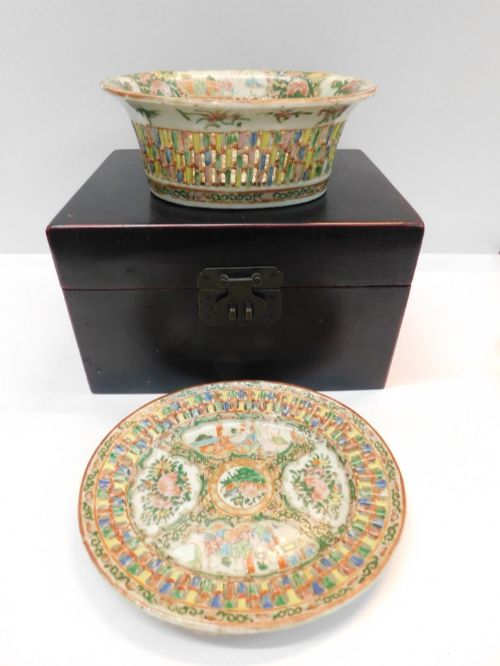
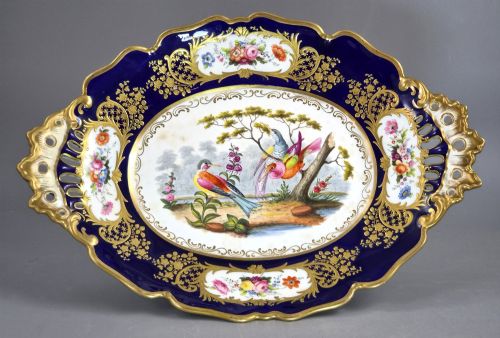
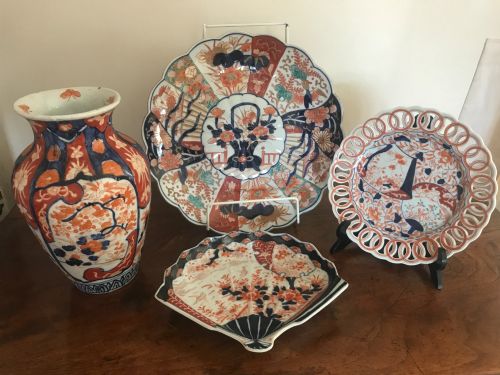
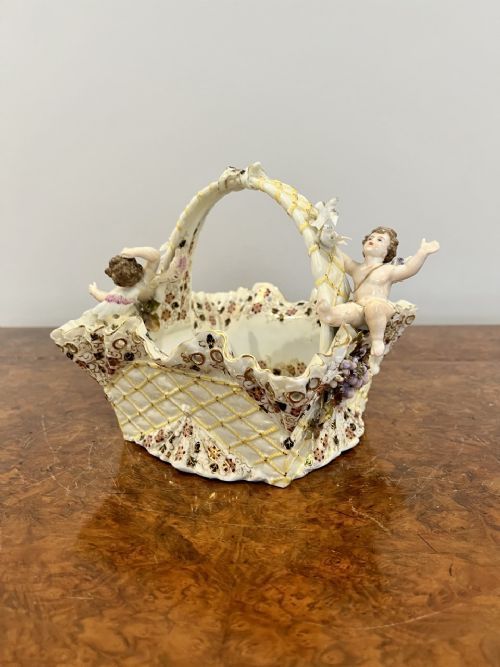
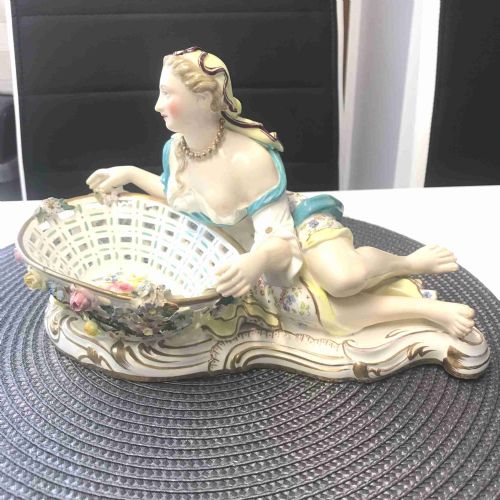
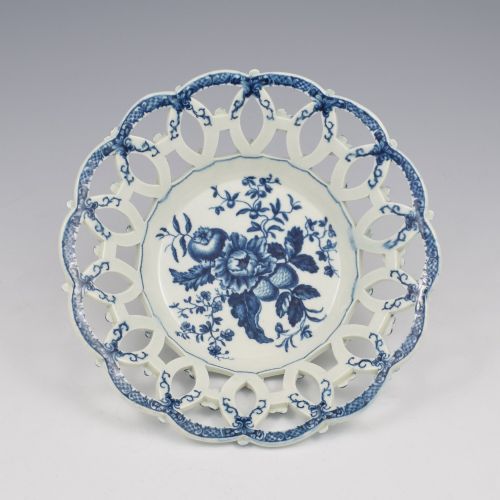
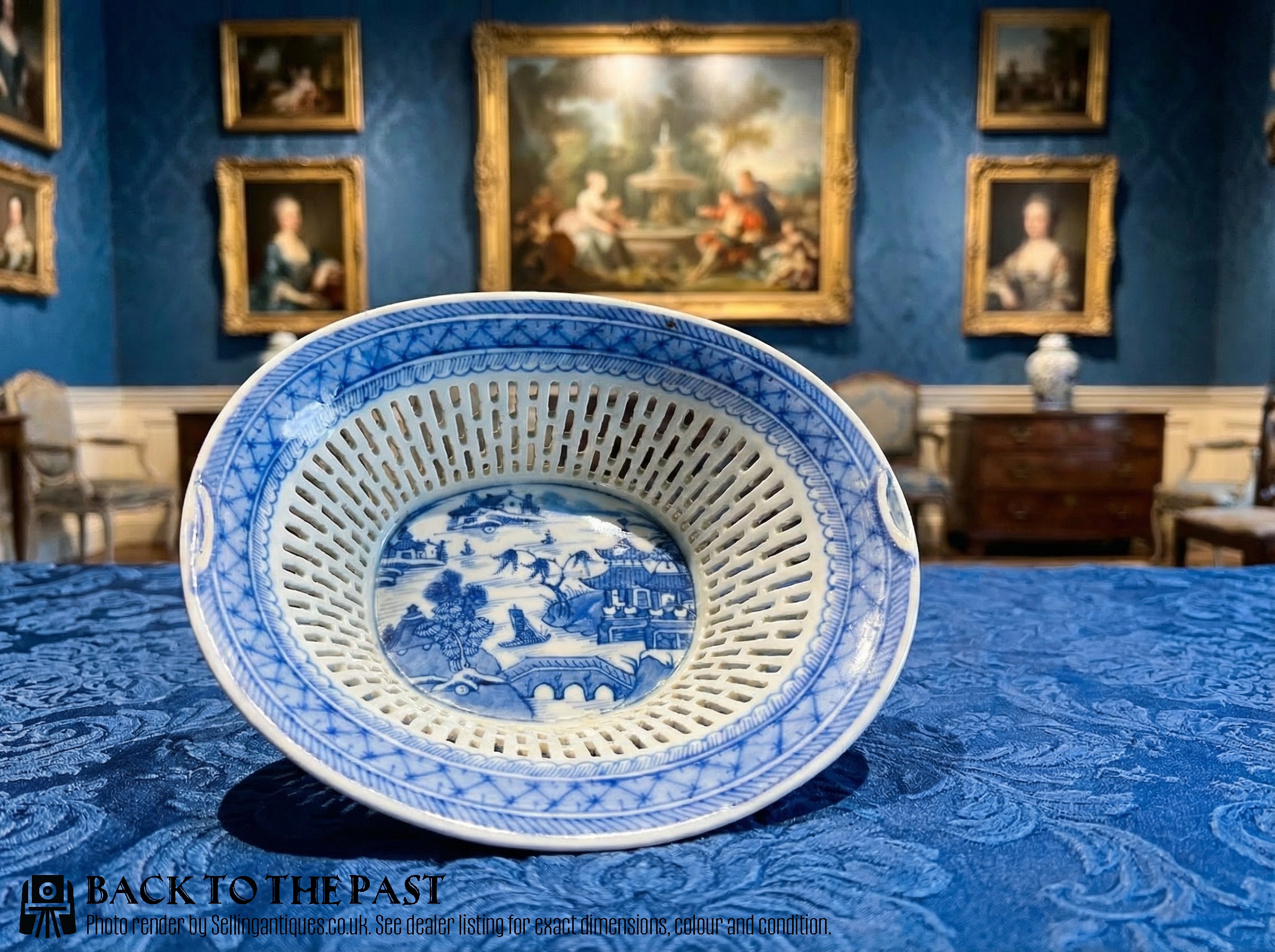
A reticulated porcelain dish is a pierced or openwork ceramic piece designed for display as a decorative plate, basket, or centrepiece. When you search for a reticulated porcelain dish, you encounter forms ranging from eighteenth-century English and continental baskets to nineteenth-century Japanese imari plates and Edwardian cabinet pieces.
The pieces on this page span the eighteenth, nineteenth, and early twentieth centuries, covering periods such as the Victorian and Edwardian eras alongside eighteenth-century production. You will find forms like chestnut baskets, ribbon plates, and oval dishes featuring pierced galleries and openwork borders.
Originating from major European factories, Chinese export workshops, and Japanese kilns, these items reflect diverse stylistic influences including Rococo Revival, Chinese Famille Rose, and Japanese Imari. They serve primarily as cabinet pieces, centrepieces, and decorative baskets rather than utility tableware.
How they were made
Makers shaped porcelain using ceramic paste combined with glaze, often applying cobalt blue, enamel, and gold leaf or gilding to finish the surface. Piercing and reticulation required cutting or punching openwork patterns into the soft clay before firing.
Hand-painted details frequently accompany the moulded or pierced elements, showing botanical, figural, or avian subjects executed in enamel. Artisans utilised established factory techniques to fire the ceramic body, apply glaze, and secure applied elements such as roses and putti.
Listings feature porcelain from the eighteenth century through the Edwardian period, utilising materials such as gold leaf, enamel, and cobalt glaze.
What varies in quality
Quality rests upon the precision of the piercing work and the crispness of the moulded basketweave or reticulated borders. Cleanly cut openwork without warping separates finer examples from heavier, less refined production.
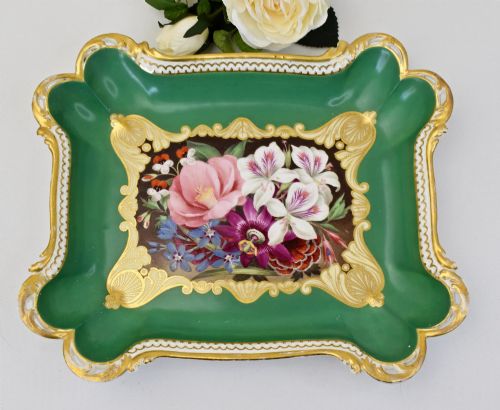
The standard of hand painting on the ceramic surface dictates distinction, particularly in polychrome enamel scenes, floral studies, and gilded highlights. Well-preserved gilding and delicate, finely executed painted motifs elevate a piece above standard factory output.
Coalport·Meissen·Minton·Royal Vienna·Schierholz·Royal Worcester·Mason s Ironstone·Dresden·Furstenberg·John Ridgway·Doe & Rogers
The Reticulated Porcelain Dish Glossary
- Reticulated
- Pierced or openwork patterning resembling a net or lattice, commonly cut into the rim of a dish or the body of a basket.
- Cabinet Plate
- A decorative plate intended for display in a cabinet or on a wall rather than for dining use.
- Chestnut Basket
- A deep pierced ceramic vessel with matching stand, traditionally utilised for serving chestnuts or fruit at dessert.
- Imari
- A style of Japanese export porcelain characterised by a palette of underglaze blue, iron red, and gold.
- Centrepiece
- A large decorative ceramic ornament placed in the middle of a table, often featuring figures or a pierced basket bowl.
Reticulated Porcelain Dish: Frequently Asked Questions
What is a reticulated porcelain dish used for?
These pieces function primarily as decorative cabinet plates, centrepieces, and ceremonial baskets rather than everyday tableware.
Historically, forms like chestnut baskets and dessert stands held food during formal dining, while modern collectors display them on walls, plate stands, or inside cabinets.
How do I identify the period of a porcelain dish?
Dating relies upon factory marks, stylistic traits such as Rococo Revival or Japanese Imari designs, and manufacturing techniques.
Eighteenth-century examples often display hand-potted bodies and early underglaze painting, whereas nineteenth and early twentieth-century pieces utilise mass-produced moulding alongside hand-finished enamel and gilding.
What does reticulated mean on porcelain?
Reticulation refers to the openwork or pierced lattice design cut into the ceramic body before firing.
This technique creates decorative borders and basketweave walls that allow light to pass through the porcelain.
How should I clean antique porcelain dishes?
Dust gently with a dry, soft brush to remove surface particles without disturbing fragile glazed or gilded areas.
Avoid submerging pieces with old repairs or delicate hand-painted enamel in water, as moisture can damage historical adhesives and pigments.