



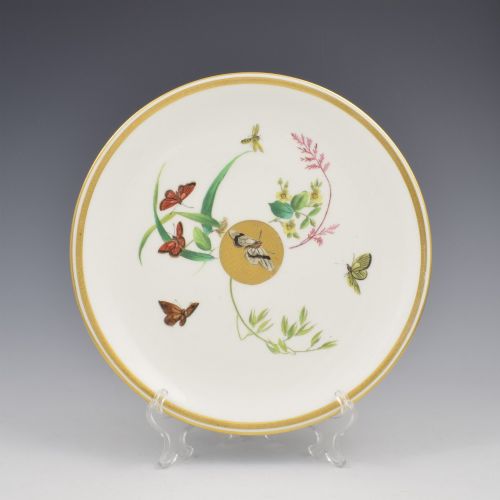

Victorian Cabinet Dish
A victorian cabinet dish is a decorative ceramic piece meant for display rather than dining.
Victorian Cabinet Dish
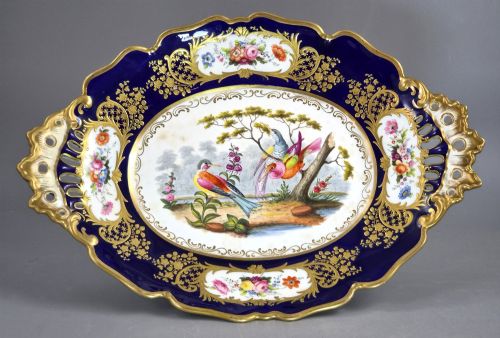
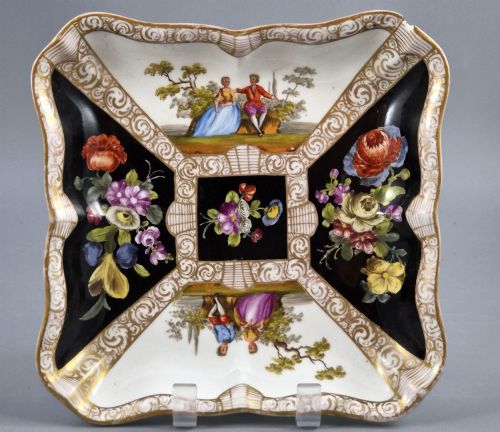
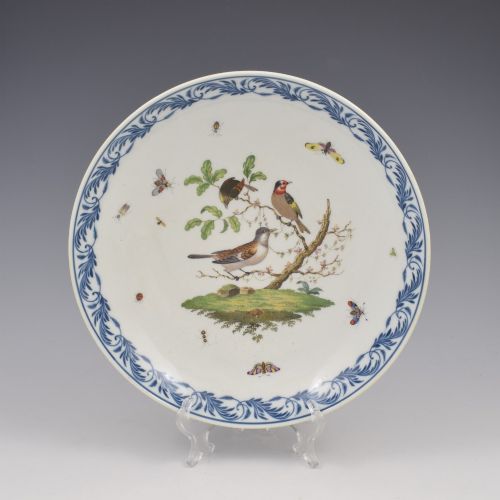
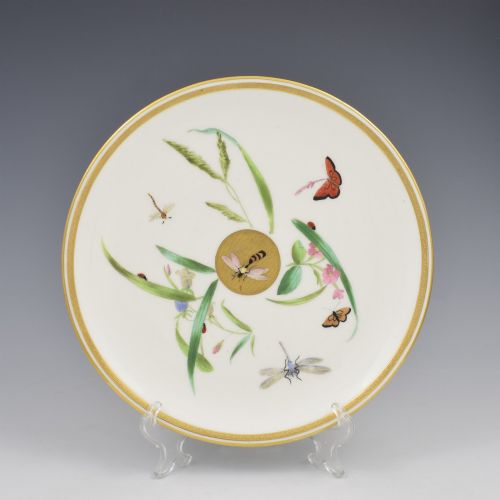
When you search for a victorian cabinet dish, you encounter a variety of highly decorated ceramic forms intended for visual display rather than everyday use. These items emerge primarily from the nineteenth century, spanning periods from the 1850s through the Edwardian era.
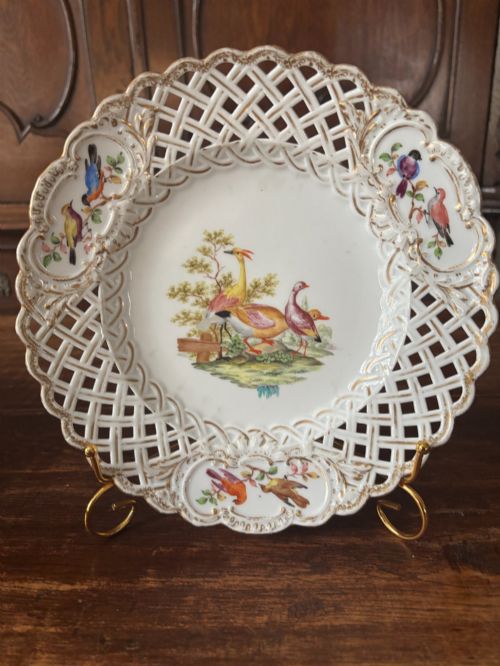
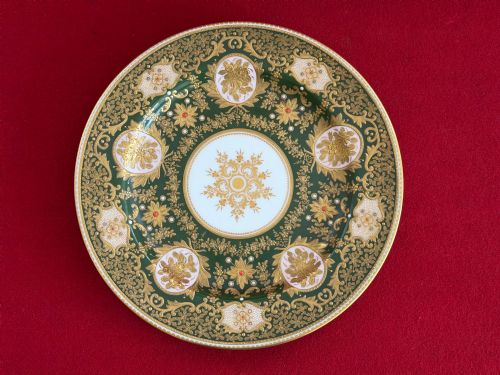
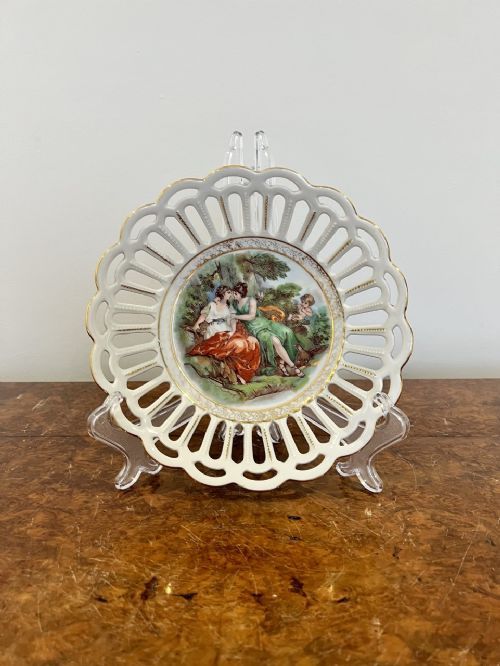
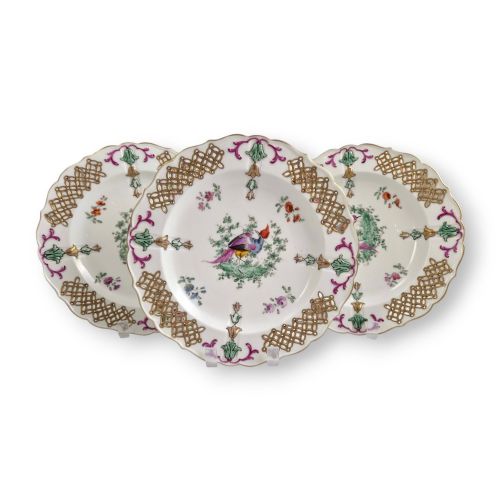
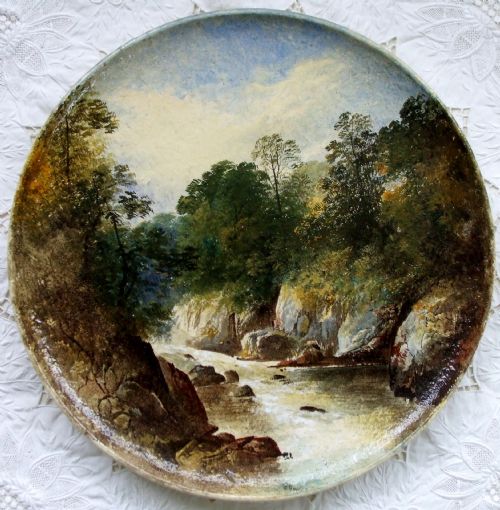
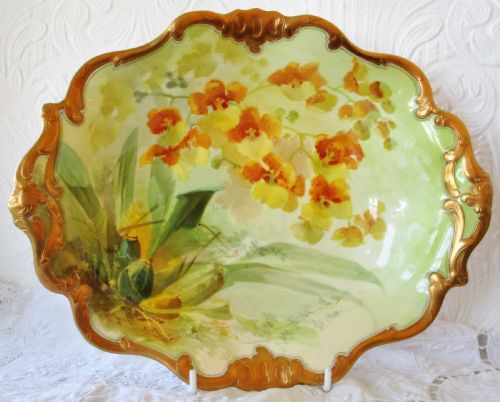
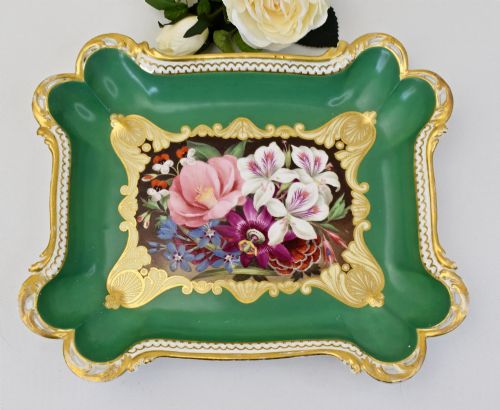
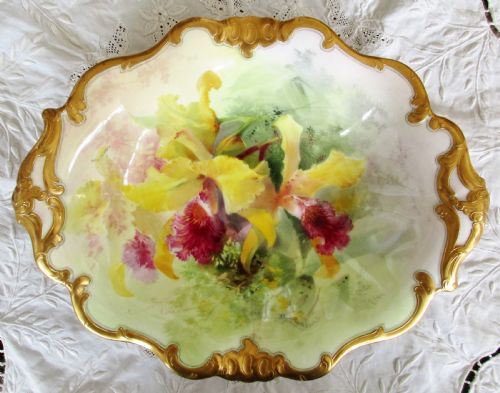
You are most likely to meet English and continental porcelain plates and dishes on this page. They frequently feature hand-painted scenes, botanical studies, or intricate gilding characteristic of Victorian and aesthetic movement tastes.
How they were made
Potters formed these pieces using porcelain, bone china, hard-paste porcelain, and ironstone as base materials. These bodies provided a smooth white ground suited to detailed painting and rich glazing.
Artisans applied enamel colours, gold leaf, and gilding by hand to decorate the surfaces. Many items also incorporated glaze treatments, reticulated pierced borders, and moulded basketweave textures into the clay body before firing.
Victorian Cabinet Dish Retail Price Guide 2026
Typical asking prices for victorian cabinet dish among the pieces listed under this phrase on Sellingantiques today, from the lower quarter to the upper quarter. They describe what is for sale here now, not the wider market.
Among the formal ceramics, unexpected natural forms like vintage sea shells and giant clam shells occasionally appear in the listings.
What varies in quality
The standard of painting distinguishes the finest cabinet dishes from simpler examples. Pieces bearing named botanical studies, landscape views, or figural scenes by known artists demonstrate greater skill than standard factory patterns.
The application of surface materials also defines the tier of a piece. Generous use of gold leaf, careful enamel work, and complex reticulated moulding separate superior display items from standard tablewares.
Royal Crown Derby·Coalport·Meissen·Minton·Royal Doulton·Copeland Pottery·Worcester·John Ridgway·James Rouse Jnr.·Dresden Helena Wolfsohn·Mason’s Ironstone·Royal Worcester·Kornilov Brothers·Aynsley
The Victorian Cabinet Dish Glossary
- Cabinet dish
- A decorative ceramic dish intended for display in a cabinet rather than for table service. These pieces usually feature elaborate hand-painted decoration or special glaze effects.
- Bone china
- A type of porcelain incorporating bone ash into the ceramic paste. This composition produces a strong, white, translucent body widely used by English factories.
- Hard-paste porcelain
- A durable ceramic material fired at high temperatures using kaolin and petuntse. It provides a hard, bright white surface suited to fine enamel painting.
- Reticulated
- Describes ceramic borders or sections featuring openwork pierced designs. Artisans cut these patterns into the clay before firing to create ornamental lattice effects.
- Gilding
- The application of gold or gold leaf to ceramic surfaces for ornamentation. This technique highlights rims, handles, and painted borders.
Victorian Cabinet Dish: Frequently Asked Questions
What is a cabinet dish?
A cabinet dish is an ornamental ceramic plate or tray produced primarily for display in a cabinet or on a wall. Rather than being used for serving food, these pieces highlight the artistic skills of nineteenth-century ceramic factories.
They often feature hand-painted scenes, botanical studies, or intricate gilding. Collectors prize them for their detailed artistry and connection to specific decorative periods.
How were cabinet dishes displayed?
Cabinet dishes were traditionally housed in glass-fronted display cabinets designed to protect fine porcelain from dust and damage. They were also mounted on walls using specialised wire hangers or displayed on mantelpieces.
This manner of display allowed owners to showcase expensive, highly decorated porcelain to guests. The focus remained entirely on the visual appeal of the painted surface.
How do I identify a Victorian piece?
Identifying a Victorian piece involves examining the factory marks, glaze types, and decorative styles stamped or painted on the reverse. Many nineteenth-century items bear registration numbers or specific maker ciphers that date their production.
Stylistic cues such as aesthetic movement motifs, rococo revival scrolls, and hand-painted ornithological or floral subjects also point toward the Victorian era. Comparing these elements with known factory records clarifies the period.
Are cabinet dishes fragile?
Cabinet dishes are made of porcelain, bone china, or ironstone, which makes them durable as ceramic objects but vulnerable to sharp impacts. The delicate raised enamel and gold leaf on the surface can also wear if handled improperly.
Living with these pieces simply requires stable placement away from high-traffic areas or vibrations. Gentle dusting with a soft cloth maintains their appearance over time.