


Reticulated Porcelain Bowl
A reticulated porcelain bowl brings intricate pierced craftsmanship to the table, offering a decorative vessel shaped by open lattice and delicate ceramic work.
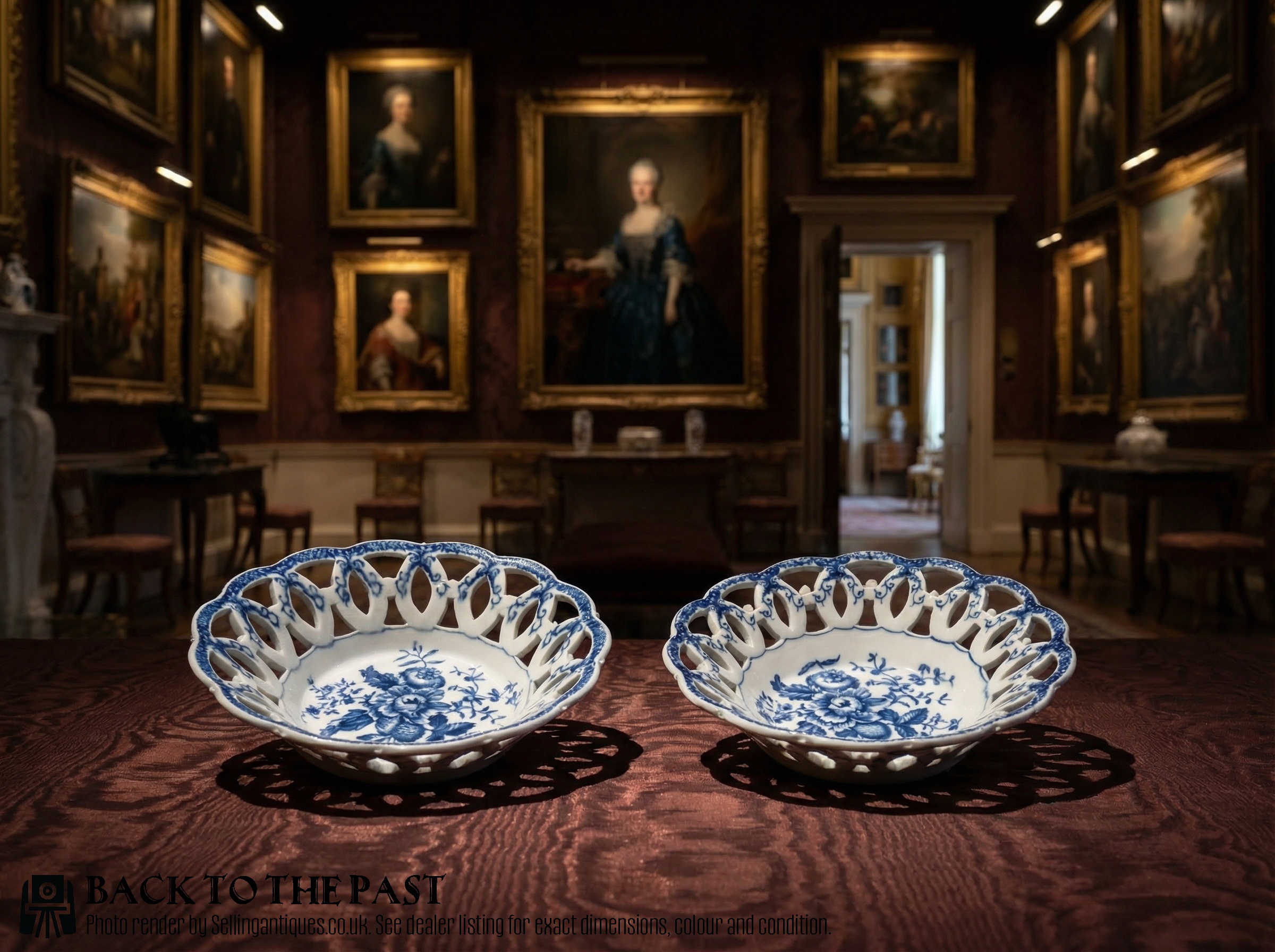
Reticulated Porcelain Bowl
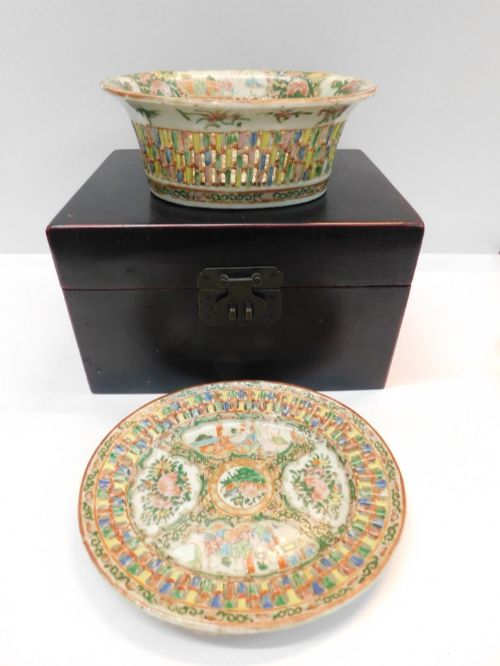
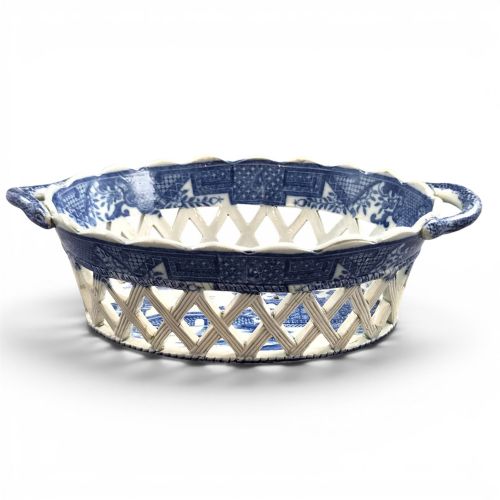
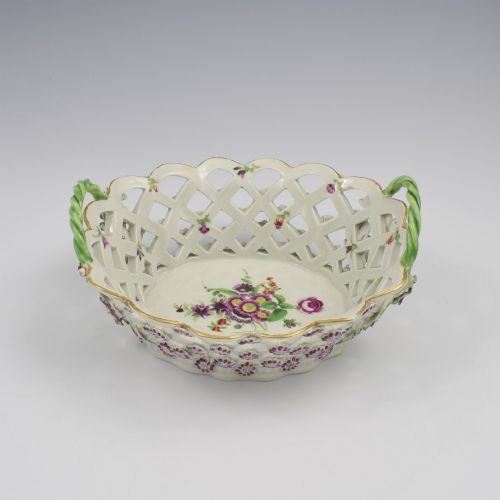
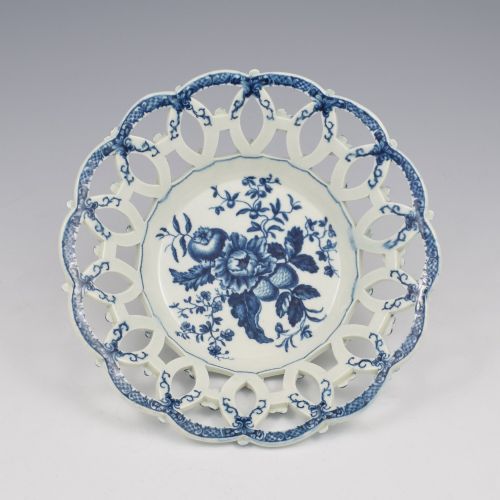
A reticulated porcelain bowl is defined by its pierced walls, featuring openwork lattice, woven basket patterns, or half-pierced galleries designed for presentation rather than heavy daily use. These pieces often take the form of chestnut baskets, sweetmeat dishes, centrepieces, and decorative bowls spanning English, continental European, and Chinese export traditions.
The selections available here range from eighteenth-century English factories such as Worcester and Spode to nineteenth-century German workshops like Schierholz and Meissen, alongside Chinese export wares. Buyers will frequently encounter chestnut baskets with matching stands and elaborate floral or figural centrepieces dating from the eighteenth century through the Edwardian period.

Materials and construction
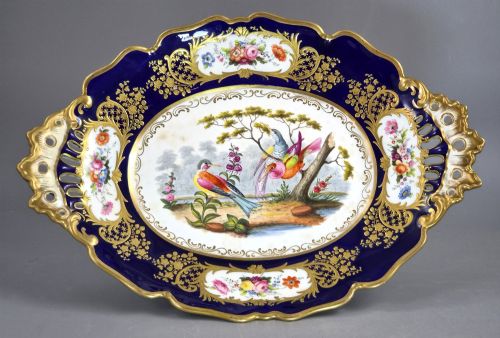
Makers shaped these vessels using porcelain, pearlware, and earthenware, often enhancing the ceramic body with a smooth glaze or detailed enamel painting. Gold leaf and heavy gilding frequently highlight the pierced rims, handles, and moulded details of the pieces.
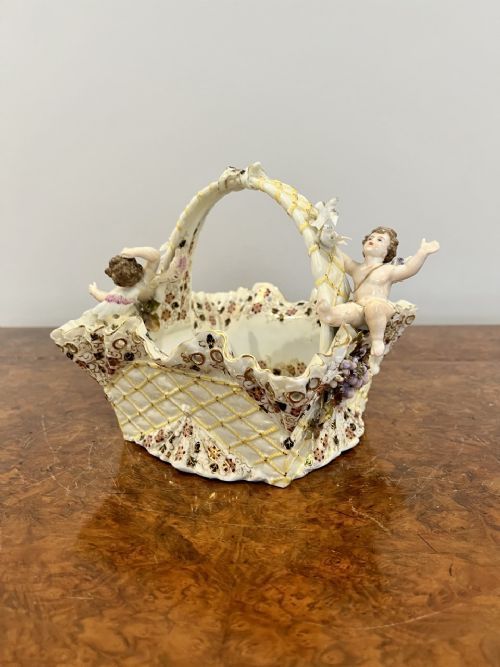
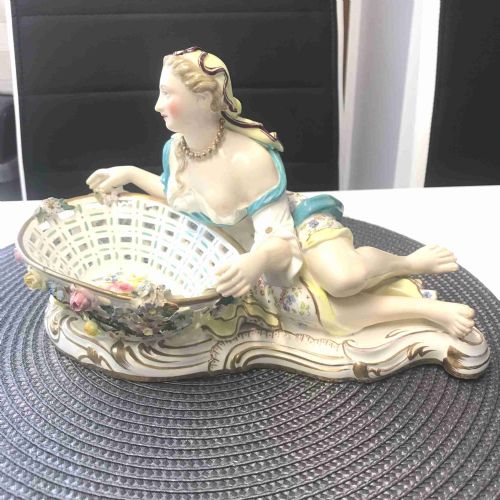
The defining openwork of a reticulated porcelain bowl was achieved by cutting or piercing the clay while leather-hard, requiring immense skill to prevent warping during high-temperature firing. Applied elements such as porcelain flowers, putti, and figural maidens were hand-modelled separately and attached before glazing.
Reticulated Porcelain Bowl Retail Price Guide 2026
Typical asking prices for reticulated porcelain bowl among the pieces listed under this phrase on Sellingantiques today, from the lower quarter to the upper quarter. They describe what is for sale here now, not the wider market.
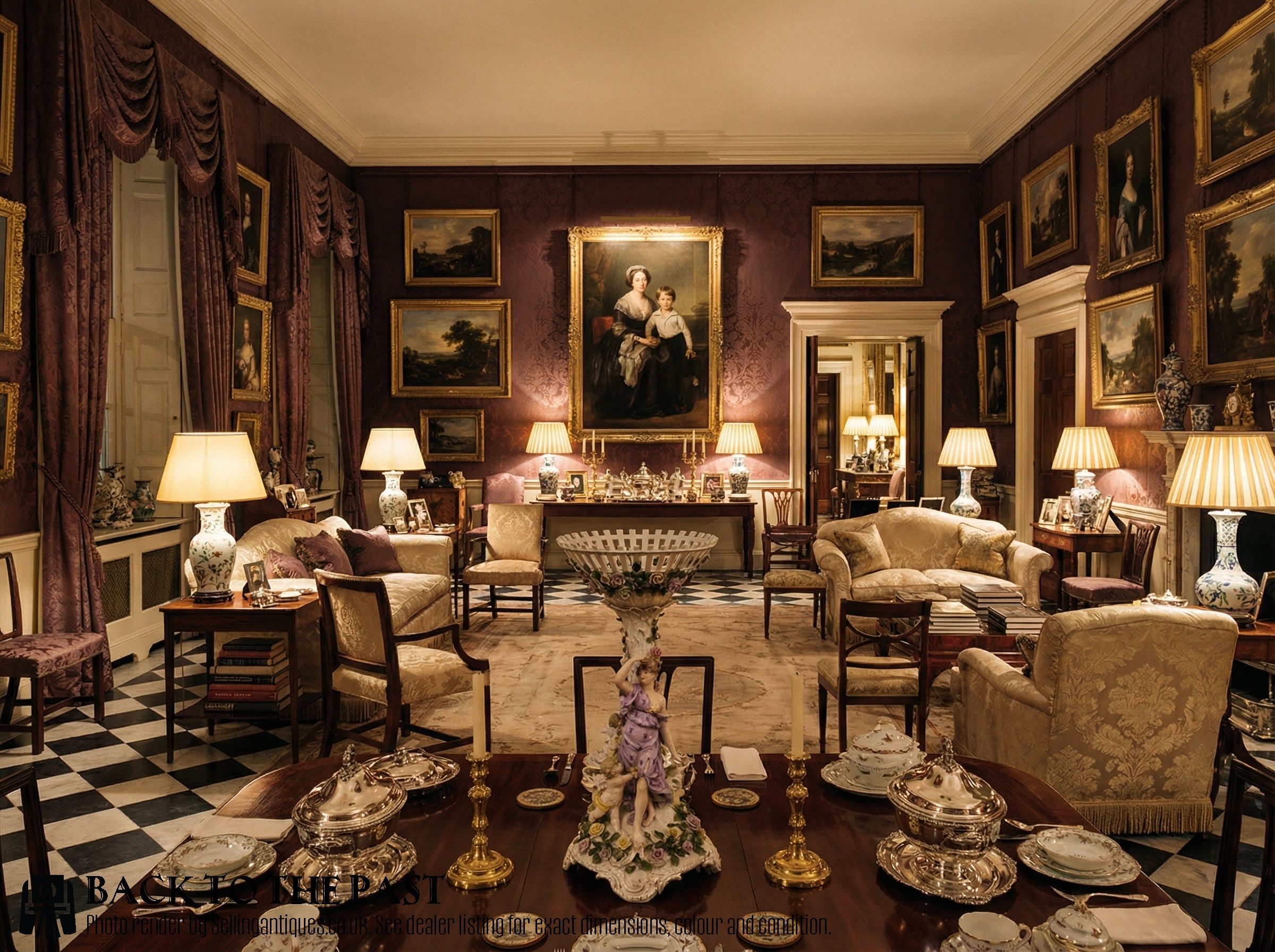
Musical putti and cheerful cherubs frequently clamber over the porcelain floral baskets, ensuring these bowls come with permanent company.
Judging execution and finish
Quality rests upon the crispness of the pierced lattice work and the precision of the hand-modelled details, such as applied roses or figurative elements. Finer examples maintain structural symmetry and clean geometric or organic cut-outs without distortion from the kiln.
The hand-painted polychrome enamels, cobalt blue underglaze, and transfer-printed patterns display varying degrees of artistic depth and register alignment. Superior pieces exhibit careful placement of gilding and rich, stable colour applications across the porcelain surface.
Coalport·Spode·Dr Wall Worcester·Meissen·Royal Vienna·Schierholz·Mason·Royal Worcester
The Reticulated Porcelain Bowl Glossary
- Reticulated
- Pierced or netted work resembling a net or lattice, used to describe the openwork patterns cut into ceramic bowls and baskets.
- Chestnut basket
- A specialised lidded or open serving vessel designed for holding roasted chestnuts at the dining table, frequently accompanied by a matching stand.
- Sweetmeat dish
- A small compartmented or shallow dish created for serving confections, nuts, and sweetmeats during formal dessert courses.
- Garniture set
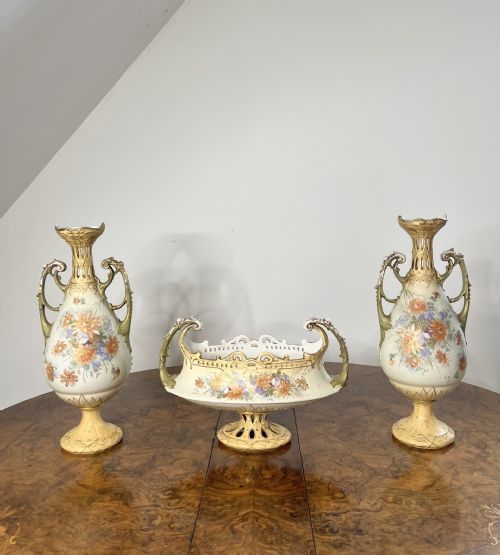
- A matching group of decorative vases or vessels, usually numbering three or more, intended to be displayed together on a mantelpiece or sideboard.
- Biscuit porcelain
- Unglazed ceramic fired once to a matte, marble-like finish, often utilised for fine figural work and detailed basketry.
Reticulated Porcelain Bowl: Frequently Asked Questions
What were reticulated porcelain bowls used for?
These vessels primarily served as decorative centrepieces, fruit bowls, or specialised serving pieces for chestnuts and confections during formal dining.
Their openwork walls allowed air circulation for dry foods, though many were made purely for display on tables and sideboards.
How can I tell an eighteenth-century bowl from a nineteenth-century copy?
Examine the body paste, glaze pooling, and hand-painting style, as eighteenth-century English and continental factories used distinct porcelain formulations.
Markings, footrim wear, and the natural inconsistencies of early hand-modelling provide key clues for dating.
What is the difference between a basket and a centrepiece?
Baskets typically feature fixed or fixed-form arched overhead handles and woven lattice bodies intended for serving fruits or chestnuts.
Centrepieces are larger, more sculptural multi-part arrangements often decorated with putti, applied florals, and figural supports for grand table displays.