


Restoration Oak Furniture
Restoration oak furniture brings the heavy timber and geometric moulding of the seventeenth century directly into modern rooms.
Restoration Oak Furniture
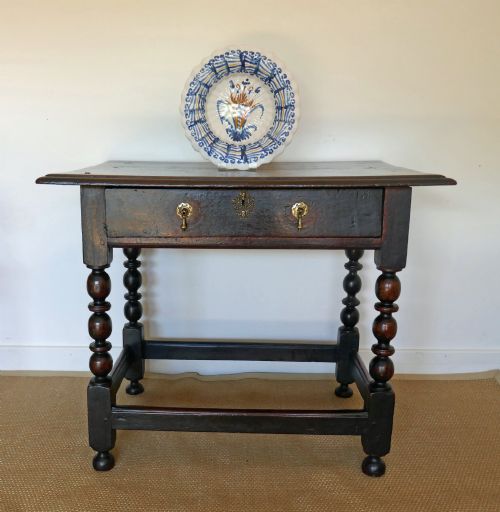
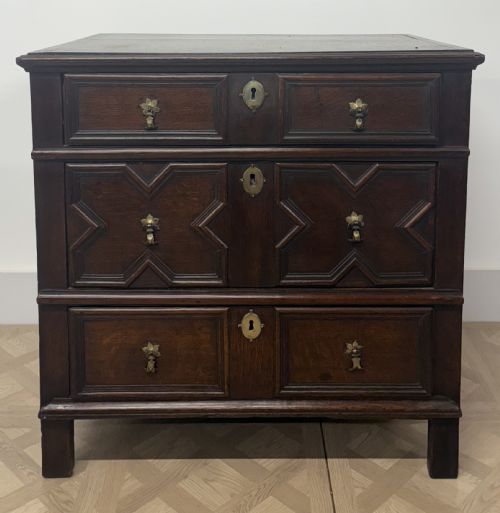
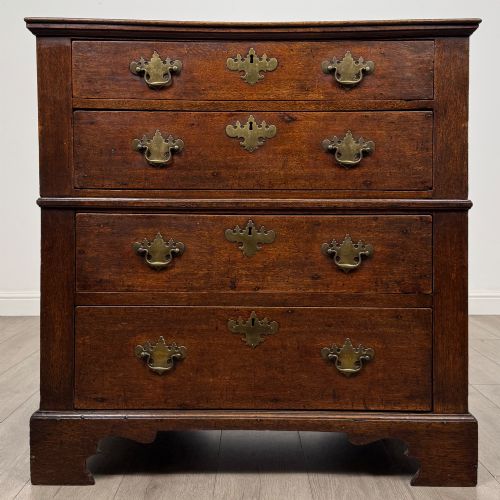
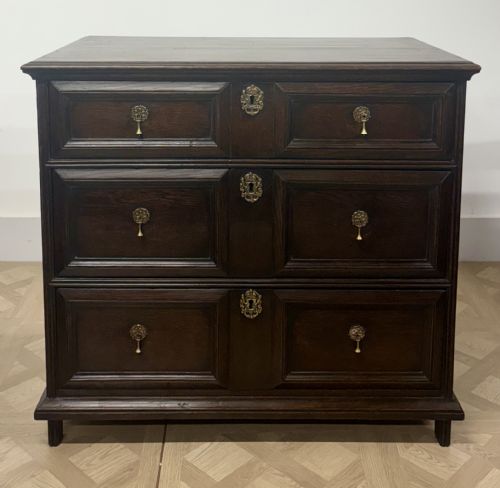
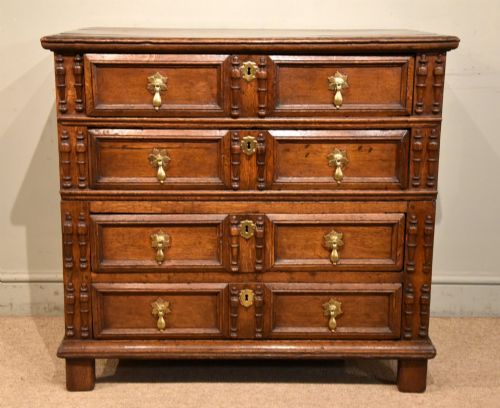
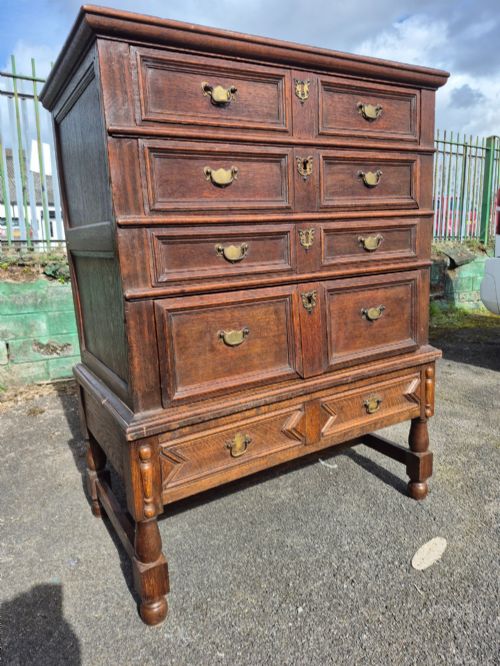
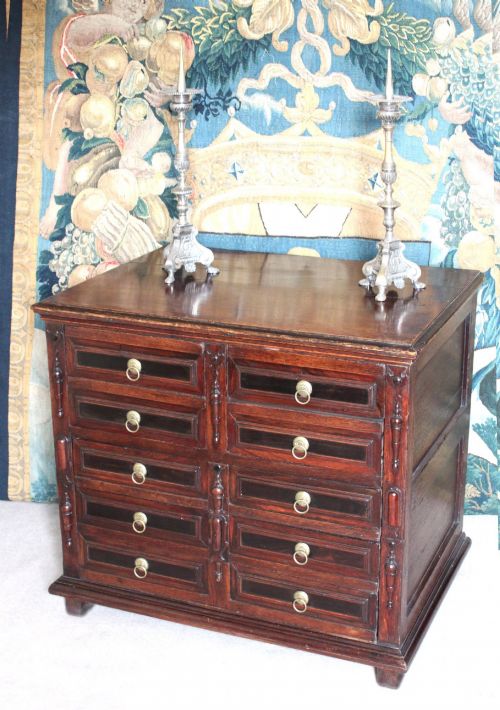
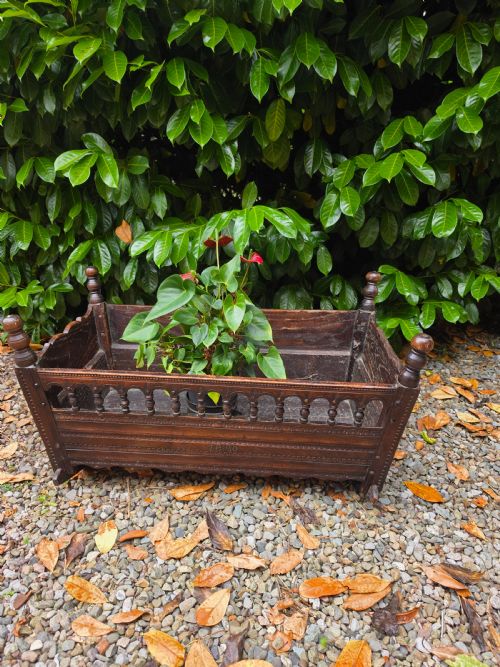
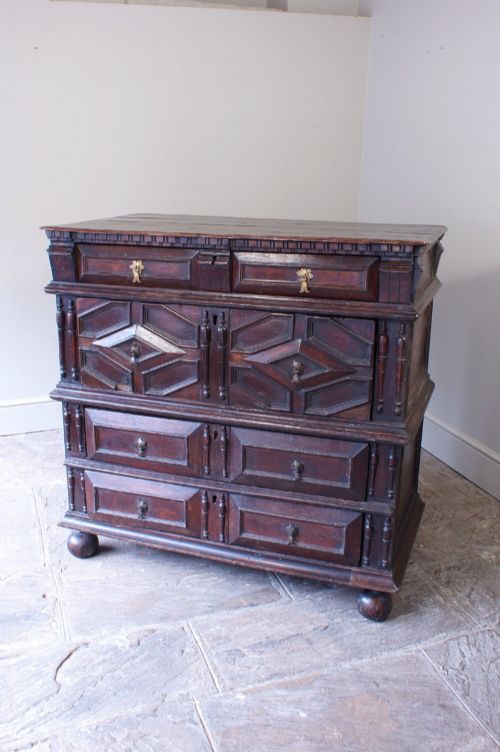
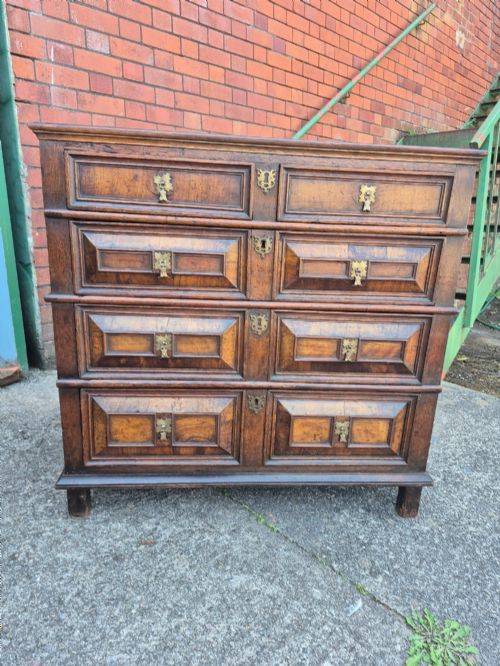
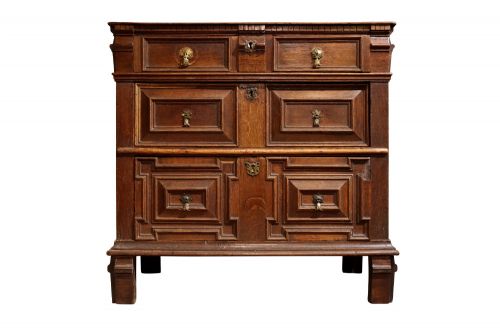
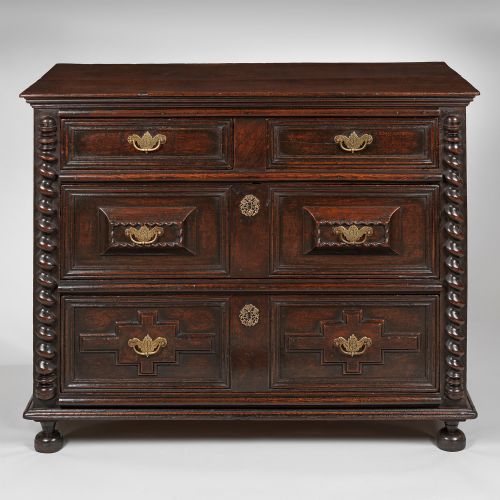
Restoration oak furniture encompasses sturdy tables, cupboards, seating, and rocking cradles from the seventeenth century and later revival periods. Chests of drawers dominate the selection, frequently featuring geometric mouldings across two-part constructions.
Makers working in the Charles II, Carolean, and William and Mary styles built these pieces to endure for centuries. Buyers encounter period originals alongside nineteenth-century interpretations sharing the same timber vocabulary.
Materials and construction
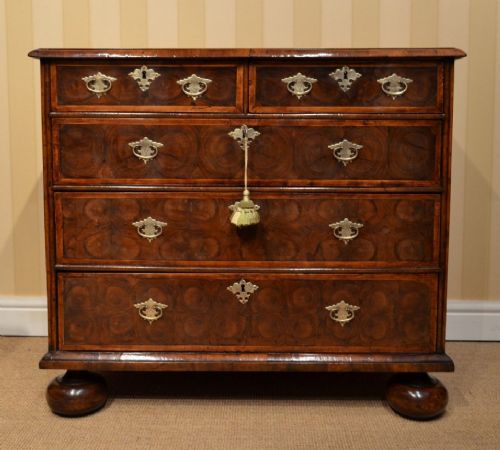
Carpenters relied primarily on solid oak, augmenting primary frames with walnut, fruitwood, and decorative oyster veneer. Brass hardware and iron fittings provided structural and visual contrast against the dark wood surfaces.
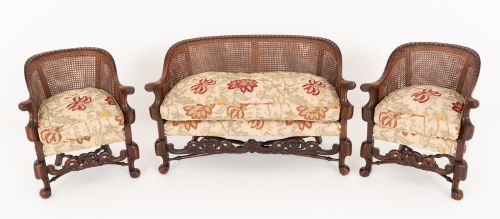
Advanced joinery techniques created geometric fronts, inlay work, and moulded drawers. Upholstered elements and woven cane occasionally added texture to seating suites and commode stools.
Build and surface
Judgement rests on the integrity of the timber and the crispness of the geometric mouldings. Pieces retaining original two-part structures and uncompromised brass fittings stand apart from heavily altered examples.
The integration of secondary timbers like walnut and fruitwood influences the sophistication of a piece. Original surfaces and period patination distinguish seventeenth-century originals from later revival interpretations.
The Restoration Oak Furniture Glossary
- Oyster veneer
- Slices cut transversely from small branches to create circular patterning on drawer fronts. This technique gained popularity during the seventeenth century.
- Geometric moulding
- Raised wooden profiling applied in repeating patterns to drawer fronts and door panels. It creates deep shadow lines characteristic of the period.
- Gateleg table
- A table with hinged flaps supported by swing legs that pivot outward. This design allows the surface area to expand or contract.
- Court cupboard
- A heavy storage piece used for displaying plate and storing provisions. These structures feature enclosed lower sections and recessed upper stages.
- Commode stool
- A seating piece concealing a chamber pot within its frame. Seventeenth-century examples often employ octagonal forms.
Restoration Oak Furniture: Frequently Asked Questions
How do I identify a seventeenth-century original?
Examine the construction methods, tool marks, and timber shrinkage visible on secondary surfaces. Period pieces display hand-cut joinery and signs of ageing consistent with seventeenth-century production.
Compare the timber density and hardware against known examples from the Charles II era. Variations in secondary woods like fruitwood and walnut help confirm the period.
Where should I place a heavy oak chest?
Position these substantial pieces against structural walls capable of supporting significant weight. Avoid placing timber furniture near direct heat sources or in fluctuating humidity.
Ensure the floor space accommodates the depth of two-part chests and side tables. Adequate clearance preserves the surrounding woodwork and allows proper access to drawers.
How do I care for historic oak surfaces?
Apply traditional beeswax sparingly to nourish the dry timber and maintain the natural sheen. Avoid modern chemical polishes that can degrade historic patination.
Dust regularly with a soft cloth to prevent particulate buildup within carved details and geometric mouldings. Consistent indoor humidity protects against wood splitting.
What is a two-part chest of drawers?
A two-part chest consists of an upper and lower module stacked together to facilitate transport. This construction method was common during the seventeenth century for heavy oak case pieces.
The division typically occurs midway down the height, concealed behind heavy mouldings. This design helped owners move large furniture through narrow doorways.