


Repousse Silver Plate
Repousse silver plate brings tactile depth and raised decorative relief to everyday tableware, fruit baskets and chargers through hammered metalwork.
Repousse Silver Plate
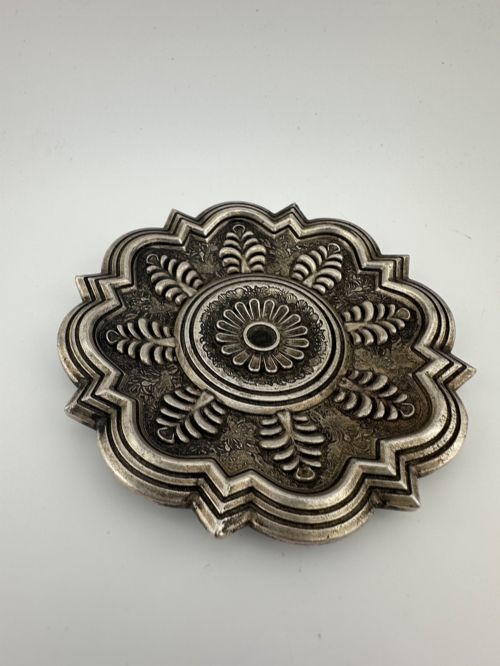
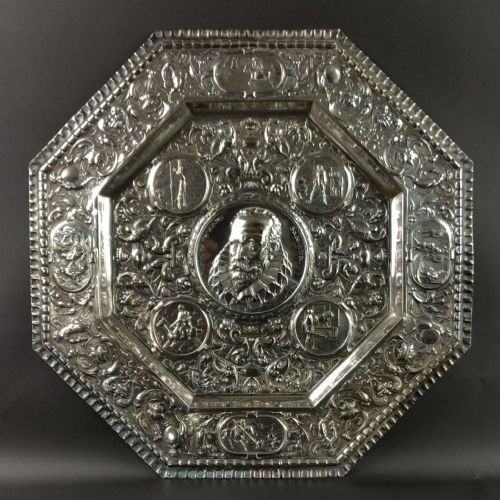
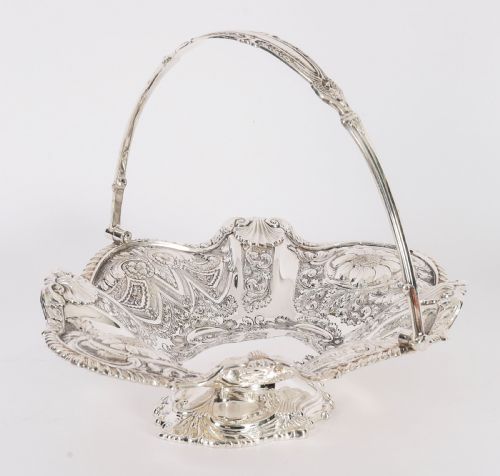
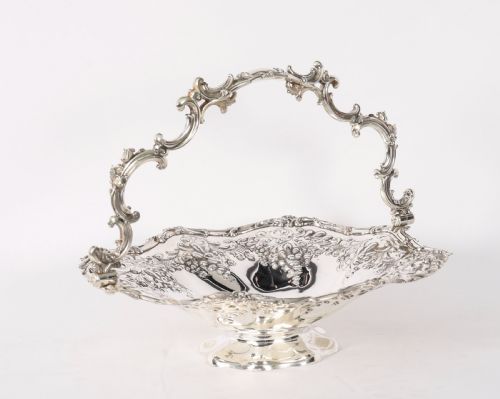
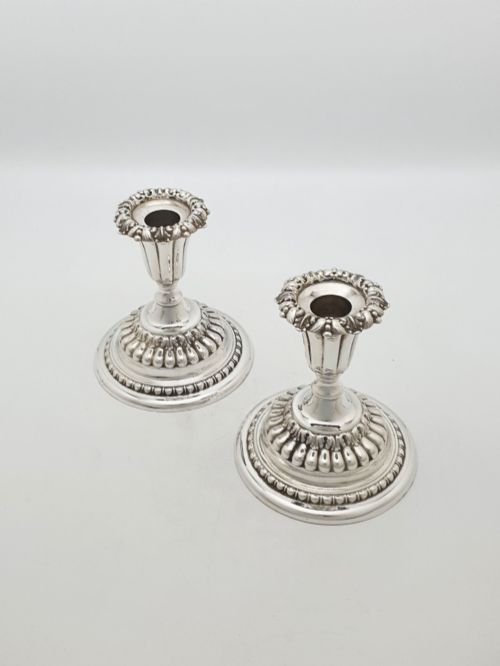
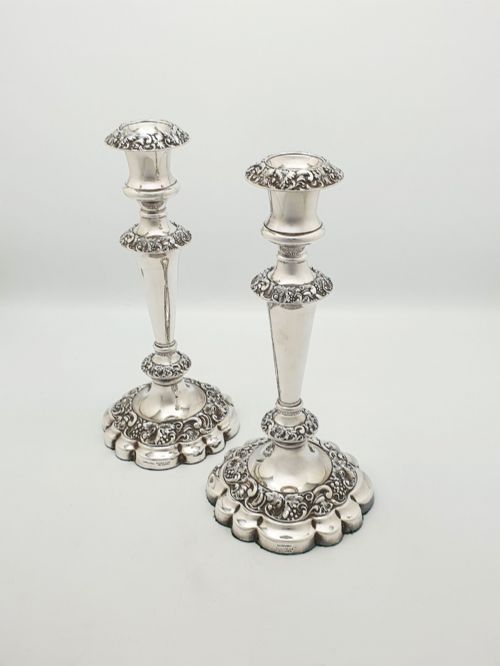
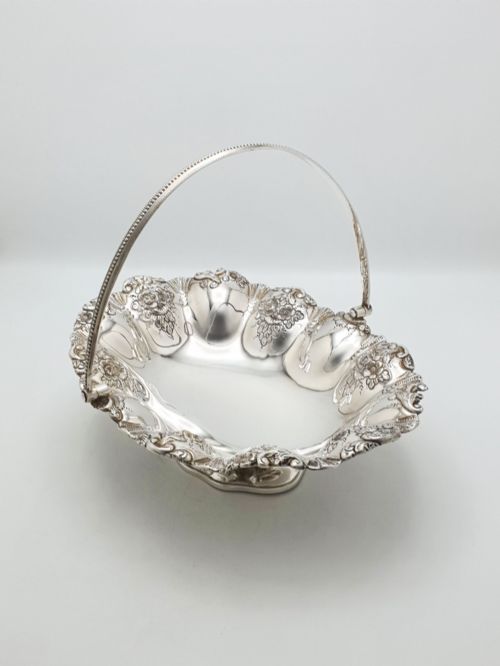
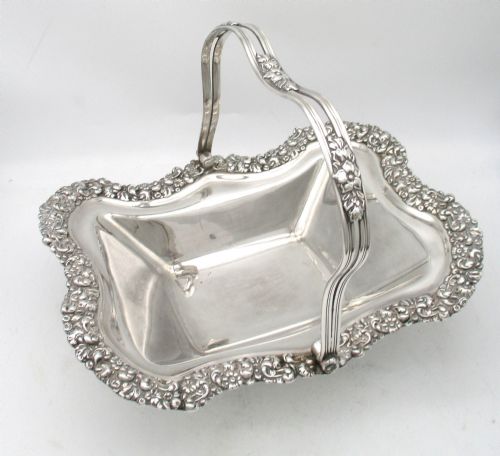
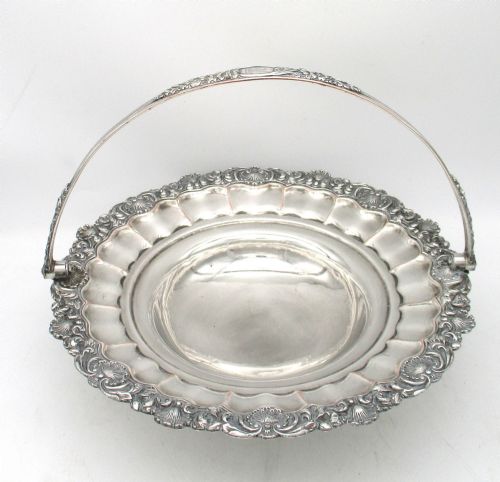
When you search for repousse silver plate, you encounter items shaped by hammering from the reverse side to create raised motifs on the surface. These pieces span utility and display, appearing as fruit baskets, chargers, candlesticks, and punch bowls.
The selection ranges from Georgian Old Sheffield plate through Victorian Rococo Revival and Edwardian styles up to early twentieth century Art Nouveau designs. Alongside English and Continental work, the selection includes Chinese export pieces and Indian copper trays.
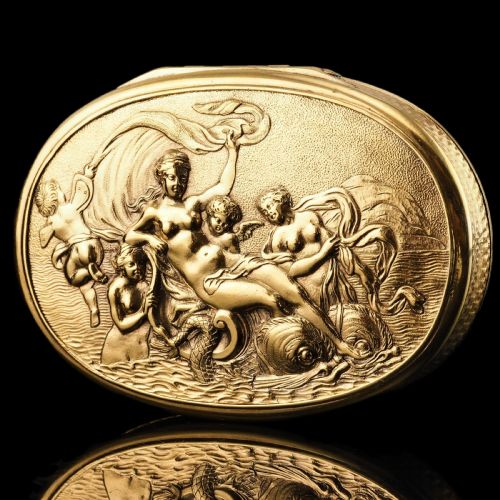
Domestic tableware forms dominate, particularly serving vessels and table centrepieces adorned with floral borders or figural scenes.
Materials and Techniques
Creation relies upon silver plate, electroplated nickel silver, and Old Sheffield plate applied over base metals such as copper or bronze. Artisans push the metal outward from the back using punches and hammers to form three dimensional floral or figural designs.
Chasing often complements the raised work, with tools refining details from the front side after the initial repousse shaping. Gilding appears on select items, adding a gold layer over silver gilt surfaces.
Listings feature items from the Georgian, Victorian, and Edwardian eras, executed in silver plate, copper, and bronze.
Assessing the Craft
Distinctions in quality rest upon the crispness of the hammered relief and the depth of the metalwork. Sharply defined motifs demonstrate greater skill than soft, shallow pressings.
The weight of the underlying bronze, copper, or nickel silver alters the substance of the object, while the thickness of the silver plating governs durability.
George W. Scott & Sons Ltd·Mappin & Webb·Elkington & Co·Walker and Hall·James Dixon
The Repousse Silver Plate Glossary
- Repousse
- A metalworking technique where the design is hammered into relief from the reverse side. It produces raised patterns on hollowware and decorative plates.
- Old Sheffield Plate
- A fused composite material made by melting a sheet of silver to a thicker copper ingot. This early plating method predates electroplating.
- Electroplate
- A method of depositing a layer of silver onto a base metal using electrical current. This technique replaced older fusion plating methods in the nineteenth century.
- Charger
- A large decorative plate or platter used for display or as a base beneath other courses. These items frequently display detailed repousse scenes.
- Silver Gilt
- Silver object coated with a thin layer of gold on the surface. This finish gives a warm yellow lustre to items like snuff boxes and display dishes.
Repousse Silver Plate: Frequently Asked Questions
What is repousse silver plate?
Repousse silver plate refers to objects made from base metals covered in a layer of silver, featuring designs hammered into relief from the reverse side.
This method creates raised floral scrolls, figures, or geometric patterns that catch the light on bowls, trays, and candlesticks.
How do I clean silver plate?
Cleaning requires a soft cloth and a mild silver cleaner formulated to protect plated surfaces from abrasion.
Avoid harsh scrubbing that might wear through the thin silver layer down to the underlying copper or nickel.
What is Old Sheffield plate?
Old Sheffield plate is an early form of silver plating created by fusing a thin sheet of silver to a copper core before shaping.
Items made this way often show a thin line of copper where the edge is exposed.
How do I date these items?
Dating relies upon stylistic markers such as Victorian floral motifs, Edwardian rims, or Art Nouveau whiplash lines.
Maker marks and manufacturing methods like electroplating or fusion plate also help narrow the production era.