


Repousse Metal Pot
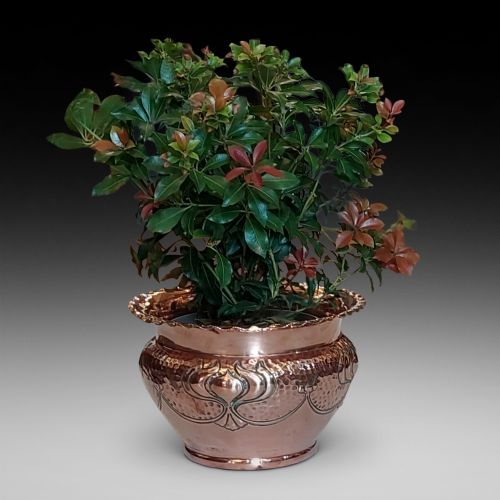
A repousse metal pot brings tactile weight and hammered surface texture to an interior, most often seen here as a jardiniere or planter from the Victorian or Arts and Crafts periods.
Repousse Metal Pot
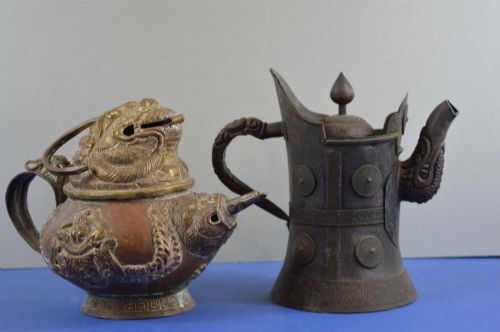
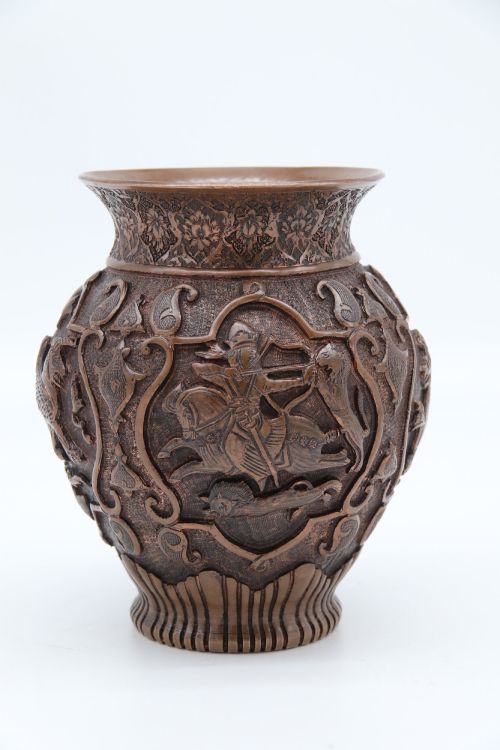
A repousse metal pot encompasses domestic vessels shaped to hold plants, logs, or water, with jardinieres, planters, and vases forming the core of the selection. These objects arrive from diverse stylistic traditions including Arts and Crafts, Art Nouveau, Gothic Revival, and Dutch and Tibetan regional work.
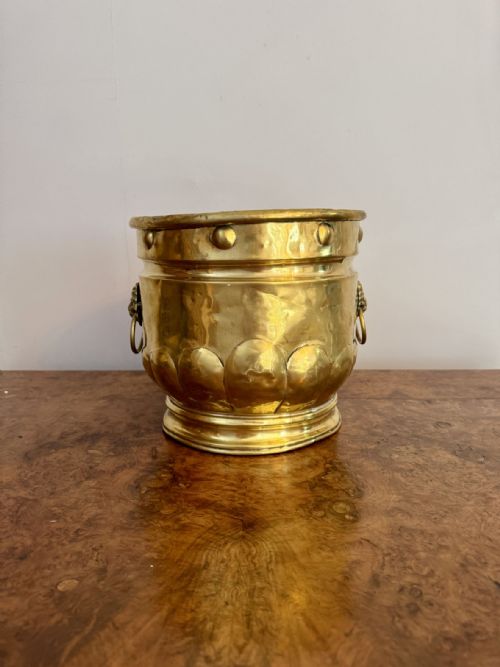
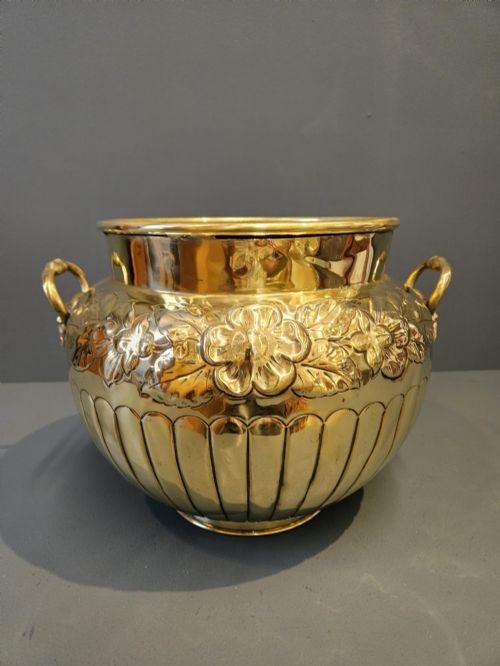
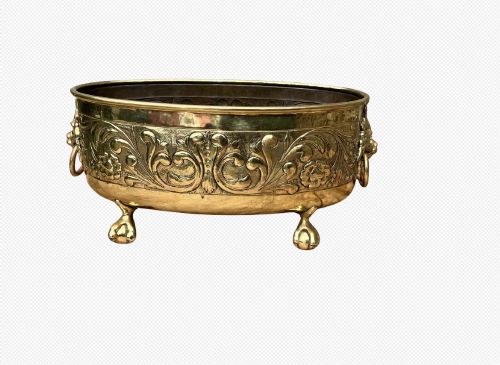
The version most commonly met on this page is a Victorian or Edwardian planter rendered in brass or copper. These pieces range from small table vessels to large floor-standing jardinieres fitted with animal masks or handles.
Materials and construction
The construction relies primarily on sheet brass and copper, sometimes combined with wrought iron stands or mounts. Artisans beat the metal from the reverse side to raise ornamental designs on the surface.
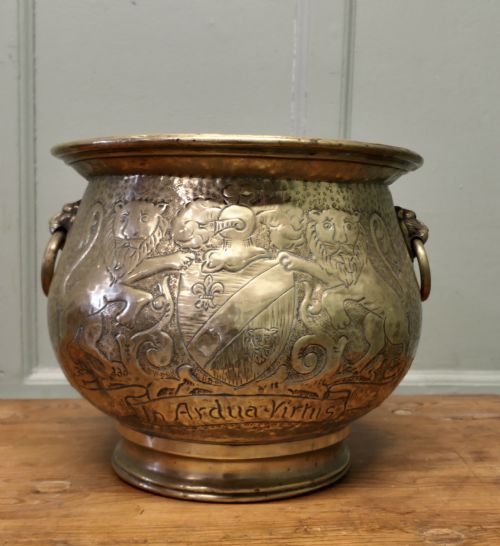
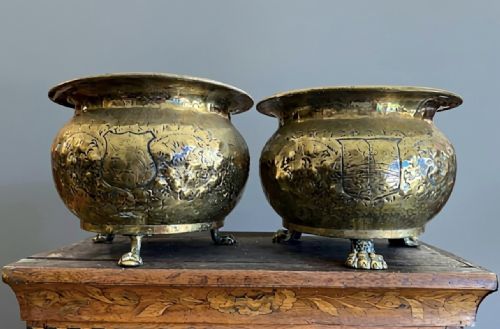
Decorative detailing incorporates chased lines, riveted seams, and applied cast elements such as lion masks or shields. The resulting vessels display the distinct tool marks of their makers.
Form variations include jardinieres, plant stands, ewers, vases, and log buckets reflecting diverse global traditions.
Distinctions in quality
Quality rests upon the crispness of the hammered relief and the weight of the metal sheet. Stronger pieces retain deep, deliberate definition in their motifs rather than shallow or mechanical pressing.
Consideration is also given to the integrity of construction, such as robust seaming, original stands, and well-cast handles. Surface patination that has matured naturally over time adds further distinction.
J Sankey and Sons
The Repousse Metal Pot Glossary
- Repoussé
- A metalworking technique where the artisan hammers the design from the reverse side to create raised relief on the front. This method gives the surface its characteristic tactile quality.
- Jardiniere
- An ornamental pot or stand designed to hold plants or flowers indoors. They appear frequently in brass and copper across Victorian and Arts and Crafts examples.
- Chasing
- A finishing technique used alongside repoussé where the metal is worked from the front to refine details and sink the background. It sharpens the lines of the hammered motif.
- Ewer
- A large jug with a wide spout traditionally used for carrying water. The evidence includes ceremonial examples alongside standard vessels.
- Patina
- The surface coloration and texture developed by metal over decades of exposure to air and handling. Collectors value a stable, undisturbed skin.
Repousse Metal Pot: Frequently Asked Questions
How do I clean a repousse metal pot?
Maintenance requires gentle dusting with a soft cloth to protect the underlying metal and hammered relief. Harsh commercial polishes strip away the aged patination that collectors prefer to see on older pieces.
For copper and brass surfaces, a mild soapy solution removes accumulated grime without harming the repoussé work. Dry the vessel thoroughly afterwards to prevent spotting.
Were these pots originally meant for plants?
Many of these vessels functioned as jardinieres designed to hold potted plants inside a Victorian or Edwardian home. Metal liners were frequently employed to protect the floor or table from moisture.
Other forms served alternative domestic purposes, such as log buckets for hearth sides or ewers for ritual and daily use.
How do I date an antique metal pot?
Dating relies on stylistic markers such as the flowing lines of Art Nouveau or the honest construction of the Arts and Crafts movement. Manufacturing techniques, including hand-hammered relief versus machine stamping, also provide clues to the era.
Examining the fixings, handles, and material composition helps place the piece within periods spanning the eighteenth through the early twentieth centuries.
What is the difference between brass and copper pieces?
Copper pots display a warm, reddish hue and were heavily favored by Arts and Crafts metalworkers for their malleability. They often show deep, expressive hammering across the body.
Brass vessels offer a brighter golden tone and appear frequently in Victorian and Dutch domestic settings. They tend to feature cast applied elements like lion masks and heraldic shields.