


French Metal Planters
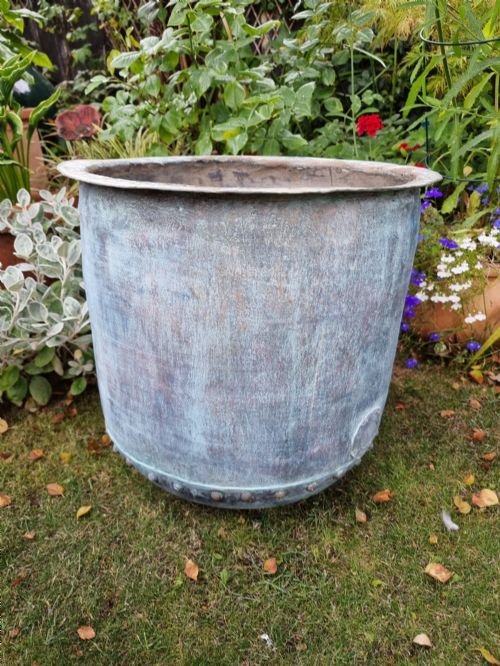
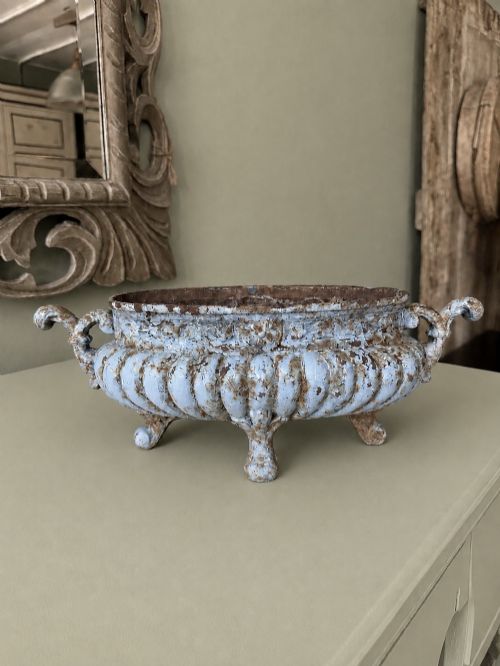
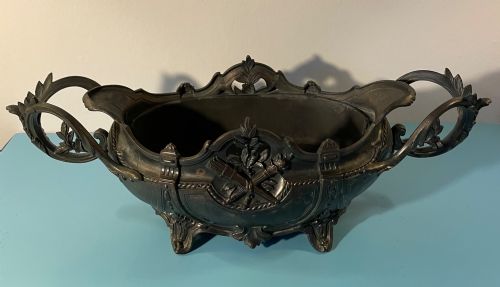
French metal planters bring sculptural weight to terraces and rooms alike, cast in iron, copper, and brass.
French Metal Planters
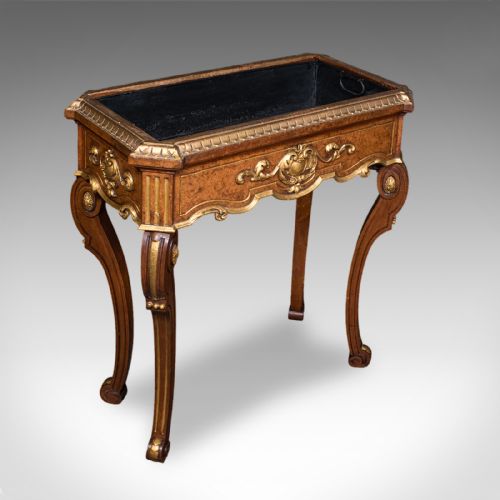
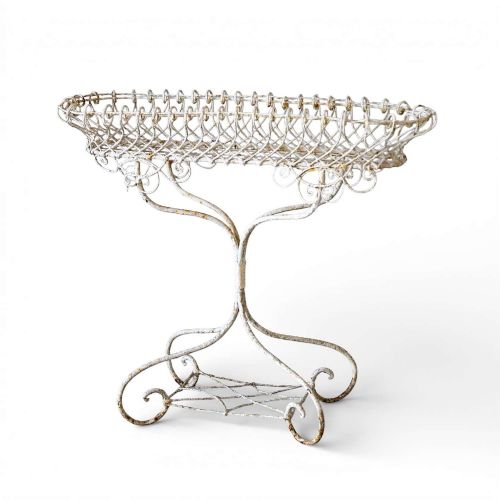
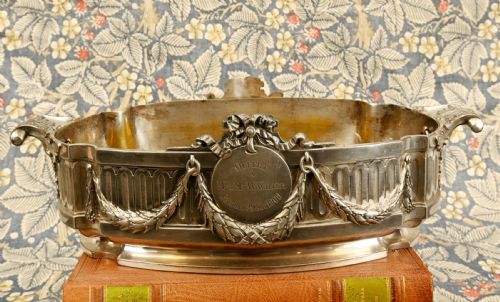
French metal planters encompass practical garden vessels and decorative interior jardinieres that hold plants and flowers. Buyers seeking French metal planters encounter objects ranging from heavy garden urns to refined table centrepieces.
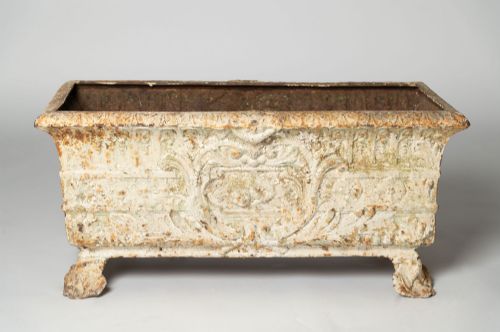
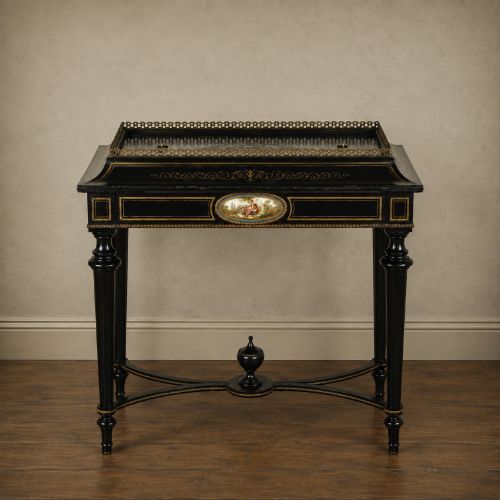
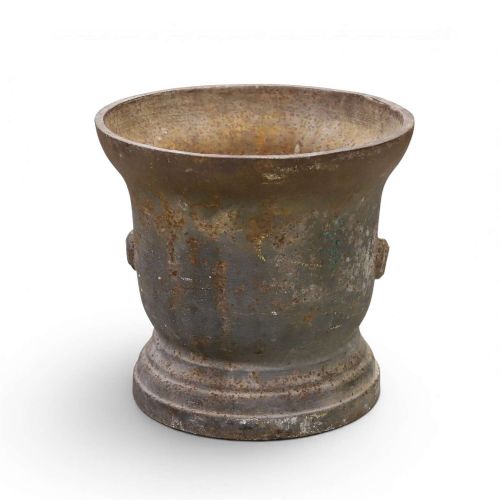
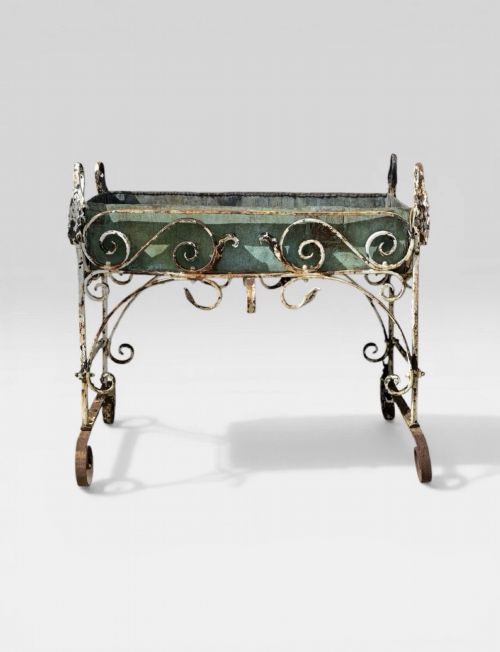
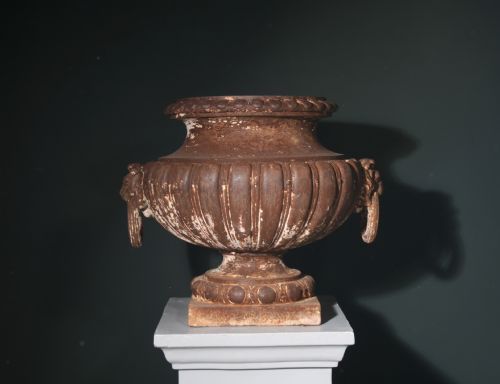
The forms span classical campana shapes, handled trophy vases, and structured jardinieres with painted porcelain plaques. Most examples date from the nineteenth century, reflecting the periods of Victorian, Neoclassical, and French Rococo Revival taste.
Factors of Quality
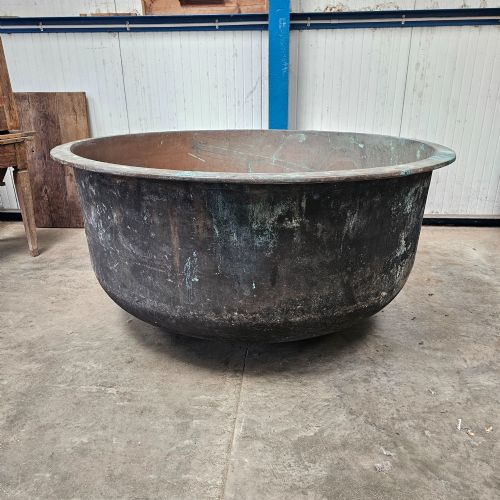
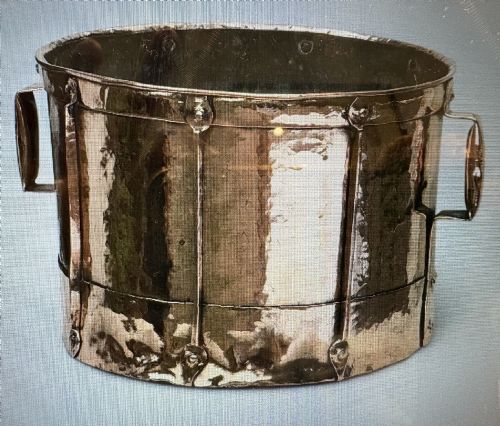
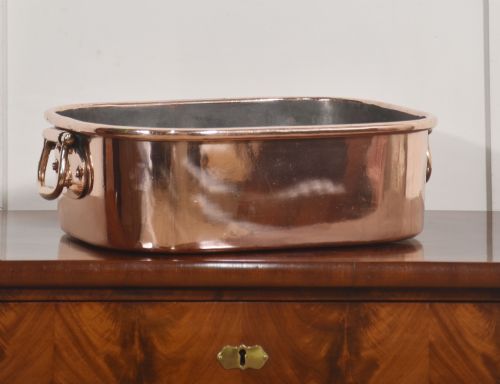
Quality rests in the crispness of the casting detail on iron urns and the finesse of repoussé work on copper bodies. Superior pieces display harmonious proportions and intact original surfaces rather than heavy modern repainting.
The integration of mounts, such as ormolu details or painted porcelain plaques on ebonised stands, separates standard utilitarian vessels from high-status interior jardinieres.
Listings feature materials including cast iron, copper, brass, wrought iron, zinc, and ormolu across the nineteenth and early twentieth centuries.
VAL D OSNE FOUNDRY·Petrus Ramus
The French Metal Planters Glossary
- Jardiniere
- A decorative pot or stand designed to hold plants or flowers indoors. These pieces often feature metal liners and decorative mounts.
- Campana
- A bell-shaped garden urn or vase form derived from classical antiquity. Such vessels appear frequently in cast iron and bronze.
- Repousse
- A metalworking technique where the artisan hammers metal from the reverse side to form raised decorative designs. This method appears on copper planters.
- Ormolu
- Gilded bronze mounts applied to furniture and decorative containers. These mounts characterise nineteenth-century pieces in Louis styles.
French Metal Planters: Frequently Asked Questions
Where were French metal planters used?
These vessels served functional and decorative roles in nineteenth-century chateau gardens, conservatories, and formal reception rooms.
Lighter brass and copper containers stayed indoors for displays, whilst heavy cast iron urns anchored patios and terraces.
How do I care for antique metal planters?
Keep metal surfaces dry and clean gently with soft cloths to preserve patination and original painted finishes.
Use internal plastic or ceramic liners to protect historic copper and iron interiors from direct moisture and soil contact.
What styles influence these planters?
Designs draw heavily from Neoclassical, French Rococo Revival, and Louis XIV or Louis XV aesthetics.
Classical motifs like campana curves and scrollwork appear alongside ornate nineteenth-century foundry ornamentation.
How to tell different periods apart?
Nineteenth-century examples often exhibit heavier cast iron work and classical campana proportions, while later pieces adopt Arts and Crafts or Art Deco lines.
Material choices also shift across decades, from heavy cast iron and copper towards wirework and dinanderie.