



Brass and Copper Jardiniere
A brass and copper jardiniere brings rich metallic warmth and texture to interior planting, offering a sturdy, decorative vessel for displaying indoor foliage.
Brass and Copper Jardiniere
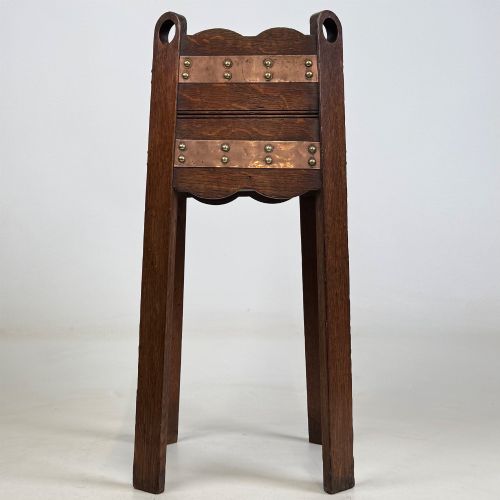
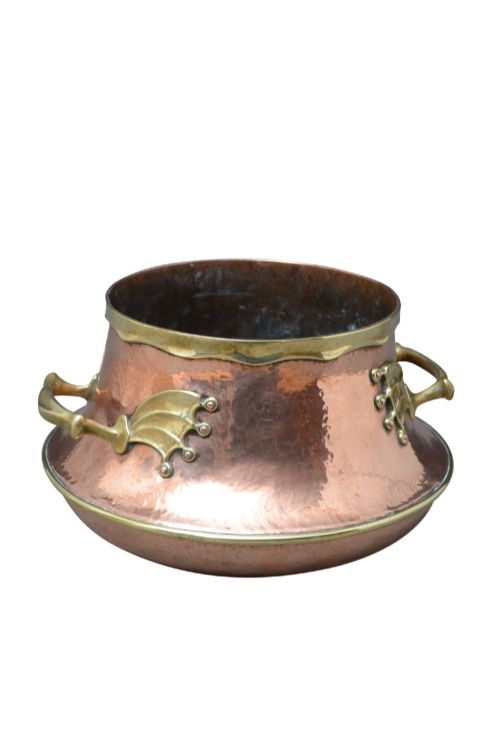
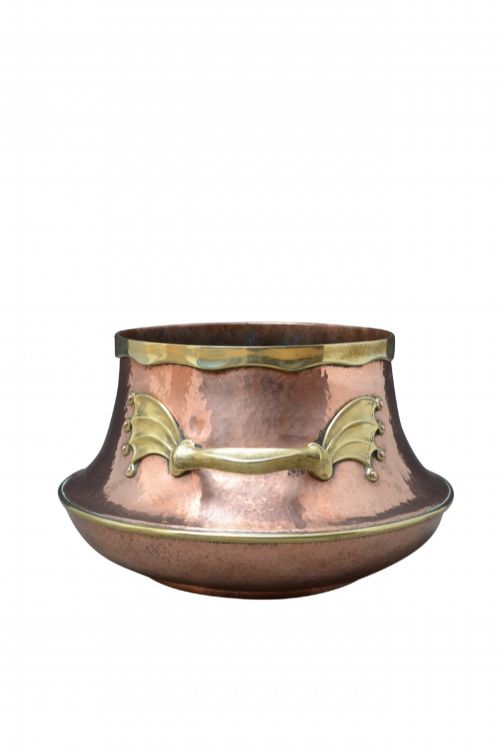
When you search for a brass and copper jardiniere, you are looking at substantial vessels designed to hold potted plants and flowers within domestic interiors. These decorative containers combine the golden tone of brass with the warm reddish hue of copper, often incorporating structural elements or accents in walnut, oak, ebonised wood, and tin.
The pieces available here span several distinct periods and styles, including Victorian, Edwardian, Arts and Crafts, Art Nouveau, and 18th-century Dutch Baroque. You will encounter forms ranging from large oval planters and log buckets to plant stands, waste bins, and coopered peat tea buckets that double as jardinières.
Origins represented in these listings stretch from British workshops to French chateau designs and early continental examples. The most common versions you are likely to meet on this page are Victorian and Edwardian copper and brass planters, often featuring hammered surfaces or repoussé details.
Materials and construction methods
The construction of these vessels relies on sheet metalworking techniques, where copper and brass plates are shaped, beaten, and joined to form deep containers. Many examples utilise hand-hammered textures or detailed repoussé work, pressing patterns into the metal from the reverse side to create raised decorative motifs.
Timber elements appear frequently in the construction of stands, liners, and coopered bodies. Walnut and oak are shaped into slatted staves bound together with metal bands, echoing the traditional methods of barrel and bucket making.
Brass and Copper Jardiniere Retail Price Guide 2026
Typical asking prices for brass and copper jardiniere among the pieces listed under this phrase on Sellingantiques today, from the lower quarter to the upper quarter. They describe what is for sale here now, not the wider market.
One unexpected Victorian survivor doubles as a Gladstone bag formed in copper, ready to pack your ferns for a journey.
Judging quality in metal planters
Quality in these pieces rests upon the thickness of the metal sheet used in the body and the skill evident in the hand-working. Heavier gauge copper and brass provide structural integrity that resists denting, while crisper hand-hammering and detailed repoussé relief indicate superior craftsmanship by the metalworker.
The integration of mixed materials also defines the better examples. Where timber such as walnut or oak is paired with metal, the tightness of the coopered staves and the quality of the brass fittings reveal the maker's proficiency.
The Brass and Copper Jardiniere Glossary
- Repoussé
- A metalworking technique where the artisan hammers the metal from the reverse side to form a raised design on the front. This method creates tactile, three-dimensional decorative panels on the body of the vessel.
- Coopered
- Built from narrow staves of wood fitted together side by side and bound by metal hoops, much like a traditional barrel. This technique is often found in wooden planters and peat buckets.
- Jardiniere
- An ornamental pot or stand designed to hold a plant or flowers indoors. The term derives from the French word for gardener.
- Arts and Crafts
- A design movement valuing traditional craftsmanship, simple forms, and visible hand-working over mass production. Pieces from this style often display honest construction and hammered metal surfaces.
- Art Nouveau
- An international style characterised by organic, flowing lines and motifs inspired by natural forms. Metal planters in this aesthetic frequently incorporate sinuous plant tendrils and asymmetrical floral embossing.
Brass and Copper Jardiniere: Frequently Asked Questions
What is a jardiniere used for?
A jardiniere serves as an ornamental container designed to hold potted plants, flowers, or greenery inside the home. Unlike a standard flowerpot with drainage holes, it typically acts as an outer cachepot to protect interior surfaces from water.
Historically, these vessels also functioned as log buckets, waste bins, or specialised holders for peat and tea storage. Today, they remain a practical way to display large indoor foliage while adding metallic texture to a room.
How do I care for antique copper?
Antique copper requires minimal intervention to maintain its stability and appearance over time. Dusting regularly with a soft, dry cloth prevents the accumulation of grime in hammered recesses and decorative crevices.
Polishing is largely a matter of personal preference, as many collectors favour the dark, natural patina built up over decades. If you choose to clean the metal, use a non-abrasive cleaner specifically formulated for copper and brass.
How do I date an old planter?
Dating a metal planter involves examining the manufacturing techniques, materials, and stylistic motifs present in the piece. Hand-beated surfaces, riveted seams, and specific fastening methods often point towards nineteenth-century production or earlier.
Stylistic cues also provide clear markers, such as the flowing organic lines of Art Nouveau or the robust, honest construction of the Arts and Crafts movement. Associated woods like walnut or oak and the presence of tin linings help place the object within Victorian or Edwardian periods.