



Renaissance Revival Plaque
A renaissance revival plaque brings historic portraiture and classical metalwork into nineteenth-century domestic spaces.
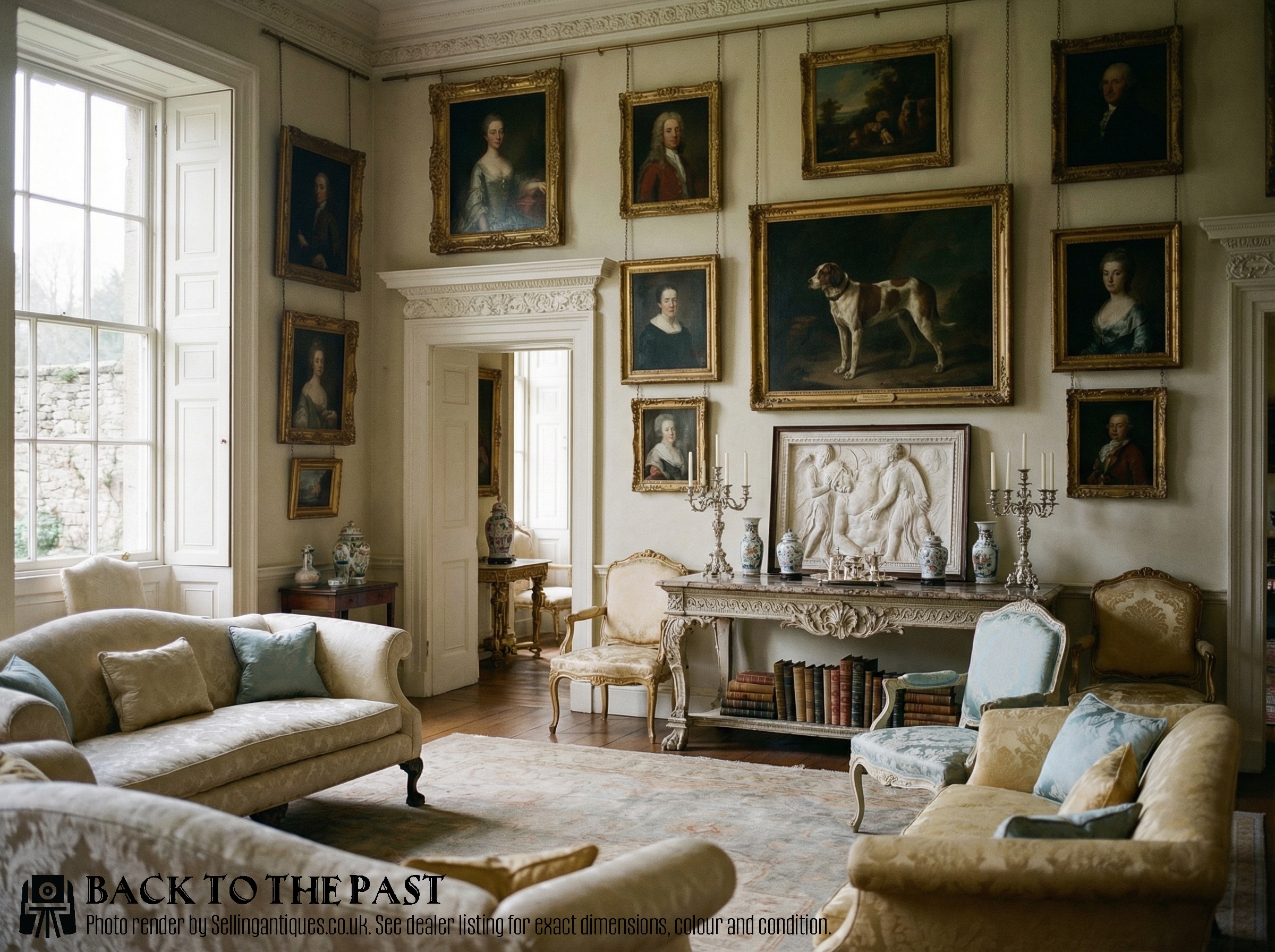
Renaissance Revival Plaque
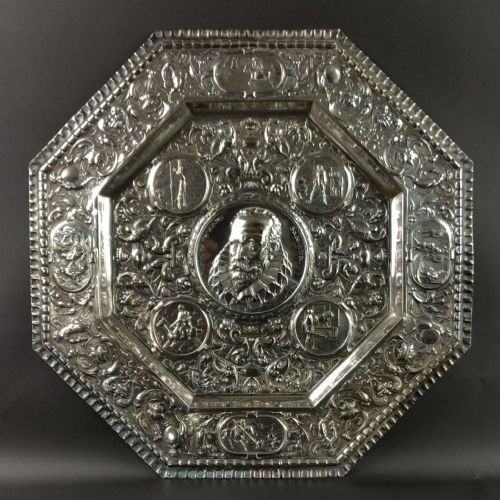
A renaissance revival plaque takes the form of wall art, decorative chargers, and architectural carvings produced mostly during the nineteenth century. These items echo earlier visual traditions through portraits, mythological figures, and religious subjects rendered in high relief.
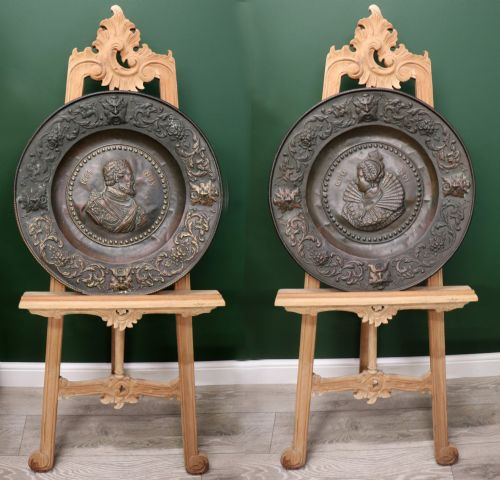
The version most commonly met on this page is a round or oval metal plaque worked in repoussé copper, brass, or bronze. Such pieces frequently depict historical rulers, literary figures, or mythological scenes framed by ornate revival borders.
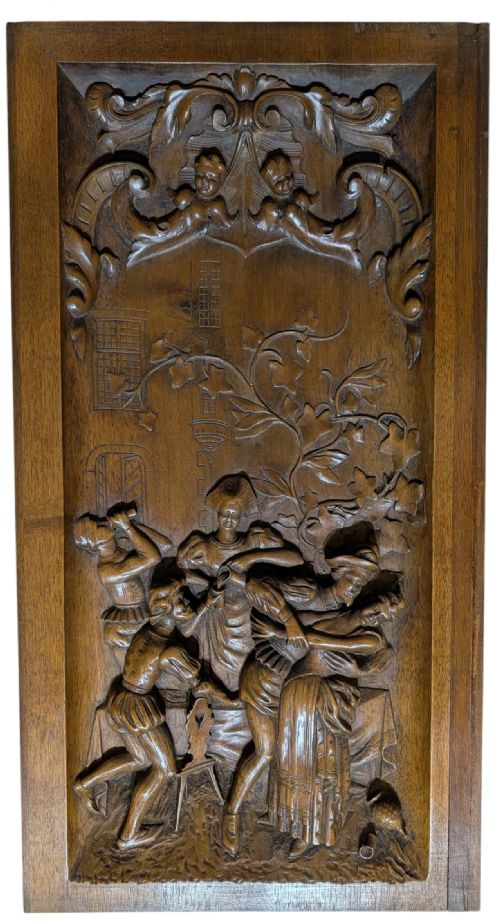
Other examples extend into painted enamel on copper, carved wood panels, and ceramic majolica or faience. They reflect a nineteenth-century fascination with historicism, drawing on Gothic, Baroque, and Renaissance motifs for interior decoration.
What varies in quality
In painted enamels and ceramics, the control of the palette and the precision of the brushwork determine visual success. Finer pieces display careful shading and controlled firing, whereas lesser examples show muddied colours and flat application.
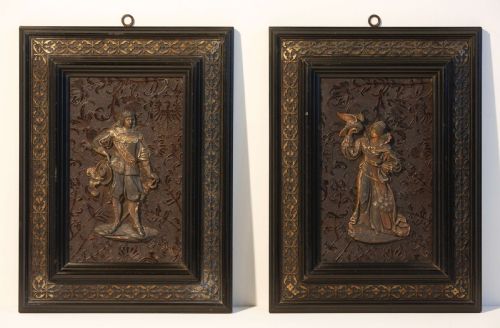
The quality of the framing and mounting plays a significant role in these objects. Original ormolu mounts, carved wooden frames, and secondary materials like amboyna or ebony indicate the level of care invested in the finished piece.
Renaissance Revival Plaque Retail Price Guide 2026
Typical asking prices for renaissance revival plaque among the pieces listed under this phrase on Sellingantiques today, from the lower quarter to the upper quarter. They describe what is for sale here now, not the wider market.
Object types span wall chargers, decorative dishes, architectural salvage, and framed painted panels.
Icilio Federico Joni·Gustav Grohe·C. Ravier
The Renaissance Revival Plaque Glossary
- Repoussé
- A metalworking technique where a sheet of metal is hammered from the reverse to create a raised design on the front. Artisans then refine the details from the front using chasing tools.
- Maiolica
- Tin-glazed Italian earthenware decorated with colourful pigments. This technique gained renewed popularity during the nineteenth-century revival periods.
- Ormolu
- Gilded bronze mounts used for decorative hardware and picture frames. The finish provides a bright, gold-coloured metallic surface.
- Charger
- A large decorative plate intended for display on a wall or sideboard rather than for dining use. These pieces often feature central historical or mythological portraits.
- Limoges Enamel
- Painted enamel work originating from the French city of Limoges. These plaques typically depict classical or religious scenes with rich polychrome detail.
Renaissance Revival Plaque: Frequently Asked Questions
What metals were used for these plaques?
Makers relied heavily on copper, brass, and bronze to create these decorative wall pieces. These metals allowed craftsmen to execute deep relief designs using hammering and chasing methods.
Secondary metal elements, such as white metal or gilded bronze, appear in composite relief plaques and mounting frames. Each metal reacted differently to patination and finishing processes.
How do I identify the period of a plaque?
Most items on this page originate from the nineteenth century, drawing on earlier Renaissance and Baroque visual sources. Examining the mounting style, backing materials, and framing helps establish the date of manufacture.
Signatures, stamps, or specific ceramic bodies also point toward nineteenth-century revival workshops rather than sixteenth-century originals. The handling of the metal or enamel provides further clues to the period.
Where were these plaques displayed?
These pieces served as interior wall art, mounted in parlours, libraries, and studies during the nineteenth century. Large chargers and carved panels were hung to display historicist taste and an interest in classical art.
Smaller enamel and porcelain plaques were often framed in ormolu and placed on mantelpieces or integrated into architectural woodwork. They functioned purely as decorative focal points within a room.
What subjects appear on these pieces?
Portraits of historical rulers, literary figures, and religious subjects dominate the imagery of these works. Common depictions include figures such as Henry IV, Queen Marie de' Médicis, and Miguel de Cervantes.
Mythological scenes, putti, and religious figures like young saints also feature prominently across the copper plaques and carved panels. These subjects reflect the broader nineteenth-century revival of historic artistic styles.