
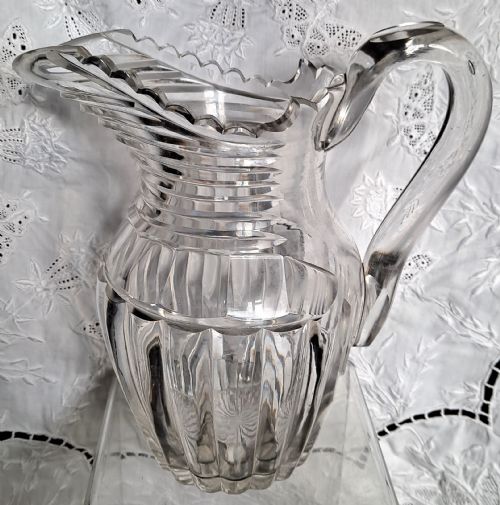


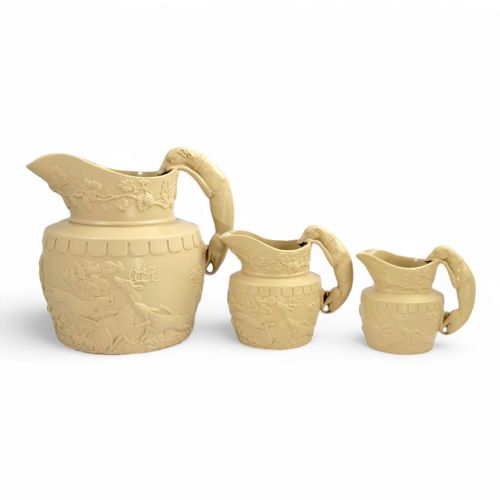


Regency Water Pitcher
These regency water pitcher examples bring genuine Georgian elegance to the table, combining crisp cut glass and hand-painted porcelain that collectors prize for daily service.
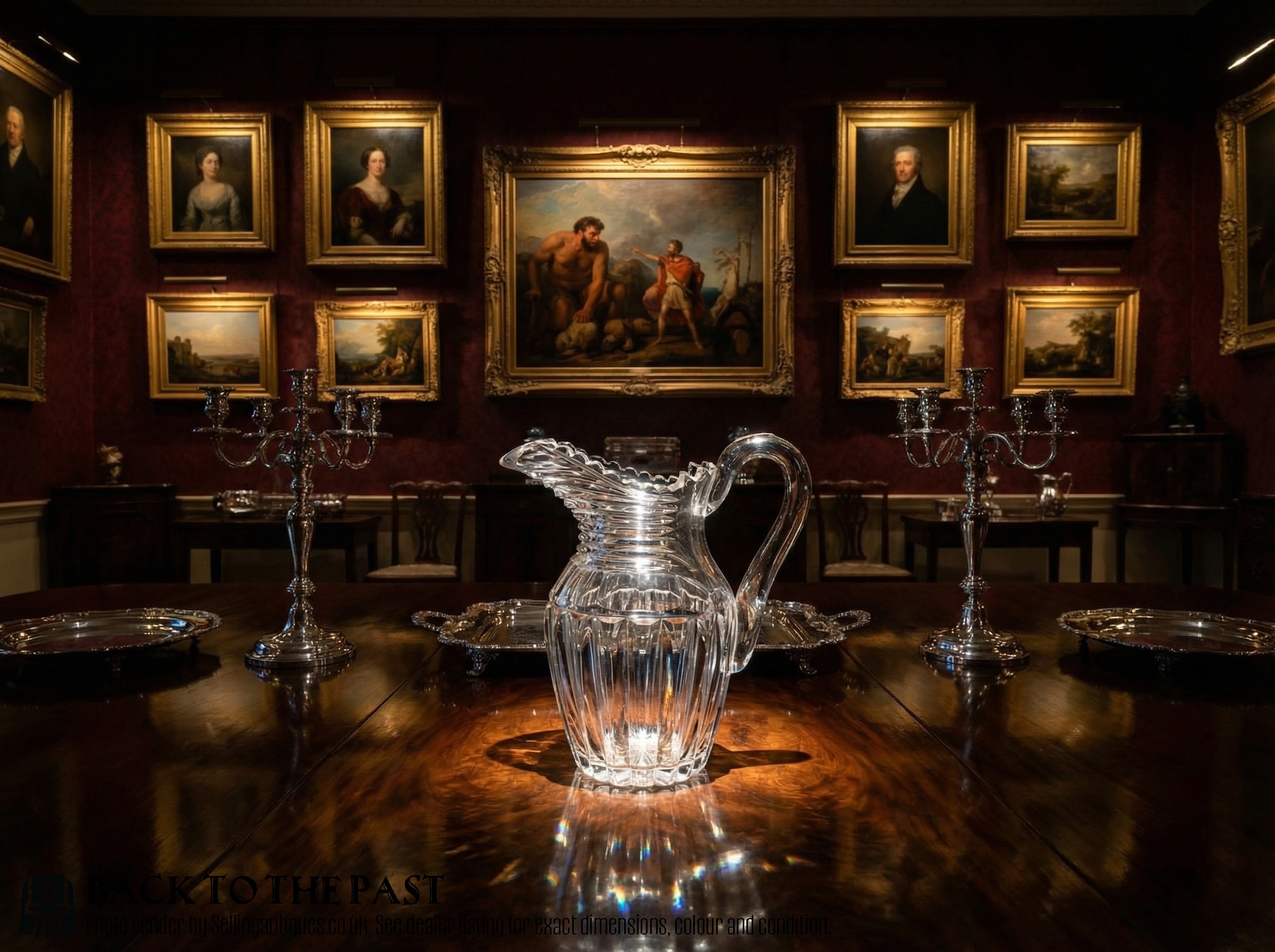
Regency Water Pitcher
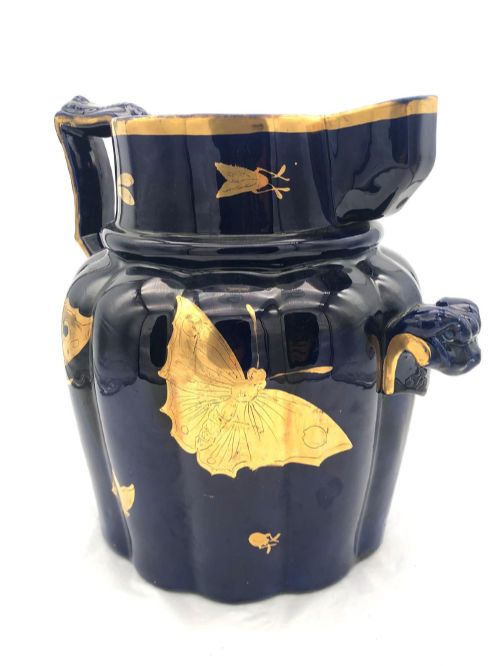
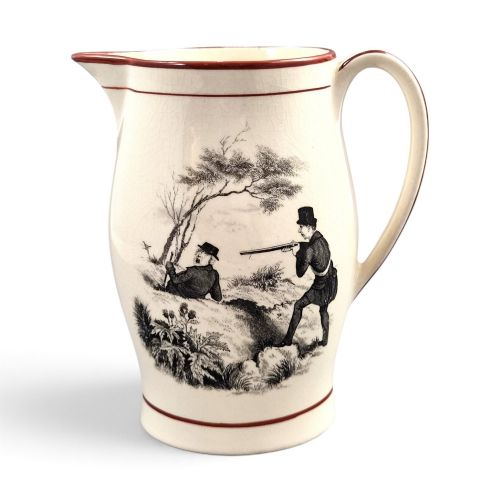
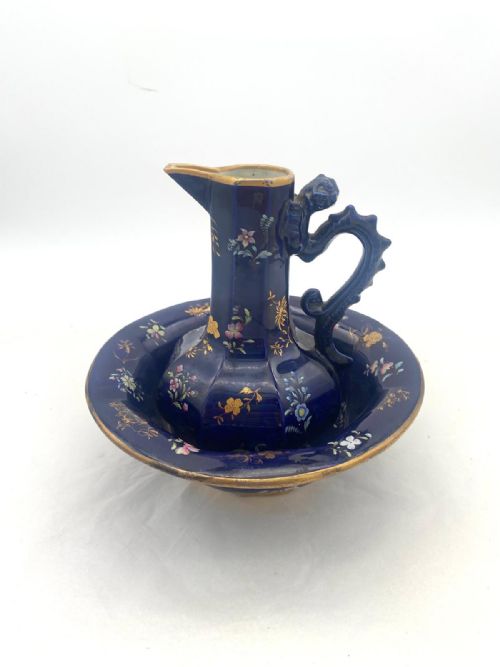
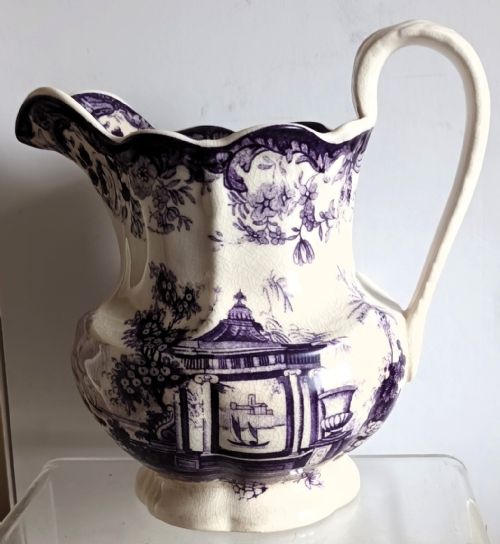
A regency water pitcher represents a distinctive class of serving vessels produced during the late Georgian and Regency eras, spanning earthenware, porcelain, and heavy lead crystal. These pieces encompass utilitarian jugs alongside grand basins and matching bowl sets used in formal dining and chamber settings.
The most common examples encountered on this page date from the early nineteenth century, featuring transfer-printed earthenware or cut glass forms. Makers from Staffordshire, Derby, and Worcester dominate the selection, offering everything from scenic views to armorial crests.
Materials and Technique
Potters utilised creamware, pearlware, and ironstone, shaping the clay by hand or mould before applying underglaze blue and polychrome enamel transfers. High-firing techniques ensured durability for daily household tasks, while specialised earthenware required careful glazing to prevent moisture absorption.
Cut glass water jugs relied on heavy lead crystal blanks, shaped by glassblowers and finished with deep wheel-cut flutes, diamonds, and prismatic patterns. Metalwork alternatives utilised Old Sheffield Plate, fusing thin layers of silver to a copper base to create resilient holloware.
Several pitchers feature hound handles and bull baiting scenes, recording robust rural sports of the Georgian era.
Variations in Quality
Quality rests upon the crispness of the moulding and the clarity of the transfer-printing or glass-cutting. Finer ceramics display sharp, unblemished transfer lines and meticulous hand-painting over the glaze, whereas lesser items suffer from smudged pigments or uneven surface glazing.
The weight and resonance of the material dictate the tier of a piece, particularly in lead crystal where deep, precise wheel-cutting creates sharp refraction. Handle attachment and overall balance also separate standard utilitarian vessels from exhibition pieces designed for wealthy households.
Masons Ironstone·Derby Porcelain·Chamberlain Worcester·Phillips & Bagster·Spode
The Regency Water Pitcher Glossary
- Creamware
- A refined earthenware body with a pale yellowish-buff glaze developed in Staffordshire during the eighteenth century. This material served as the canvas for many early transfer-printed domestic vessels.
- Pearlware
- An improved earthenware featuring a bluish-tinted glaze designed to mimic the appearance of Chinese porcelain. It frequently appears on pitchers decorated with blue and white transfer prints.
- Transfer-printing
- A technique where an engraved copper plate transfers a design onto tissue paper, which is then pressed onto the ceramic body before firing. This method allowed intricate patterns to be reproduced efficiently.
- Lead crystal
- Heavy glass containing a high proportion of lead oxide, prized for its high refractive index and brilliance. It forms the basis of heavy Regency cut glass water jugs.
- Old Sheffield Plate
- A composite material made by fusing a sheet of silver to a copper ingot, producing sturdy vessels with the appearance of solid silver. This technique preceded modern electroplating.
Regency Water Pitcher: Frequently Asked Questions
Can I use these pitchers for serving water?
Many sturdy earthenware and glass examples remain structurally sound for serving beverages at the table today.
Inspect each vessel for interior hairline cracks or historical repairs before exposing the antique material to liquids.
How do I distinguish Regency from Victorian pieces?
Regency designs typically lean towards neoclassical restraint, featuring geometric cut glass patterns, delicate Chinoiserie, or refined armorial crests dating around eighteen hundred to eighteen twenty.
Victorian iterations often introduce heavier moulded decoration, busier polychrome palettes, and denser surface ornamentation.
What caused the craze for transfer-printed pitchers?
Industrial advancements allowed potteries to replicate complex pictorial scenes rapidly, making fashionable tableware accessible to a broader middle-class market.
Subjects ranged from classical ruins to contemporary literary themes, satisfying a public appetite for narrative decoration.