

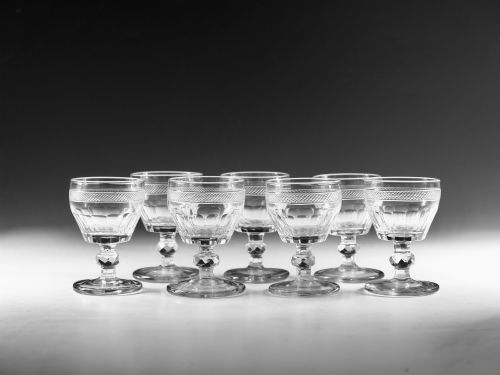
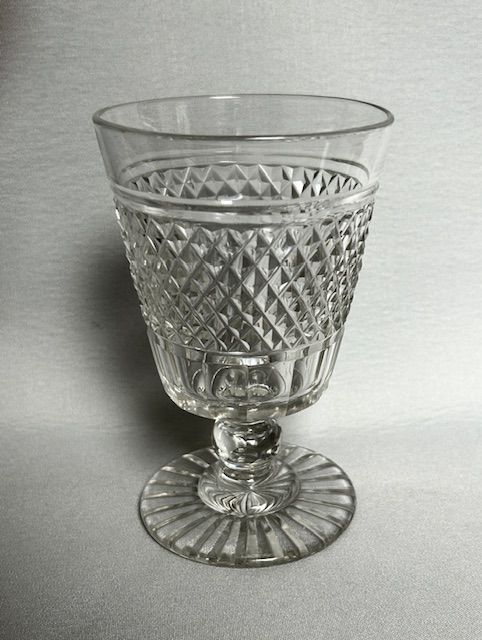


Regency Glassware
Regency glassware brings heavy lead crystal and vibrant coloured glass to the table, offering tactile weight and brilliant optical clarity for daily service.
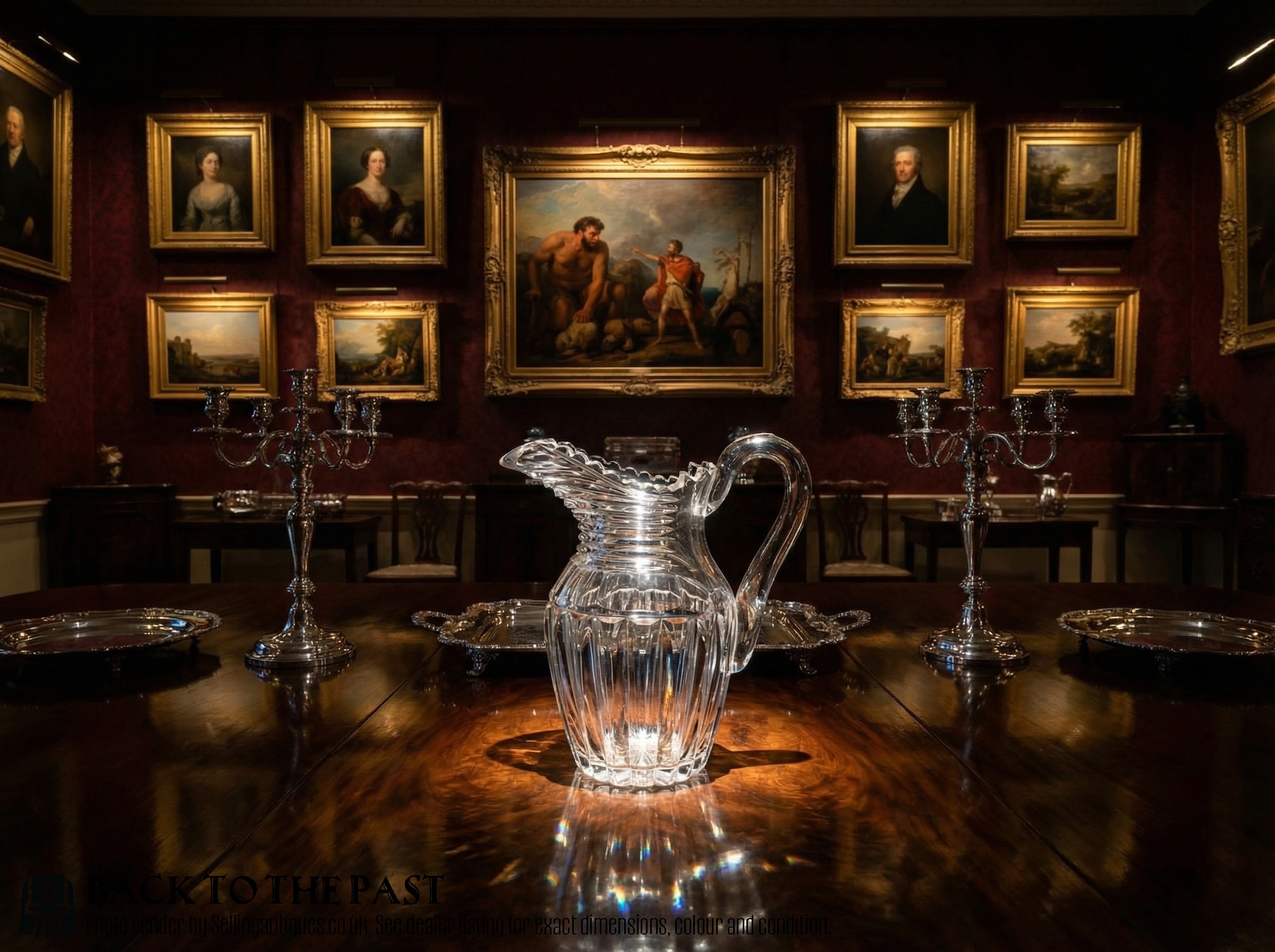
Regency Glassware
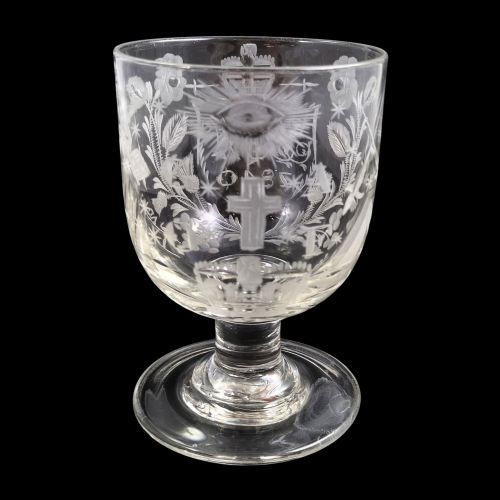
Regency glassware encompasses utilitarian drinking vessels and serving pieces produced across the Georgian and early nineteenth-century periods, spanning items like rummers, decanters, wine glasses, and egg cups. These drinking vessels and serving pieces bridge the gap between late Georgian elegance and early Victorian mass production.
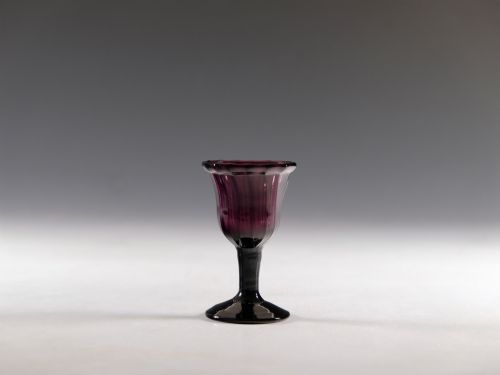
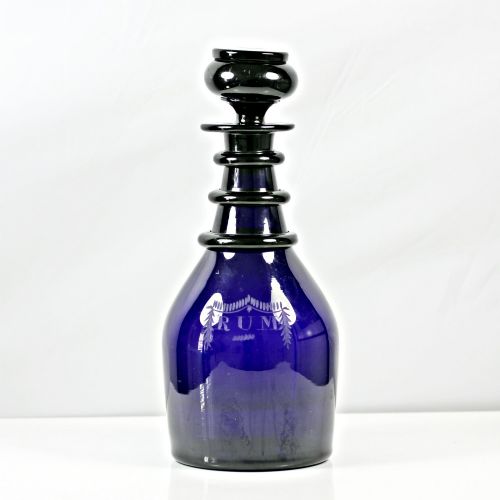
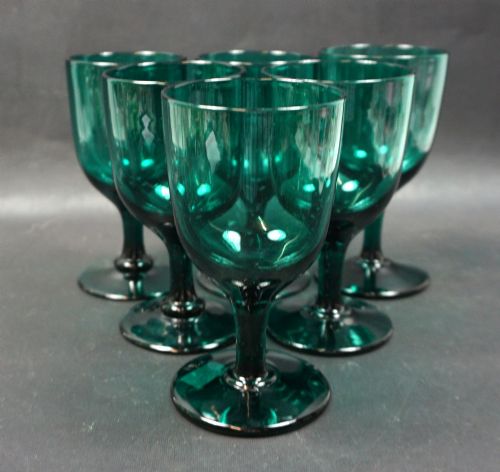
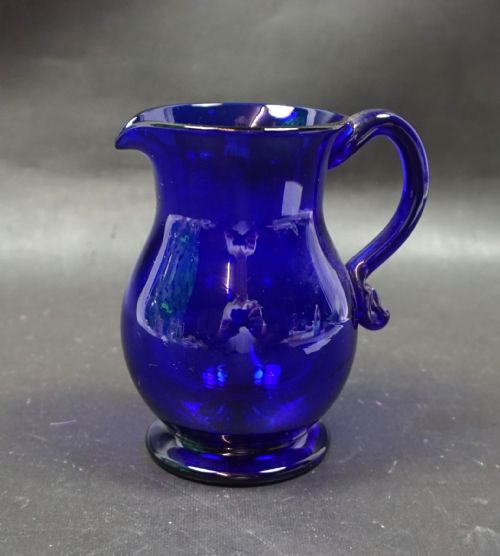
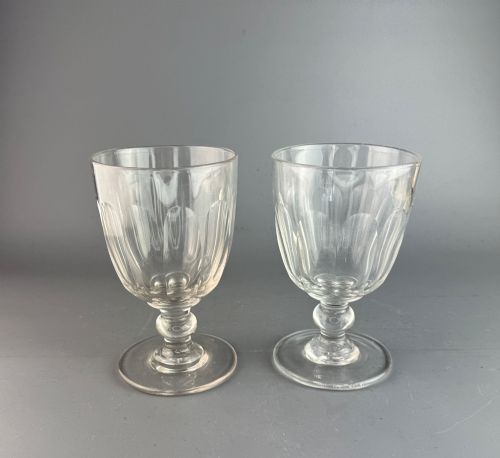
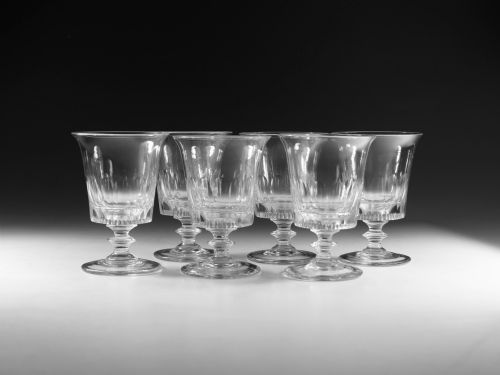
The objects appearing on this page skew heavily towards heavy lead glass rummers, decanters with multiple neck rings, and colourful wine glasses in shades such as Bristol blue, green, turquoise, and peacock blue. Lead crystal and cut glass forms dominate the selections.
Origins include English workshops, North-East English production sites, and Irish glasshouses, reflecting a robust domestic and regional output during the Regency era.
Materials and manufacturing methods
Makers utilised lead glass and crystal matrices blown by hand into initial forms before undergoing extensive wheel-cutting. The addition of lead oxide gave the metal high refractive index and noticeable heft.
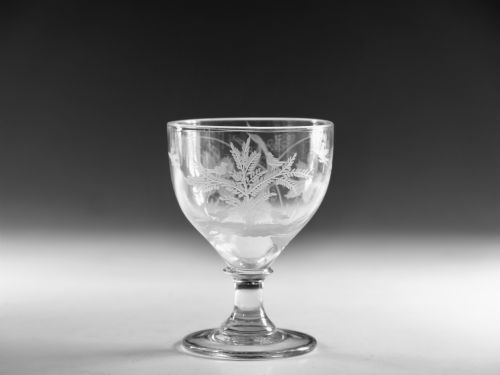
Decorative surface techniques combined wheel engraving - frequently depicting hops and barley or armorial motifs - with deep hobnail cutting and pillar cutting. Square lemon squeezer feet were moulded separately and attached to heavy bowls.
Current listings feature Georgian, Regency, and Victorian periods, with materials ranging from clear lead crystal to vibrant cobalt, turquoise, and Bristol green glass.
Evaluating glass quality
Quality rests upon the purity of the metal and the crispness of the wheel-cut facets. Superior pieces display sharp, clean geometric edges without rounding from polishing, alongside minimal internal seed bubbles in the glass.
The depth and balance of hand engraving dictate overall execution, where precise floral or hop and barley motifs separate standard domestic wares from exceptional display pieces.
The Regency Glassware Glossary
- Rummer
- A large, sturdy drinking glass originating in the eighteenth and nineteenth centuries, typically used for ale, wine, or spirits. These heavy vessels often feature thick stems and generous bowls.
- Hobnail cut
- A raised, faceted surface pattern resembling the iron nails used in heavy boots. This tactile cutting style creates intense light refraction across the body of bowls and rummers.
- Lemon squeezer base
- A heavy, square-moulded foot designed with pressed pyramidal facets resembling a citrus juicer. It provides stable footing for heavy Regency glassware.
- Lead glass
- Glass containing a significant proportion of lead oxide to increase density, brilliance, and workability. This formulation allows deeper, sharper facet cutting than standard soda-lime glass.
- Bristol blue
- A deep cobalt-blue coloured glass famously produced in the Bristol region during the Georgian period. It remains highly collectable for its striking intensity.
Regency Glassware: Frequently Asked Questions
How do I identify Regency glassware?
Look for heavy lead crystal weight, hand-blown pontil marks on the base, and distinctive decorative motifs like hobnail cutting or wheel-engraved hops and barley.
Context also helps, as forms like square lemon squeezer feet and three-ring decanters strongly point towards the early nineteenth century.
Were these coloured glasses used daily?
Coloured wares such as Bristol blue, green, and turquoise wine glasses or cream jugs were part of formal dining and dessert services.
They added vibrant visual contrast to candlelit Regency tables during multi-course meals.
What is a rummer used for?
Rummers served as robust drinking vessels for ale, rum, or punch rather than delicate wine.
Their substantial size and thick walls made them practical for regular domestic consumption.