

Antique Glass Decanter Jug
An antique glass decanter jug combines heavy clear or coloured vessels with metal mounts to serve wine, spirits or water.
Antique Glass Decanter Jug
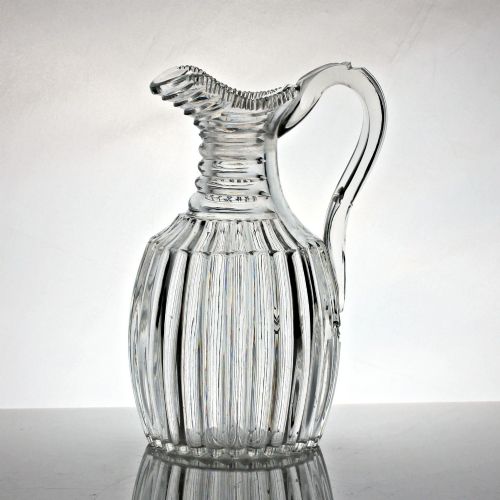
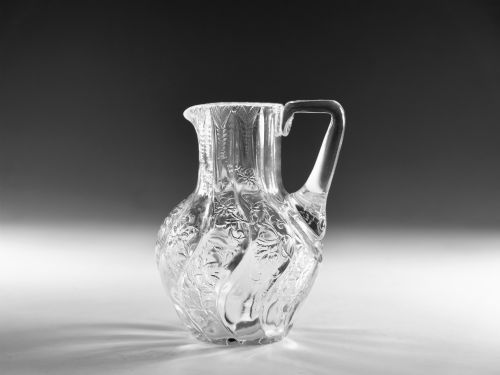
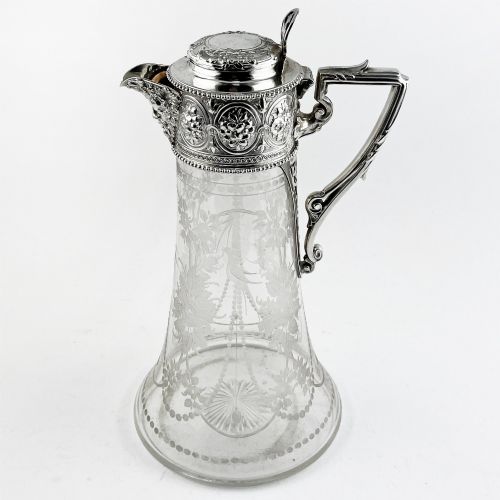
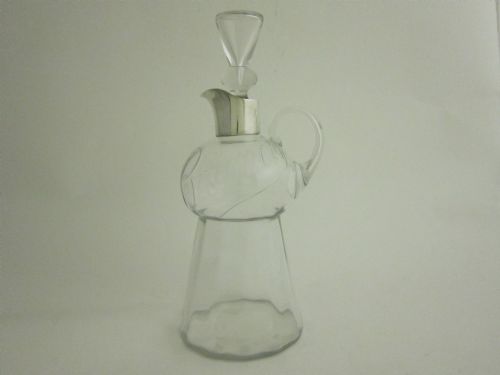
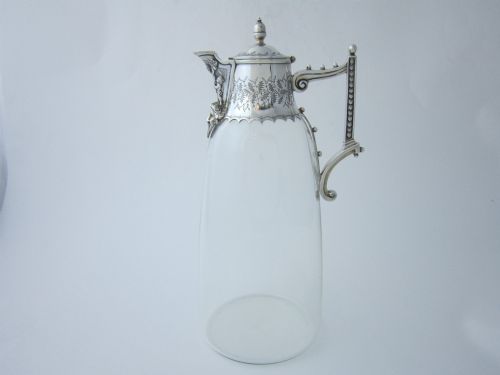
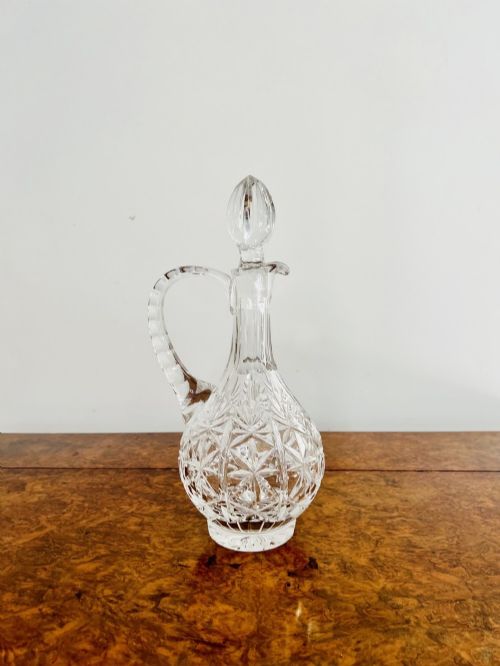
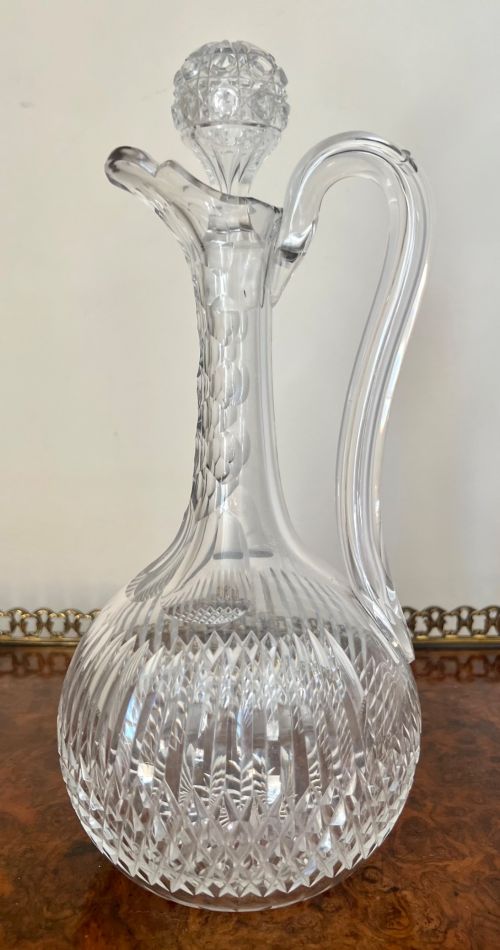
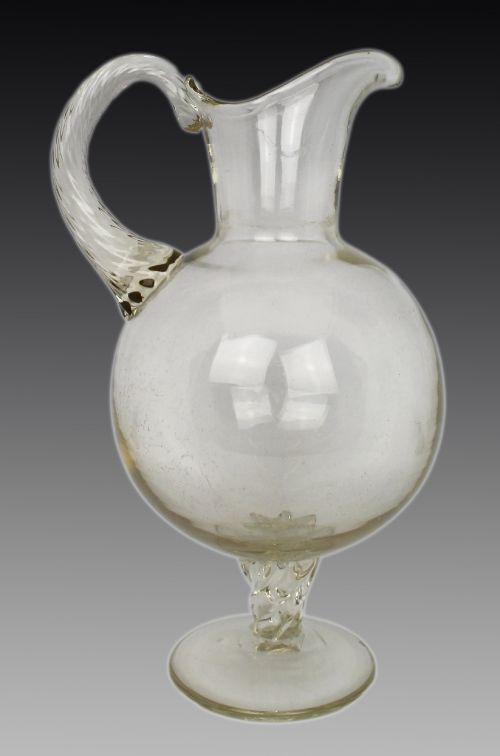
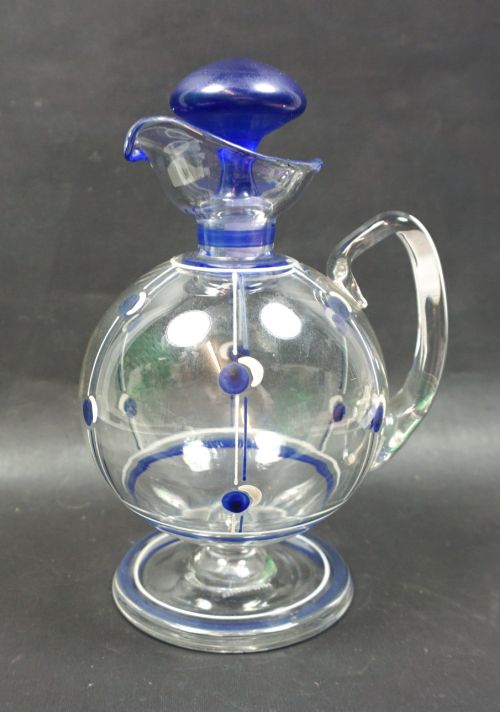
An antique glass decanter jug serves as a functional vessel for wine, claret, whisky, or water, merging the properties of a bottle and a pitcher. Pieces on this page span the nineteenth and twentieth centuries, taking the form of tall claret jugs, heavy decanters, and compact whisky noggins.
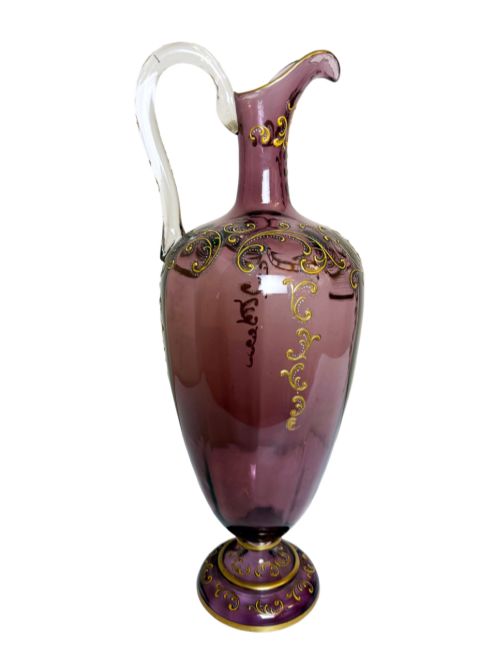
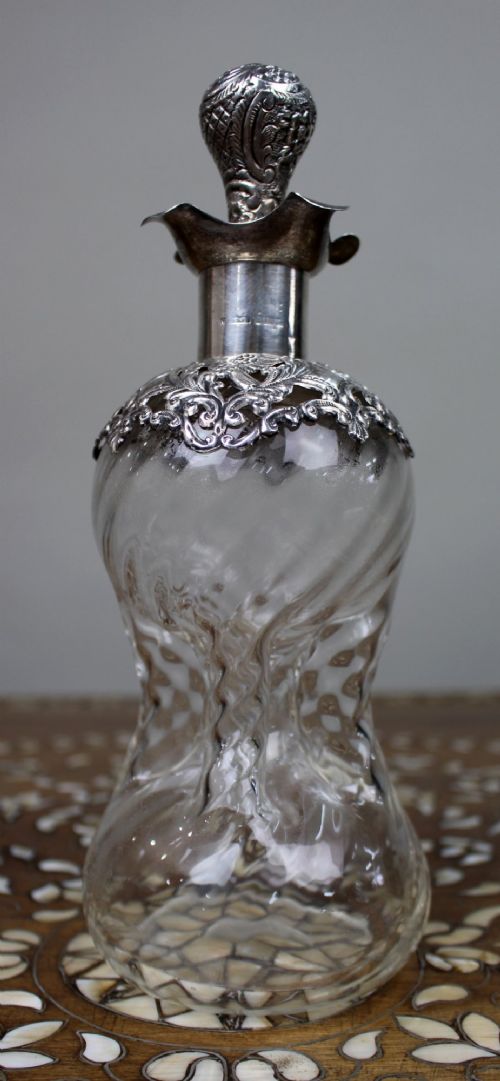
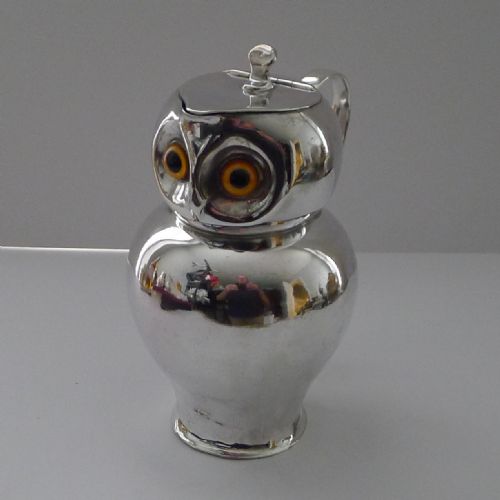
Victorian and Edwardian examples predominate, often pairing blown or cut glass bodies with sterling silver or silver plated mounts. Forms range from simple Bohemian and Italian ewers to elaborate novelty pieces featuring animal motifs and engraved floral decoration.
Materials and Techniques
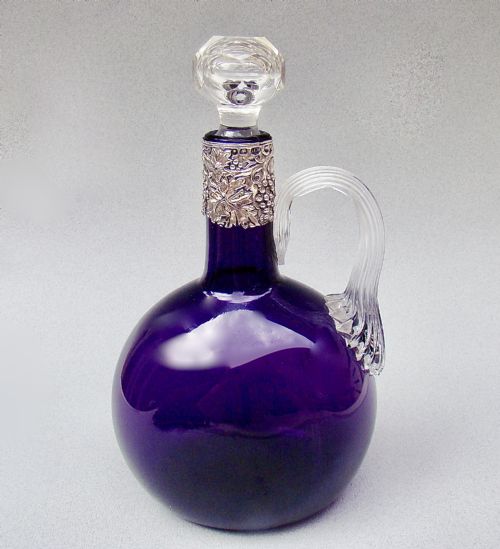
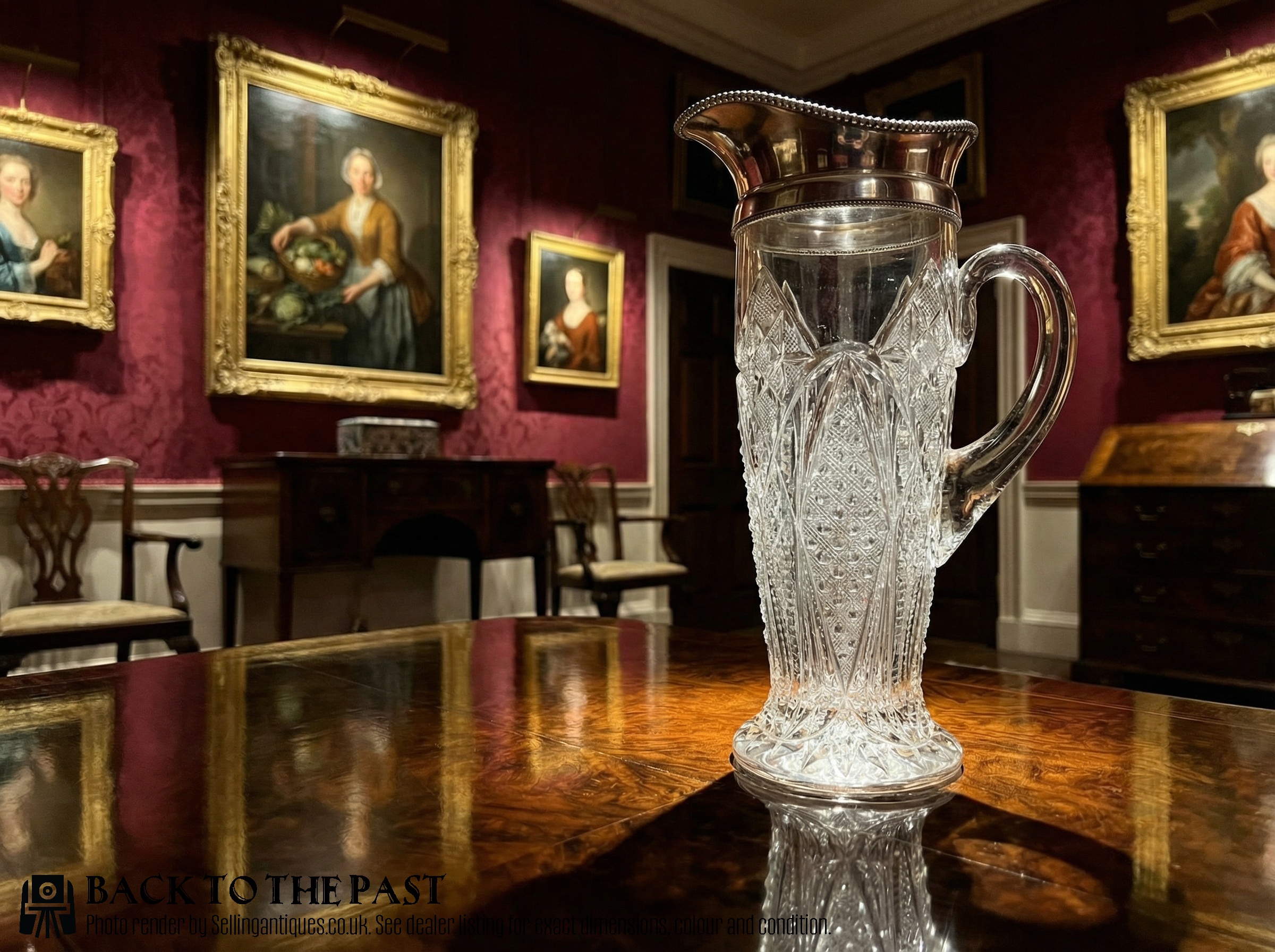
Makers utilised heavy lead crystal, cut glass, and coloured glass such as cranberry, violet, and green, often shaping the vessels through hand-blowing or moulding. Cutting and pillar-and-prism patterns were applied to refract light across the surface of the glass.
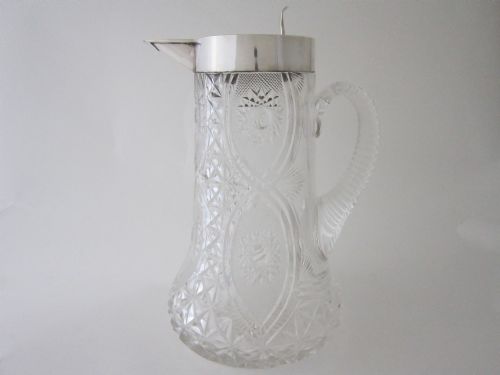
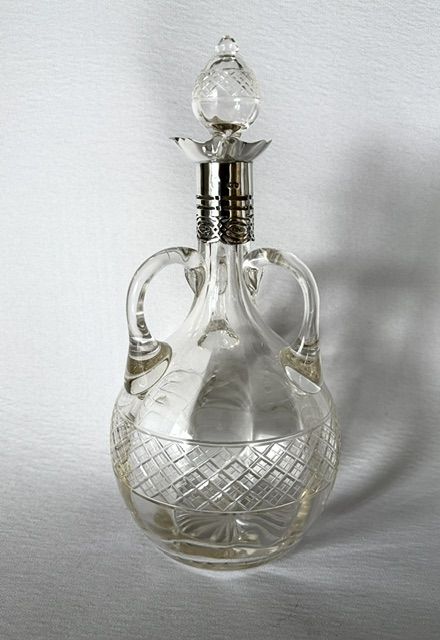
Mounts, handles, and spouts were fashioned from sterling silver, silver plate, or pewter, frequently bearing chased, engraved, or cast details like bacchus masks and serpent handles. These metal fittings were secured to the glass necks with collars and hinged lids.
Listings feature items from the 19th Century, Victorian, Edwardian, George V, and Art Deco periods, created in glass, sterling silver, and silver plate.
Judging Quality and Execution
The distinction between standard items and superior pieces rests on the crispness of the glass cutting and the weight of the metal mounts. Heavy lead crystal and thick sterling silver mounts indicate higher production standards than thin silver plate and lightweight blown glass.
Maker attribution and decorative complexity also elevate certain pieces, particularly those featuring hand-painted enamel, gilt appliques, or distinctive structural forms like internal ice tubes and novelty designs.
Asprey and Co. Ltd·Stevens and Williams·Henry Matthews·Mappin and Webb·Archibald Knox for Liberty Co
The Antique Glass Decanter Jug Glossary
- Claret jug
- A specialised vessel designed for serving red wine, typically featuring a pouring spout and a hinged metal lid.
- Whisky noggin
- A small spirit decanter or jug, usually supplied with a single-measure capacity and a matching silver label.
- Ewer
- A large jug with a wide spout and a looped handle, often used for water or wine rather than direct pouring at the table.
- Nailsea glass
- Glassware characterised by looped or splashed white or coloured enamel threads embedded within clear or tinted metal.
- Old Sheffield plate
- A composite material made by fusing a thin sheet of silver to a thicker copper base, common on earlier pieces.
Antique Glass Decanter Jug: Frequently Asked Questions
How were these jugs used?
These vessels stood on dining tables and sideboards to hold and pour wine, water, or spirits during meals and evening gatherings. The inclusion of hinged lids kept contents protected while allowing smooth pouring through the integrated spout.
Smaller versions like whisky noggins served individual portions of spirits with matching labels. Other forms incorporated internal ice tubes to chill beverages without diluting them.
How do I clean an antique glass jug?
Cleaning requires warm water and mild detergent, avoiding harsh abrasives that might scratch the glass or wear down silver mounts. Removable silver-plated or sterling collars should be kept dry to preserve the integrity of any internal cork or cement.
Stubborn internal residue responds best to traditional methods using non-abrasive glass cleaning beads or specialised bottle brushes rather than chemical soaking.
How can I tell the period?
Dating relies on a combination of hallmarks on the silver mounts, glass manufacturing techniques, and prevailing decorative styles. Victorian and Edwardian pieces often display distinct assay office marks and date letters stamped directly onto the metal collars.
Cut patterns and glass colours also provide clues, with heavy pillar-and-prism cutting pointing to the nineteenth century and smoother, enamelled motifs appearing in later decades.