




Clear Glass Water Pitcher
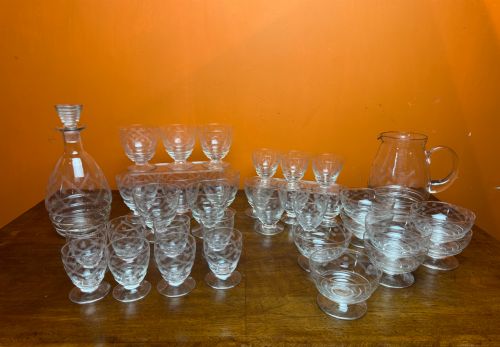
You are examining a clear glass water pitcher, a functional vessel shaped from lead crystal or clear glass to serve drinks with distinction.
Clear Glass Water Pitcher
A clear glass water pitcher brings together centuries of utilitarian design and decorative glassmaking, spanning Victorian, Edwardian, and Art Deco periods. These vessels function primarily as serving jugs for water, lemonade, and wine at the dining table.
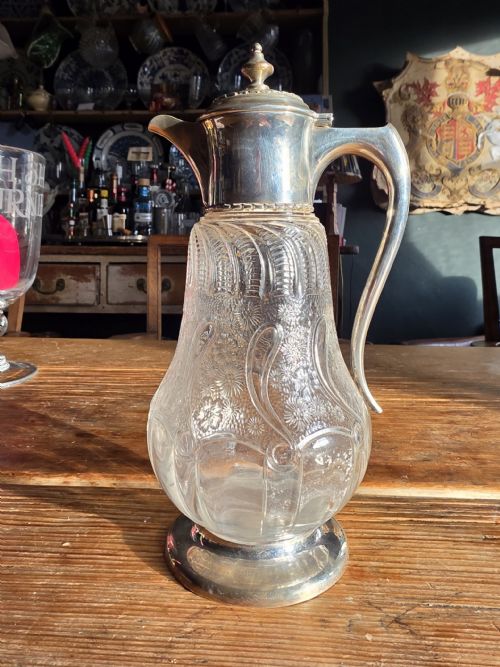
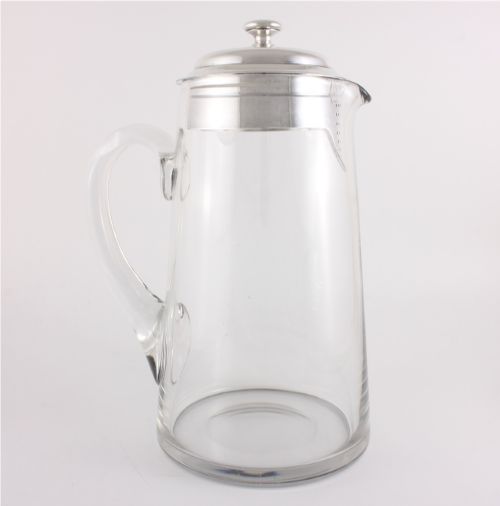
The most common examples on this page date from the nineteenth and early twentieth centuries, reflecting Georgian, Regency, and later production styles. Forms range from heavy cut glass ewers to slender overshot glass jugs fitted with silver plate mounts.
How They Were Made
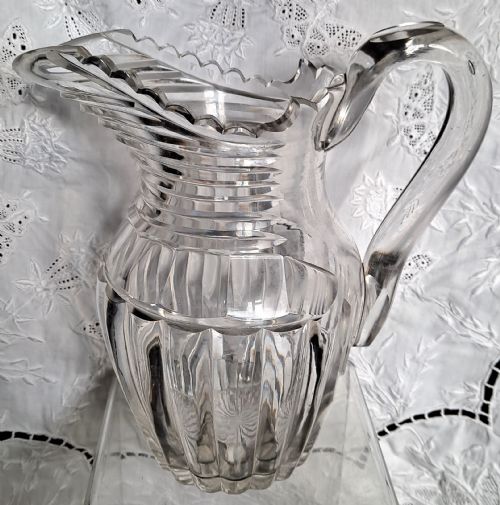
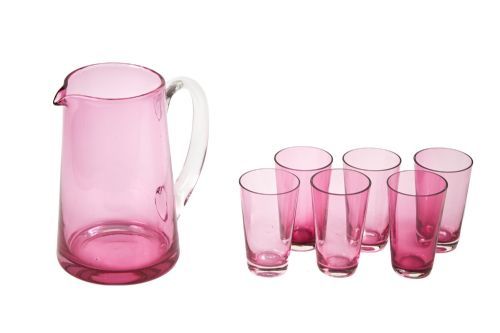
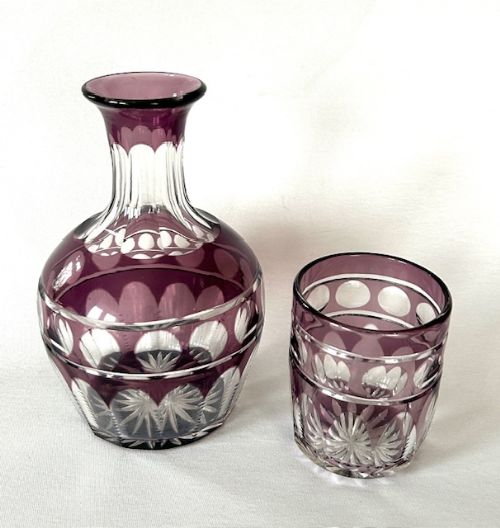
Makers shaped these pitchers through free-blowing or mould-blowing clear glass, lead crystal, and occasionally cranberry glass, often finishing the bodies with brilliant-cut geometric patterns. Wheels and hand tools cut deep prisms, flutes, and stars directly into the thick material.
Metal components such as sterling silver or silver plate were utilised for mounts, handles, and ice tubes, secured around the glass necks to facilitate pouring.
Listings span periods from Georgian and Regency eras through Victorian, Edwardian, Art Deco, and French Mid-Century styles.
What Varies in Quality
The distinction between ordinary and exceptional pieces lies in the crispness of the wheel engraving and the weight of the metal mounts. Deep, sharp cutting on heavy lead crystal indicates superior craftsmanship compared to shallow moulding on lighter glass.
Makers such as Stevens & Williams, Webb Corbett, and Richardsons achieved remarkable clarity and precise intaglio decoration, whereas standard commercial wares display simpler moulded patterns and lighter silver plate.
Stevens & Williams·Christofle·Mappin & Webb·Webb Corbett·Richardsons·Elkington & Co·Koloman Moser for Loetz
The Clear Glass Water Pitcher Glossary
- Ewer
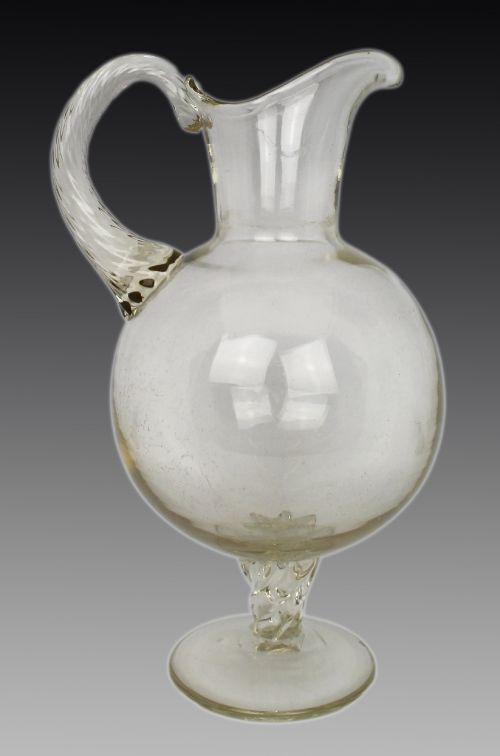
- A large jug with a wide spout and looped handle, historically used for water. These vessels often feature footed bases and decorative cut glass bodies.
- Overshot glass
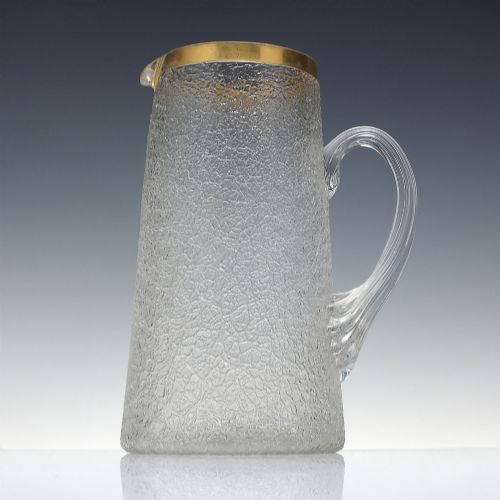
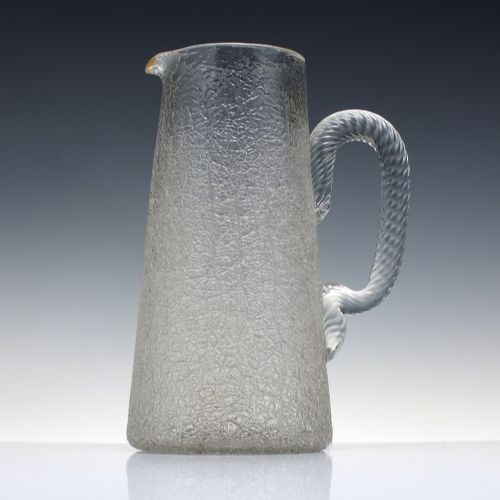
- A technique where fine glass threads are trailed across the surface of a blown vessel to create a textured, icy appearance. This finish appears on nineteenth-century pitchers.
- Intaglio
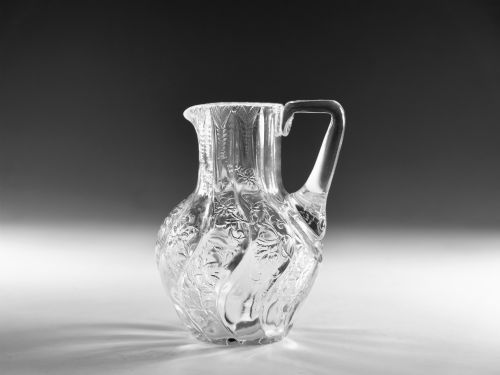
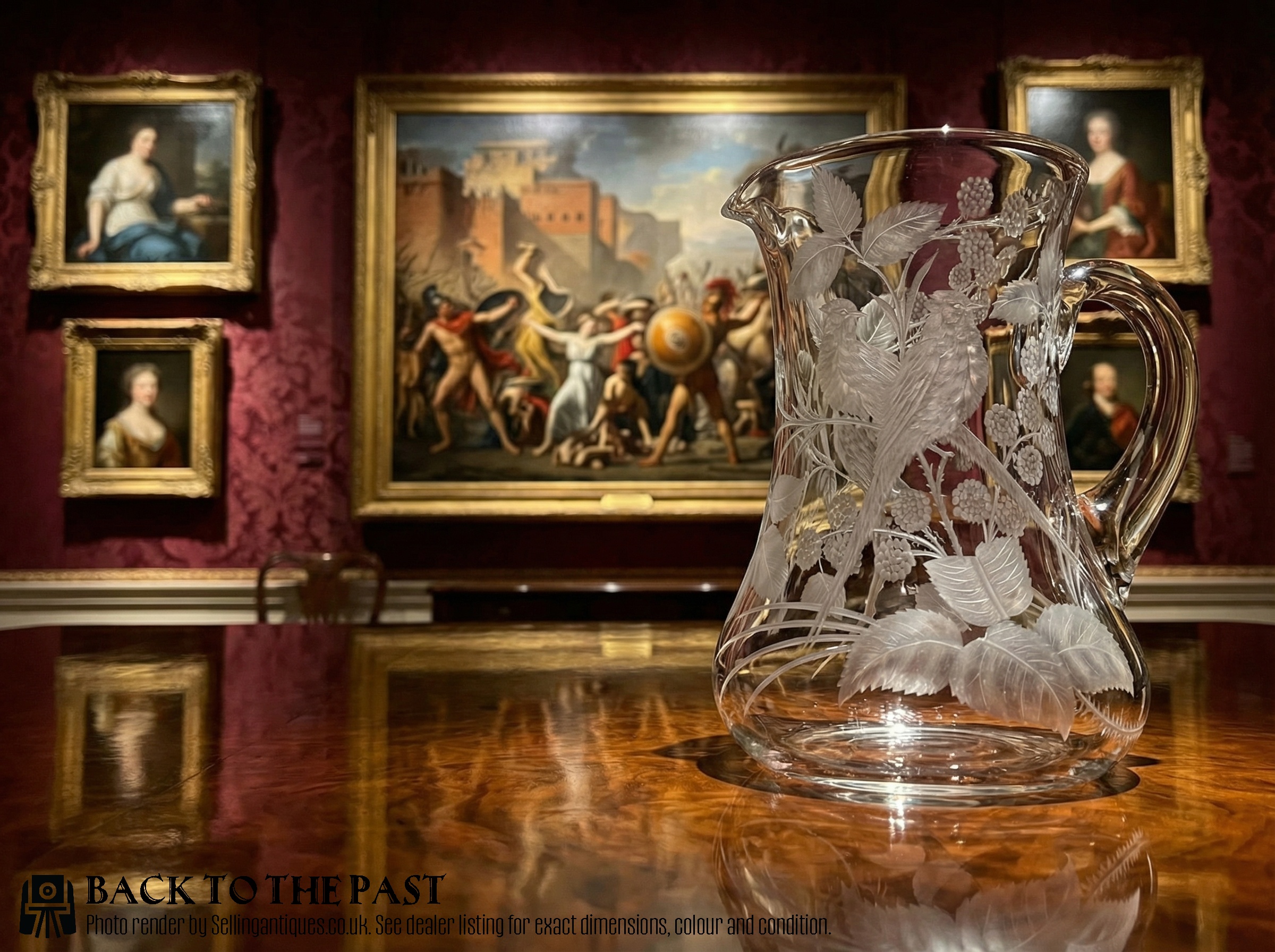
- A method of glass decoration where designs are sunk below the surface using small rotating wheels. It creates detailed motifs like birds, branches, and floral sprays.
- Silver plate
- A thin layer of silver fused to a base metal like copper or britannia metal. It was widely utilised for the mounts, lips, and handles of Edwardian and Victorian jugs.
Clear Glass Water Pitcher: Frequently Asked Questions
Were these pitchers only used for water?
Historical evidence shows these vessels served multiple drinks, including lemonade, claret, wine, and iced beverages. Many featured removable ice tubes to keep contents cool without dilution.
Others accompanied matching drinking sets for formal dining and entertaining during the Victorian and Edwardian periods.
How can I tell a Victorian pitcher from an Edwardian one?
Victorian examples frequently display heavy, deep-cut geometric patterns, cranberry glass hues, or elaborate etched floral motifs. They often incorporate sturdy silver-plated mounts.
Edwardian pieces tend toward lighter forms with refined rock crystal intaglio, crisper wheel engraving, and slender silhouettes characteristic of the early twentieth century.
What is an ice tube inside a jug?
An ice tube is a hollow metal cylinder attached to the lid or rim that descends into the pitcher's interior. This allowed hosts to chill liquids without direct ice contact.
Makers like Mappin & Webb incorporated these removable metal compartments into lemonade jugs during the late nineteenth century.