
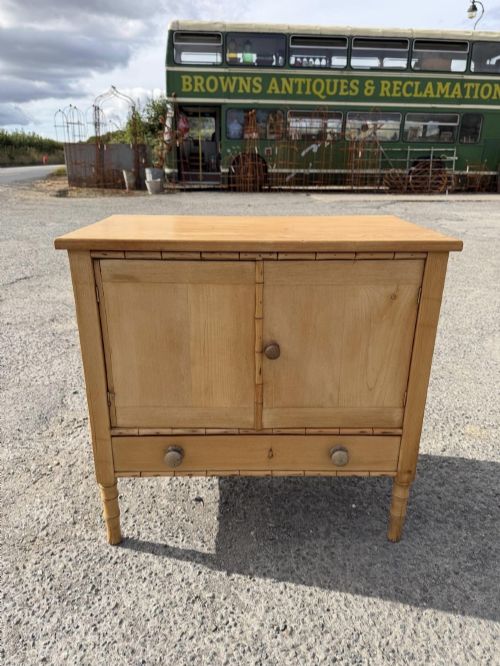
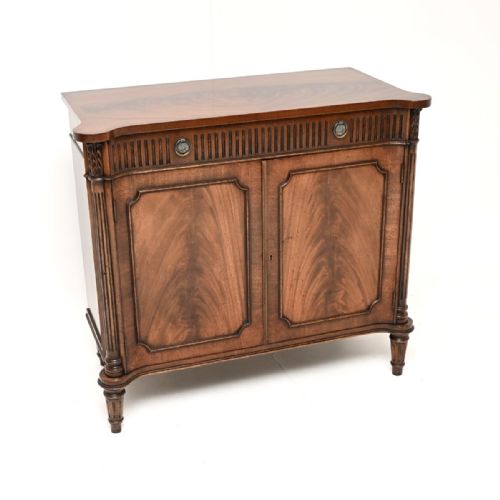
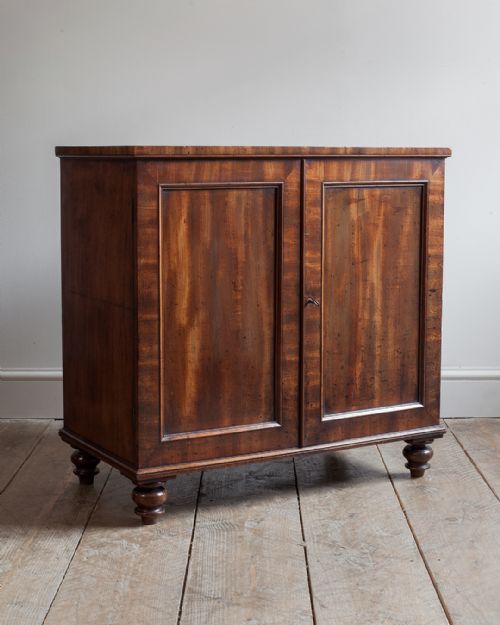
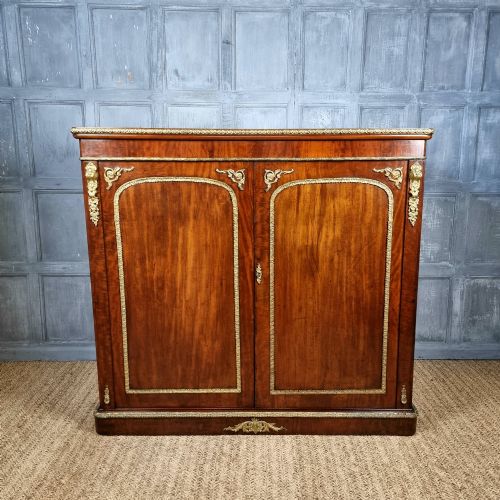
Regency Two Door Cabinet
These regency two door cabinet pieces offer architectural dignity and rich timber grain, bringing formal proportion and practical storage to any room.
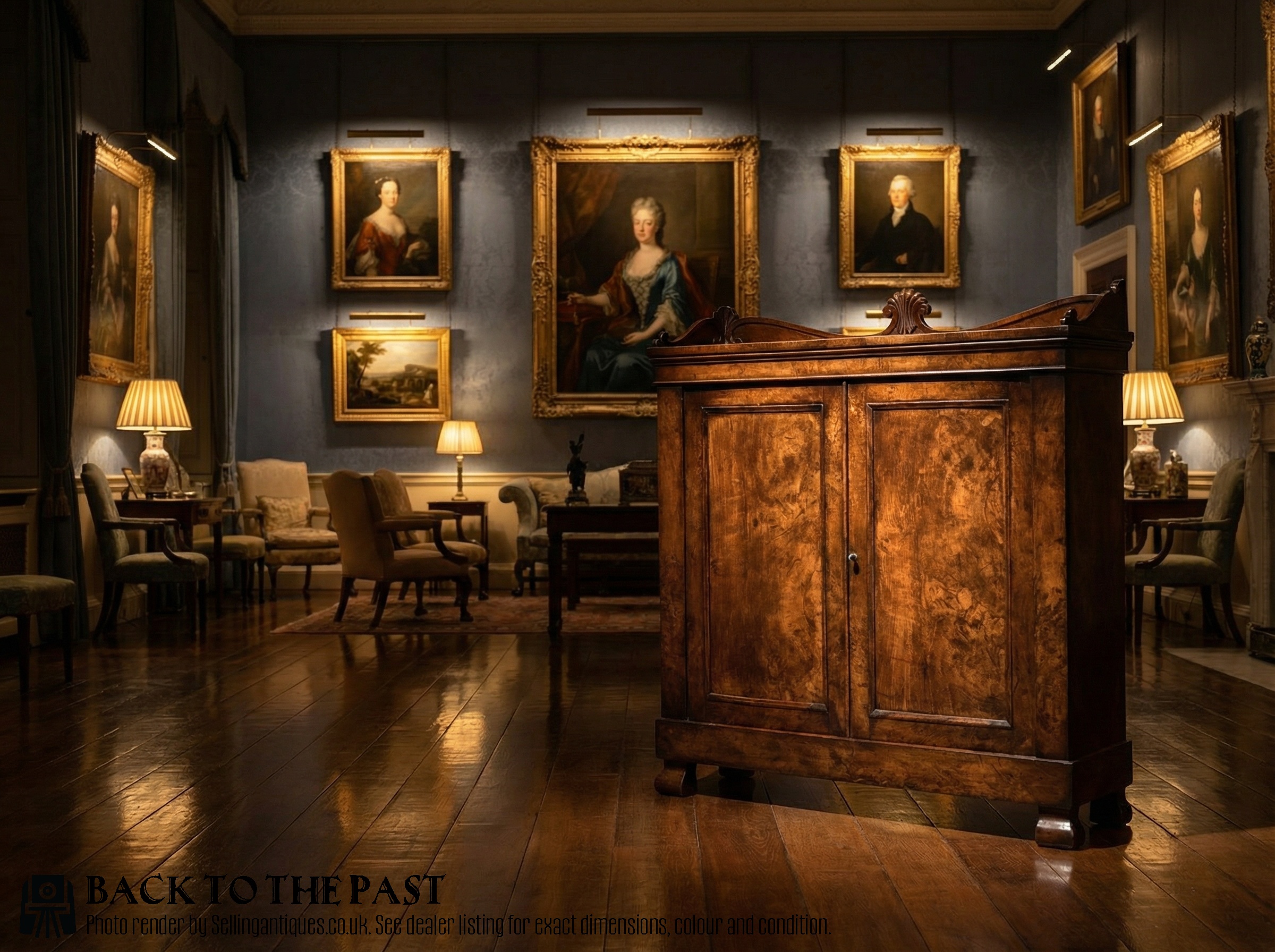
Regency Two Door Cabinet
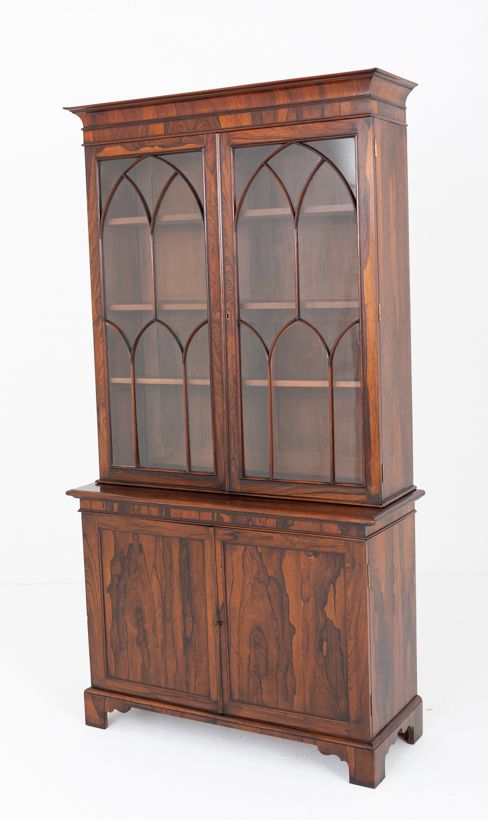
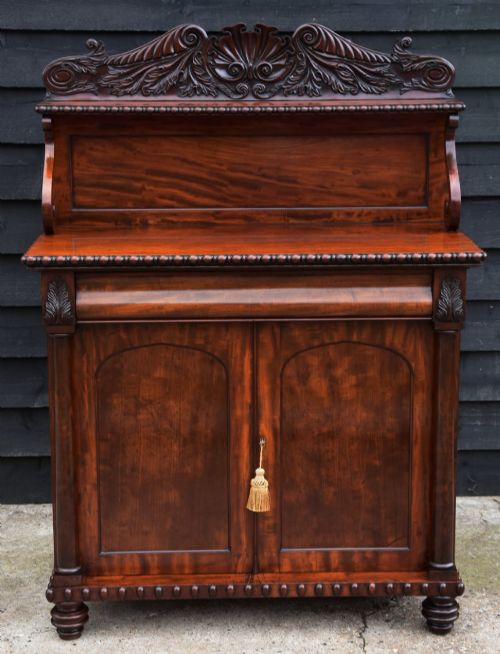
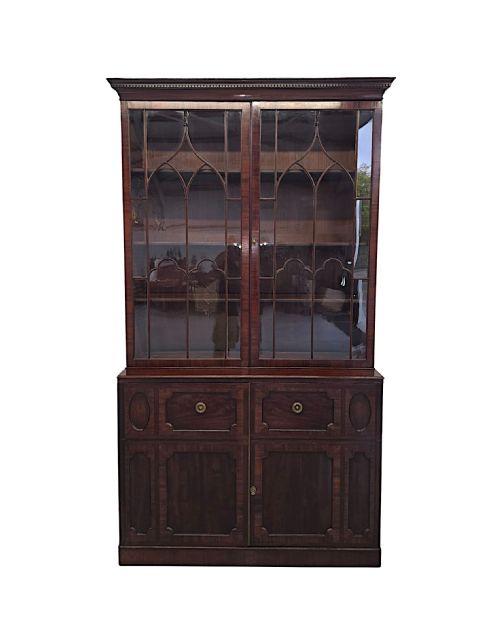
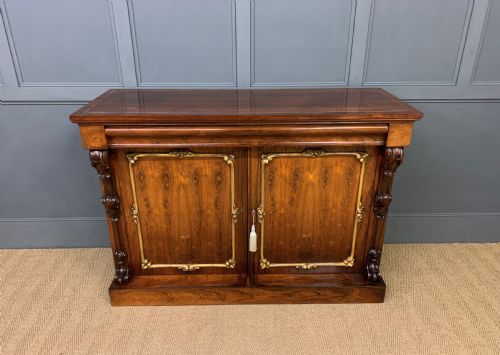
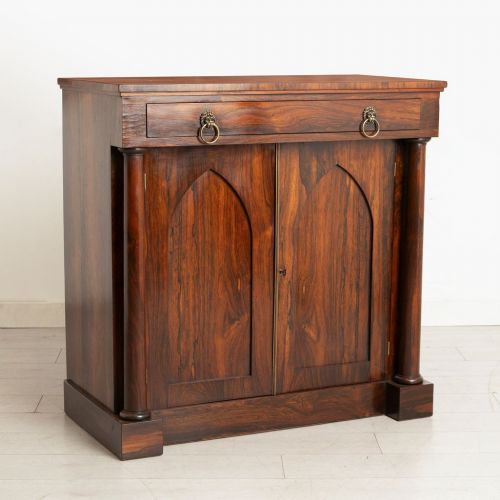
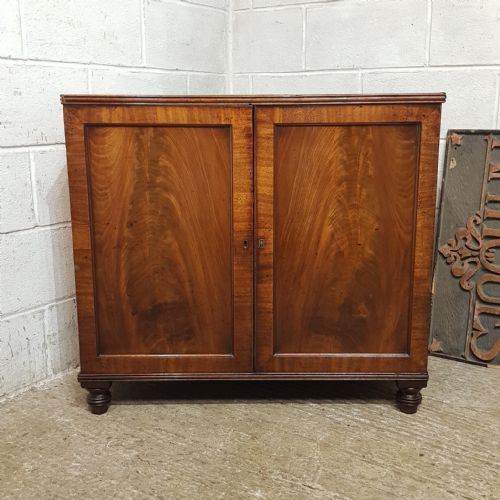
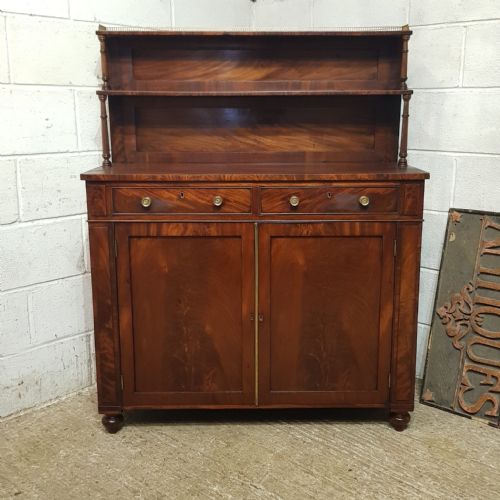
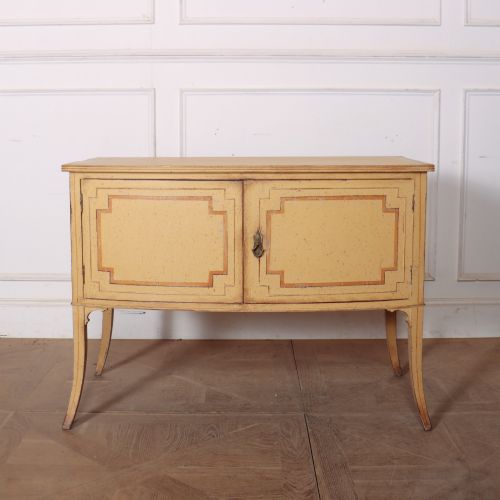
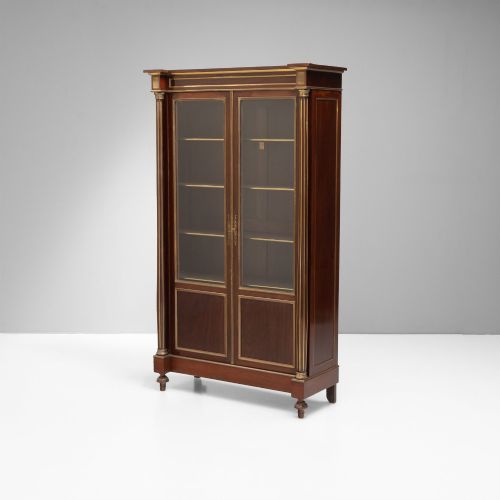
A regency two door cabinet provides enclosed storage through paired lower doors, often surmounted by open shelving, glazed bookcase doors or a low superstructure. These forms emerge primarily from the Regency, Georgian and 19th Century periods, constructed as side cabinets, chiffoniers, low cupboards and library pieces.
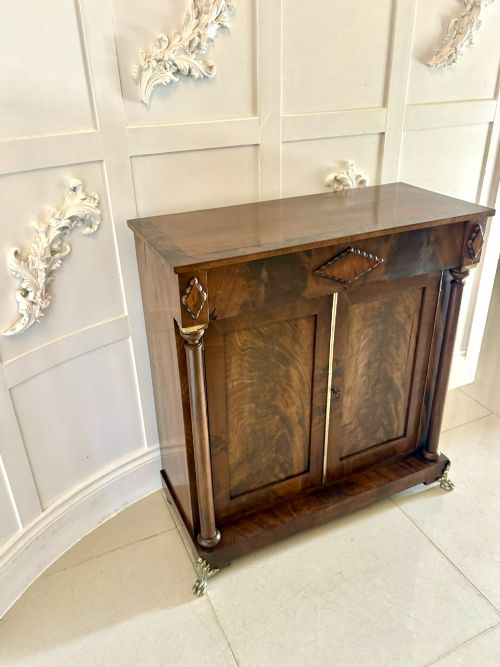
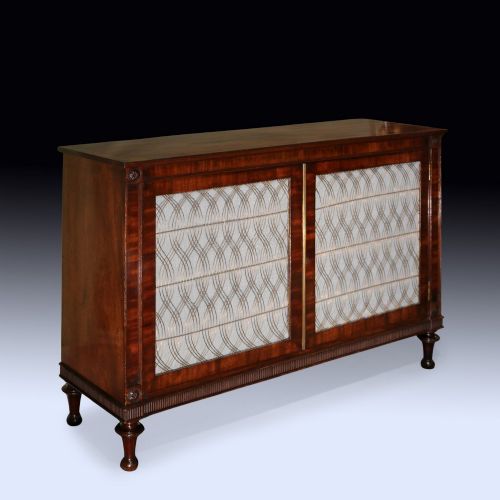
The version most commonly met on this page is the mahogany or rosewood side cabinet, frequently featuring two panelled or glazed doors dating from around 1820. Pieces range from formal English country house library cupboards to compact low chiffoniers and glazed bookcase combinations.
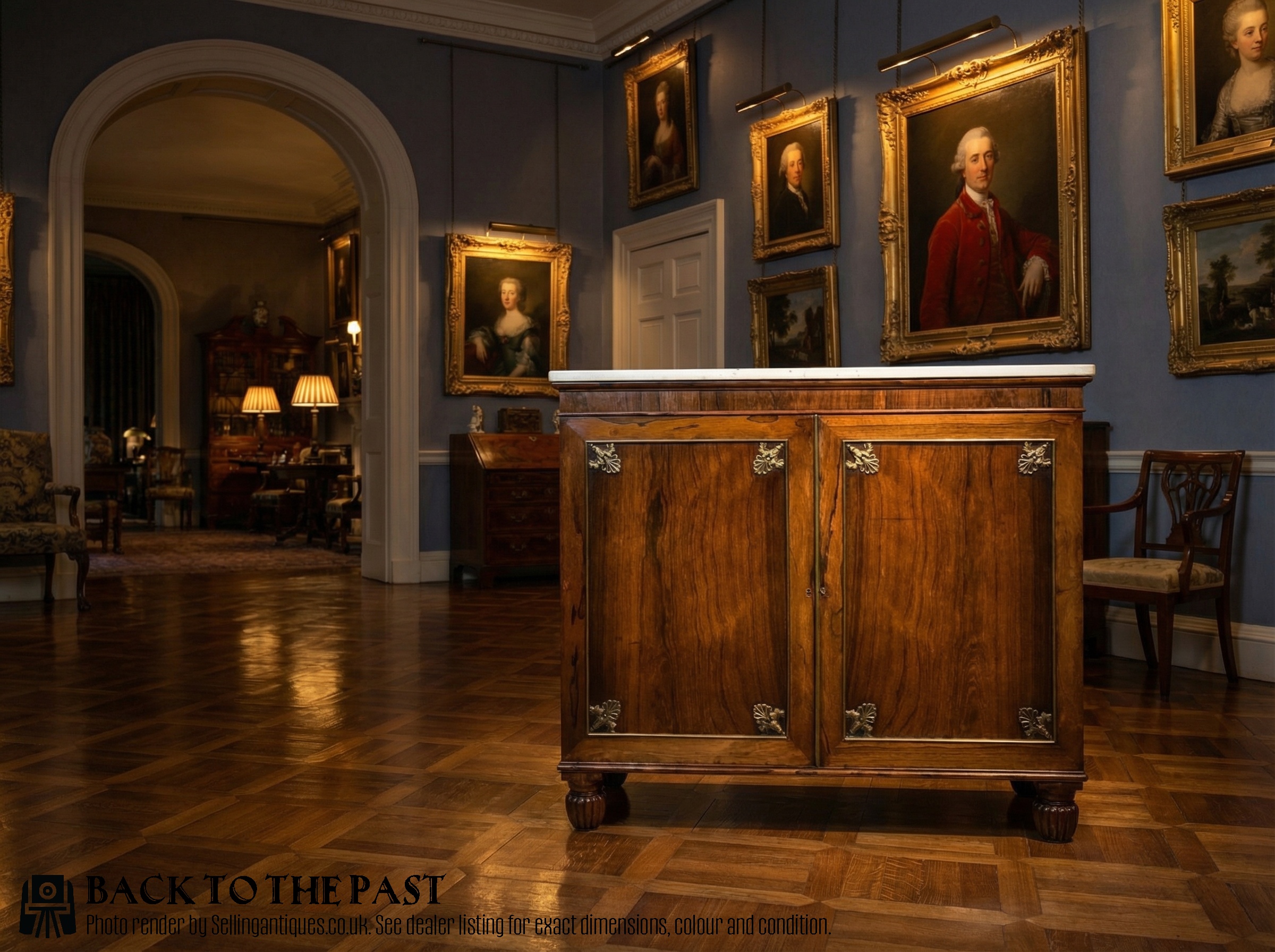
How They Were Made
Cabinet makers utilised solid timbers alongside figured veneers, applying flame mahogany and rich rosewood across the primary surfaces to create striking grain patterns. Brass inlay, ormolu mounts and pierced brass grilles frequently accent the doors, adding metallic contrast to the dark wood.
Structural carcasses rely on traditional joinery in native and imported woods such as mahogany, walnut, pine and faux bamboo. Glazed sections incorporate delicate timber astragals, while secondary woods form internal shelving and backing boards.
Regency Two Door Cabinet Retail Price Guide 2026
Typical asking prices for regency two door cabinet among the pieces listed under this phrase on Sellingantiques today, from the lower quarter to the upper quarter. They describe what is for sale here now, not the wider market.
Listings feature 19th Century and Regency periods predominantly, alongside Georgian and Victorian eras, utilising mahogany, rosewood, walnut, brass and glass.
What Varies in Quality
The selection of timber grain dictates much of the visual merit, with mirrored flame mahogany veneer or heavily figured rosewood marking the superior examples. Finer workshops invested greater care in matched veneers and the crispness of brass inlay or carved mounts.
Structural refinement shows in the weight and thickness of the timber, the subtlety of internal adjustable shelving, and the integration of architectural cornices or brass grilles. Maker attribution, such as work bearing signatures or established workshop provenance, further elevates a piece.
Gillows·James Winter and Sons·Harrods
The Regency Two Door Cabinet Glossary
- Chiffonier
- A low cabinet derived from the sideboard, typically featuring enclosed doors below and a small shelf or tier above. These pieces serve well for smaller dining rooms and drawing rooms.
- Flame Mahogany
- A timber veneer cut from the fork of the mahogany tree where the branch meets the trunk. This cutting method produces a distinctive flickering, flame-like pattern across the door panels.
- Ormolu
- Gilded bronze used for decorative mounts and accents on furniture. It provides bright metallic highlights against dark cabinet woods.
- Brass Grille
- Fine metal wire mesh fitted into cabinet doors in place of glass. It allows ventilation while protecting books or objects stored within.
- Linen Press
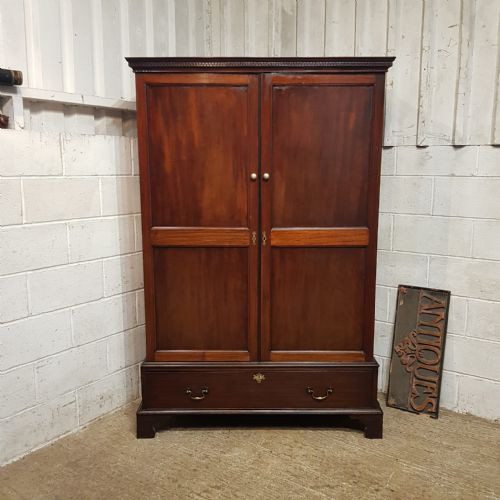
- A tall double-door cabinet originally designed for storing folded linens on internal sliding trays. Many examples now function as general wardrobes or bookcase bases.
Regency Two Door Cabinet: Frequently Asked Questions
How were regency two door cabinet pieces used originally?
These cabinets served primarily in dining rooms, libraries and drawing rooms for storing china, glassware, linens or folio books. The lower doors concealed utilitarian storage while upper sections often displayed prized volumes.
In grander settings, low side cabinets acted as serving surfaces during meals or held decorative lamps and bronze ornaments on their upper tops.
What is the difference between a chiffonier and a side cabinet?
A chiffonier typically includes a raised shelf or back tier above the main surface, whereas a side cabinet presents a flat top and a more architectural silhouette.
Both utilise two doors below, but chiffoniers lean towards informal living spaces while side cabinets often display grander Regency detailing.
Are the shelves inside these cabinets adjustable?
Many surviving examples feature adjustable wooden shelving supported on traditional wooden bearers or brass rack strips. This adaptability allowed owners to reconfigure the interior space for books of varying heights.
Original adjustable systems remain a mark of thoughtful cabinet making from the period.
How do I tell a Regency period piece from later copies?
Authentic Regency construction employs period secondary woods like oak or pine behind mahogany linings, alongside hand-cut dovetails and older fixings. Timber shrinkage, hand-turned brass fittings and authentic patination develop naturally over the nineteenth century.
Later Victorian or Edwardian reproductions often show different internal timber choices, machine-made elements and heavier carcass proportions.