
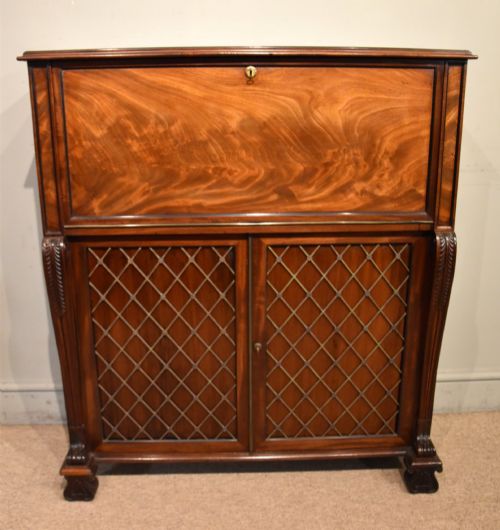


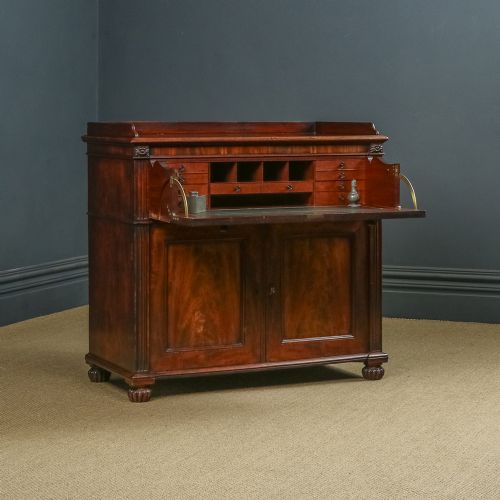


Gillows of Lancaster Cabinet
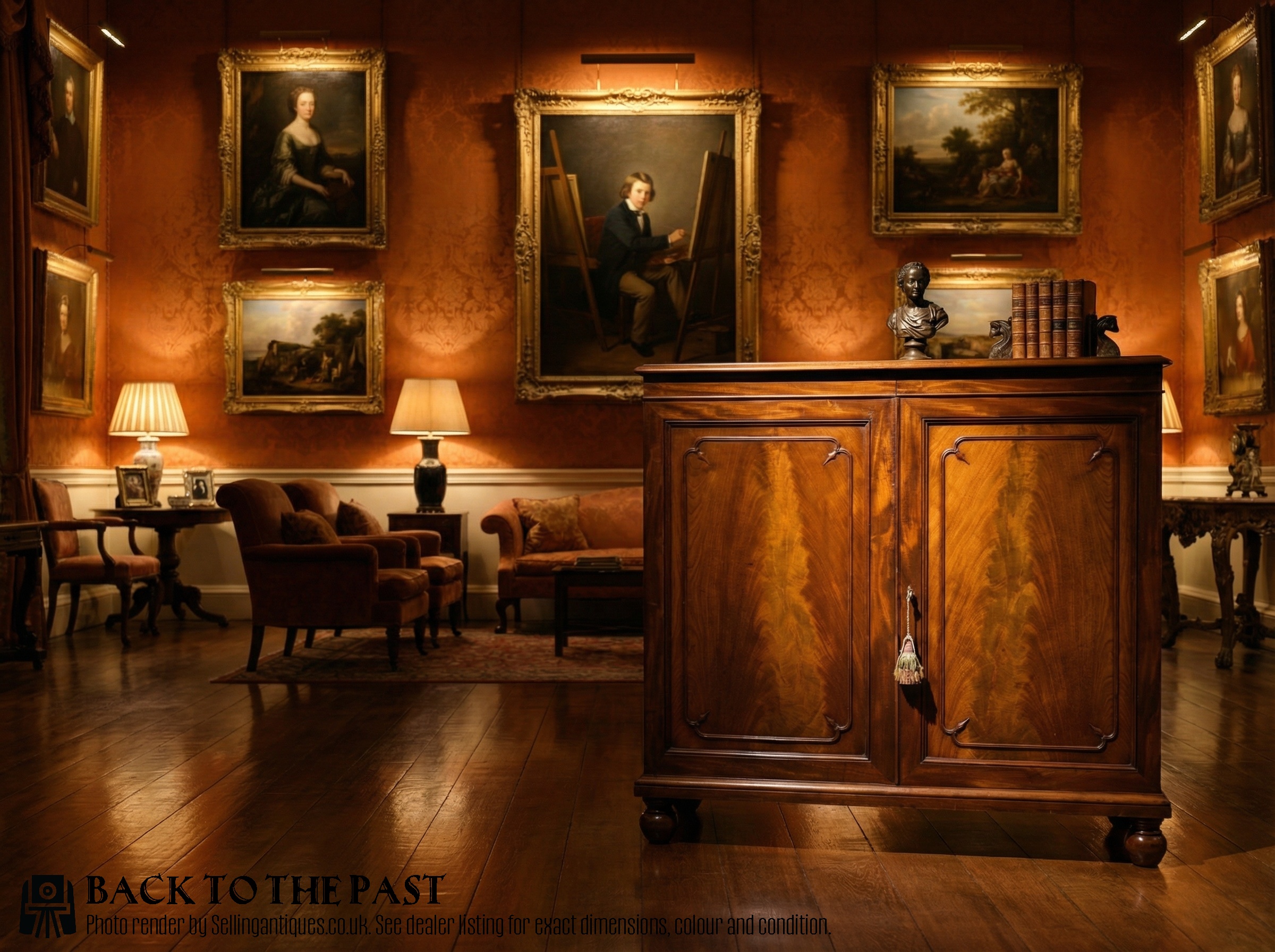
A gillows of lancaster cabinet brings peerless Lancashire cabinet-making into the room, uniting severe architectural proportion with warm figured timber.
Gillows of Lancaster Cabinet
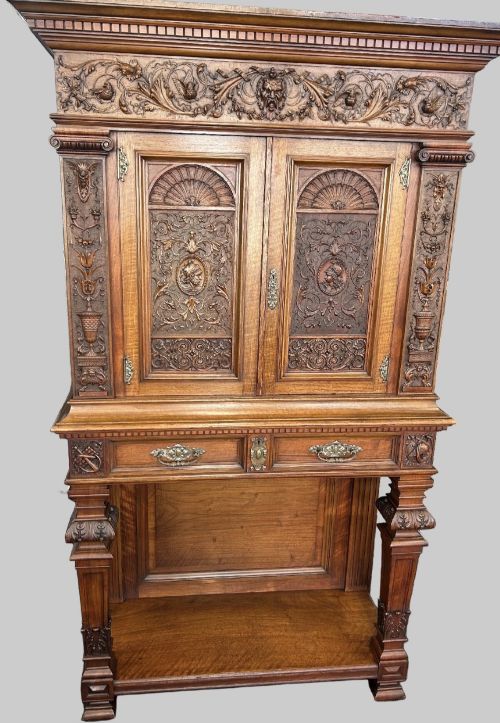
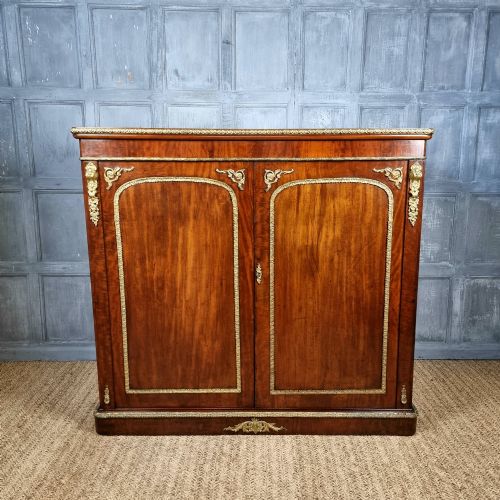
A gillows of lancaster cabinet represents the pinnacle of provincial English furniture production, spanning the Georgian, Regency, and Victorian periods. Buyers seeking these works encounter side cabinets, secretaire desks, credenzas, and library pieces bearing the firm's stamp or distinctive construction methods.
Mahogany, flame mahogany, and rosewood dominate the listings, alongside burr walnut and satinwood forms. Pieces range from modest Davenport desks to expansive bookcases and cellarettes, reflecting a prolific output that served elite households across Britain.
Materials and Construction
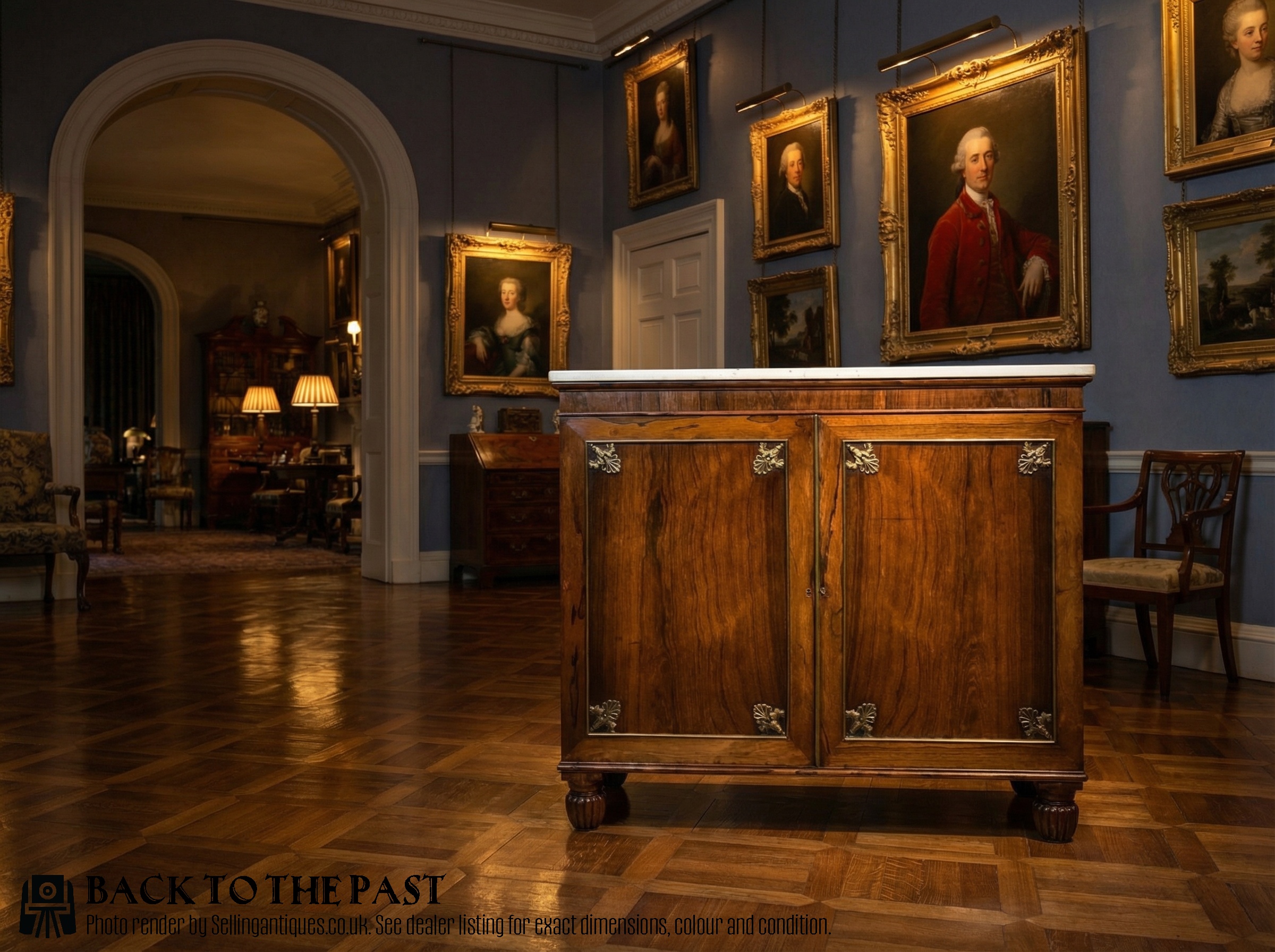
Cabinet-makers relied heavily on dense hardwoods like mahogany and rosewood, frequently selecting highly figured veneers such as flame mahogany and burr walnut to create striking visual movement across large drawer fronts and door panels. Brass inlays, gilt-brass mounts, and ormolu details provide crisp metallic contrast against the polished timber surfaces.
Internal secondary timbers and drawer linings demonstrate rigorous workshop standards, utilising solid oak or mahogany even in unseen structural areas. Stamped signatures, cabinet numbers, and distinctive locking mechanisms offer firm evidence of Lancashire craftsmanship.
Cellarettes designed for wine storage occasionally retain the faint aroma of aged oak and vintage spirits.
Factors of Quality
The degree of figuration in the timber veneer dictates visual impact, with matched flame mahogany or burr walnut elevating a standard storage carcass into a masterwork. Selection of secondary woods and the crispness of brass or ormolu mounts reveal the workshop's investment in materials.
Structural integrity rests on the precision of dovetailed joints and the preservation of original stamped signatures or paper labels. Pieces retaining their fitted interior compartments, original glass panels, and functional locks command greater regard among collectors.
Gillows of Lancaster·Waring and Gillows of Lancaster
The Gillows of Lancaster Cabinet Glossary
- Secretaire
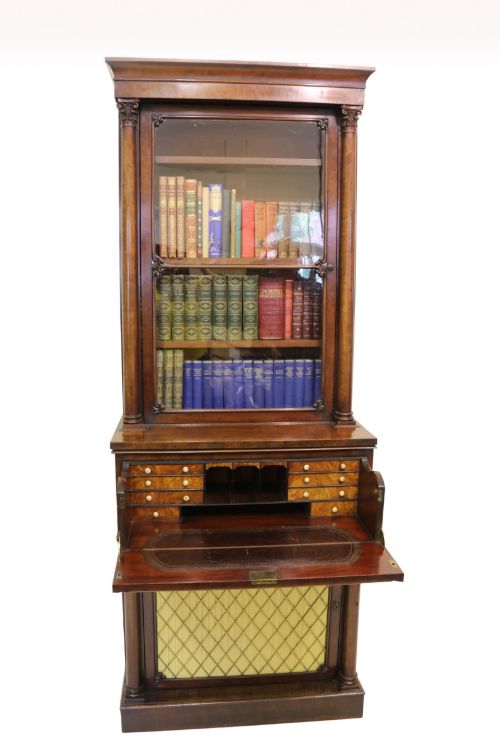
- A desk disguised as a chest of drawers or cabinet featuring a drop-front writing surface. This fitted interior often contains small drawers and pigeonholes.
- Cellarette
- A lockable container used for storing wine bottles in dining rooms. These frequently take the form of sarcophagus-shaped boxes on sturdy feet.
- Credenza
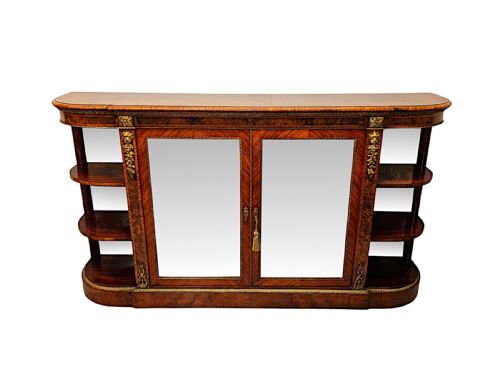
- A low sideboard or cabinet developed during the nineteenth century. They often feature glazed doors and elaborate marquetry or ormolu mounts.
- Ormolu
- Gilded bronze used for decorative mounts on fine furniture. The technique creates a rich gold finish that contrasts against dark cabinet woods.
- Davenport
- A compact compact writing desk featuring a sloping top and drawers accessed from the side. They emerged during the Regency period.
Gillows of Lancaster Cabinet: Frequently Asked Questions
How do I spot a real Gillows piece?
Look for stamped signatures directly into the wood, usually found on the top edge of a drawer front or inside a cupboard door. The presence of workshop numbering or specific construction traits also helps confirm authenticity.
Compare the timber selection and secondary woods against known examples from the Lancashire workshops. Fine mahogany linings and meticulous dovetailing provide strong corroborating evidence.
What periods do these cabinets cover?
The available pieces span from the late eighteenth century through the Georgian and Regency eras into the Victorian period. George III and George IV styles frequently appear alongside later nineteenth-century interpretations.
Design motifs shift from classical architectural restraint in early pieces to more exuberant marquetry and burr walnut surfaces in Victorian examples.
How were secretaire cabinets used?
Owners utilised secretaire desks and bookcases for private correspondence and administrative tasks within the home. The drop-front flap provided an immediate writing surface without requiring a separate standalone desk.
Internal compartments kept stationery, inkwells, and documents organised behind locked doors, combining storage with utility.
How do I care for rosewood and mahogany?
Keep these timber surfaces away from direct sunlight and steady heat sources to prevent the wood and veneers from drying out or splitting. Maintain a stable room temperature to protect the antique polish.
Apply quality beeswax sparingly and buff gently with a soft cloth to preserve the natural lustre of the grain.