
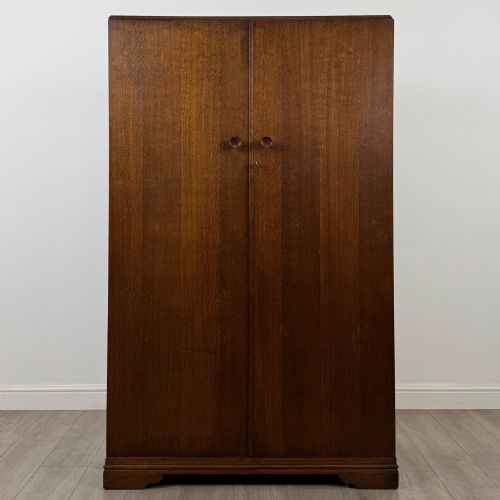
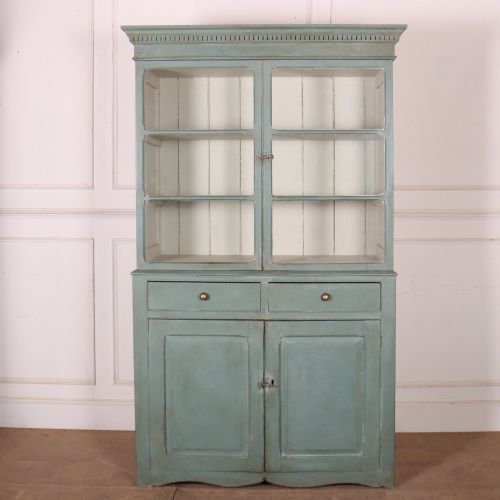

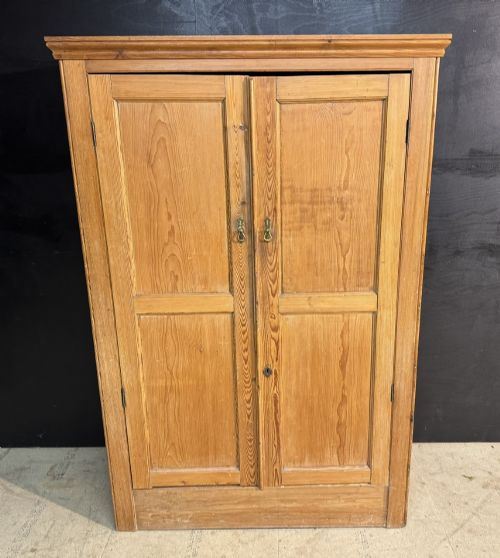
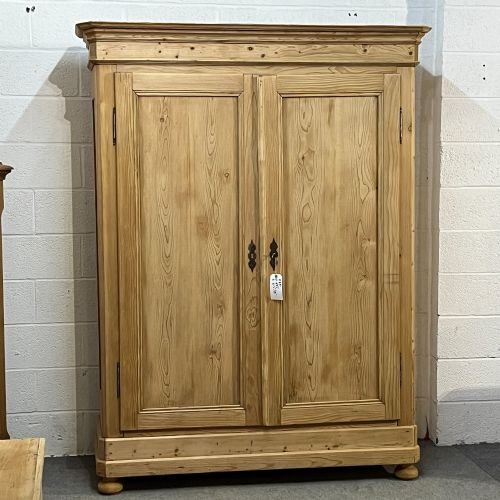
Antique Freestanding Cupboard
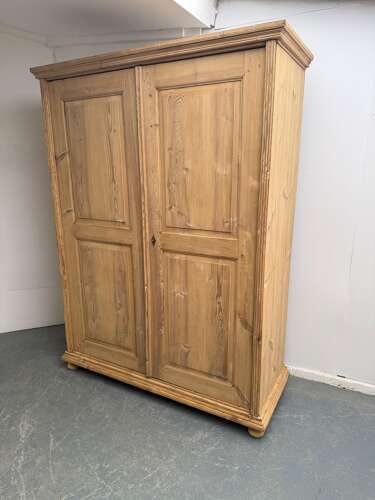
An antique freestanding cupboard is a sturdy storage piece built to stand alone, and buyers want one for its honest timber and practical room.
Antique Freestanding Cupboard
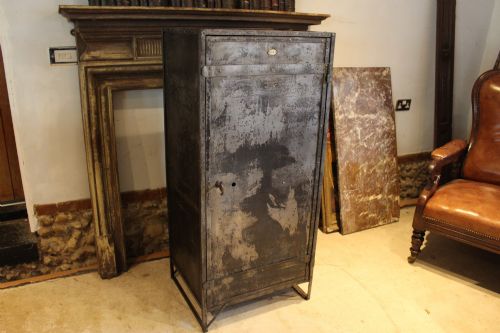
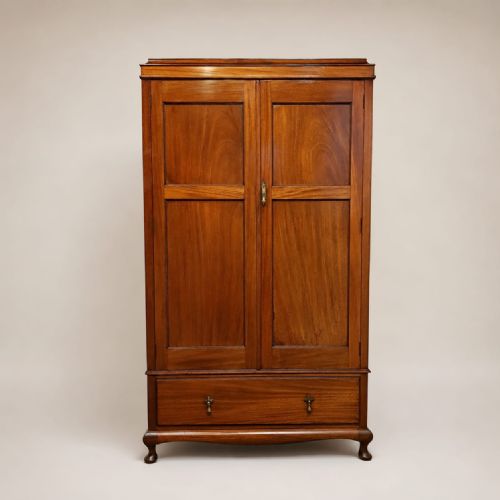
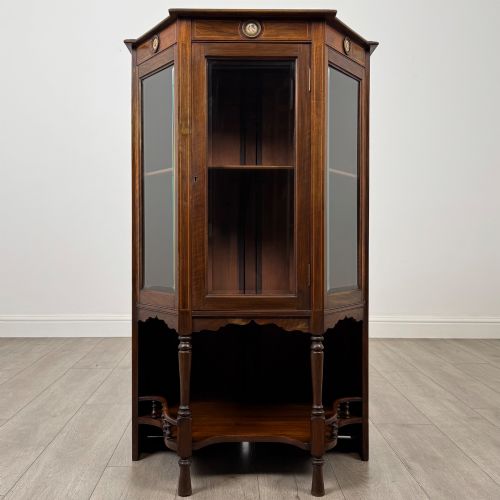
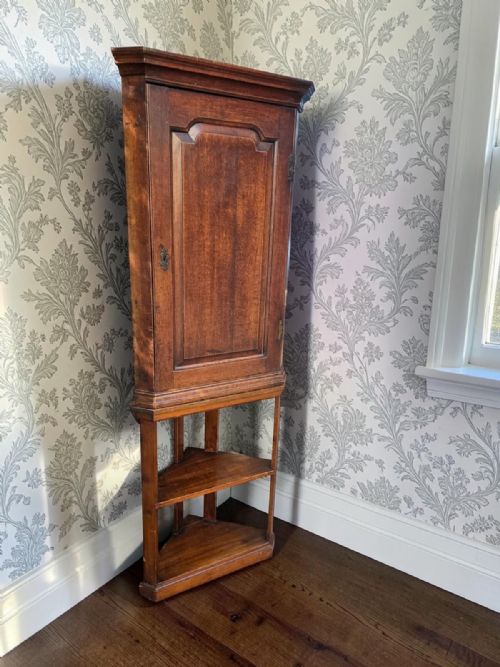
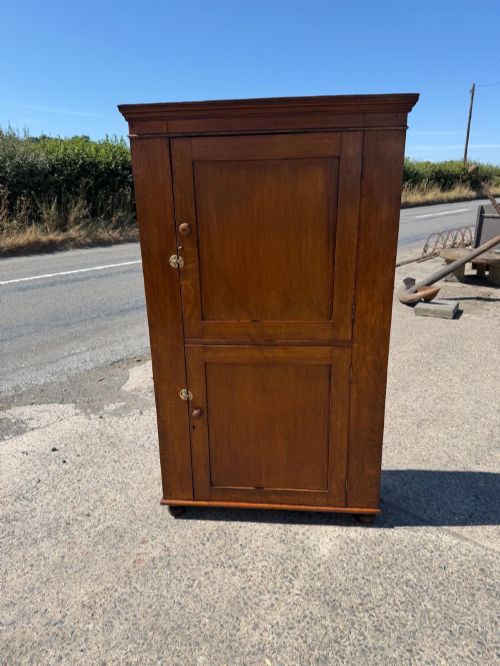
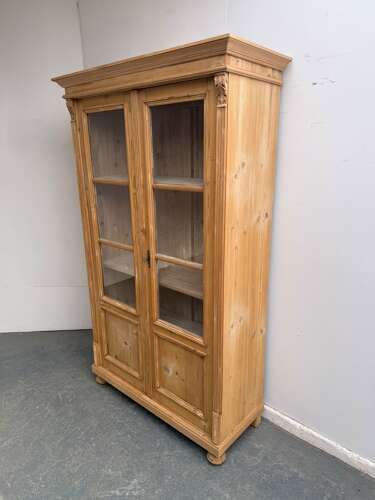
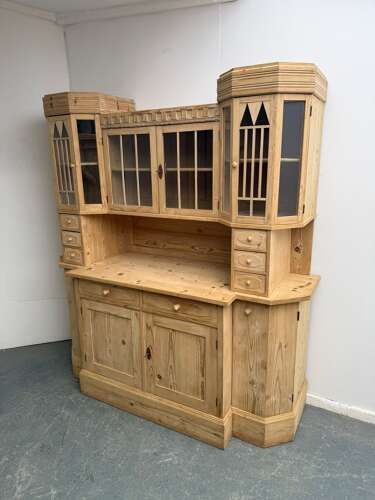
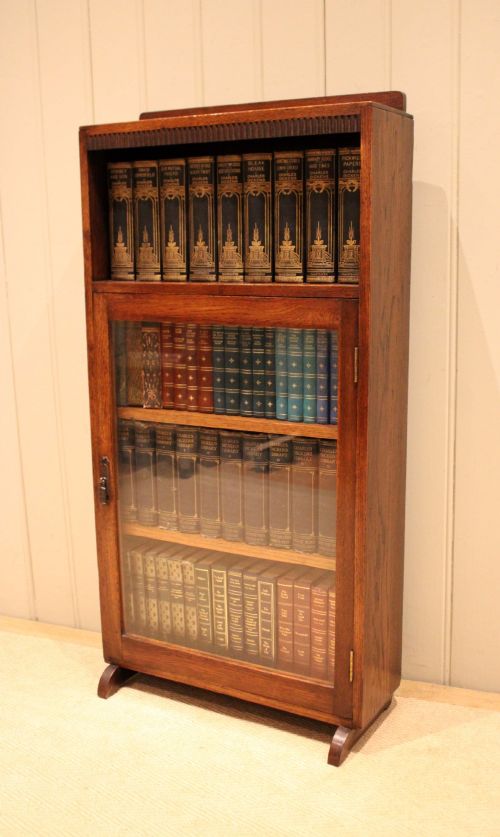
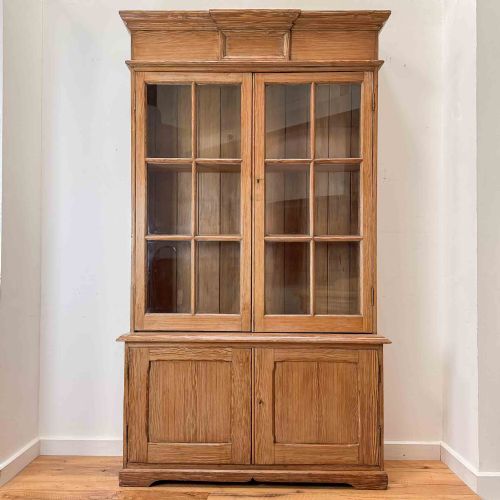
An antique freestanding cupboard offers generous storage through diverse forms such as wardrobes, corner cabinets, larder cupboards, and display cabinets. Buyers searching this phrase encounter numerous regional and period variations, from Georgian oak corner units to Victorian pine storage cupboards.
The materials span traditional hardwoods and softwoods, including pine, oak, mahogany, and walnut, often accented with brass or iron hardware. Many pieces reflect country or provincial origins alongside formal styles like Queen Anne Revival, Arts and Crafts, and Edwardian designs.
These pieces served practical household roles, functioning as housekeepers cupboards, food larders, music cabinets, and kitchen dressers. The selection ranges from compact jam cupboards to massive double wardrobes and modular knockdown constructions.
Materials and construction methods
Makers utilised solid timbers such as pine, oak, mahogany, and walnut, often constructing carcases with panelled doors and sturdy shelves. Hardwoods provided durability for formal reception rooms, whilst pine served well for kitchen larders and scullery cupboards.
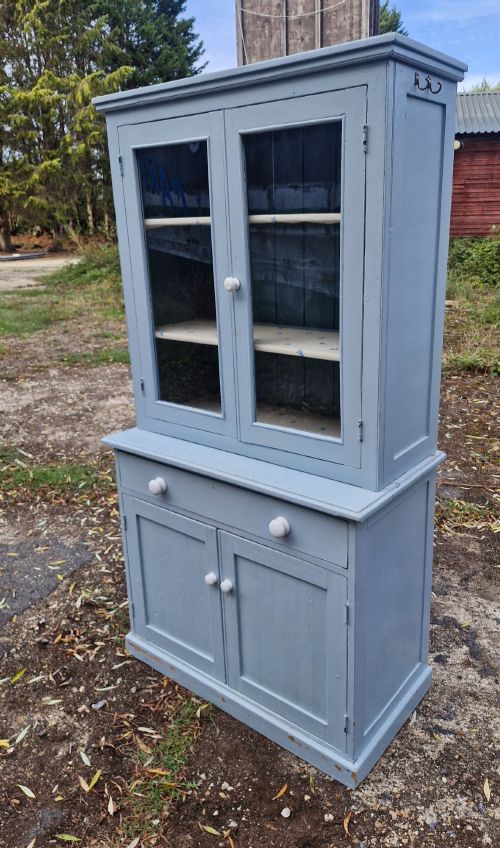
Joinery techniques included pegged mortise and tenon joints, dovetailed drawer construction, and fielded panels that allowed timber to expand and contract naturally. Many utilitarian pine pieces were originally finished in paint before being stripped and waxed in later years.
Hardware such as brass hinges, iron latches, and bun feet anchored the structural integrity of these heavy items. Glazed doors incorporated wooden framing to hold glass panels securely for display bookcases and cabinets.
Several pine cupboards bear the delightful scars of past lives, carrying traces of forgotten paint layers beneath modern wax.
Judging the quality of construction
Quality rests on the selection of timber and the integrity of the joinery, distinguishing utilitarian workshop output from finer cabinet work. Dense grain in oak and mahogany and careful timber matching on principal facades elevate a piece above standard utility items.
Proportion and original hardware dictate refinement, where well-balanced cornices, functioning locks, and authentic brass fittings preserve the character of the period. Alterations to interior shelving or replacement hardware shift the balance between untouched survivor and adapted utility.
Hudson Bros
The Antique Freestanding Cupboard Glossary
- Knockdown
- A piece engineered to dismantle into modular sections for ease of transport and placement in tight spaces. This clever construction allowed large wardrobes and presses to move between rooms.
- Fielded panel
- A wooden panel with bevelled edges set into a frame to reduce weight and prevent splitting. This traditional technique added depth and shadow lines to cupboard doors.
- Larder cupboard
- A tall ventilated storage unit designed to keep provisions cool before the invention of refrigeration. These frequently featured slatted or wire mesh inserts for airflow.
- Corner cabinet
- A triangular form designed specifically to utilise awkward 90-degree room junctions. These space-saving units appear in both floor-standing and wall-hung formats.
- Bun foot
- A rounded, ball-shaped foot often flattened slightly at the bottom, supporting the weight of heavy oak and pine carcases. This turn of timber lifts furniture off damp floors.
Antique Freestanding Cupboard: Frequently Asked Questions
What is a freestanding cupboard?
A freestanding cupboard is a self-contained storage unit designed to rest directly on the floor without requiring built-in wall installation. These versatile pieces include wardrobes, corner cabinets, and larder units.
Buyers appreciate their portability and the flexibility they bring to room layouts, allowing storage to be moved or rearranged as needed.
How do I date an antique cupboard?
Dating relies on observing construction methods, timber choices, and stylistic details characteristic of specific eras like the Georgian or Victorian periods. Hand-cut dovetails, original hardware, and timber patination offer reliable chronological clues.
Comparing the overall proportions and decorative motifs against documented period examples helps confirm the decade of manufacture.
Where were these cupboards used?
These cupboards served utilitarian and display functions across various domestic spaces, from kitchens and larders to formal reception rooms and bedrooms. Tall corner cabinets filled neglected angles, whilst housekeepers cupboards organised linens and dry goods.
Their placement depended entirely on the household duties they performed, adapting easily from working quarters to living areas.
How do I care for antique pine furniture?
Maintaining antique pine involves keeping the timber away from direct heat sources and sudden humidity changes that cause wood to warp or split. Regular dusting and occasional application of appropriate wax maintain the sheen and nourish the grain.
Avoiding harsh chemical cleaners ensures the historical finish and natural patination remain undisturbed for years to come.