


Regency Serving Dishes
Regency serving dishes bring the formal elegance of the early nineteenth century to the dining table through grand platters, covered tureens, and intricate porcelain or ironstone.
Regency Serving Dishes
When you search for regency serving dishes, you encounter an array of substantial platters, entrée dishes, and tureens designed for hosting elaborate dinners. The pieces span the nineteenth century, Georgian, and Regency periods, originating from prominent English potteries and silversmiths.
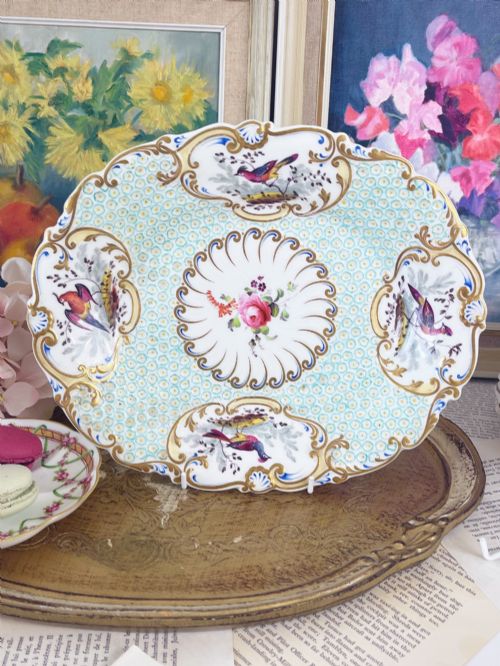
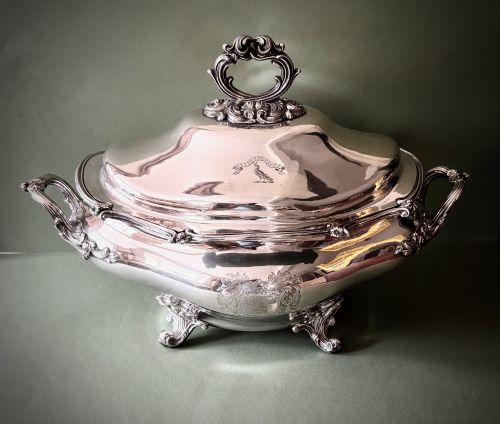
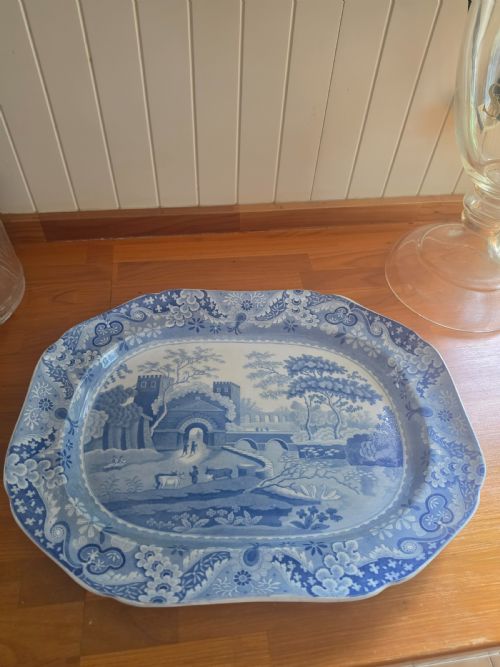
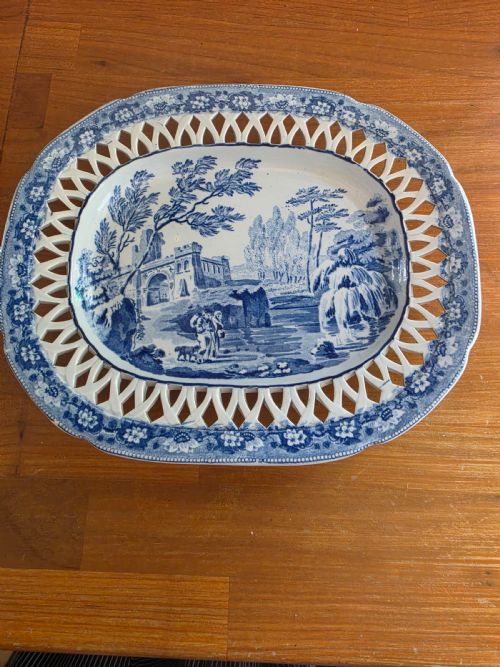
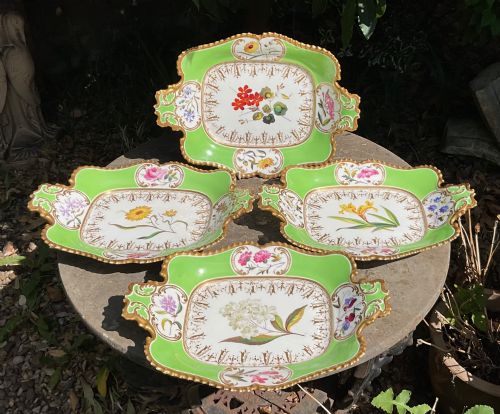
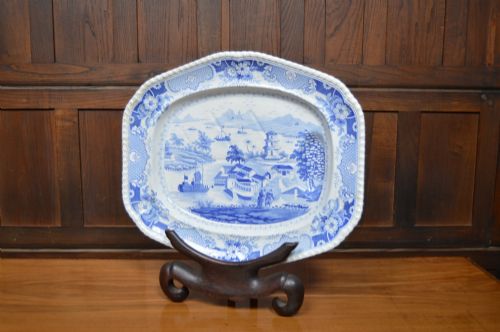
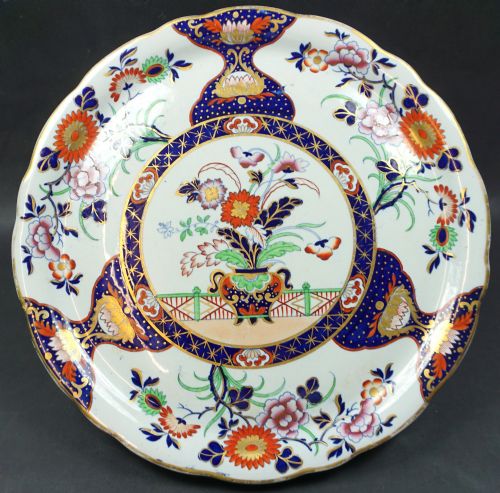
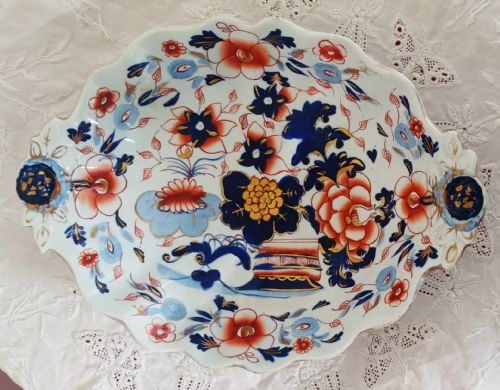
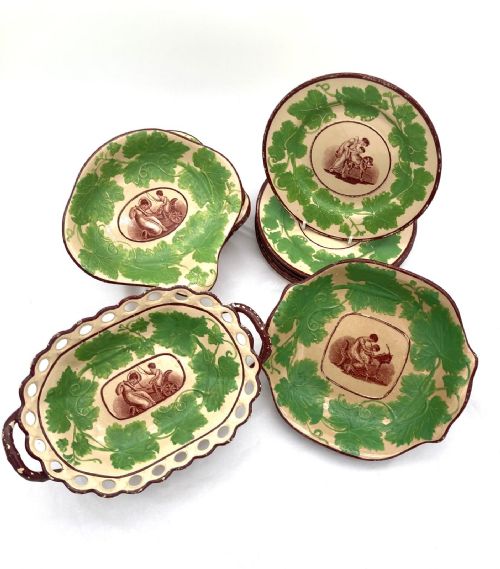
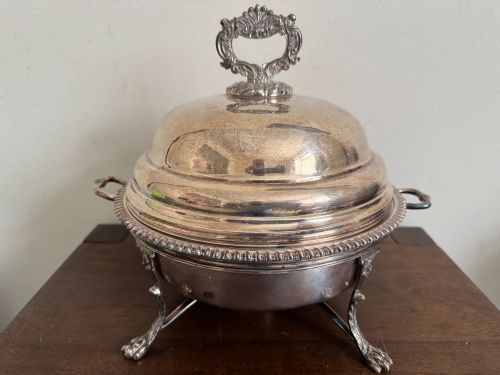
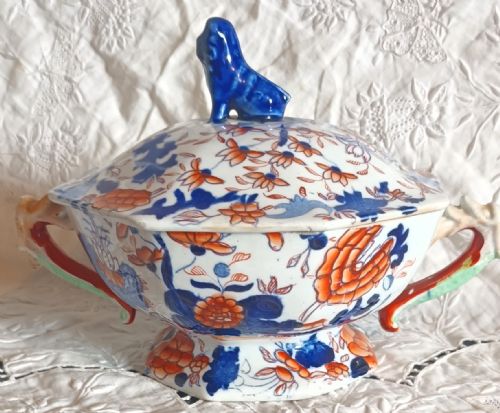
You are most likely to meet transferware meat platters, ironstone tureens decorated in Chinoiserie patterns, and porcelain dessert dishes from makers such as Spode and Mason's. These items range from large blue and white earthenware platters to Old Sheffield Plate warming dishes and sauce tureens.
The assortment includes specialised forms like cheese dishes, game covers, and complete supper sets, reflecting the diverse dining customs of the era. Many pieces display distinct regional or global influences, including Indian Colonial silver and Regency Imari motifs.
Materials and Techniques
Potters of the period utilised durable ironstone and refined porcelain alongside earthenware, often applying rich blue and white transfer prints or handpainted enamel details. Gold leaf accents frequently highlight the borders of porcelain dessert services and komports.
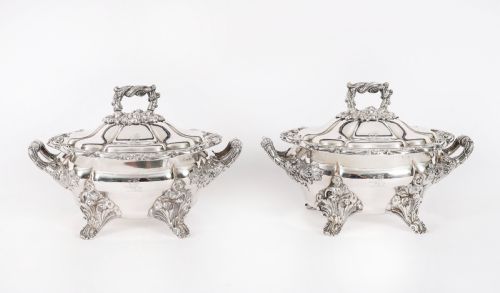
Metal items rely on Old Sheffield Plate, fusing a layer of silver onto a copper base, which provides the lustre of solid silver with durability. Silversmiths also employed sterling silver for elaborate supper dishes and lampstands, shaping them with classical moulded contours.
Several platters record historic sea battles and naval triumphs right alongside pastoral views of bridges and castles.
Judging Quality
The standard of a piece rests on the crispness of the transfer print or the precision of the handpainted enamels and gilding. Finer porcelain and ironstone exhibit thinner, more refined walls and well-executed relief moulding rather than heavy, coarse potting.
In Old Sheffield Plate items, quality shows in the subtlety of the applied silver borders and the minimal telegraphing of the underlying copper core through wear. Intricacy of form, such as twin handles or heraldic crests, distinguishes standard tableware from superior commission pieces.
H & R Daniel·Spode·Davenport·Chamberlains Worcester·Hicks & Meigh·Creswick·Coalport·Flight Barr & Barr·Ridgway·Mason's·Minton·Copeland & Garrett
The Regency Serving Dishes Glossary
- Transferware
- Earthenware or ironstone decorated by applying a printed design from a copper plate onto the ceramic surface before glazing. This technique allowed for intricate pictorial scenes like the India Temple or Bridge of Lucano patterns.
- Old Sheffield Plate
- A composite material made by fusing a sheet of silver to a copper ingot, developed in the eighteenth century. It forms the basis of many durable tureens, knife trays, and warmers from the period.
- Ironstone
- A heavy, dense ceramic patented to withstand robust daily use while accepting colourful enamel and Chinoiserie decorations. It bridges the gap between refined porcelain and everyday earthenware.
- Entree dish
- A covered serving vessel intended for holding individual courses or side dishes during formal multicourse dinners. They frequently feature removable handles and matching warmers.
- Comport
- A raised dish or bowl placed centrally on the dining table for serving fruit or dessert. These pieces often rest on a pedestal or low foot.
Regency Serving Dishes: Frequently Asked Questions
What were regency serving dishes used for?
These vessels held meats, vegetables, sauces, and desserts during large formal dinners and country house feasts. Covered tureens kept gravies and soups warm at the table, while massive platters presented joints of meat.
Specialised items like game covers and cheese dishes served specific courses as dining rituals expanded in complexity throughout the period. Warming dishes used hot water or lamps to maintain food temperature during lengthy meals.
How do I care for antique ironstone and porcelain?
Wash these pieces strictly by hand using warm water and a mild detergent, avoiding modern dishwashers that can craze the glaze or strip fragile gold leaf. Soft cloths and gentle drying prevent accidental chipping on fragile handles and rims.
Store heavy platters flat or securely supported in plate racks to avoid undue pressure on edges. Keep silver plated items polished with non-abrasive cleaners to maintain their historical sheen without wearing away the thin silver layer.
How can I tell a Regency piece from a Victorian one?
Regency items generally display neoclassical restraint, botanical accuracy, or Chinoiserie motifs influenced by Eastern trade. Ceramic bodies during this time often feel lighter, with sharper handpainted details and specific early blue and white transfer tones.
Victorian pieces frequently transition towards heavier moulding, denser ironstone bodies, and more eclectic revival styles. Maker marks and registration numbers stamped on the underside of ceramics also help confirm the exact decade of manufacture.