





Hand Painted Floral Dishes
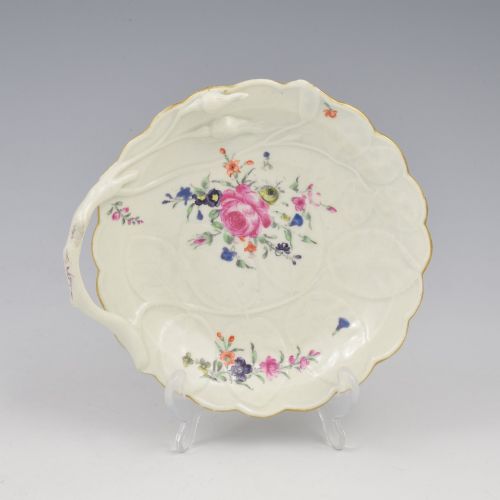
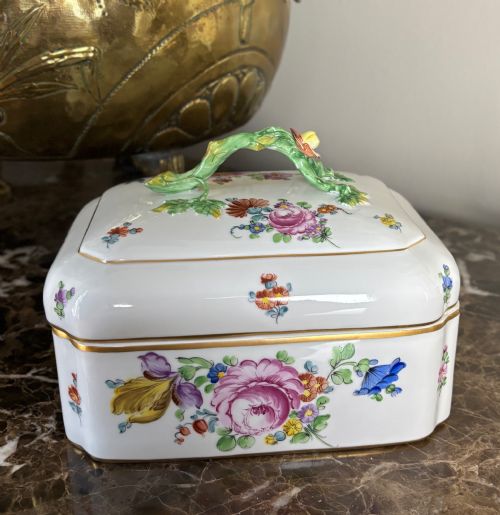
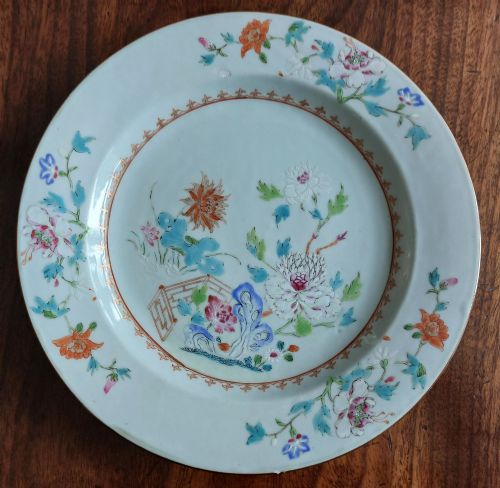
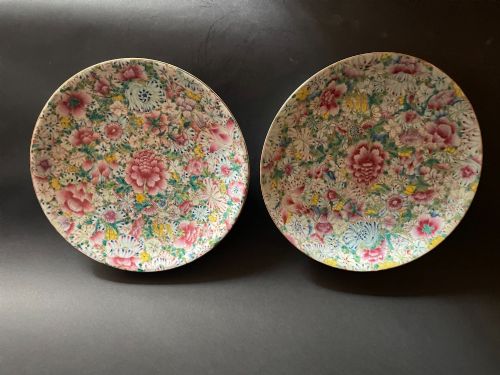
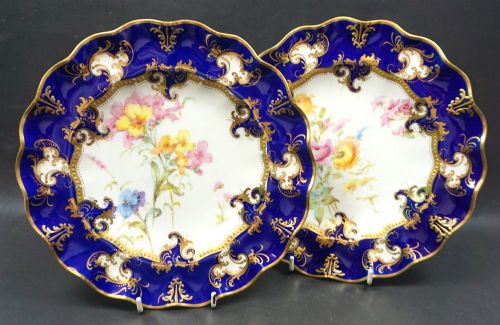
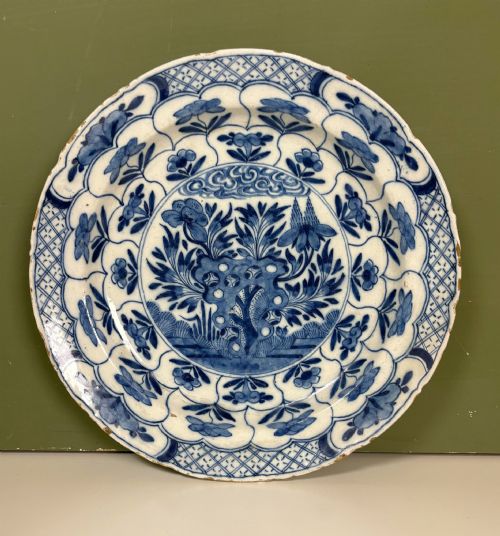
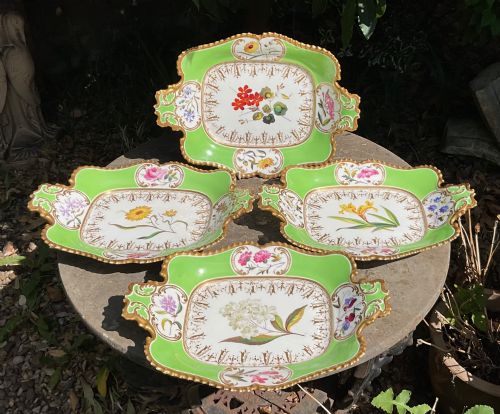
These hand painted floral dishes bring together centuries of delicate brushwork, rich glazes and decorative forms from English, European and Asian kilns.
Hand Painted Floral Dishes
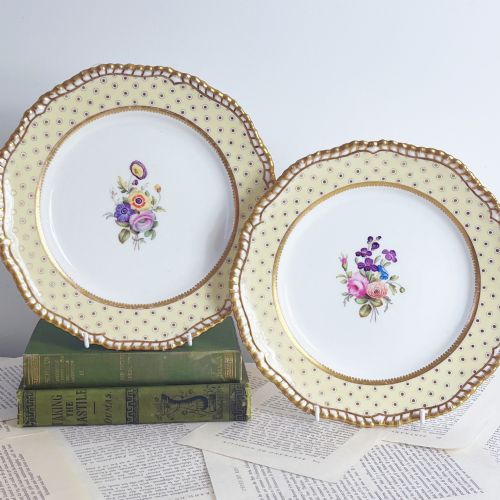
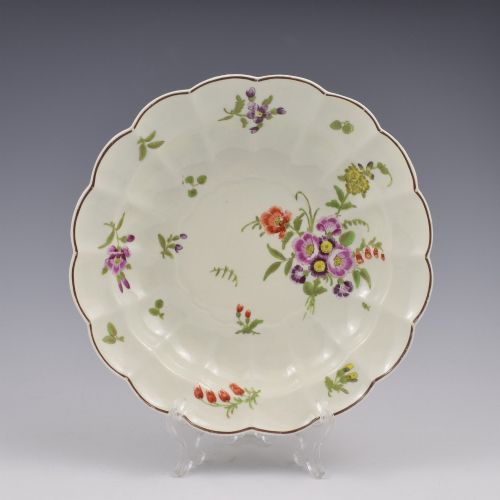
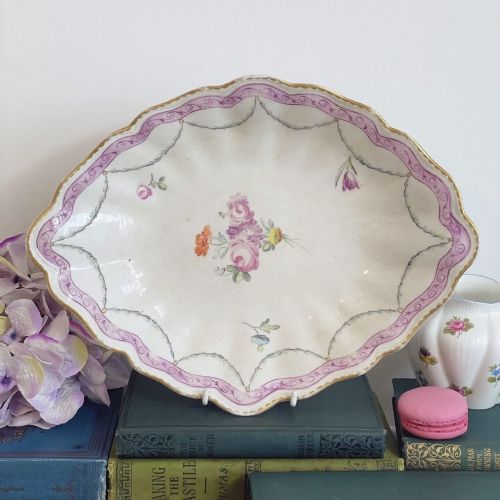
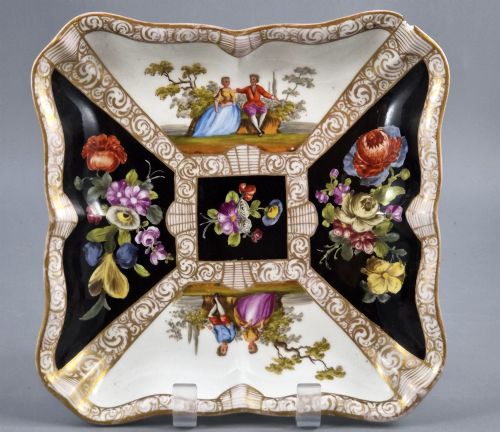
When searching for hand painted floral dishes, collectors encounter a wide variety of ceramic and porcelain tableware, ranging from eighteenth-century English serving pieces to nineteenth-century continental cabinet plates.
The selections on this page lean heavily toward nineteenth-century production alongside eighteenth-century porcelain and earthenware, featuring forms such as dessert plates, scalloped bowls, serving dishes and large decorative chargers.
Originating from major European factories and international export kilns, these items reflect diverse regional tastes in botanical and floral ornamentation across the Georgian, Regency and Victorian periods.
How they were made
The physical substance of these items relies predominantly on porcelain, earthenware, ceramic and soft-paste compositions, which were shaped into plates, bowls and dishes before receiving their primary glaze.
Decoration was applied by hand using polychrome pigments, often enhanced with gold leaf, gilt highlights or intricate enamel work that required careful firing to bond the colours to the ceramic body.
Listings span several eras, incorporating eighteenth-century porcelain, nineteenth-century earthenware and Japanese Imari styles executed in ceramic, glaze and gold leaf.
What varies in quality
The standard of a piece is defined by the precision and fineness of the hand-painted brushwork, particularly in the rendering of botanical details and complex motifs.
Additionally, the crispness of the porcelain body, the evenness of the glaze and the skillful application of gold leaf or gilding distinguish standard utility items from superior cabinet pieces.
Spode Felspar·H & R Daniel·Royal Crown Derby·Chamberlains Worcester·Hicks & Meigh·John Davenport·Coalport
The Hand Painted Floral Dishes Glossary
- Soft-paste porcelain
- A type of ceramic body composed of clay and glass frit, fired at lower temperatures than hard-paste porcelain. This composition creates a warm, creamy texture beneath the glaze.
- Cabinet plate
- A decorative ceramic plate intended for display in a cabinet or on a wall rather than for everyday dining. These pieces usually feature elaborate painted scenes or floral studies.
- Charger
- A large decorative plate or dish used primarily as a base for other courses or displayed upright on a sideboard. They offer an expansive surface for detailed painted decoration.
- Polychrome
- Multicoloured decoration applied to ceramics using a palette of various enamel pigments. This technique allows for vibrant floral and figurative scenes.
- Gilding
- The application of gold leaf or gold paint to ceramic surfaces to accent rims, handles and decorative borders. It adds a reflective quality to the finished piece.
Hand Painted Floral Dishes: Frequently Asked Questions
Can I use these dishes for serving food?
While many of these items started as functional tableware, nineteenth-century and earlier decorative pieces are best reserved for display or light dry use. Older glazes and enamels can wear down or react poorly to acidic foods.
Cabinet plates and delicate porcelain dishes should be treated as works of art rather than everyday dining equipment.
How do I identify eighteenth-century porcelain?
Eighteenth-century pieces often feature specific paste characteristics, such as the translucent body and distinctive glaze pooling found in early English and continental porcelain. Examining the foot ring and underglaze factory marks provides further clues.
Comparing the weight, potting style and hand-painted palette against documented examples helps confirm the period of manufacture.
What is the difference between porcelain and earthenware?
Porcelain is fired at much higher temperatures, resulting in a dense, vitreous and often translucent material that resists liquid absorption. Earthenware is more porous and opaque, requiring an applied glaze to become completely waterproof.
Discerning between the two involves checking translucency under a strong light and observing the texture of any unglazed areas at the base.