


Antique Porcelain Serving Bowl
An antique porcelain serving bowl brings the weight of centuries onto the dining table, offering form and handpainted detail that modern ceramics cannot match.
Antique Porcelain Serving Bowl
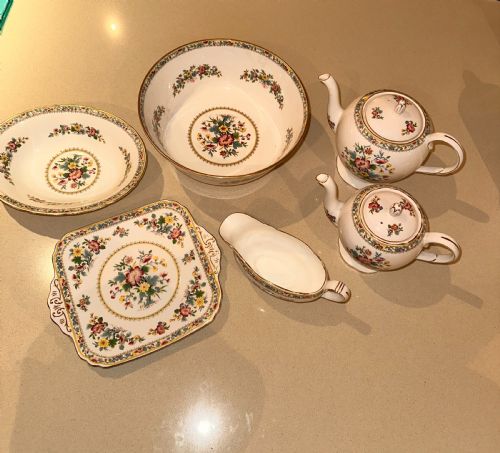
An antique porcelain serving bowl encompasses everything from deep punch bowls and wide dessert dishes to covered tureens intended for the formal table. Buyers seeking this phrase encounter pieces spanning the eighteenth to the early twentieth century, originating from English potteries, continental factories and Asian export kilns.
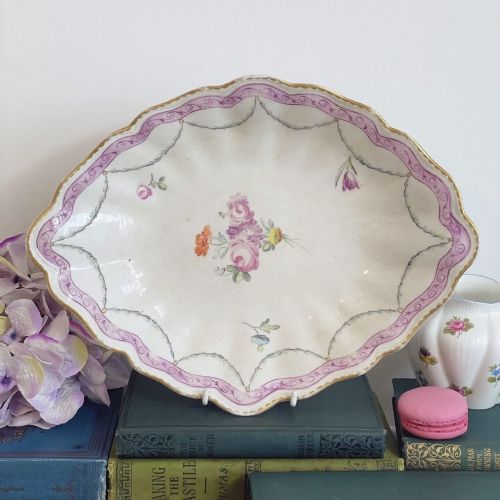
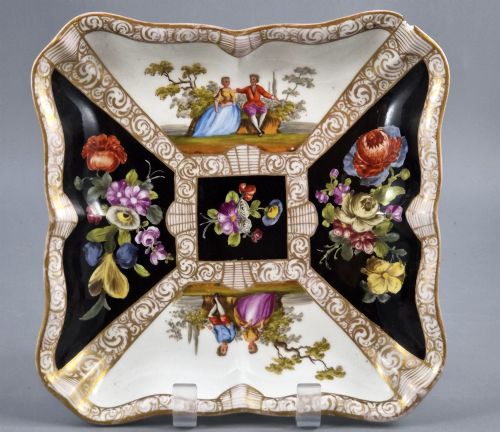
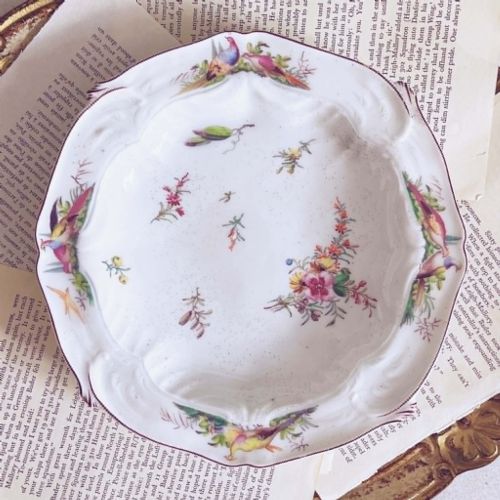
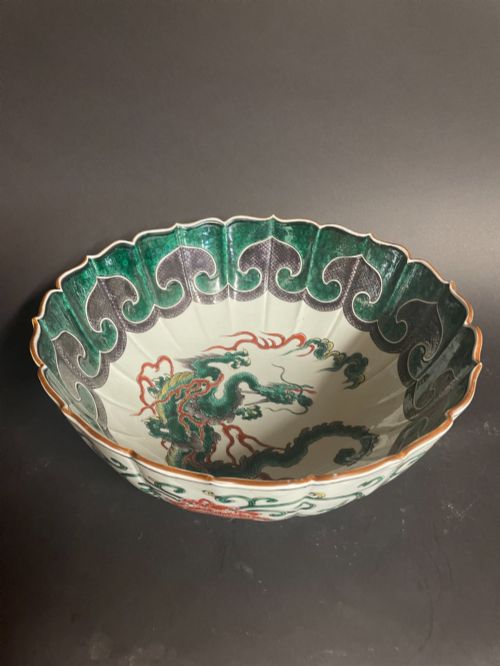
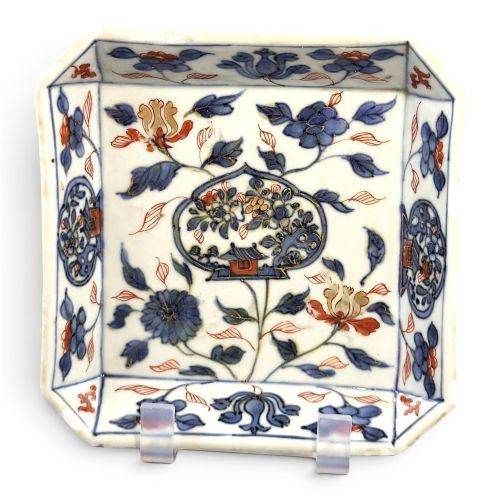
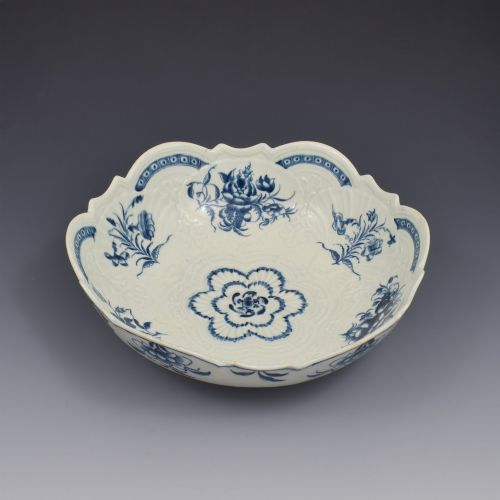
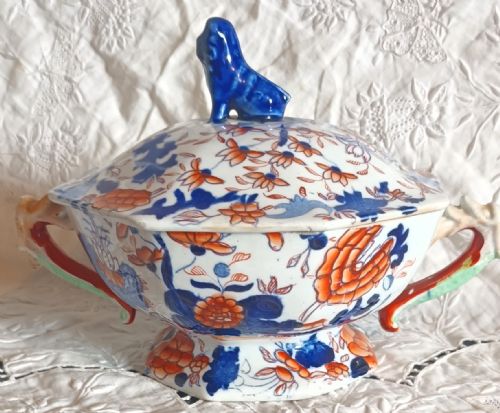
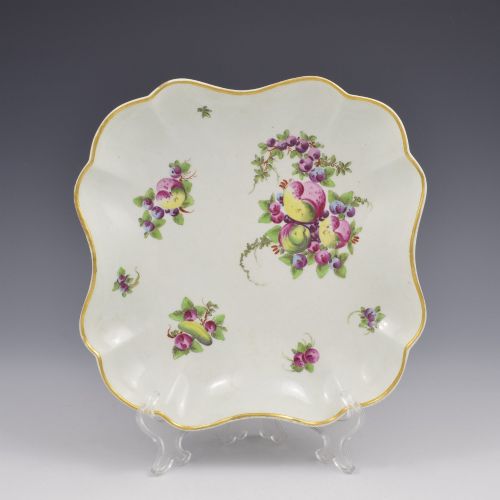
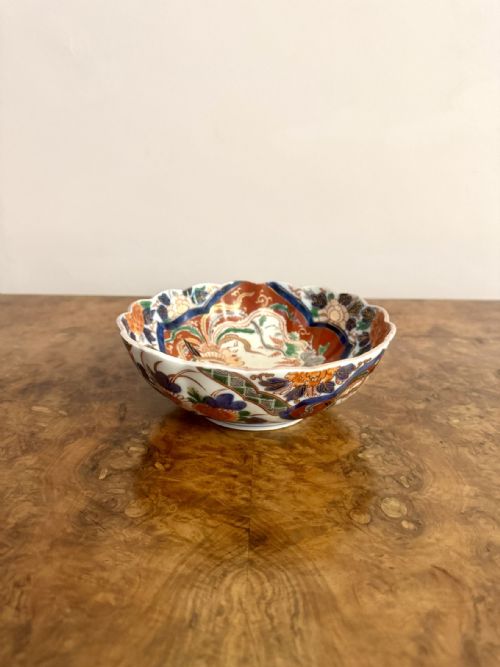
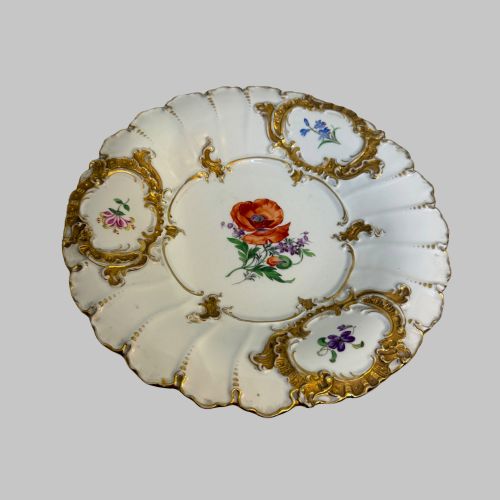
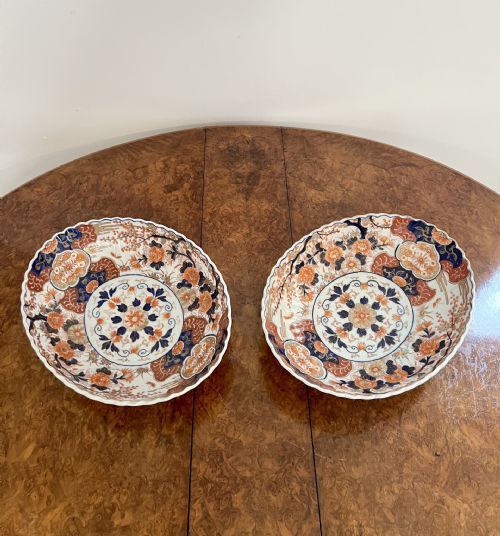
The most common examples on this page reflect traditional English manufacture alongside Japanese Imari wares and Chinese export pieces. Forms range from simple chamfered squares to scallop-edged bowls and lobed junket dishes designed for presentation.
Periods represented stretch from the Georgian era through the Victorian decades and into the Meiji period. Each item served a practical function in its day, whether holding fruit, vegetables, soup or punch during communal dining.
How they were made
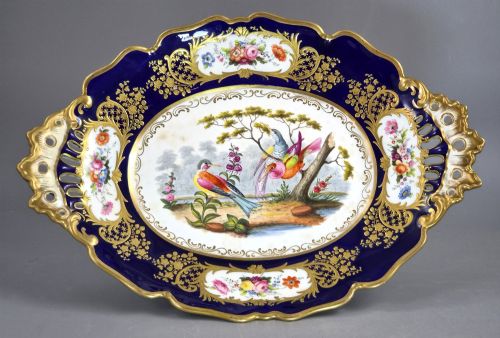
Potters shaped hard-paste and soft-paste porcelain, sometimes utilising ironstone for added durability in large tureens and heavy dishes. Artisans applied cobalt blue underglaze, polychrome enamel pigments and gold leaf by hand before firing the ceramics in kilns.
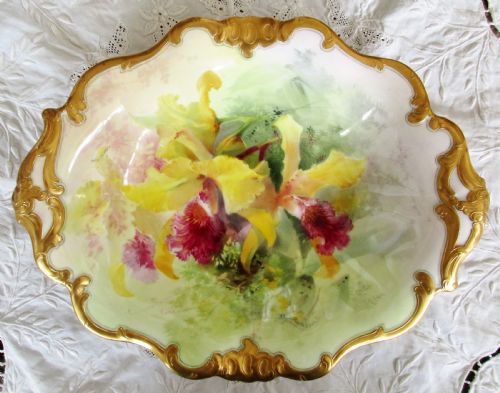
Many works combine thrown or moulded bodies with intricate handpainted scenes, botanical motifs or transfer-printed patterns. Gilding and enamel highlights received secondary firings to bond the decorative layers to the glaze surface.
Listings feature porcelain serving bowls from eighteenth-century English factories, nineteenth-century Japanese Meiji periods, and early twentieth-century continental European kilns.
What varies in quality
The distinction between ordinary production and superior work lies in the execution of the painting and the crispness of the porcelain moulding. Finely rendered polychrome birds, detailed botanical studies and carefully controlled cobalt blue demonstrate the hand of a skilled ceramicist.
Weight, glaze consistency and the preservation of delicate enamel and gilding separate utilitarian kitchenware from cabinet pieces meant for display. The sophistication of the kiln firing determines whether whites remain clear and colours retain their depth.
Coalport·Meissen·Chelsea·Royal Doulton·Mason's·Spode·Paul Müller Selb·Doulton Burslem·Flight Barr and Barr
The Antique Porcelain Serving Bowl Glossary
- Soft-paste porcelain
- An artificial ceramic compound fired at lower temperatures than hard-paste porcelain, often found in eighteenth-century English factories like Chelsea and early Worcester. It possesses a warm, slightly creamy body and a distinctive glaze texture.
- Imari
- A style of Japanese export porcelain characterised by a palette of underglaze cobalt blue, iron red, and supplementary gilding. The patterns typically feature floral and brocade designs.
- Tureen
- A deep covered serving vessel designed for holding soup, sauce or vegetables at the table. These pieces often include matching stands or covers with moulded handles.
- Junket dish
- A shallow specialised bowl historically used for serving curds, cream or desserts. Eighteenth-century examples frequently feature lobed rims and blue-and-white floral painting.
- Ironstone
- A heavy, durable type of ceramic patented in the nineteenth century by manufacturers such as Mason's. It bridges the gap between earthenware and porcelain, offering high resistance to chipping.
Antique Porcelain Serving Bowl: Frequently Asked Questions
How do I date an old porcelain bowl?
Dating relies on identifying factory marks, paste types, and stylistic indicators such as handpainted motifs or glaze characteristics. Comparing these elements with documented production periods helps narrow down the decade of manufacture.
Makers often changed their stamps or employed specific painters whose tenure is recorded in ceramic history. When marks are absent, the form and decorative palette provide primary clues to the era.
Can I use an antique bowl for serving food?
Many of these vessels were designed for culinary use, but age and historic repairs require careful consideration before placing food inside them. Glazes from certain centuries can react to acidic contents or modern cleaning methods.
Handwashing is essential to protect delicate enamels, gold leaf, and soft-paste bodies from thermal shock and abrasive detergents. Displaying dry items or using liners preserves the integrity of fragile pieces.
What is the difference between Chinese export and Imari?
Chinese export porcelain was manufactured in China specifically for Western markets, often featuring European coats of arms or blue-and-white floral motifs. Imari wares originated in Japan and are instantly recognizable by their distinct red, blue, and gold colour scheme.
Both traditions influenced European factories, but their baseline clay, weight, and painting styles remain distinct. Examining the foot ring and paste helps distinguish the true origin of each bowl.
Why are some bowls called ironstone?
Ironstone is a dense, robust ceramic developed to withstand heavy daily use while mimicking the appearance of true porcelain. It allowed potteries to produce large tureens and serving dishes that resisted cracking under rigorous kitchen conditions.
Pieces made from this material tend to feel heavier and display an opaque, highly durable body. Makers decorated them with rich Chinoiserie patterns and vibrant transfer prints.