


Georgian Botanical China
Georgian botanical china brings handpainted flora onto porcelain, offering collectors delicate plates and service pieces from the eighteenth and nineteenth centuries.
Georgian Botanical China
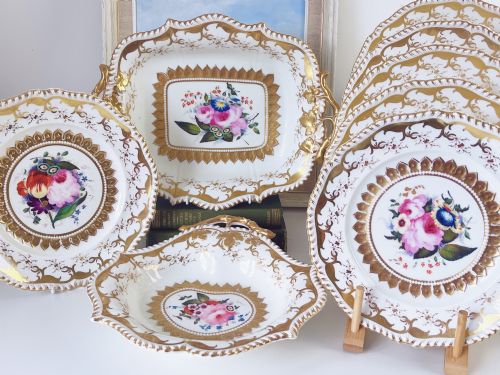
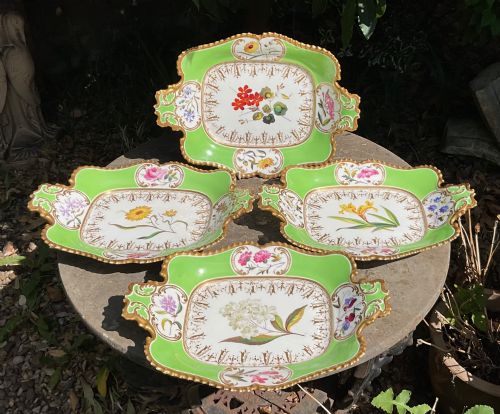
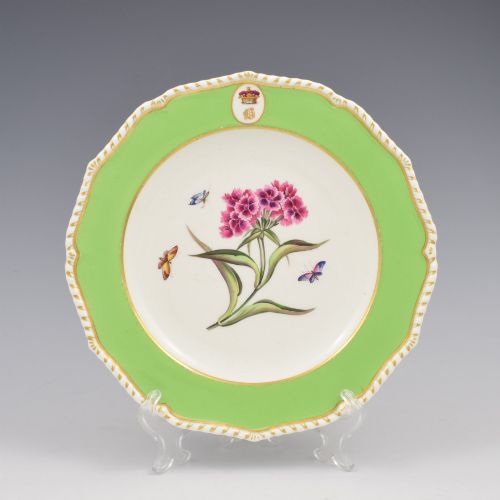
Georgian botanical china encompasses cabinet plates, dessert services, and decorative dishes painted with natural subjects. These ceramics bridge the gap between utility and display, designed for both formal dining and visual appreciation.
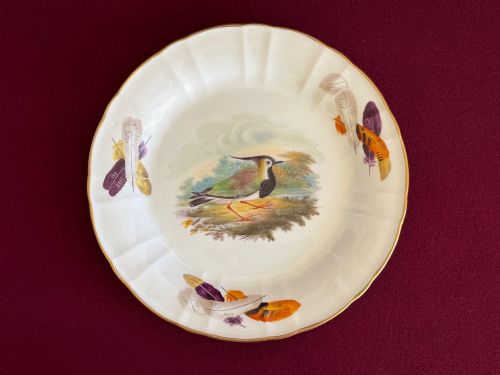
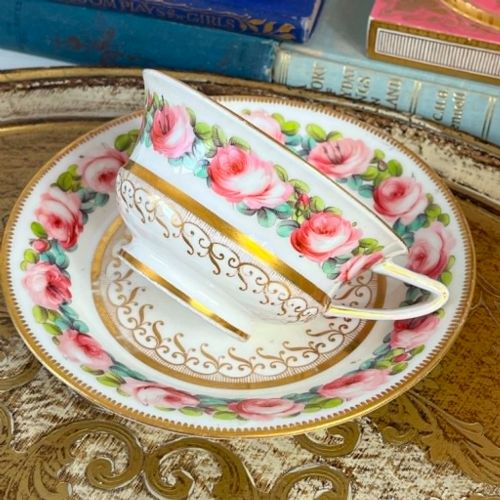
The pieces on this page span the Georgian, Regency, and early Victorian periods, capturing a time of immense skill in English ceramic workshops. Collectors frequently encounter cabinet plates, teacups and saucers, and serving dishes featuring floral and avian subjects.
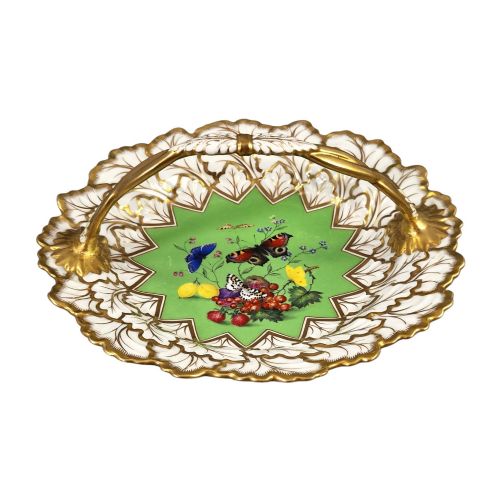
Forms range from individual cabinet plates to multi-piece dessert services and decorative baskets. Makers from Worcester, Derby, and Staffordshire dominate the selection, each bringing distinct regional traditions to botanical painting.
Materials and manufacture
Potters utilised soft-paste porcelain, bone china, and felspar porcelain as the foundation for these intricate designs. Each body type offered different advantages for throwing, moulding, and firing complex shapes like lettuce-form sauce boats or pierced baskets.
Decoration relied on handpainted enamel pigments combined with gold leaf and gilding to highlight borders and motifs. Artisans painted botanical subjects by hand before applying high-temperature glazes that fused colour permanently into the ceramic body.
Listings feature porcelain, bone china, and soft-paste porcelain across eighteenth and nineteenth-century periods.
Assessing quality
Quality rests heavily on the precision and artistry of the handpainting, distinguishing factory work from master artistry. Botanical accuracy and brushwork finesse separate standard production items from elite cabinet pieces.
The application of gilding and the preservation of the porcelain body over centuries dictate the overall desirability. Superior examples maintain crisp armorial details and vibrant enamel colours without excessive wear.
Grainger Lee & Co·Wedgwood·Davenport·Flight Barr & Barr·Chamberlains Worcester·Bloor Derby·Chelsea Derby·Spode·Coalport·Barr Flight & Barr·Ridgway·New Hall·Crown Derby
The Georgian Botanical China Glossary
- Bone china
- A type of soft-paste porcelain containing bone ash, developed in England to improve durability and whiteness. It allowed potters to create thinner walls while maintaining structural strength.
- Cabinet plate
- A decorative ceramic plate intended for display in a cabinet rather than for everyday dining use. These pieces often feature elaborate handpainted scenes and rich gilding.
- Enamel
- Opaque vitreous colours applied over the glaze and fired at a lower temperature. This technique permitted a wider palette of bright botanical shades.
- Armorial
- Bearing a coat of arms or heraldic crest, frequently commissioned by aristocratic families for their porcelain services. Such pieces hold particular historical interest for collectors.
Georgian Botanical China: Frequently Asked Questions
How do I date Georgian botanical china?
Dating relies on factory marks, paste composition, and stylistic shifts between the Georgian and Regency eras. Early pieces often feature unmarked soft-paste bodies, while later nineteenth-century wares display impressed or printed factory ciphers.
Examining the border styles and botanical accuracy also helps narrow the decade of production. Stylistic transitions from rococo forms to neoclassical Regency designs provide reliable chronological markers.
Were these pieces used for dining?
Many items, such as dessert services and serving plates, saw active use during formal nineteenth-century dining rituals. Dessert courses featured sweet dishes presented on elaborately painted porcelain.
Other items like cabinet plates were strictly decorative from creation. Their delicate enamel and gold leaf meant they spent more time displayed in drawing rooms than on dining tables.
What is felspar porcelain?
Felspar porcelain is an innovative ceramic body introduced by Spode during the early nineteenth century. It incorporated large amounts of feldspar to improve whiteness and thermal shock resistance.
This material allowed makers to produce robust yet refined serving dishes and plates. It stands out in collections for its dense structure and bright glaze surface.