

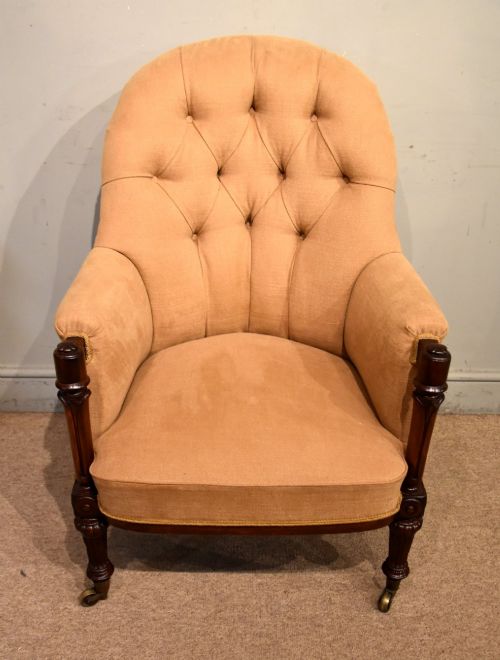


Regency Reading Chair
A regency reading chair offers a sturdy mahogany or rosewood frame designed for hours of comfortable study or sitting.
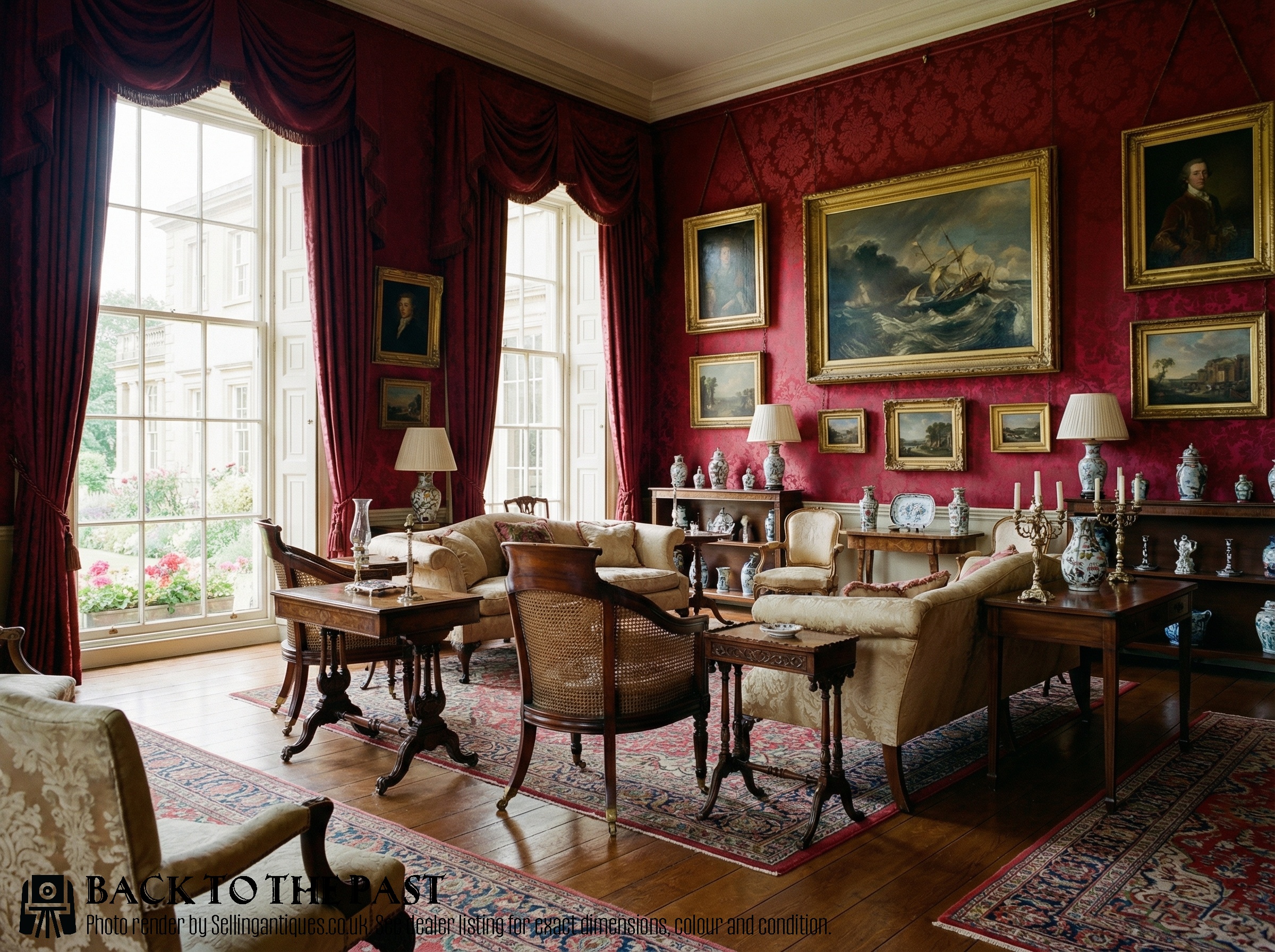
Regency Reading Chair
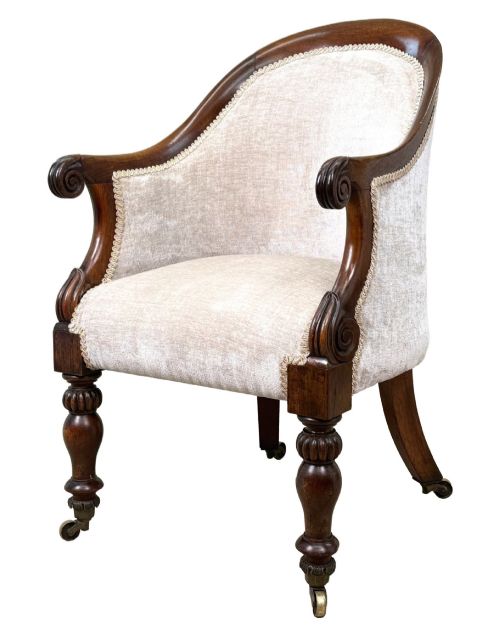
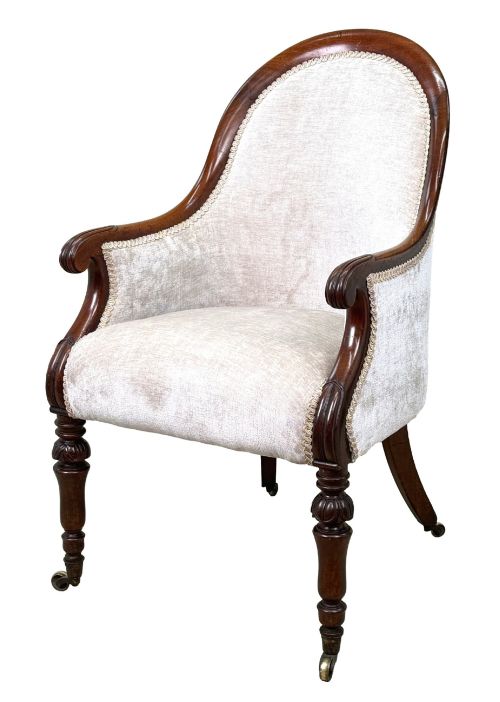
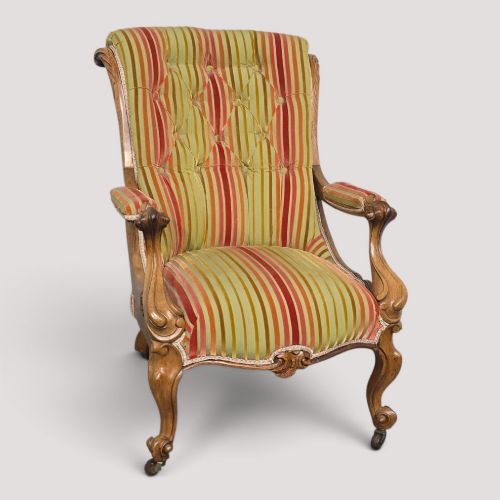
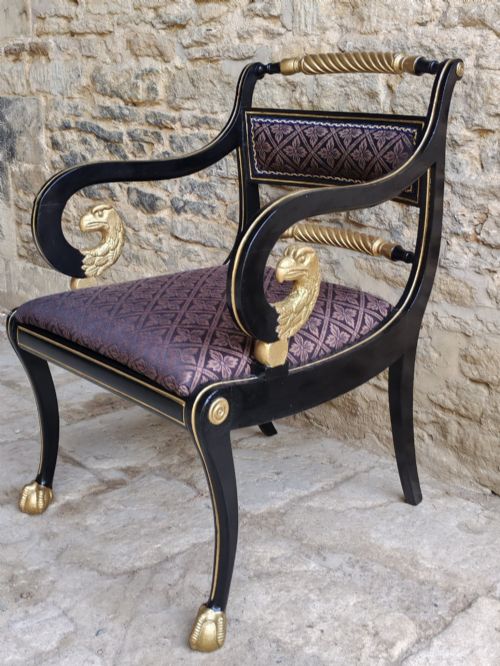
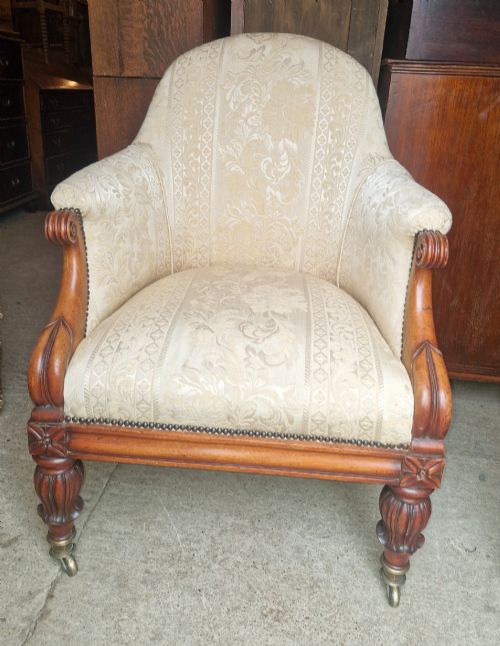
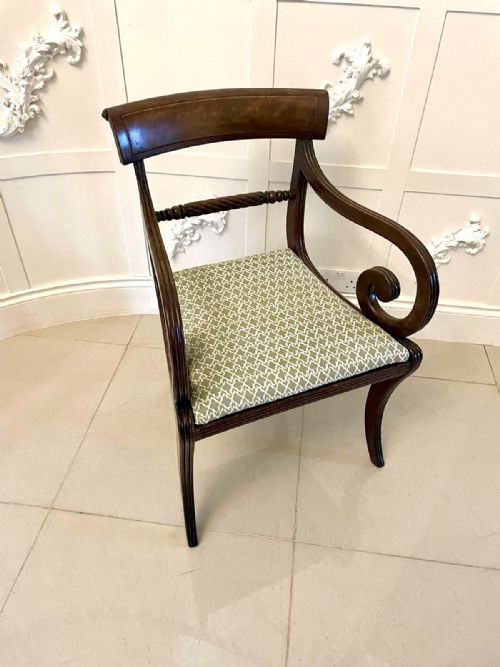
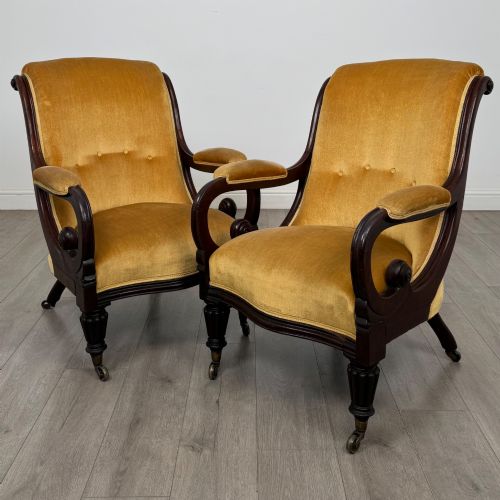
A regency reading chair is a specialised form of seating developed to provide support during extended periods of study, writing, or reading. The pieces found on this page span the Regency, Georgian, and William IV periods, alongside later Victorian and 19th-century interpretations.
Makers of the era designed these chairs with specific practical functions in mind, resulting in forms that include tub shapes, open arms, and occasionally specialised reclining mechanisms. The variety on offer reflects both domestic comfort and formal library use during the early 19th century.
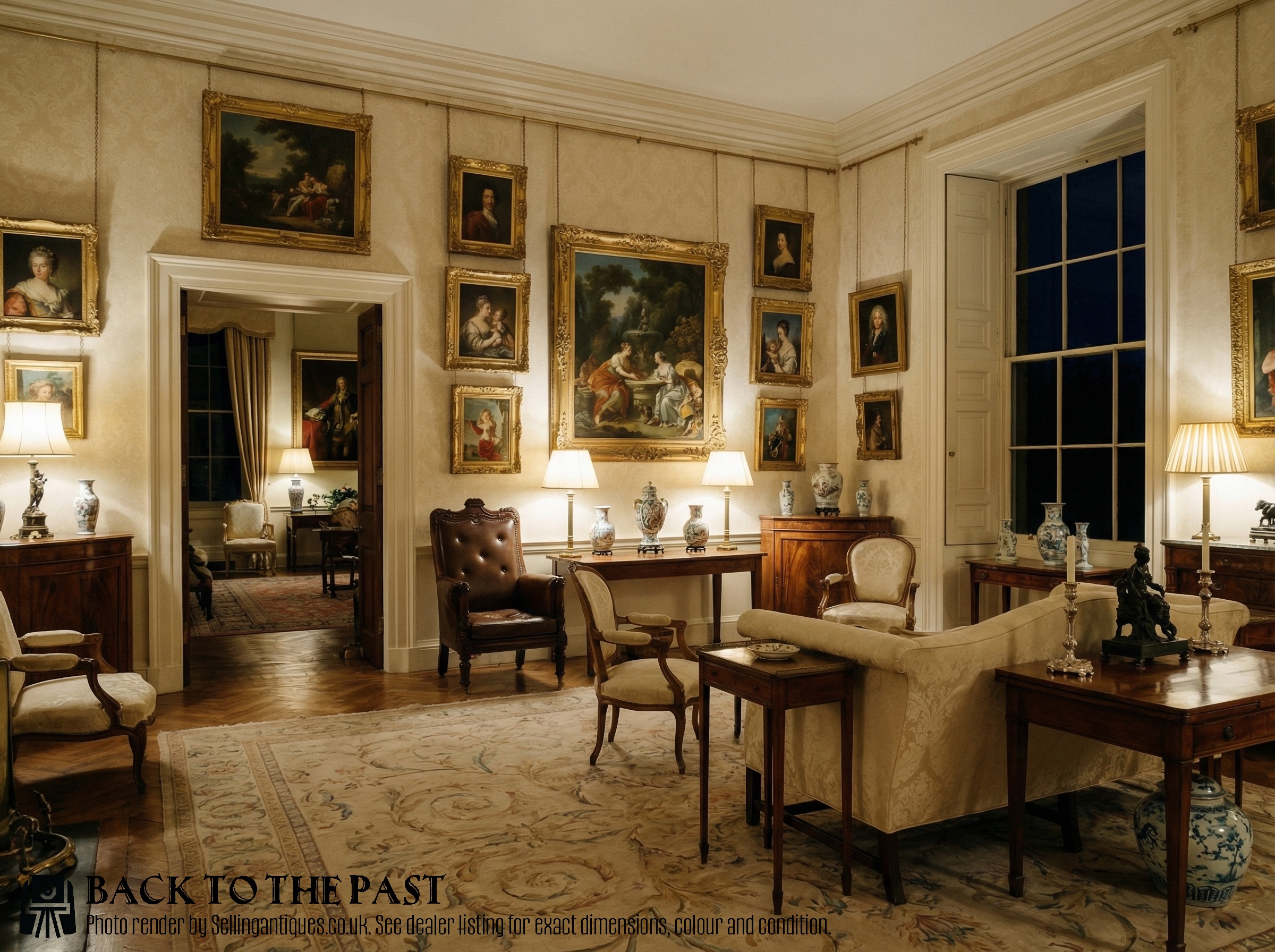
How they were made
Cabinet makers of the period relied heavily on solid mahogany and rosewood to construct the structural frames, often finishing them with carved details or reeded supports. These dense hardwoods provided the necessary strength to support the heavy loads and frequent adjustments of a working chair.
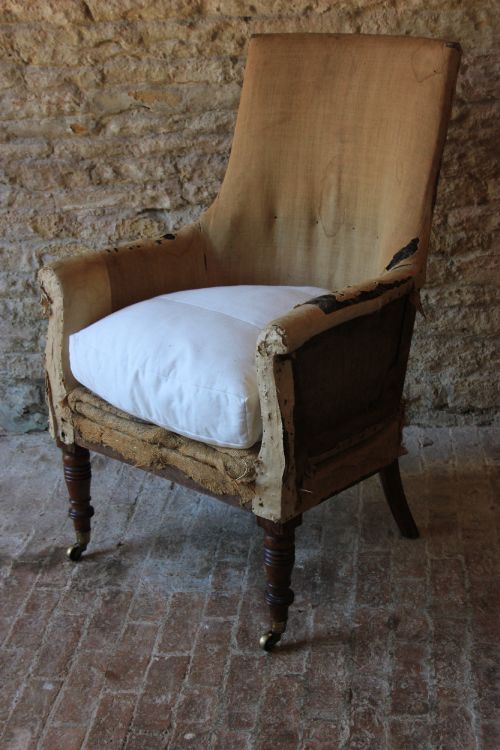
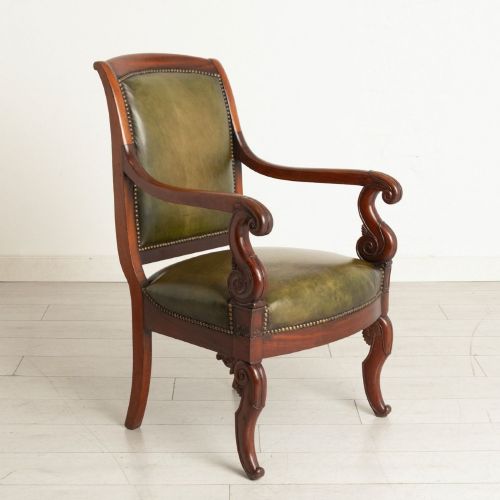
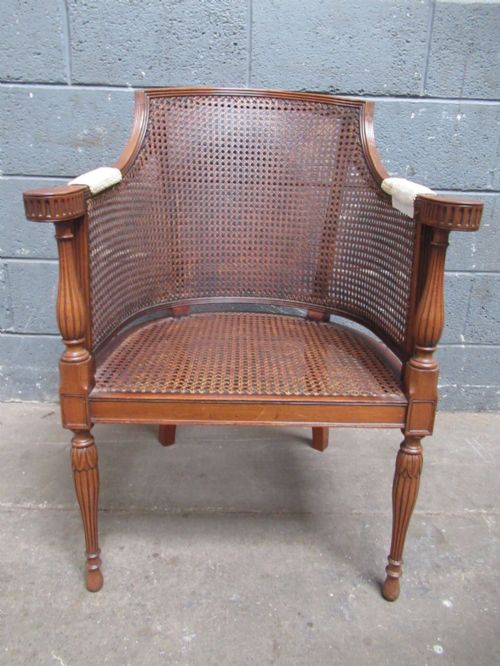
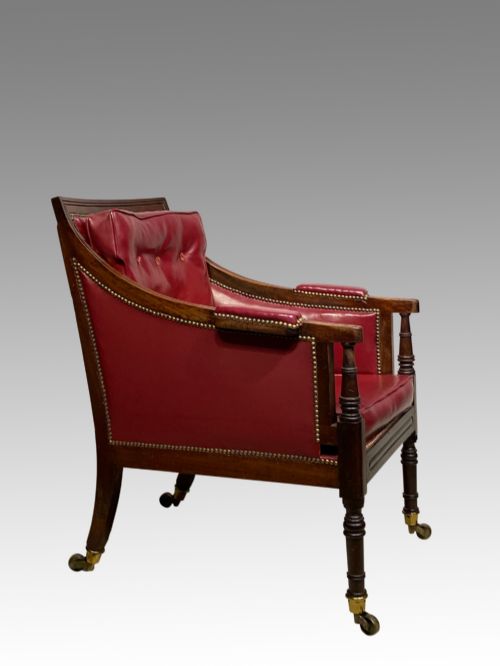
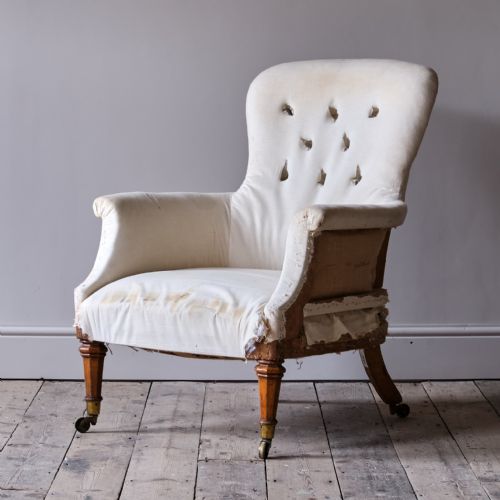
Seating surfaces utilised a combination of materials, integrating woven cane for bergère panels alongside traditional upholstery stuffed into calico or hessian foundations. Leather, velvet, and fabric then covered these surfaces, secured with brass tacks to create a durable and tactile finish.
Regency Reading Chair Retail Price Guide 2026
Typical asking prices for regency reading chair among the pieces listed under this phrase on Sellingantiques today, from the lower quarter to the upper quarter. They describe what is for sale here now, not the wider market.
Some models hide mechanical reclining secrets inside their wooden frames.
What varies in quality
The distinction between standard examples and the finest pieces often rests upon the crispness of the woodwork and the ambition of the original design. Chairs featuring specific mechanical innovations, such as patented reclining actions, or those exhibiting refined carvings and secondary timbers, stand apart from simpler utilitarian seating.
Integrity of the frame construction and the preservation of original materials also dictate the standing of a piece. Retaining period elements like cane panels, leather upholstery, and brass fittings elevates an item's authenticity and character significantly.
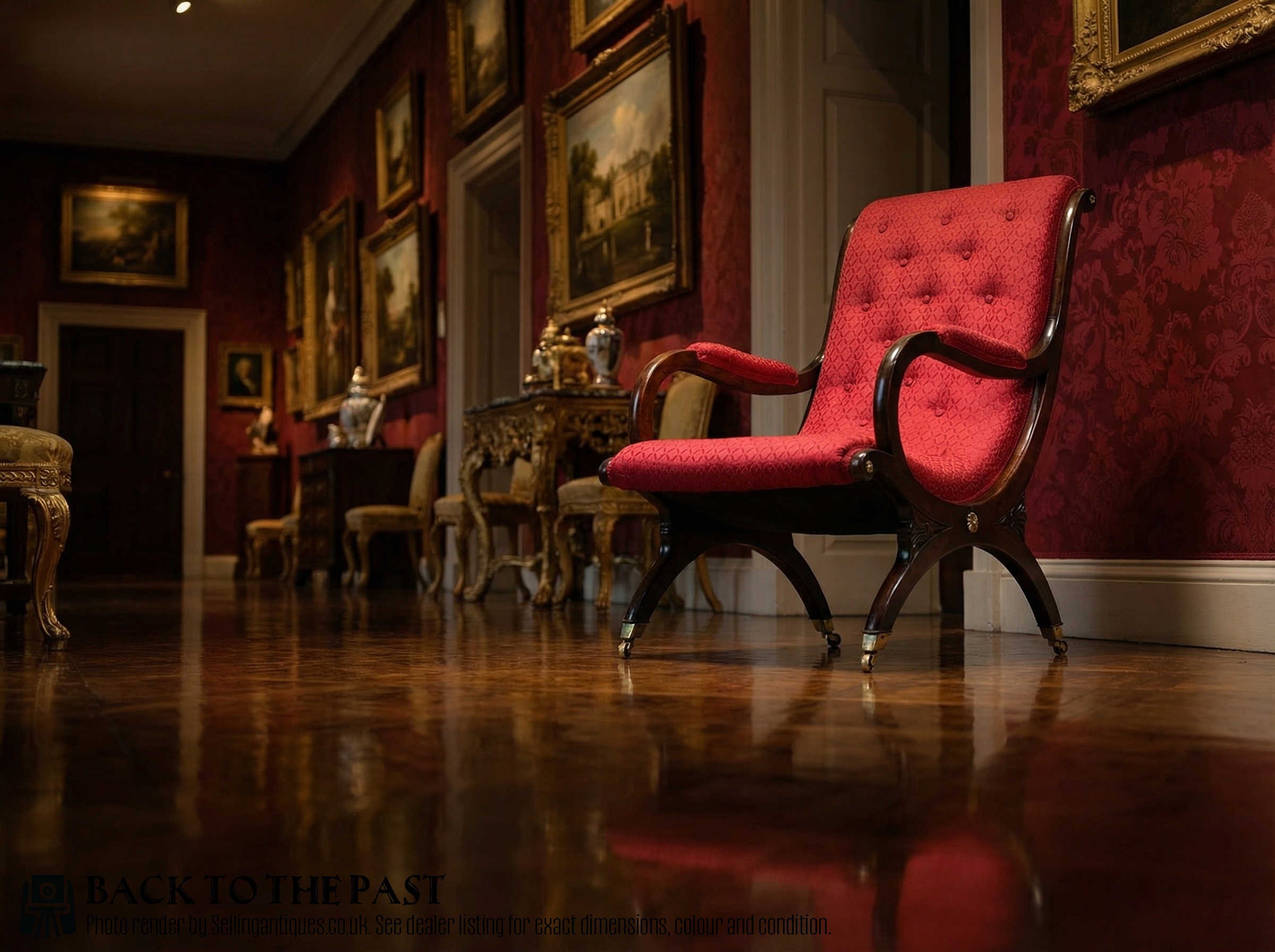
Gillows
The Regency Reading Chair Glossary
- Bergere
- An enclosed upholstered armchair with wooden framing where the sides are typically filled with cane work. This style originated in France but became popular in British libraries.
- Tub chair
- A form of seating where the arms sweep continuously into a rounded back, resembling the shape of a halved barrel. It offers enclosed comfort for the sitter.
- Reeded
- A decorative moulding consisting of parallel convex strips resembling bundled reeds. It appears frequently on the legs and arm supports of Regency furniture.
- Hessian
- A coarse woven fabric typically made from jute fibres, used historically as a hidden foundation layer beneath top upholstery. It provides a sturdy base for stuffing.
- Calico
- A plain-woven cotton textile utilised as a base cover for padding before the final leather or fabric layer is applied. It keeps internal stuffing securely in place.
Regency Reading Chair: Frequently Asked Questions
What is a regency reading chair?
A regency reading chair is a specialised form of seating designed during the early 19th century for use in libraries and studies. These chairs typically feature sturdy mahogany or rosewood frames with supportive armrests and comfortable upholstered or caned seats.
They were built to assist scholars and readers by offering ergonomic support for long hours of study. Today, collectors value them for their blend of functional utility and refined Regency craftsmanship.
How do I identify a genuine period piece?
Identifying a genuine piece involves examining the timbers, construction methods, and materials used in the frame and upholstery foundation. Look for traditional joinery, dense mahogany or rosewood, and period-appropriate textiles like hessian and leather.
Changes in style from Georgian through Regency to William IV offer clues to dating. Consulting construction details helps distinguish 19th-century originals from later reproductions.
Where were these chairs used?
These chairs were primarily designed for domestic libraries, studies, and private offices of large country houses. They served readers, writers, and captains of industry who required a comfortable seat for desk work.
Their substantial construction made them suitable for placement in grand reception rooms or quiet reading nooks. Today, they transition easily into modern home offices or living spaces.
How do I care for leather upholstery?
Leather upholstery on historic seating requires gentle cleaning and regular conditioning to prevent the hide from drying out. Avoid harsh chemical cleaners and keep the leather away from direct sources of heat or sunlight.
Applying a suitable wax or leather balm preserves the suppleness of the material. This maintenance protects the surface while retaining the natural patina developed over decades.