



Traditional Library Seating
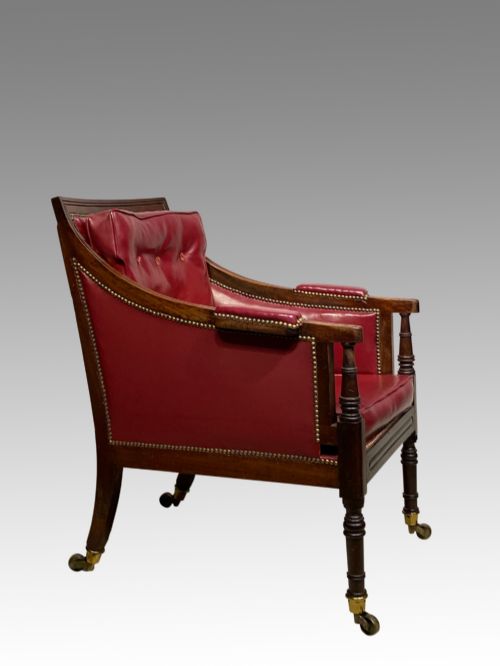
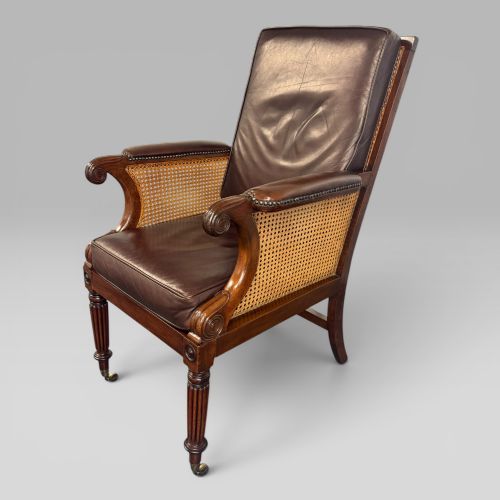
Traditional library seating comprises mahogany armchairs designed for study, offering heavy timber frames and deep upholstery for long hours of reading.
What traditional library seating is
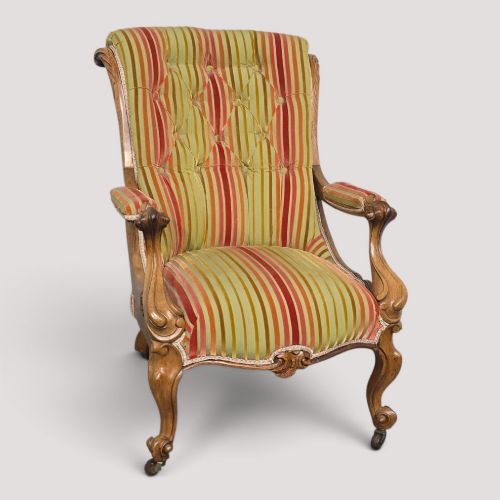
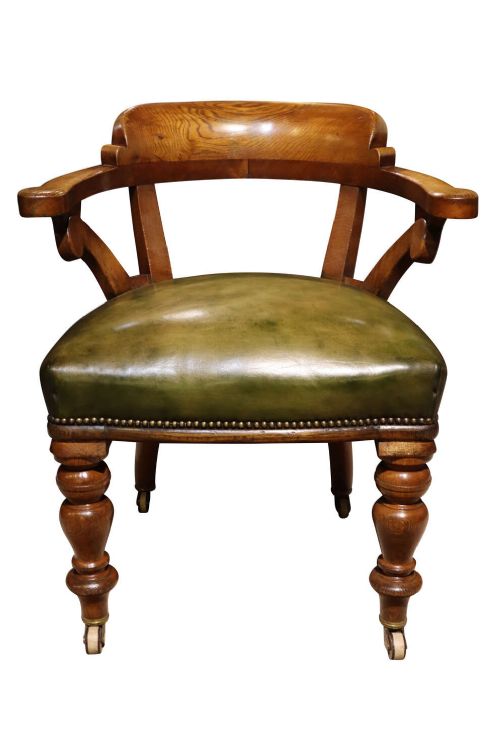
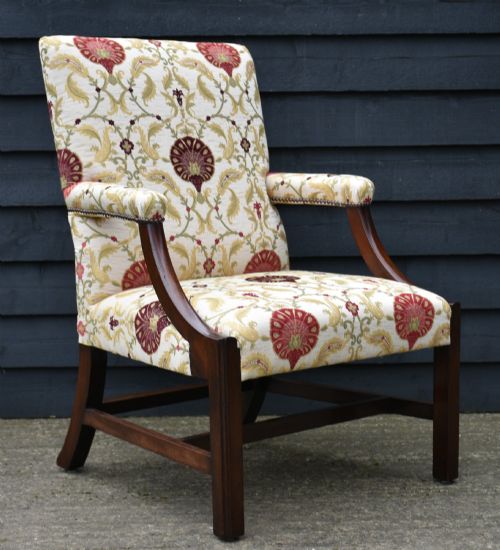
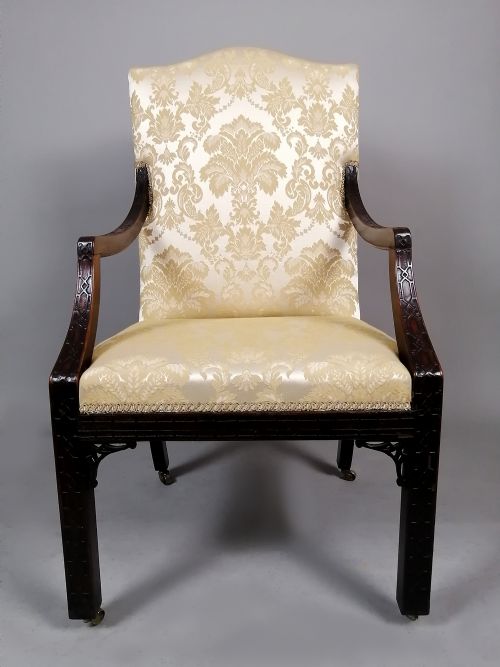
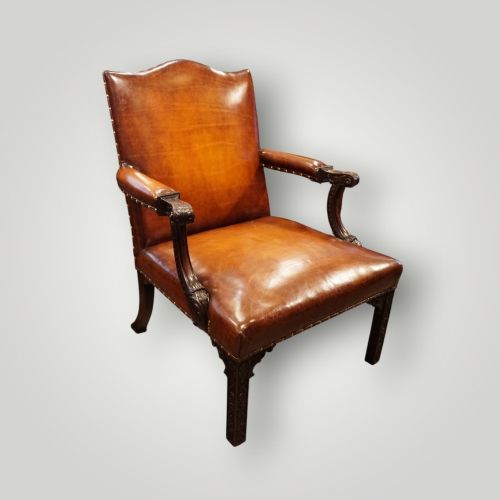
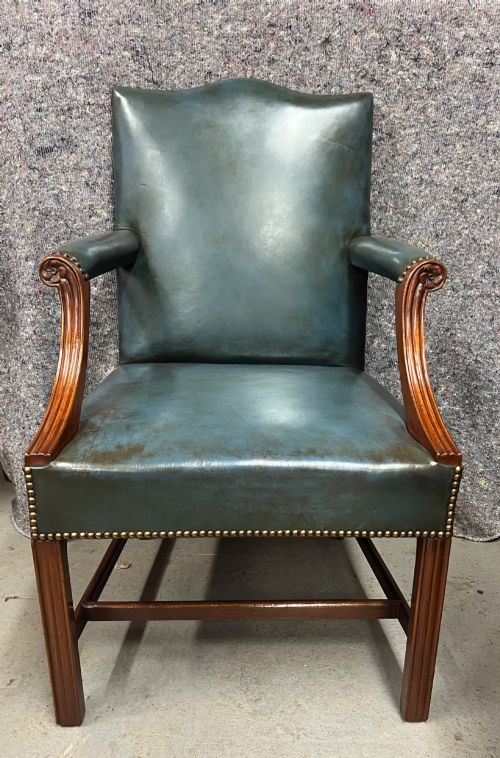
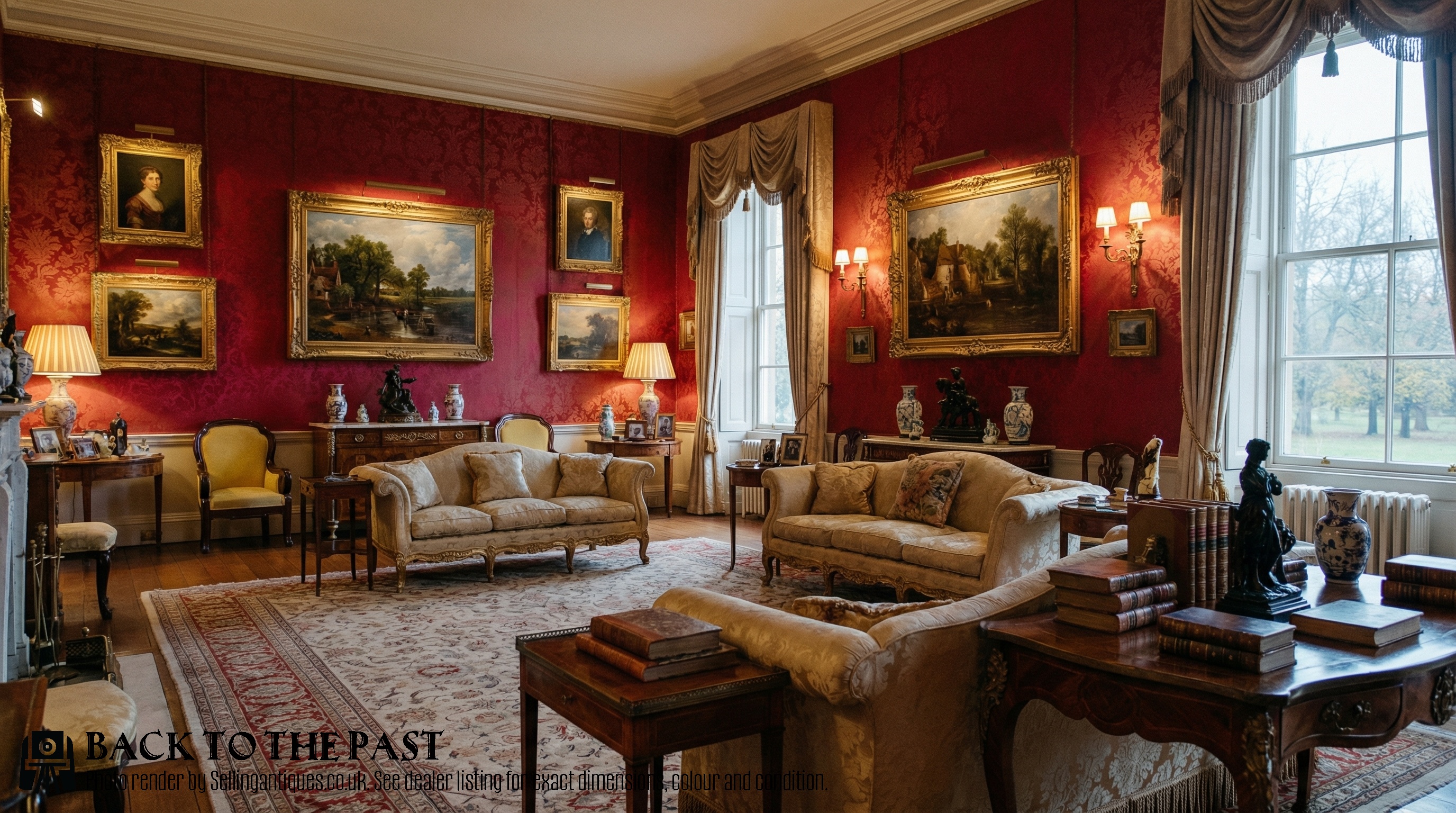
Traditional library seating encompasses 19th Century, Regency, Georgian, and William IV armchairs built for private studies and reading rooms. These pieces combine substantial timber frames with upholstered seats designed for sustained periods of reading.
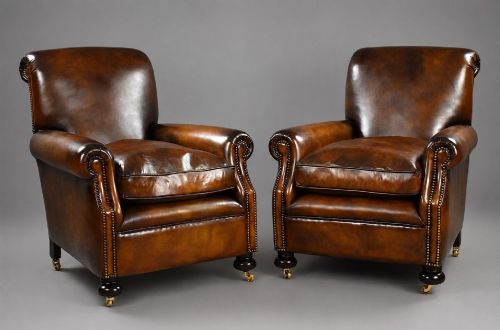
Visitors to this page are most likely to encounter nineteenth-century mahogany armchairs featuring leather upholstery and reeded or lyre-shaped arms. The selection spans single armchairs alongside matched pairs suitable for placing beside a fireplace or desk.
How traditional library seating was made
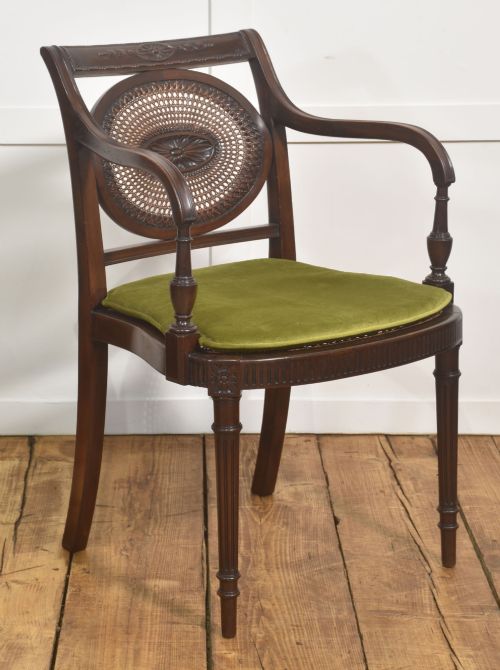
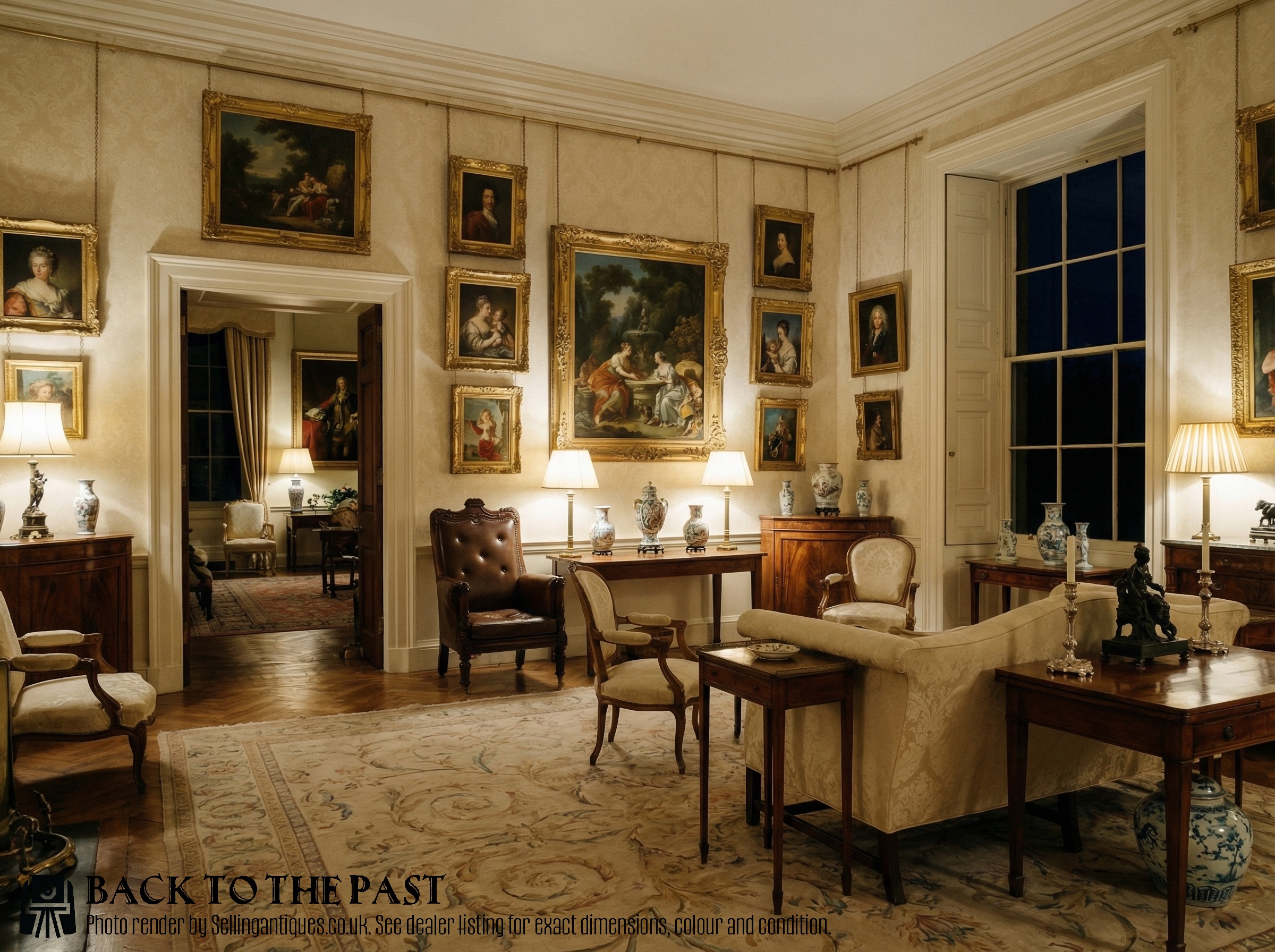
Makers constructed these library chairs using solid mahogany, shaping the dense timber into reeded supports and distinctive lyre arms. Frameworks relied on traditional joinery techniques to support the heavy loads demanded by daily study.
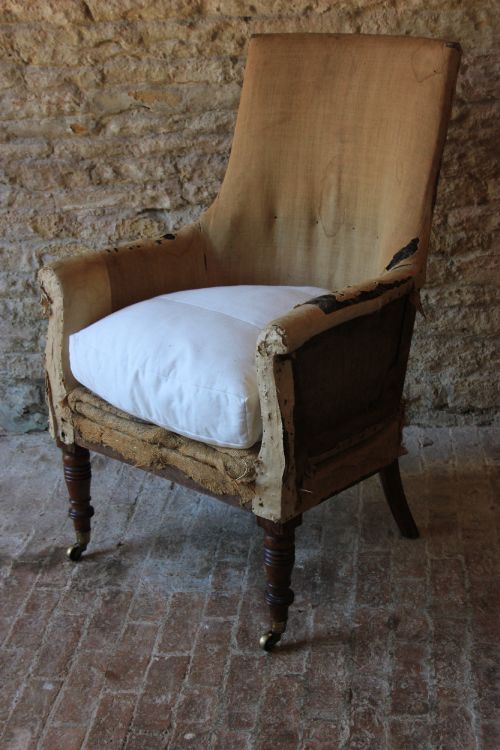
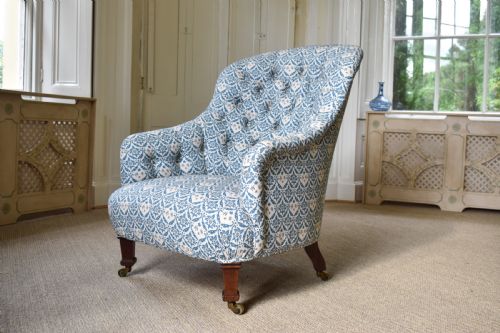
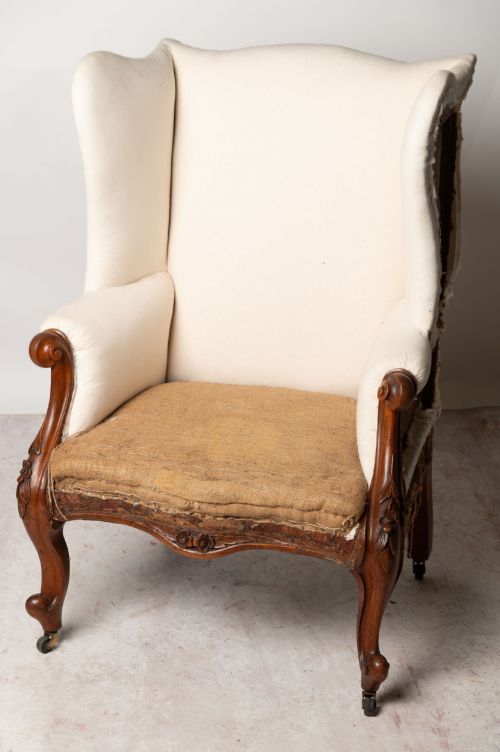
Upholstery methods utilised leather, velvet, hessian, corduroy, and fabric over padded interiors, often finished with buttoning to secure the cushioning. Brass fittings occasionally appeared as structural or decorative accents on the frames.
Retail Price Guide 2026
Typical UK retail prices for traditional library seating, calculated from the Sellingantiques database of over a million retail prices indexed since 2003. This retail price guide relies exclusively on Sellingantiques data; no external sources or auction records are used, so the figures do not describe the wider market.
Every armchair comes pre-loaded with centuries of quiet contemplation and stray pipe ash.
What varies in quality
Quality in these armchairs depends on the precision of the mahogany carving, particularly the execution of reeded details and sculpted lyre arms. Finer examples display superior timber selection with rich grain patterns and robust structural proportions.
The standard of upholstery and leatherwork dictates the upper tier of the range, where hand-buttoning and traditional stuffing techniques remain intact. Greater visual harmony in matched pairs elevates the desirability above mismatched or heavily altered pieces.
The Traditional Library Seating Glossary
- Reeded
- A decorative moulding consisting of parallel convex strips resembling parallel reeds. This technique adds linear texture to the wooden legs and arm supports of nineteenth-century chairs.
- Lyre arm
- An armrest carved in the symmetrical, curved outline of an ancient stringed musical instrument. It represents a characteristic flourish of the Regency style.
- Buttoned leather
- An upholstery method where depressions are formed in the leather by pulling tethers through to the frame, creating a padded diamond pattern. This secures the internal stuffing and adds resilience.
- Mahogany
- A durable, reddish-brown tropical hardwood favoured by cabinet makers for its stability and fine finish. It forms the primary structural material for these library armchairs.
Frequently Asked Questions
How do I identify a Regency library chair?
Regency library chairs often display classical architectural influences, including precise geometric lines and carved elements like lyre-shaped arms. The timber is predominantly mahogany, frequently paired with leather upholstery.
Examining the joinery and the sharpness of any carved details helps distinguish pieces from this specific period, which spans the early part of the nineteenth century.
Were these chairs used only in libraries?
While designed to furnish domestic and institutional libraries for reading and study, these robust armchairs also served in private drawing rooms and studies. Their substantial frames made them versatile seats for various formal reception rooms.
The inclusion of leather upholstery provided durability for daily use in spaces dedicated to work and quiet contemplation.
How do I care for leather upholstery on an old chair?
Leather upholstery on nineteenth-century armchairs requires gentle cleaning and occasional conditioning to prevent the material from drying out. Avoiding direct sunlight and excessive heat preserves the natural hide.
Maintaining a stable room climate protects both the leather surface and the underlying padding materials from premature degradation.