

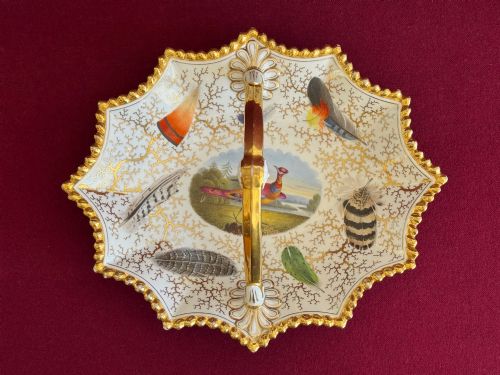
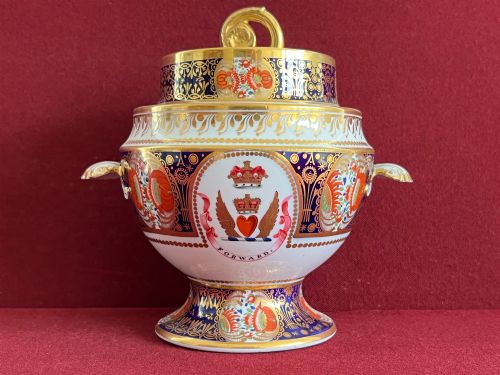
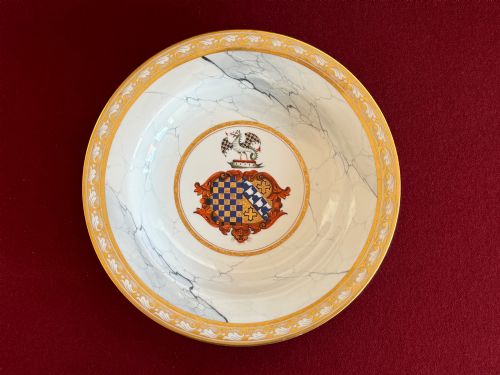
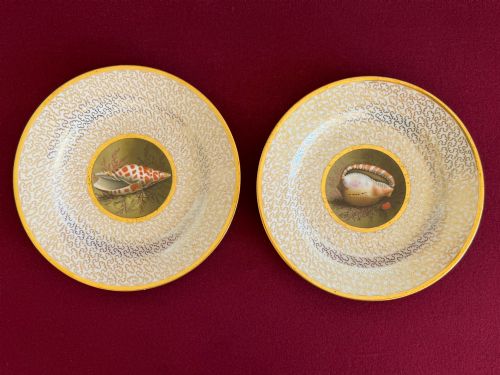
Regency Porcelain Dishes
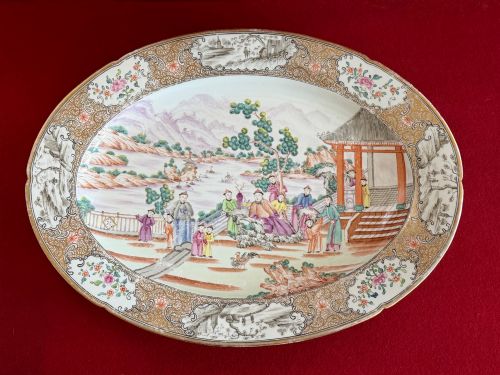
Regency porcelain dishes bring cabinet-level painting and armorial decoration to a table, combining neoclassical restraint with vibrant botanical or Chinoiserie colour.
Regency Porcelain Dishes
Regency porcelain dishes encompass plates, serving trays, tureens, and baskets produced during the opening decades of the nineteenth century. These items bridge late Georgian elegance and early Victorian mass production, maintaining high standards of hand painting.
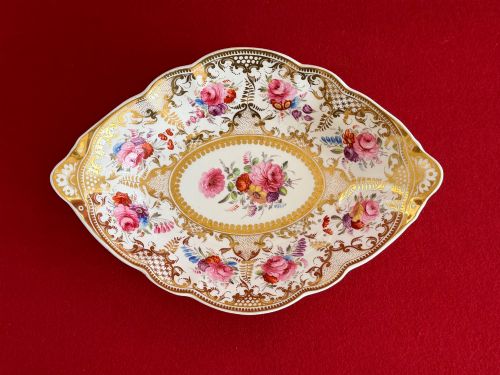
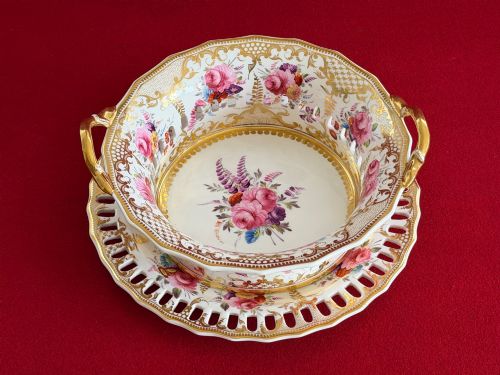
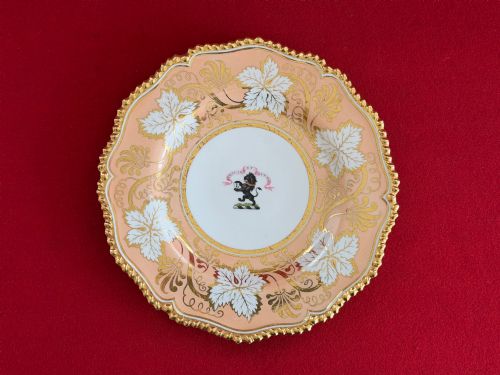
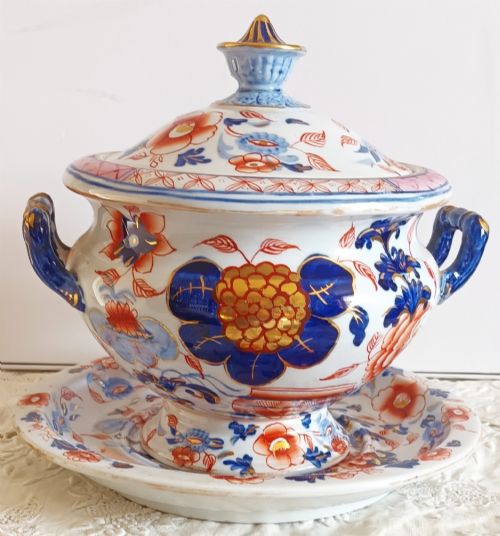
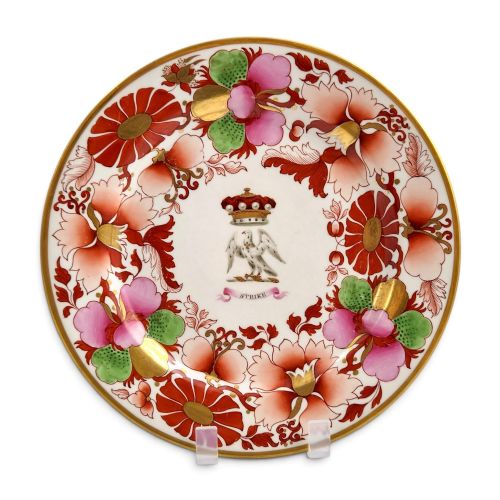
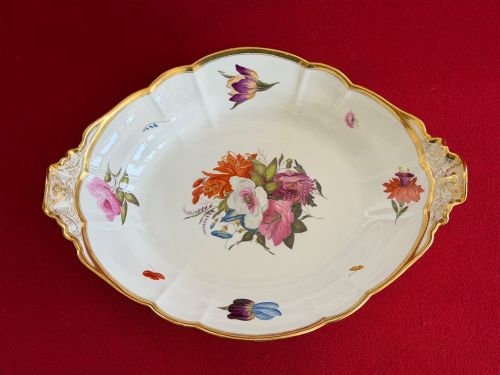
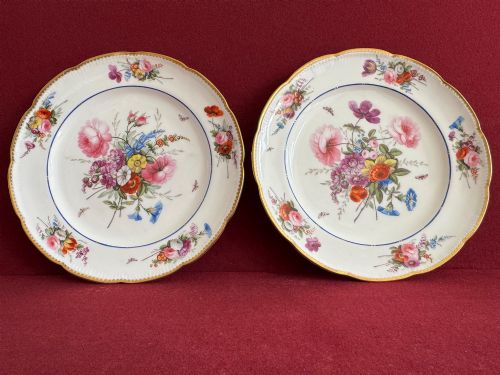
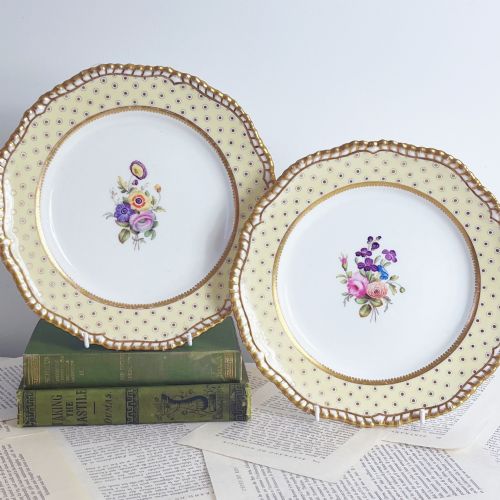
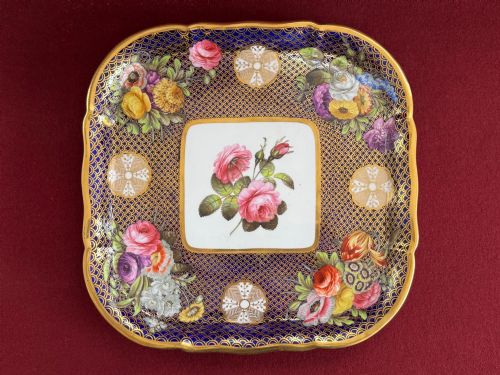
The version most frequently met on this page is the dessert or cabinet plate from Worcester factories such as Flight, Barr and Barr, alongside serving dishes and tureens by Spode and Derby. These pieces display botanical studies, topographical views, or Japanese-inspired Imari patterns.
Originating predominantly from English potteries, these tablewares reflect a period of intense experimentation with porcelain bodies, ironstone, and felspar. They served both functional dining roles and display purposes in formal reception rooms.
How they were made
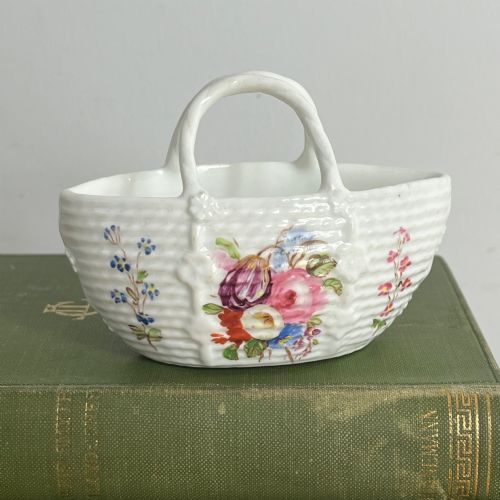
Potters utilised fine porcelain, ironstone, and felspar bodies, shaping them on wheels or pressing them into moulds to create intricate shapes like shell-edged comports and pierced baskets.
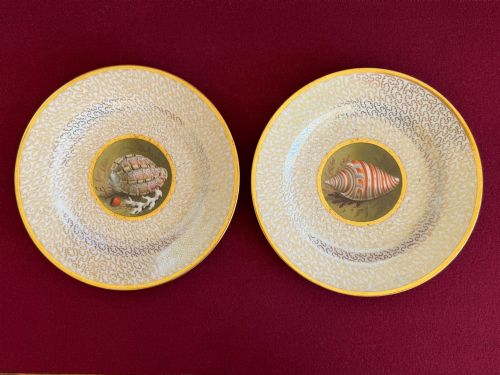
Decoration relied on hand painting using enamel colours, supplemented by gold leaf and heavy gilding applied to borders and armorial crests.
Regency Porcelain Dishes Retail Price Guide 2026
Typical asking prices for regency porcelain dishes among the pieces listed under this phrase on Sellingantiques today, from the lower quarter to the upper quarter. They describe what is for sale here now, not the wider market.
Listings feature 19th-century porcelain and ironstone from prominent English kilns, spanning cabinet plates, comports, and tureens.
What varies in quality
The refinement of the paste and the precision of the potter's moulding distinguish finer cabinet pieces from utilitarian wares, with translucent bodies and crisp relief details marking superior manufacture.
The skill of the enamel painting dictates the standing of a piece, separating standard botanical templates from named artist works featuring detailed topographical views or exotic birds.
Flight Barr and Barr·Barr Flight and Barr·H and R Daniel·Spode·Chamberlains Worcester·Crown Derby·Coalport·Minton·John Davenport
The Regency Porcelain Dishes Glossary
- Armorial plate
- A ceramic dish painted with a family crest or coat of arms. These were commissioned by landed families to display lineage during formal dinners.
- Felspar porcelain
- A patented ceramic body introduced by Spode containing feldspathic rock. It provided enhanced durability and a bright white ground for enamelling.
- Comport
- A raised vessel or tazza used for serving fruit or sweets at dessert. They typically sit on a central foot or pedestal above the table surface.
- Imari pattern
- A decorative style borrowing from Japanese export porcelain using underglaze blue, iron red, and gilt. British factories adapted these motifs for ironstone and earthenware.
- Sucrier
- A small covered sugar bowl designed for tea service. They mirror the decorative motifs and porcelain bodies of matching dessert plates.
Regency Porcelain Dishes: Frequently Asked Questions
What is the difference between ironstone and porcelain dishes?
Ironstone is a dense, opaque, and highly durable ceramic body developed to withstand heavy dining use, whereas true porcelain is finer, lighter, and often translucent under strong light.
Porcelain dishes from this era were typically reserved for formal dessert courses and display, while ironstone alternatives handled heavier daily service without losing their enamel decoration.
How can I identify a piece from the Regency period?
Regency tablewares are identified through a combination of neoclassical shapes, specific factory marks, and decorative styles such as Chinoiserie and botanical painting. The paste thickness and hand-applied gilding styles also align with production methods of the early nineteenth century.
Many factories utilised specific backstamps or pattern numbers that correspond to documented production ledgers from the Georgian and Regency eras, helping to narrow the date of creation.
Were these dishes meant for daily use or display?
Dishes painted by named artists or featuring intricate armorial crests served primarily as cabinet pieces or dessert service centerpieces for wealthy households. They were brought out during formal dinners to impress guests rather than for everyday meals.
Simpler ironstone or earthenware plates saw more regular service, though surviving examples often show minimal wear due to careful handling by Victorian and Georgian owners.
What do pattern numbers on the back indicate?
Factory pattern numbers recorded the specific colour palette, transfer print, and hand-painting instructions assigned to an order. Painters and gilders followed these reference numbers to ensure uniformity across a dessert service.
Consulting manufacturer archives allows collectors to match these numbers to specific years of production and identify the exact decorating shop responsible for the piece.