





Vintage Porcelain Display Dishes
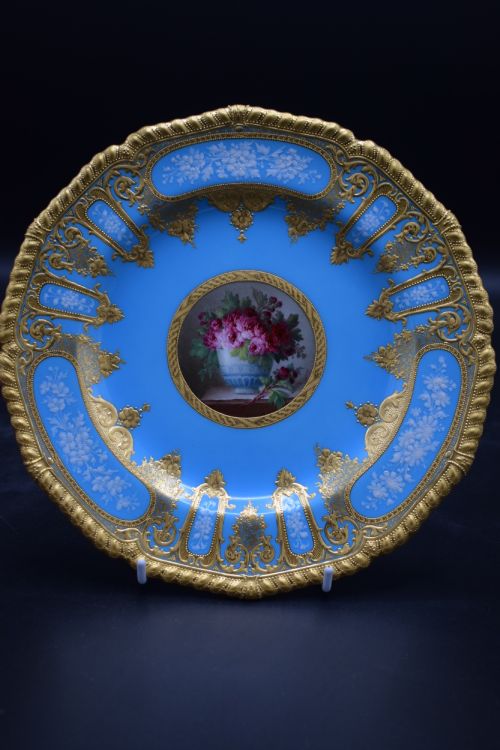
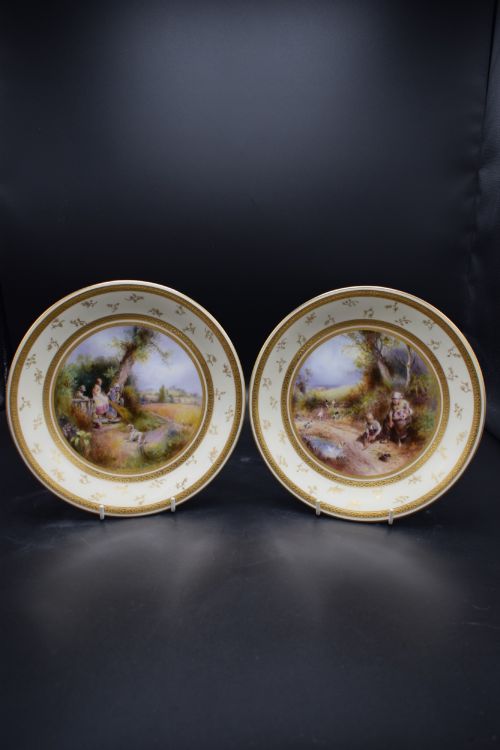
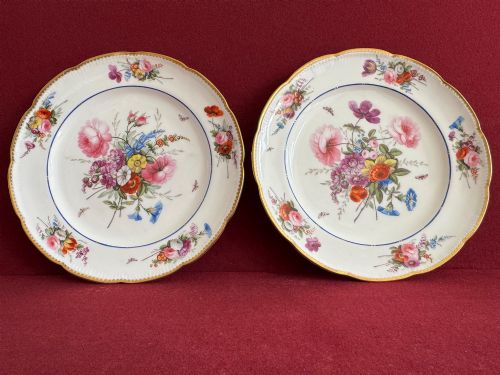
These vintage porcelain display dishes are decorative plates, chargers and bowls chosen for display, bringing painted colour and historic pattern into a room.
Vintage Porcelain Display Dishes
When you search for vintage porcelain display dishes, you encounter a varied selection of decorative plates, cabinet plates, chargers and bowls. These pieces span periods from the eighteenth century through the Victorian era into the mid-twentieth century.
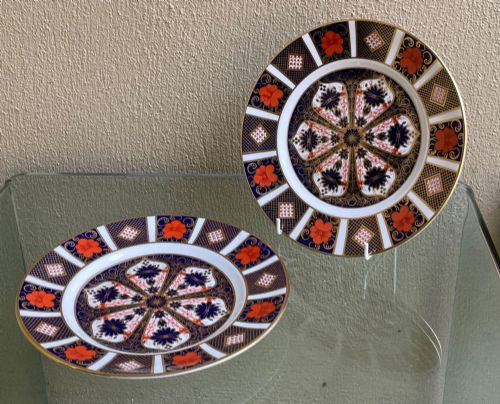
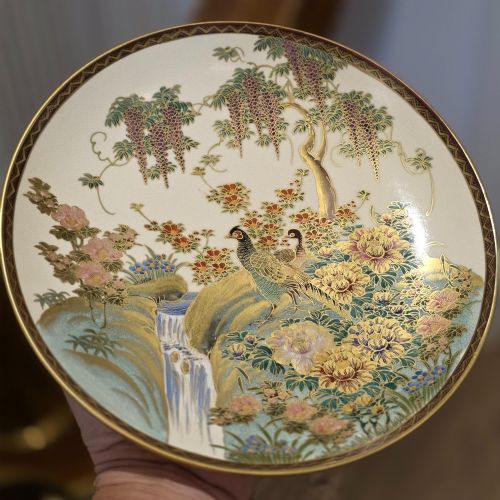
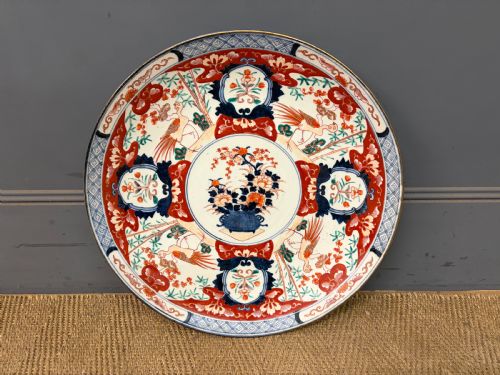
The assortment on this page draws heavily on Japanese Imari wares from the Meiji period alongside English porcelain and earthenware houses. Forms range from large scalloped chargers to square plates and cabinet plates intended for visual impact.
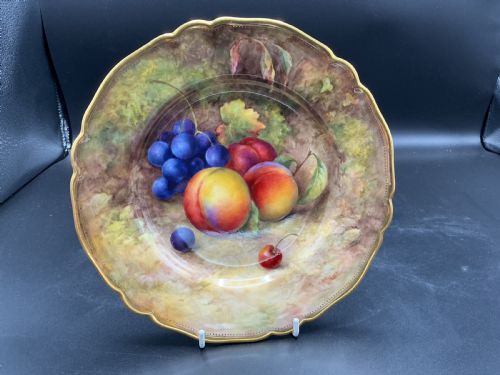
Makers represented include Royal Worcester, Royal Crown Derby and Royal Doulton, alongside Chinese export pieces and French Sevres wares. Each item serves primarily as a decorative focal point rather than utilitarian tableware.
How they were made
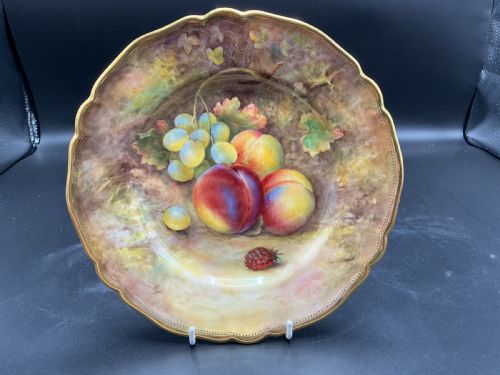
Potters shaped ceramic clay, porcelain or bone china into plates, chargers and bowls before applying glaze. Many pieces received intricate hand-painted designs, often depicting fruit, birds, figures or traditional Japanese motifs.
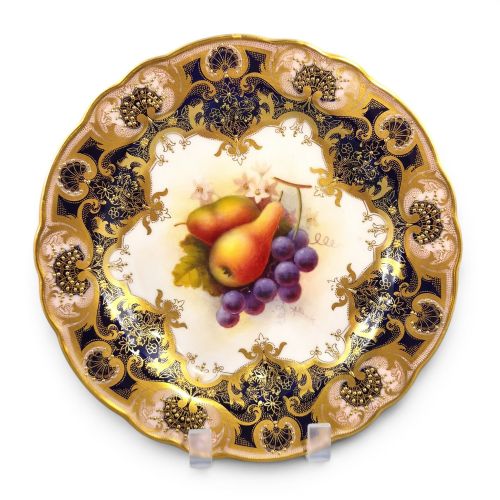
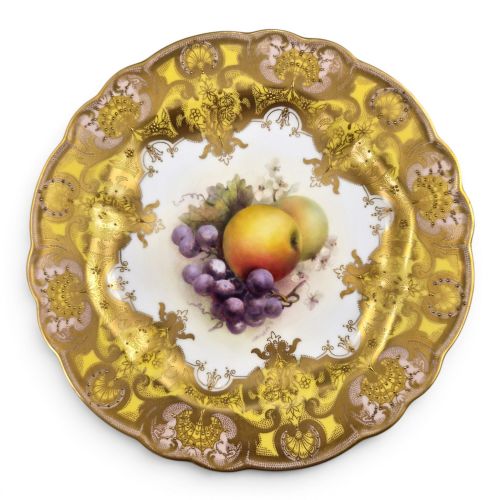
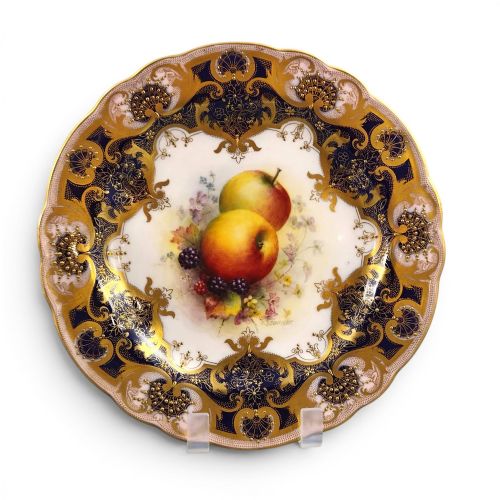
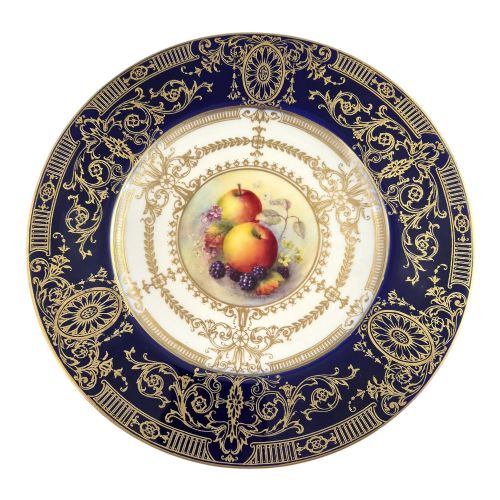
Gilding, gold leaf and enamel work frequently highlight the painted scenes and borders. Kiln firing fixed these pigments and glazes to the ceramic body, creating durable surfaces with rich tonal depth.
Vintage Porcelain Display Dishes Retail Price Guide 2026
Typical asking prices for vintage porcelain display dishes among the pieces listed under this phrase on Sellingantiques today, from the lower quarter to the upper quarter. They describe what is for sale here now, not the wider market.
Listings feature porcelain, bone china, enamel and gold leaf across Victorian, Edwardian and mid-twentieth century periods.
What varies in quality
The standard of painting marks the primary distinction between ordinary wares and exceptional pieces. Specialist artists signed many of the finest cabinet plates, bringing intricate detail and naturalistic depth to subjects like fruit and wildlife.
The complexity of the form and the richness of the palette also define the hierarchy. Heavy gilding, hand-applied enamel and unusual shapes such as square plates or scalloped bowls elevate certain items above standard round production.
Royal Worcester·Royal Crown Derby·Royal Doulton·Koshida·Mason
The Vintage Porcelain Display Dishes Glossary
- Charger
- A large decorative plate or dish, traditionally too large for ordinary dining. These pieces are meant for display on walls or dresser plate racks.
- Cabinet Plate
- A fine porcelain plate intended for display in a cabinet rather than use at the table. They frequently feature detailed hand-painted scenes by named artists.
- Imari
- A style of Japanese porcelain featuring distinctive underglaze blue and iron red, often supplemented with gold and green enamel. These patterns were widely exported and later emulated by European potteries.
- Bone China
- A type of soft-paste porcelain incorporating bone ash, known for its high whiteness and translucency. It allowed British makers to produce delicate yet robust display plates.
Vintage Porcelain Display Dishes: Frequently Asked Questions
How do I hang a heavy charger?
Heavy chargers and large plates require robust wire spring hangers that distribute weight evenly across the rim. Ensure the wall fixing is secure before committing a valuable ceramic piece to display.
Alternatively, sturdy plate stands allow these items to sit safely on mantelpieces, sideboards or inside glazed display cabinets without risking a fall.
Can I use these dishes for food?
Most antique display dishes are intended strictly for visual appreciation rather than culinary use. Enamels, gold leaf and older glazes can wear down or suffer damage when exposed to cutlery and food acids.
Furthermore, some historical pieces contain lead or other materials unsuited for modern dining. Enjoy them as decorative art on walls and surfaces instead.
How do I identify Japanese Imari?
Japanese Imari porcelain is instantly recognisable by its signature palette of deep cobalt blue and rust red, frequently accented with lavish gilding. Motifs often include floral arrangements, brocade patterns and traditional landscapes.
Pieces originating from the Meiji period combine traditional Japanese aesthetics with techniques refined for the nineteenth-century export market.
What makes cabinet plates special?
Cabinet plates were created specifically to showcase the highest skill of a pottery's painters rather than to serve food. They often feature elaborate painted fruit, floral studies or figurative scenes executed by master artists.
Signatures on the front or back of these plates indicate individual artistry, marking them out from standard factory output.