




English Porcelain Dinnerware
English porcelain dinnerware combines historic craftsmanship and painted decoration, offering plates, services, and tureens from the Georgian, Regency, and Victorian periods.
English Porcelain Dinnerware
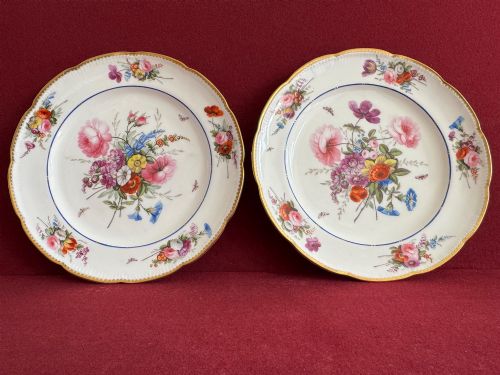
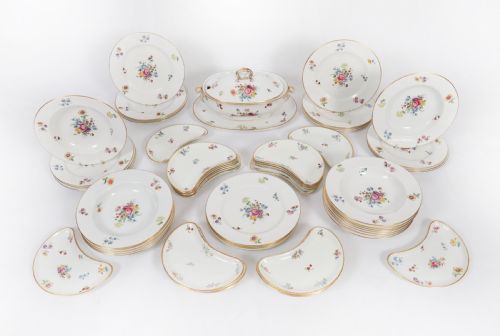
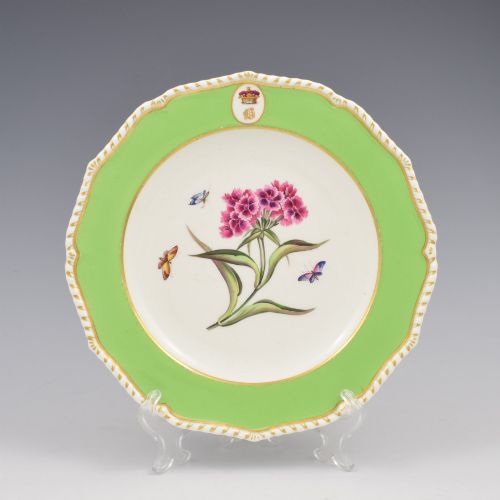
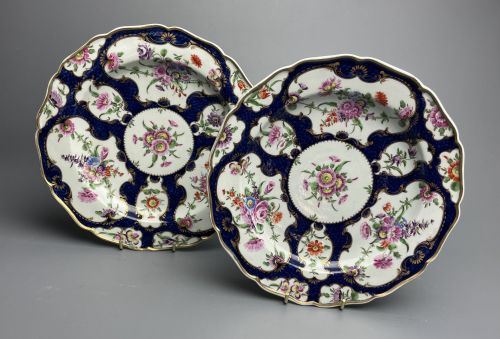
English porcelain dinnerware encompasses plates, dinner services, cabinet pieces, and soup tureens produced across the eighteenth, nineteenth, and twentieth centuries. These forms reflect shifts in domestic dining habits, moving from elaborate armorial services to patterned table settings.
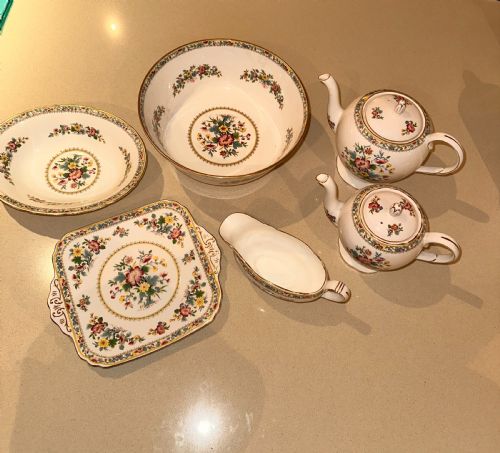
The pieces appearing on this page span Georgian, Regency, and Victorian eras, along with later twentieth-century examples. Plates dominate the selections, alongside comprehensive dinner services and decorative wares.
Makers represented in these listings range from historic factories like Spode, Coalport, and Worcester to Minton and Copeland. Buyers encounter both single cabinet plates and large multi-piece services intended for display or use.
Materials and production techniques
Production relies on fine ceramic and porcelain bodies, frequently supplemented by ironstone and earthenware for durability in service pieces. Glazes seal the ceramic base, providing a smooth, reflective surface suitable for intricate painting.
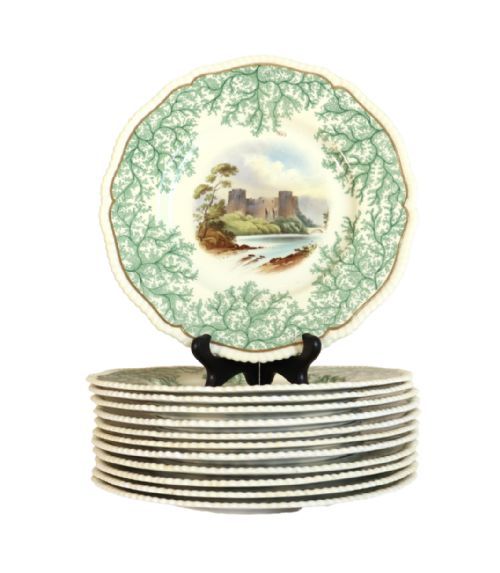
Decoration involves hand-painted enamels, transfer-printed patterns such as the Italian scene, and applied gold leaf or gilding. Advanced techniques like pate-sur-pate build up layers of slip to create low-relief ceramic decoration.
Firing processes set the body and fix the enamel colours and gold leaf, often requiring multiple kiln stages for polychrome and gilded designs. Specialised painters handled botanical subjects, armorials, and landscape scenes before final glazing.
The listings span the Georgian, Regency, and Victorian periods, utilising materials from fine porcelain and gold leaf to ironstone and enamel.
Factors determining quality
Quality rests upon the refinement of the porcelain body and the precision of the hand-painted or transfer-printed decoration. Finer pieces display crisp botanical or armorial details executed by named decorators and established factories.
The preservation of original gilding and enamel colours directly influences the standing of a service or plate. Intact gold leaf and vibrant, unrubbed painting separate everyday utilitarian wares from superior cabinet pieces.
Provenance and completeness elevate certain services, particularly those with documented family histories or royal connections. Complete dinner services retain greater cohesion than assembled sets of mismatched plates.
Spode·Coalport·Coalbrookdale·Bloor Derby·Flight Barr And Barr·Worcester·Minton·Masons Ironstone·Mintons·Royal Worcester·Chamberlains
The English Porcelain Dinnerware Glossary
- Armorial
- Bearing a coat of arms or heraldic crest. These bespoke commissions identify specific aristocratic or dynastic families.
- Cabinet plate
- A decorative plate intended for display in a cabinet rather than utilitarian dining use. They often feature elaborate hand-painted scenes or rich gilding.
- Ironstone
- A heavy, durable type of earthenware patented by Mason. It bridges the gap between refined porcelain and everyday pottery.
- Pate-sur-pate
- A ceramic technique where wet white slip is built up in successive layers on a coloured clay body to form a cameo-like relief. This method requires considerable skill from the artisan.
- Soup tureen
- A large, deep vessel with a lid and handles used for serving soup at the table. They frequently form the centrepiece of a larger dinner service.
English Porcelain Dinnerware: Frequently Asked Questions
How do I date English porcelain dinnerware?
Dating relies on factory marks stamped or painted on the underside, stylistic indicators like Regency borders, and recorded periods of operation for makers such as Spode or Worcester. Comparing the paste and glaze characteristics to known factory timelines helps narrow the window of production.
Written documentation or family provenance included in a listing also provides specific historical context for the manufacture date.
Can I use antique dinner plates for daily dining?
Most antique porcelain and ironstone plates can handle gentle use, but hand washing is essential to protect delicate enamels and gold leaf gilding. Historic glazes may also contain trace elements, so many collectors prefer to reserve older cabinet pieces for display.
Services from later periods, such as twentieth-century production, generally offer sturdier construction if intended for regular table setting.
What is the difference between porcelain and ironstone?
Porcelain is a vitrified, translucent ceramic fired at high temperatures, offering a refined and delicate appearance suited to formal dining. Ironstone is a dense, opaque earthenware developed for strength and durability during heavier service.
While both appear in nineteenth-century dining rooms, ironstone plates feel significantly heavier and lack the translucency of fine porcelain.
How should I display cabinet plates safely?
Displaying cabinet plates requires secure plate hangers lined with protective material to prevent scratching the rim or glaze. Wall mounting or cabinet shelving should provide stable support away from direct sunlight and heavy foot traffic.
Ensuring the display hardware matches the weight of the specific plate prevents accidental slips.