



Botanical Painted China Plate
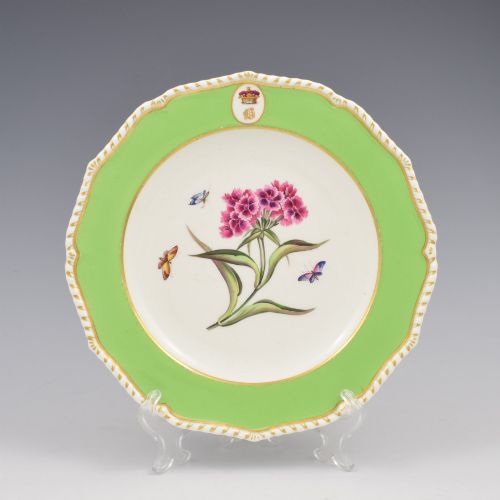
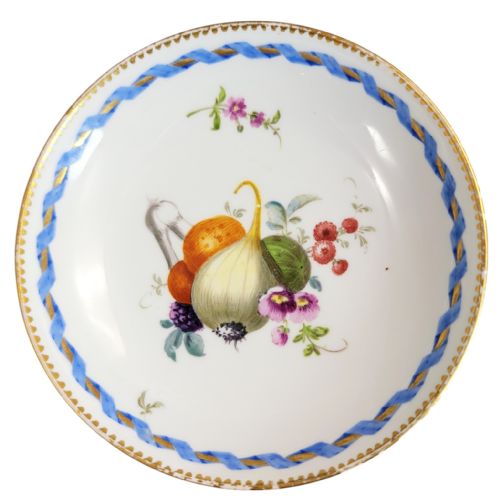
A botanical painted china plate brings natural history into the dining room through careful brushwork on hard-paste porcelain or bone china.
Botanical Painted China Plate
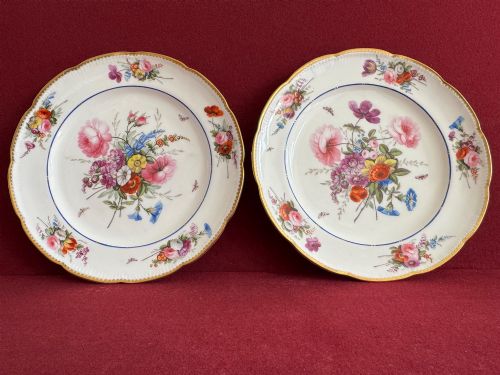
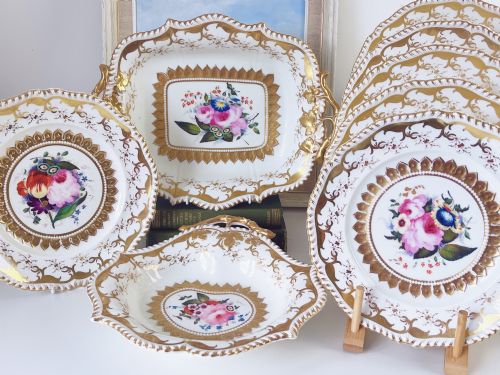
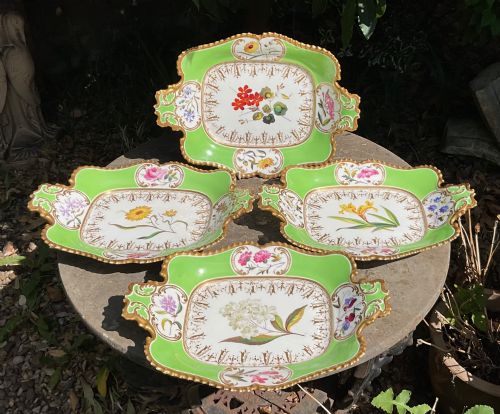
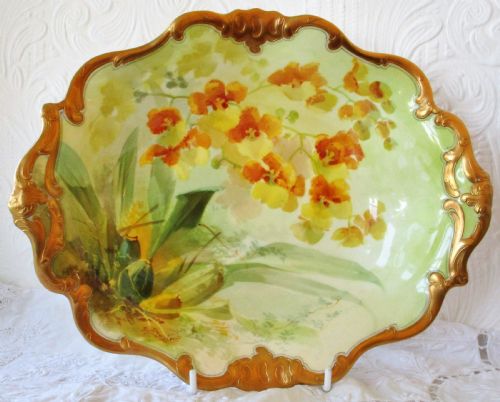
When you search for a botanical painted china plate, you encounter items designed for display in cabinets or service at dessert courses during the Georgian, Regency, and Victorian eras. These objects take the form of cabinet plates, decorative plates, dessert services, and serving dishes.
The most common versions on this page originate from English factories such as Bloor Derby, Coalport, and Worcester, alongside continental porcelain from Meissen and Sevres. Makers frequently ornamented these pieces with handpainted specimens of flora, birds, and armorial details.
Forms range from individual cabinet dishes to larger multi-piece dessert services spanning the eighteenth and nineteenth centuries. Each piece displays specific botanical motifs, sometimes accompanied by gilt borders and enamel highlights.
Factors determining quality across pieces
The precision and detail of the handpainted flora distinguish finer examples from standard production. Botanical accuracy in depicting specific plants, such as sweet william or roses, indicates skilled factory painters.
The application of gilding and the weight of the porcelain body contribute to the distinction of the work. Pieces bearing specific named patterns or armorial crests demonstrate higher ambition from manufactories like Bloor Derby or Barr, Flight and Barr.
A solitary lapwing gazes across a Regency porcelain plate, immortalised in enamel by a forgotten hand.
Grainger Lee and Co·Wedgwood·Chamberlains Worcester·Royal Doulton·Meissen·Bloor Derby·Copeland·Sevres·Coalport·Barr Flight and Barr·Royal Worcester·Kornilov Brothers·Ridgway·Nantgarw·Coalport·New Hall·Rockingham·Royal Crown Derby
The Botanical Painted China Plate Glossary
- Bone china
- A type of soft-paste porcelain containing bone ash, developed in England to create a whiter and stronger ceramic body.
- Cabinet plate
- A decorative ceramic dish intended for display on a wall or within a glass-fronted cabinet rather than everyday dining.
- Hard-paste porcelain
- A vitrified ceramic composed of kaolin and petuntse fired at high temperatures, producing a dense and durable white body.
- Gilding
- The application of gold leaf or powdered gold suspended in a medium to ceramic surfaces, typically accenting rims and borders.
- Enamel
- Opaque or translucent coloured glass fused to the porcelain surface during a muffle kiln firing to create painted motifs.
Botanical Painted China Plate: Frequently Asked Questions
How were botanical plates used historically?
These ceramic pieces functioned primarily during dessert courses in wealthy households. Servants brought out specialised dessert services containing painted plates, serving dishes, and bowls to present fruit and sweetmeats after the main meal.
Many examples also served as cabinet pieces. Owners mounted them on walls or displayed them in glazed furniture to showcase botanical knowledge and artistic taste to guests.
Can I use these antique plates for dining?
Using these antique items for everyday dining is generally discouraged due to their age and delicate construction. Handpainted enamels and gold leaf gilding can wear down with modern detergents and cutlery use.
Instead, collectors typically choose to exhibit these items in display cabinets or mount them securely on walls. Gentle dusting with a dry cloth keeps the porcelain safe.
How do I identify the period of a plate?
Dating relies on examining factory marks stamped or painted on the reverse of the porcelain. Different reigns and eras, such as the Georgian Regency or Victorian periods, utilised specific printed ciphers and pattern numbers.
Stylistic cues also help narrow down the date. The painting style, the shape of the well and rim, and the type of gilding often align with known manufacturing decades.