
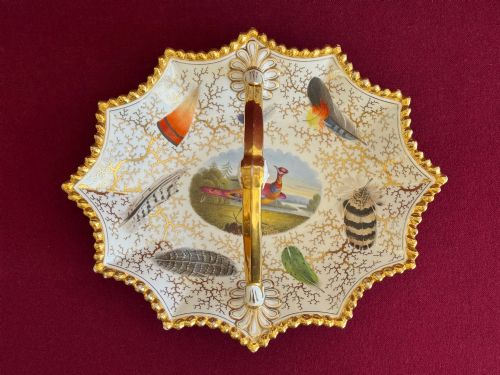
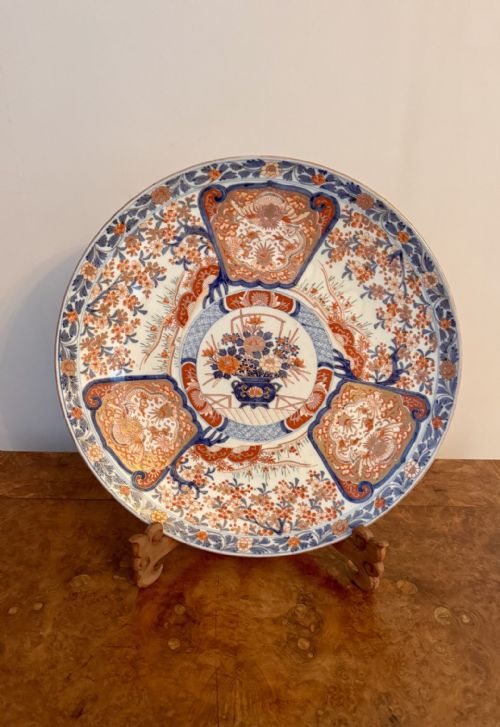
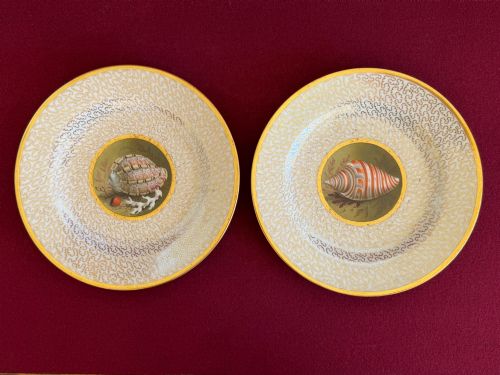
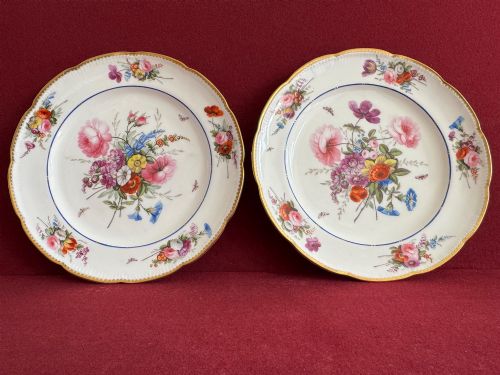
Gilt Porcelain Dishes
When you search for gilt porcelain dishes, you encounter plates, bowls and serving vessels enriched with gold leaf, gilding and ormolu mounts.
Gilt Porcelain Dishes
Gilt porcelain dishes encompass a wide range of forms from cabinet plates and dessert dishes to sauce tureens and serving trays. These items bridge decorative display and functional dining ware across multiple centuries of European and Asian ceramic production.
The pieces you encounter most frequently on this page originate from English and continental factories during the Georgian, Regency, Victorian and Edwardian periods. Makers applied gold accents to enhance table services and display cabinets for wealthy households.
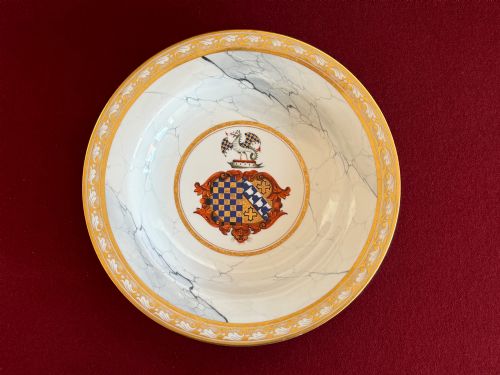
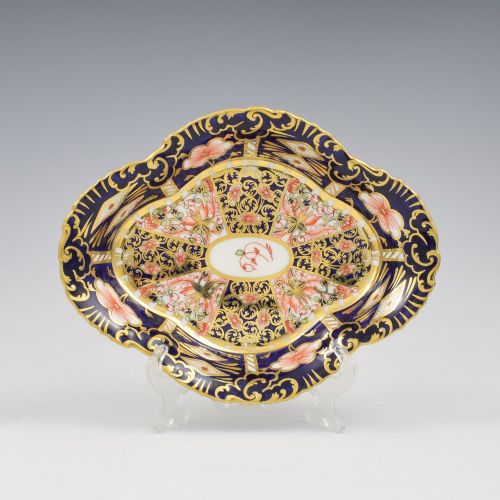
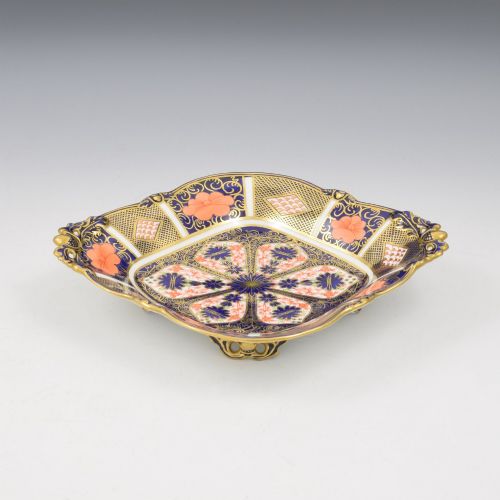
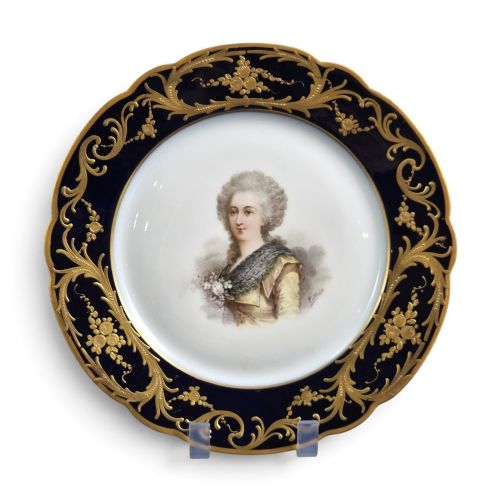
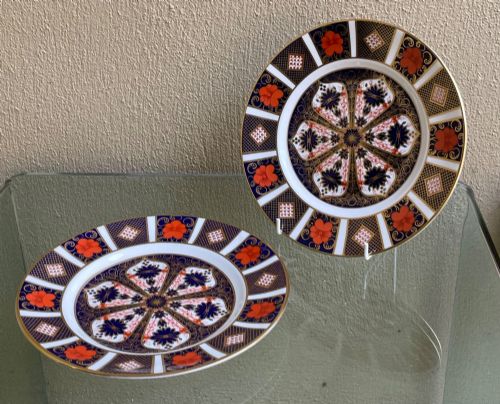
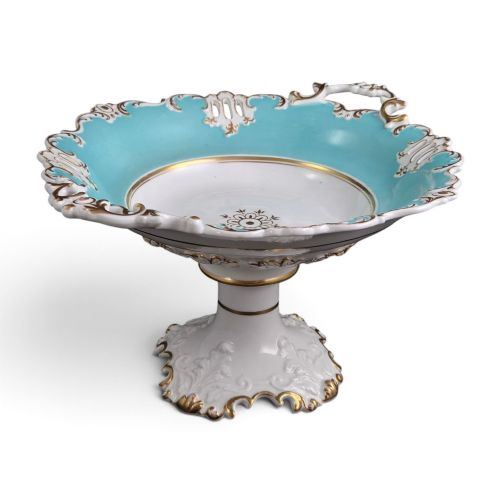
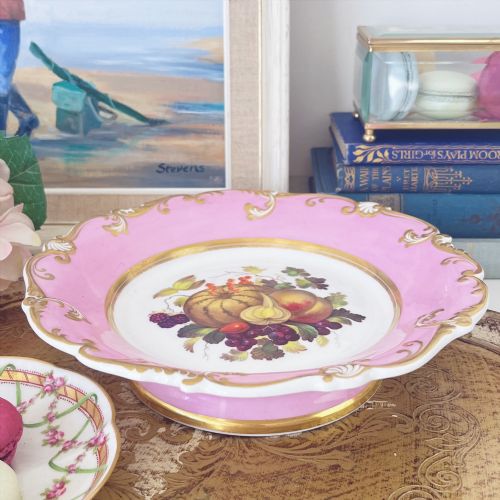
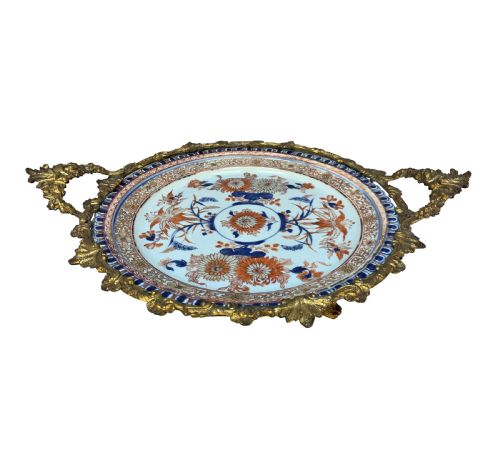
Forms vary from deep lobed serving dishes and shell edge footed comports to square dishes and armorial soup plates. Many incorporate styles such as Rococo Revival, Japanese Imari and French Sèvres-style decoration.
Materials and Construction
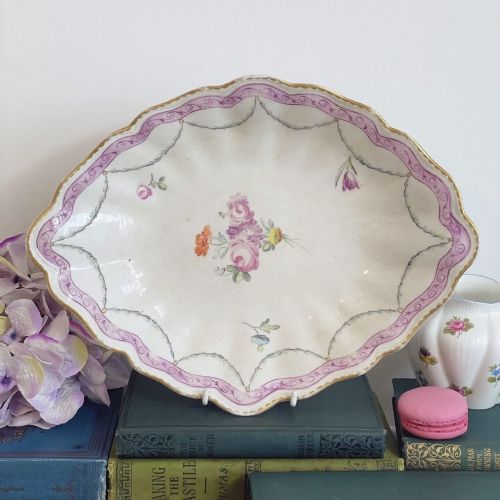
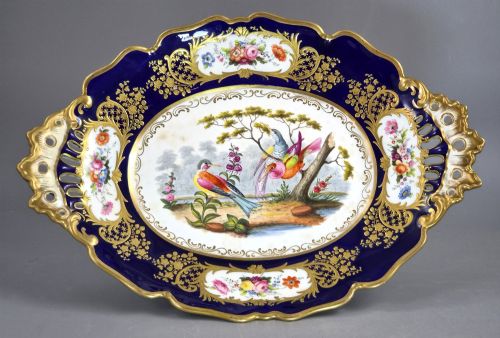
Potters shaped these vessels from hard paste porcelain, bone china and felspar porcelain before applying ground colours like cobalt blue or turquoise. Artisans then handpainted polychrome flowers, birds, portraits and Watteau scenes onto the ceramic body.
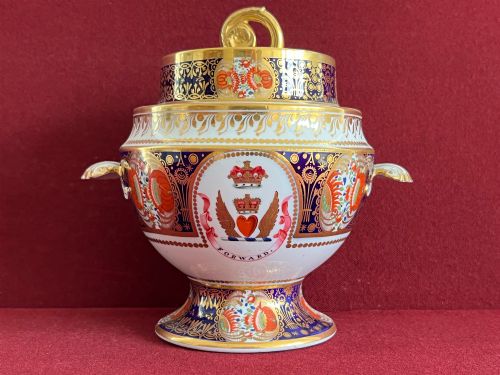
Gilding was applied using gold leaf, gold gilt or ormolu mounts to highlight rims, handles and borders. Certain items combine porcelain bowls with gilt bronze and cut crystal or incorporate pierced and moulded details.
Cherubs peer out from gilt bronze centrepieces while butterflies perch on porcelain handles waiting for fruit.
Judging Quality and Execution
Quality rests in the precision of the handpainted details and the weight of the gilding. Skilled painters produced intricate botanical studies, fruits and figures that retain crisp lines and vibrant enamel colours.
The heft of the porcelain body and the richness of the gold leaf application distinguish standard production wares from exceptional cabinet pieces made by leading factories.
Flight Barr and Barr·Royal Crown Derby·Imperial Porcelain Factory·Royal Worcester·Coalport·Meissen·Davenport·Minton·Spode
The Gilt Porcelain Dishes Glossary
- Cabinet Plate
- A decorative plate intended for display in a cabinet rather than for dining use. These often feature elaborate handpainted scenes and extensive gilding.
- Tazza
- A shallow bowl or dish raised on a foot or pedestal. This form serves fruit or confectionery on formal tables.
- Imari
- A style of Japanese porcelain featuring underglaze blue and iron red with added gold highlights. European factories frequently copied these distinctive patterns.
- Comport
- A raised dish or stand used for serving fruit or sweetmeats as part of a dessert service.
- Ormolu
- Gilded bronze mounts applied to furniture, clocks and porcelain vessels. The technique adds structural embellishment and ornamental richness.
Gilt Porcelain Dishes: Frequently Asked Questions
What are gilt porcelain dishes used for?
These pieces functioned historically as serving dishes, soup plates, dessert dishes and sauce tureens for dining tables. Today collectors primarily display them as cabinet plates or decorative centrepieces.
Items featuring handpainted fruit, flowers or armorial crests were designed to showcase wealth and taste during formal meals.
How do I identify the period of a dish?
Dating relies on factory marks stamped or painted on the underside, stylistic cues such as Regency or Rococo Revival shaping, and the type of ceramic body like bone china or felspar porcelain.
Handwritten pattern numbers and decorator signatures also help narrow the manufacturing window across the eighteenth and nineteenth centuries.
Can I use these antique dishes for food?
Most pieces on this page are intended for display or collection rather than everyday dining use. Historic glazes and fragile gold leaf decorations can wear down with frequent washing and food contact.
Gentle handling preserves the delicate enamels and gilding found on nineteenth-century cabinet plates and comports.
What is the difference between porcelain and bone china?
Porcelain is a hard ceramic fired at high temperatures from kaolin and petuntse, producing a dense and vitreous body. Bone china incorporates bone ash into the mixture, creating a slightly warmer tone and a translucent finish.
Both materials readily accept the gold leaf and enamel painting seen across these historic services.