


Regency Plant Pedestal
A regency plant pedestal elevates a heavy urn or flowering pot with classical architectural balance, bringing sculpture and living green together.
Regency Plant Pedestal
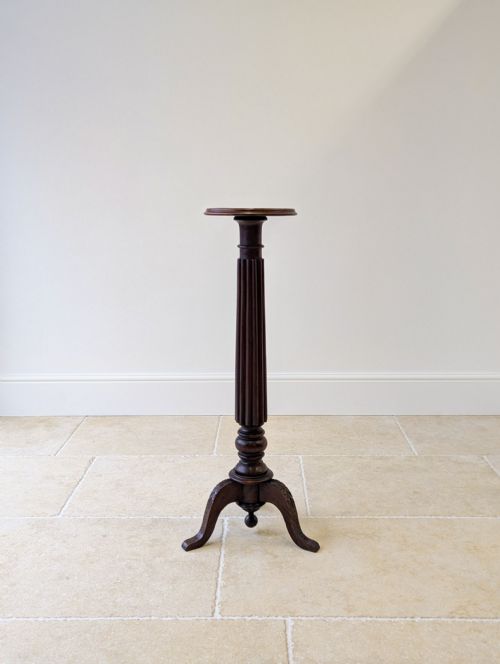
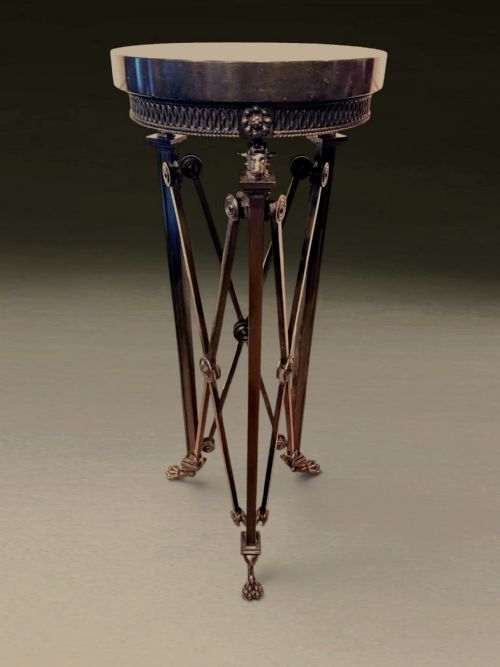
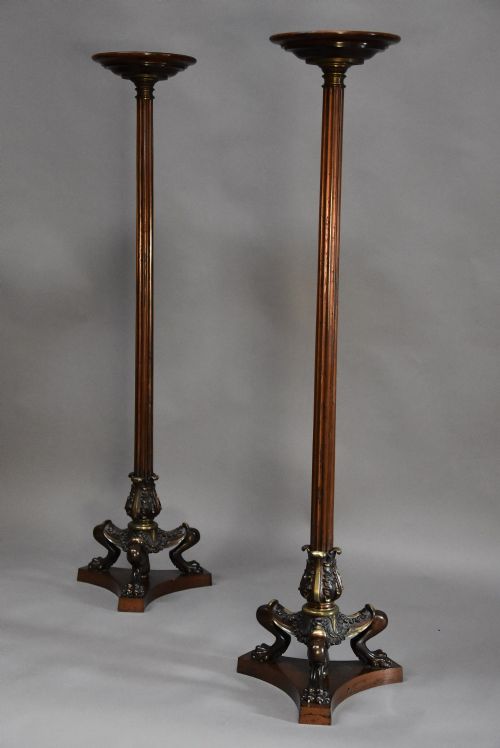
A regency plant pedestal stands as a tall, slender support designed to display botanical arrangements, urns, and sculptural pieces within a room. Buyers searching this phrase encounter slender torcheres, circular tables, and columnar supports that elevate plants or decorative objects to eye level.
The pieces appearing on this page span the nineteenth century, including original Regency, William IV, and Georgian periods alongside later nineteenth-century and early twentieth-century revivals. Materials range from rich timbers such as mahogany and rosewood to simulated marble, bronze, and giltwood.
Forms vary from tripod torchere stands and hexagonal cabinets to Dutch Empire style jardiniere buckets and architectural columns. These items serve equally as plant stands, lamp tables, and sculpture displays in traditional interiors.
How They Were Made
Cabinet makers constructed these supports primarily in solid and veneered timbers including mahogany, rosewood, walnut, and satinwood, frequently employing turned columns and tripod bases for stability. Finer examples incorporate bronze mounts, brass details, and hand-carved giltwood ornamentation.
Surface treatments play a significant role, with makers utilising ebonised wood, grain painting, and skilled faux marble finishes on pine or wood cores to imitate costly stone. Turned and carved elements demonstrate the joinery techniques typical of the early nineteenth century and subsequent revival periods.
Periods represented span from Georgian and Regency origins through Victorian revivals into the early twentieth century.
What Varies in Quality
Quality rests upon the crispness of the carving, the selection of timber veneers, and the integrity of the structural joinery supporting heavy tops. Pieces displaying well-figured mahogany or rosewood grain, alongside finely chased bronze or brass mounts, occupy the upper tier of the range.
The survival of original surface finishes, whether polished timber or authentic simulated marble paintwork, distinguishes superior examples from later or heavily restored pieces. Proportion and balance between the column shaft and the supporting base dictate the visual harmony of each stand.
Gillows·Thomas Hope·George Smith·James Mein of Kelso·Thomas King
The Regency Plant Pedestal Glossary
- Torchere
- A tall, slender stand designed to hold a light, urn, or plant. These pieces typically feature a small circular top supported by a single column and three feet.
- Jardiniere
- An ornamental pot or stand intended for holding plants or flowers. In this context, it often refers to a container or elevated receptacle designed to display greenery.
- Athenienne
- A decorative tripod stand supporting a basin or bowl, inspired by ancient Greek and Roman furniture discovered at archaeological sites. They are frequently cast in bronze or fashioned from fine woods.
- Giltwood
- Wood that has been coated with gold leaf or gold paint to create a luminous decorative surface. This finish appears frequently on neoclassical and revival stands.
Regency Plant Pedestal: Frequently Asked Questions
How were these stands used originally?
Originally, these stands held heavy potted plants, floral arrangements, lamps, or classical sculptures within principal rooms. Their height allowed botanical displays to catch the light and sit at a prominent viewing level.
Wealthy households placed them in reception rooms, halls, and drawing rooms as part of a formal neoclassical interior scheme. They functioned as movable architectural elements that added vertical interest to a space.
Where should I place one at home?
These pedestals suit corners, empty wall spaces, or flanking positions beside fireplaces and doorways. They provide an ideal stage for trailing houseplants, heavy ceramic bowls, or bronze sculptures.
Because their tops are often relatively small, they occupy minimal floor space while drawing the eye upward. Placing them in well-lit areas highlights the grain of the timber or the detail of the metalwork.
How do I identify a Regency period piece?
Identifying a Regency piece involves examining the timber selection, classical decorative motifs, and construction methods characteristic of the early nineteenth century. Common indicators include reeded columns, bronze mounts, and tripod scroll feet.
Distinguishing original Regency items from later nineteenth-century revivals requires looking closely at the wear of the wood, the method of assembly, and the patina developed over generations of use.