
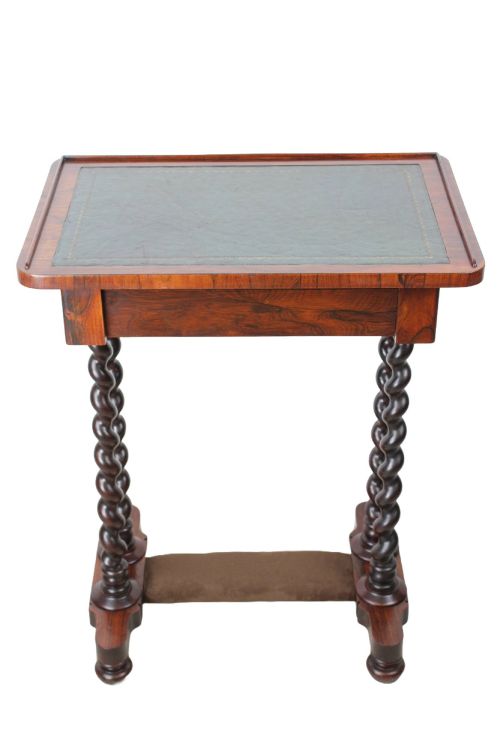
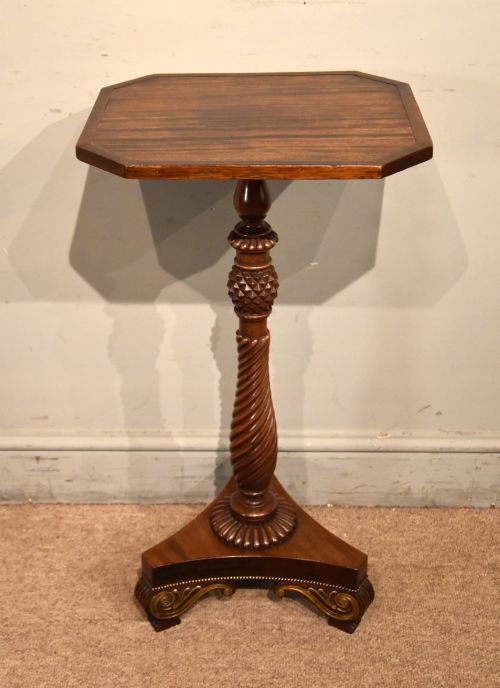
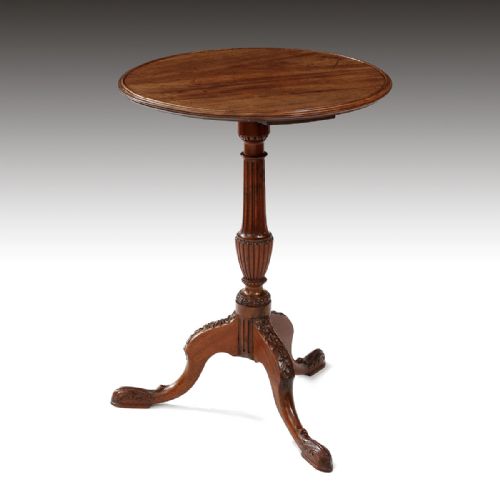
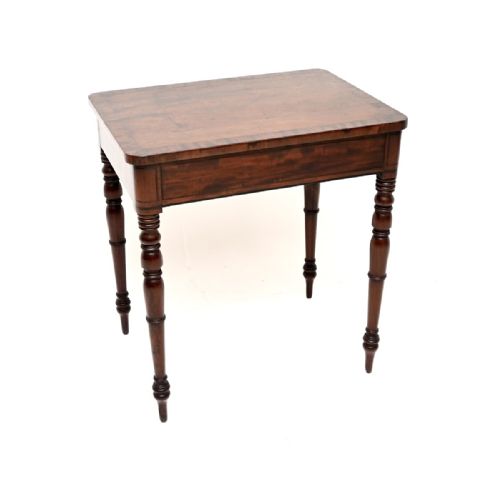


Regency Period Occasional Table
A regency period occasional table brings compact elegance to a room, offering functional surfaces in rich timbers.

Regency Period Occasional Table
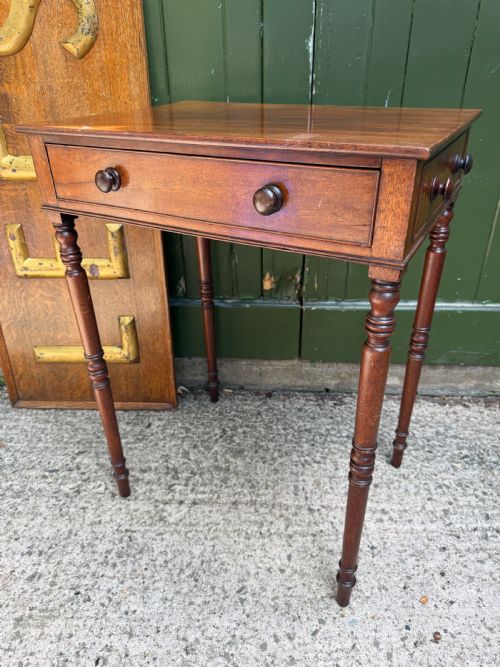
A regency period occasional table encompasses diverse forms including side tables, lamp tables, sewing tables, and nests of tables designed for flexible placement.
The pieces emerge predominantly from the Regency era, alongside related Georgian, William IV, and nineteenth-century periods.
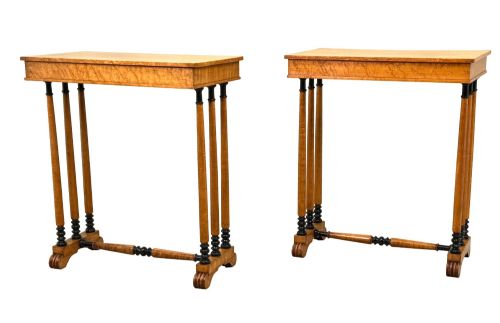
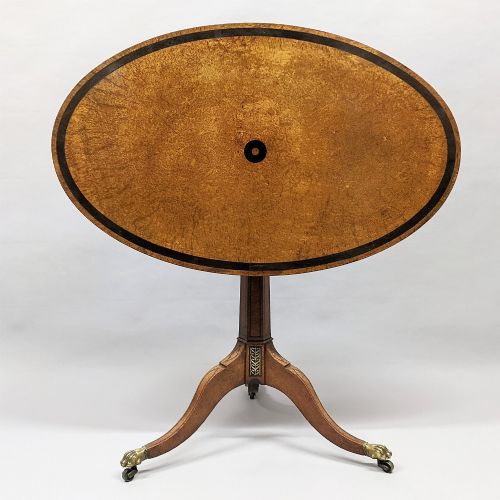
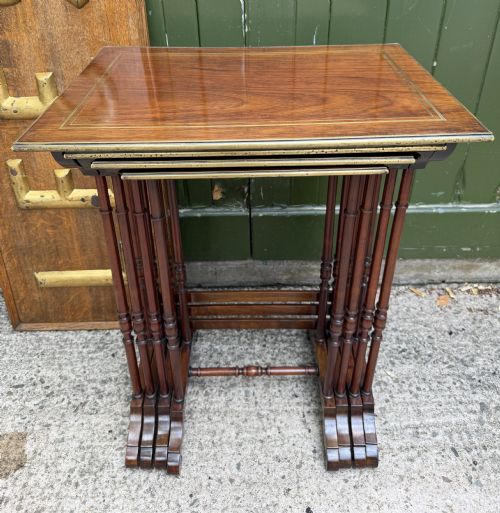
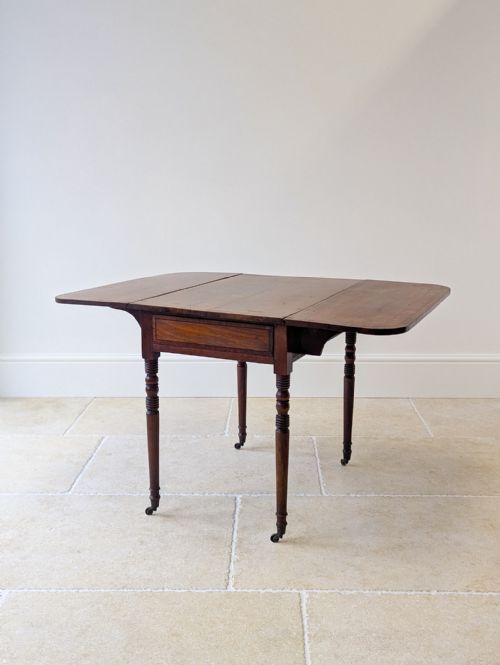
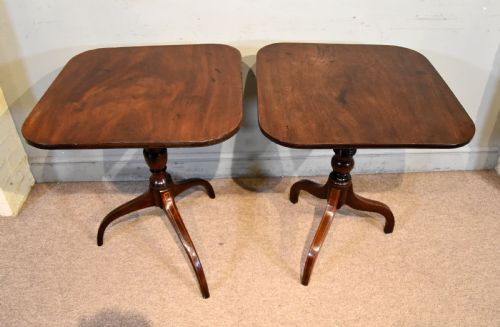
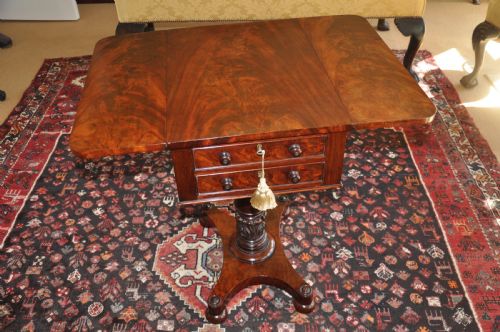
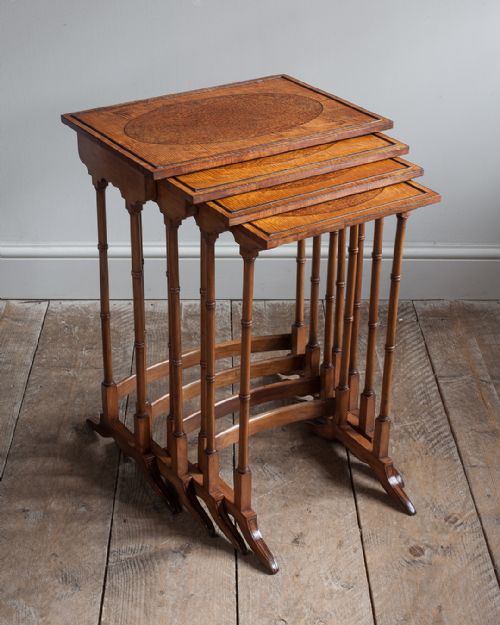
Makers utilised mahogany and rosewood most frequently, shaping tripod bases, Pembroke designs, and quartetto table sets.
Materials and Technique
Craftsmen built these tables using solid and veneered timbers such as mahogany, rosewood, amboyna, and satinwood, often enhanced with contrasting ebonised wood.
Decoration relied on precision brass inlay, giltwood highlights, penwork, and black line detailing rather than heavy carving.
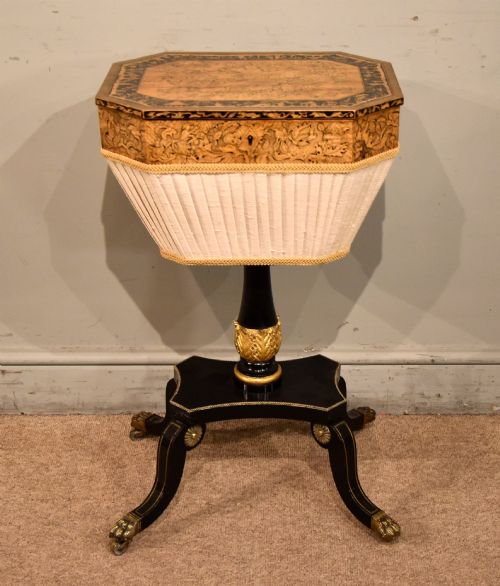
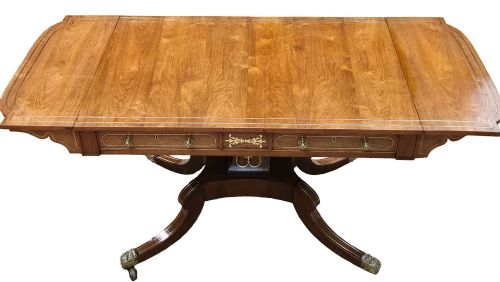
Specialised furniture types incorporated fabric bags for sewing and folding leaves for Pembroke and sofa table configurations.
Regency Period Occasional Table Retail Price Guide 2026
Typical asking prices for regency period occasional table among the pieces listed under this phrase on Sellingantiques today, from the lower quarter to the upper quarter. They describe what is for sale here now, not the wider market.
Some sewing tables hide velvet workbags beneath their tops, ready for nineteenth-century needlework.
Evaluating Craftsmanship
Quality rests in the choice of timber figure, such as highly figured rosewood, birdseye maple, or flame mahogany, selected for visual impact.
Execution of brass inlay and decorative line work distinguishes standard workshop production from finer cabinet-making.
Structural integrity depends on stable pedestal joints, well-fitted tilt-top mechanisms, and smoothly operating drawers in work and sewing tables.
Gillow
The Regency Period Occasional Table Glossary
- Quartetto tables
- A set of four graduating nesting tables designed to slide neatly beneath one another. This form gained popularity during the Regency period for entertaining.
- Pembroke table
- A small table featuring two hinged drop leaves on opposite sides. It stands on four legs, often with one or two small drawers.
- Sofa table
- A rectangular occasional table traditionally placed in front of or beside a sofa. These pieces typically feature drop leaves and double pedestal or lyre ends.
- Penwork
- A decorative technique using fine ink drawings on wood, finished with protective layers. It appears on specialised sewing and occasional pieces.
- Tea-poy
- A small stand or table designed to hold tea caddies. Regency examples often incorporate fitted interiors within rosewood or mahogany bodies.
Regency Period Occasional Table: Frequently Asked Questions
What is a regency period occasional table used for?
These pieces served multiple domestic functions in nineteenth-century interiors, acting as surfaces for lamps, sewing work, or serving tea.
Today they function flexibly in living spaces as lamp stands, bedside surfaces, or compact display tables.
How do I identify a regency period occasional table?
Look for characteristic design elements of the era, including brass inlay, rosewood or mahogany veneers, and pedestal bases with tripod or splayed legs.
Proportions remain generally light and elegant, reflecting the classical design influences of the early nineteenth century.
Are nest of tables authentic to the Regency period?
Sets of graduating tables, known as quartetto tables, were indeed produced during the Regency era in rosewood and mahogany.
They allowed multiple surfaces to occupy a single small footprint until needed for guests.